
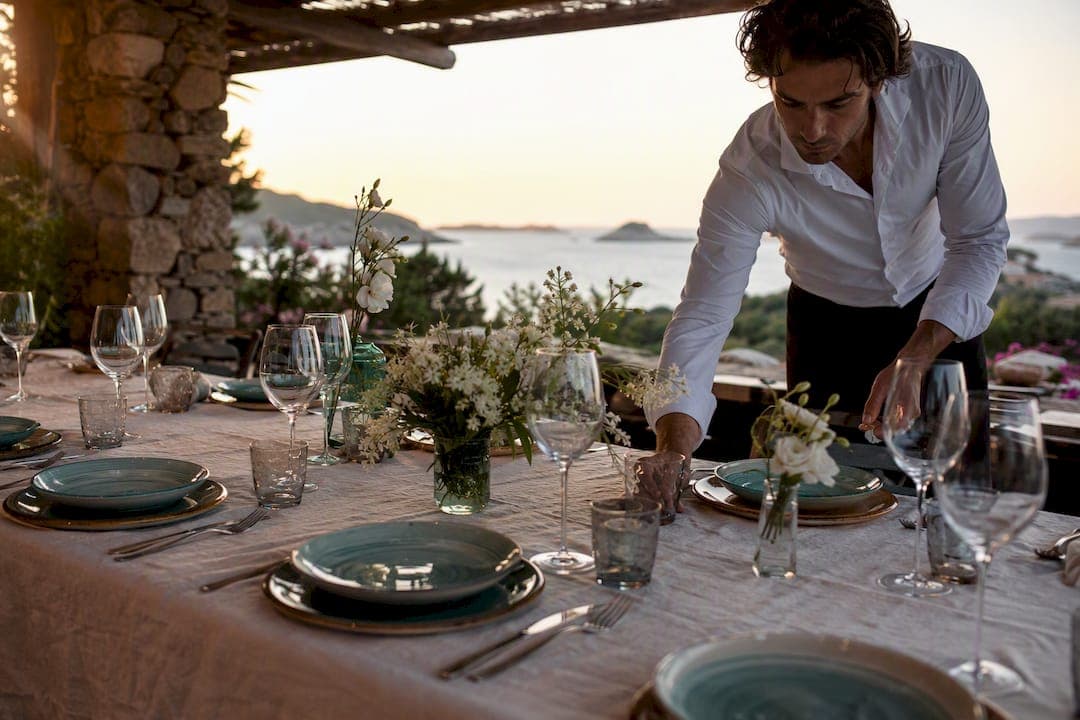
Book private dining by contacting the venue's events team with your date, rough headcount and budget, then confirming everything in a signed agreement with a deposit. That single conversation, held early, is what separates a smooth private-dining reservation from a scramble.
Before you pick up the phone, gather these:
- Guest count — even a rough range (say, 12 to 16)
- Date range — flexibility on the day of the week helps enormously
- Budget — either a per-head figure or a total minimum spend
- Events contact — go straight to the events coordinator, not the general booking line
Start the process several weeks ahead, and plan for a longer lead time for peak dates such as December. Porto Rafael, like most quality venues, treats a private-dining enquiry as an event negotiation rather than a standard table reservation, which is exactly the mindset that gets you the best room and the best terms.
What should you confirm before choosing a room?
Before you enquire, sort out the essentials so you're not chasing the same information twice. Venues respond faster to organisers who arrive with clear answers already in hand.
Confirm these first:
- Dates — ideally a range of two or three options, not a single fixed day
- Headcount — an estimate is fine at this stage
- Budget — per head or total minimum spend
- Exclusivity level — do you need the room fully sealed off, or is a semi-private space acceptable?
Then work through the practical layer: menu format, dietary needs, AV requirements, arrival timings and accessibility. If trade-offs appear (and they usually do), prioritise date flexibility over atmosphere and atmosphere over marginal price savings. A gorgeous room on the wrong night is no use to anyone.
How does private dining pricing actually work?
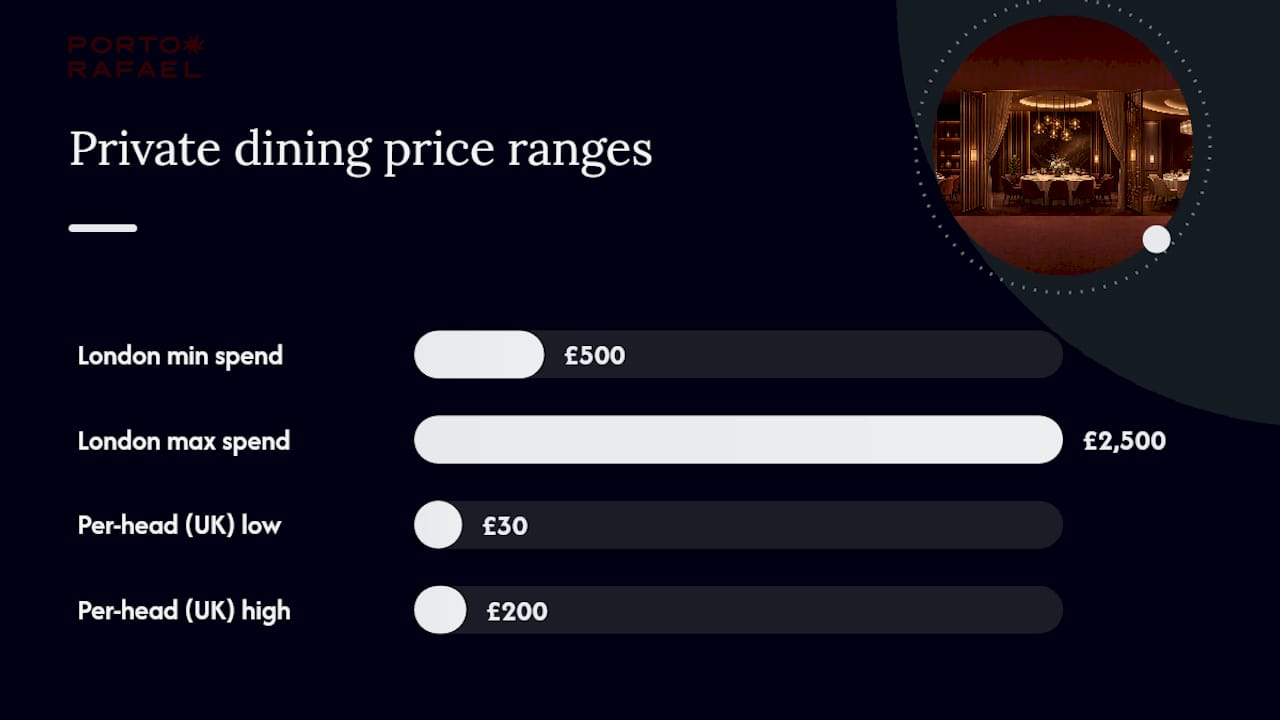
Most restaurants price private dining around a food and beverage minimum, not a flat room-hire fee. You agree to spend a set amount on food and drink; if your group doesn't reach it, you pay the difference. Some venues charge room hire on top for very small groups, and others quote purely per head.
For a mid-sized private dinner, minimum spends in London commonly fall between £500 and £2,500, with prestige, size and location driving the variation. Per-head costs elsewhere in the UK can range roughly from £30 to £200 or more, depending on venue tier.
Pro tip: Always ask for an all-in total. Restaurants often quote the F&B minimum before service charge and tax, which can add 15 to 20% once the bill arrives.
Watch for these add-ons before you sign anything:
- Service charge and local tax
- Corkage, if bringing your own wine
- Overtime beyond the agreed finish time
- AV or equipment hire
- Floral, décor or security fees
How do you choose the right room and atmosphere?
Room selection comes down to four practical factors: guest count, sightlines for speeches, acoustics, and how guests will arrive and flow into the space. A room that's technically big enough but has poor sightlines will undercut a toast or a presentation every time.
The exclusivity question matters more than most organisers realise. A fully private room is enclosed and reserved solely for your party, which matters when confidentiality or sound control is a priority. A semi-private space shares proximity with other diners, which works fine for relaxed celebrations but poorly for a confidential business dinner.
Layout shapes the mood as much as decor does:
- Boardroom — suits presentations and structured business meetings
- Long-table — favours celebrations and toasts
- Cabaret — good for mingling with a formal edge
- Chef's table — ideal when the food itself is the entertainment
Pro Tip: Prioritise the venue's service philosophy and how much control they give you over pacing and privacy, rather than choosing on looks alone. A stunning room with an inflexible service team will frustrate you far more than a modest room with a coordinator who adapts on the fly.
Which menu format works best for private dining?
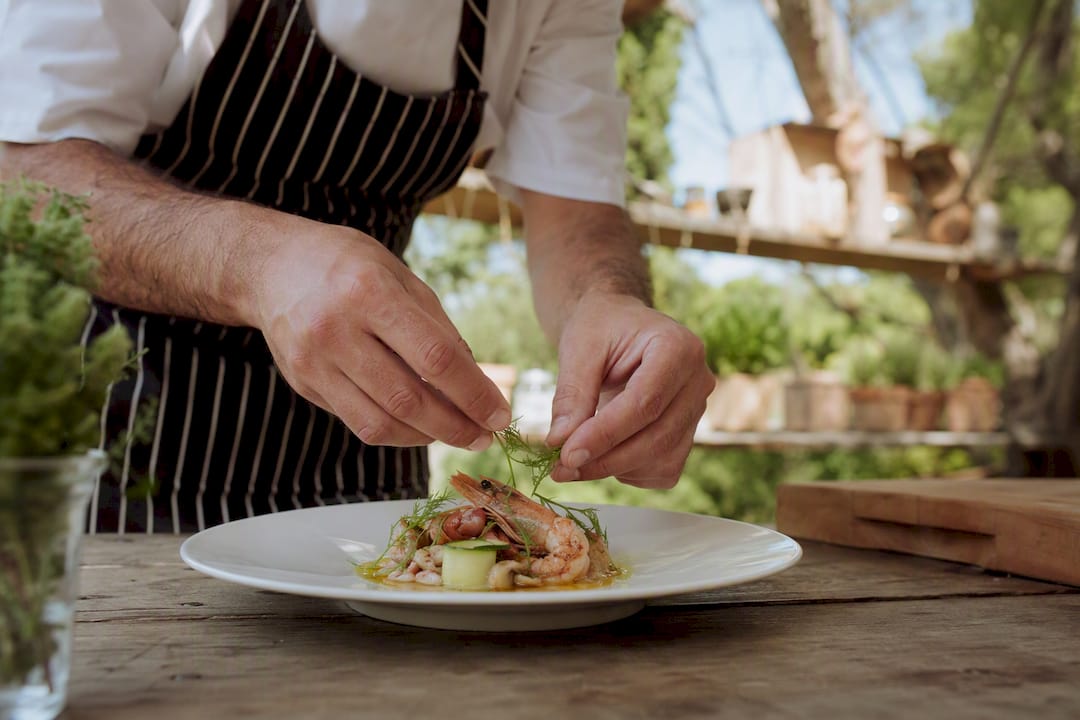
Most organisers land on a prix fixe menu, and there's a practical reason for that. A set menu lets the kitchen deliver more consistent quality than full à la carte service can manage for a large party, because the kitchen isn't juggling dozens of individual orders under time pressure.
| Format | Best for | Trade-off |
|---|---|---|
| Prix fixe | Groups prioritising consistency | Less individual choice |
| Banquet (BEO) | Large groups, flexible service | Can vary in food quality |
| À la carte | Small, food-focused groups | Slower service, harder for the kitchen |
For dietary needs, set a deadline for guests to submit forms (typically one to two weeks out), confirm the kitchen's cross-contamination protocol, and check that vegetarian, vegan and allergen substitutions are built into the set menu rather than improvised on the night. On drinks, decide early whether a fixed drinks package or itemised bar billing suits your group better. A private wine tasting can also work well as a pre-dinner addition for groups who want something beyond the standard aperitif.
What are the booking stages from enquiry to event?
Booking a private dining room follows a fairly predictable sequence. The process generally moves through five stages: enquiry, menu selection, minimum spend agreement, contract and deposit, then day-of execution.
- Initial enquiry — contact the events team with date, headcount and budget
- Availability check — the venue confirms which dates and rooms are open
- Provisional hold — you can often secure a date on estimated numbers before menus are finalised
- Menu selection — choose the format and confirm dietary handling
- Minimums and deposit — agree the spend threshold and pay a deposit to lock the date
- Contract signing — review cancellation terms, overtime charges and final payment method
- Final confirmations — headcount, menu and timings locked, usually a few days out
Check the contract for the deposit amount and when it's due, cancellation penalties (often tiered by how close to the date you cancel), how overtime is charged, and whether the service charge is fixed or discretionary.
| Group size | Recommended lead time |
|---|---|
| Up to 12 guests | several weeks |
| 30 guests | a longer period |
| 30+ guests | a substantial lead time |
On negotiation, availability tightens sharply from October through December, while January to March and midweek dates offer far more flexibility on minimum spends. Asking for a lower minimum on a Tuesday in February is a reasonable request; asking for it on a Saturday in December rarely lands well.
What logistics get overlooked most often?
AV is the classic oversight. Most private rooms come with a wall-mounted screen and basic audio, nothing more; if your event needs proper presentation capability, test the equipment in advance or bring in external AV support.
Beyond the screen, confirm:
- Screen size, connectivity (HDMI vs wireless) and microphone availability
- Whether recording is permitted
- Supplier delivery windows and loading access for any external vendors
- Coat check and whether a private entrance is available
- Storage space for décor, gifts or event materials
For confidential meetings, a separate arrival path isn't a luxury detail. It's often the difference between a discreet gathering and one where guests cross paths with the main dining room.
What does the day itself look like?
A simple run sheet keeps everyone aligned: welcome and arrival, timing between courses, speech slots, dessert, and a clear cut-off for bar service. Share this with the venue's coordinator the day before, not the morning of.
After the event, reconcile the final bill against the contracted minimum, confirm service charge and tax were applied correctly, and keep every receipt for expense reporting.
If numbers shift at the last minute:
- Notify the venue as early as possible, even by a few hours
- Most venues can absorb small headcount drops without penalty, though large drops may trigger the minimum spend clause
- Late dietary requests are best phoned through directly to the kitchen, not just emailed
How does Porto Rafael handle private-dining bookings?
A typical enquiry at Porto Rafael starts the same way this guide recommends: a direct message to the events contact with a date, estimated guest count and sense of budget. From there, the process mirrors the workflow above almost exactly.
- Availability is checked against the room and the wider event calendar
- Menu consultation happens with Solaz restaurant's kitchen team, tailored to the occasion
- A deposit secures the provisional hold once dates and rough numbers are agreed
- Final headcount and menu are locked in the days before the event
- A dedicated contact manages timing and service flow on the day itself
[Author credentials, guest testimonials and any proprietary Porto Rafael booking metrics to be added here.]
What's the one habit that changes outcomes?
Lead with budget and date before anything else, and secure a provisional hold before your menu is finalised. I've seen organisers lose their preferred room simply because they waited for every detail to be perfect before making contact.
Venues will often hold a date against a signed agreement and a rough headcount alone. Locking that hold early removes the biggest risk in the whole process, which is someone else booking your date while you're still deciding on starters.
Need help booking your private dining experience?
If chasing quotes and comparing minimum spends across multiple venues sounds like more admin than you want, Porto Rafael's events team handles the back-and-forth for you, from first enquiry to the final run sheet.
Private dining at Porto Rafael spans three distinct settings: intimate suites through Hotel La Piazza, chef-led menus at Solaz restaurant, and relaxed pre-dinner drinks at Rafael's Lounge. A concierge can talk you through room capacity, menu options and realistic dates in one conversation, rather than the multi-venue email chain this guide describes above. Start with a non-binding request and you'll have a provisional hold and a clear next step within days.