
TL;DR:
- Discovering Sardinian marine life requires patience, knowledge of protected areas, and proper preparation for rewarding encounters beneath the surface. Key spots like La Maddalena Archipelago, Asinara, and Capo Carbonara offer diverse ecosystems and species such as groupers, octopus, and cetaceans. Responsible exploration involves respecting regulations, avoiding habitat damage, and choosing knowledgeable guides to preserve Sardinia's underwater beauty.
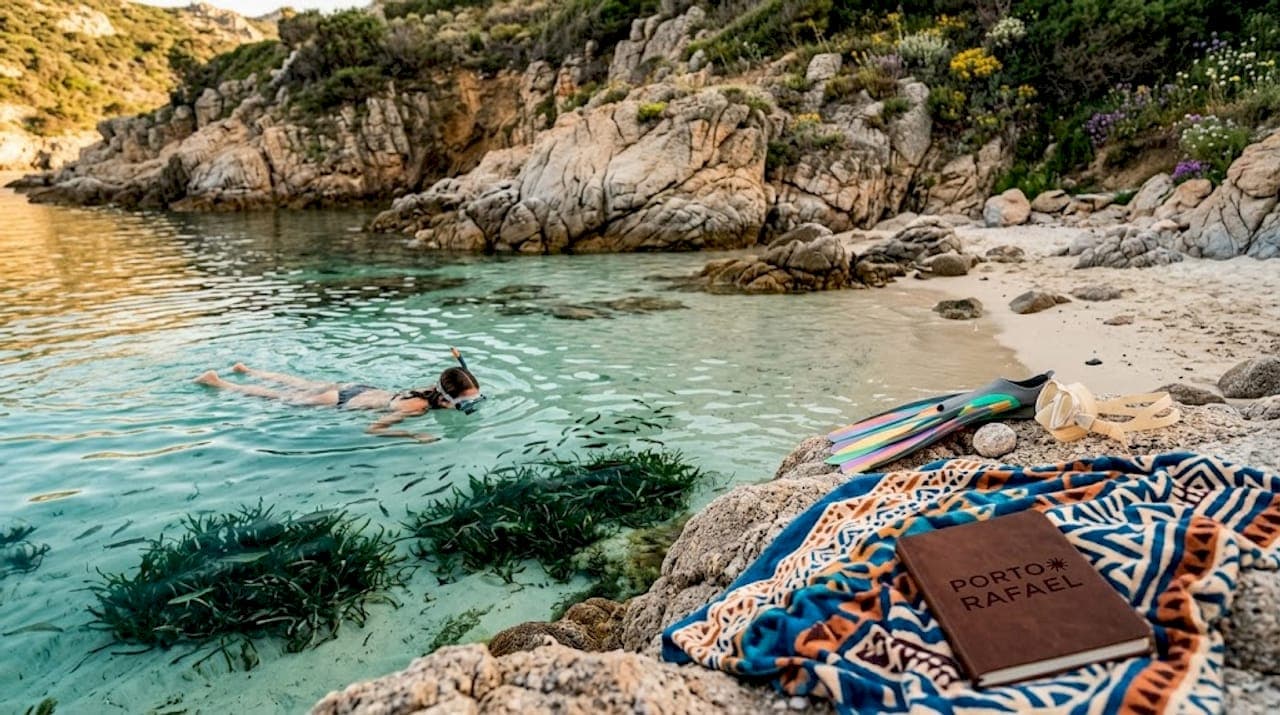
Sardinia's waters hold a world that most visitors never see. Learning how to discover Sardinian marine life properly means moving beyond the postcard image of turquoise coves and understanding what thrives beneath the surface: ancient Posidonia meadows, groupers wedged into granite crevices, cetaceans drifting through deep canyons, and nudibranchs blazing with colour on rocky walls. The challenge is not a shortage of marine life. It is knowing where to look, when to go, and how to move through the water in a way that rewards patience rather than speed.
How to prepare for exploring Sardinian marine life
Good preparation is what separates a memorable encounter from a frustrating morning in murky water with the wrong gear. The details matter far more than most guides admit.
Timing your visit
The ideal season for diving runs from May to October, when sea temperatures settle between 22°C and 26°C and visibility can exceed 30 metres. June and September offer the best balance: crowds thin noticeably, marine animals are active, and the water retains its warmth without the peak-summer congestion around popular coves.
Equipment and comfort
Even in summer, a thin wetsuit of 3mm or 5mm is worthwhile. Water temperature drops at depth, and the same waters that feel warm at the surface can chill you significantly at 15 metres. A wetsuit also provides meaningful protection during the seasonal presence of Pelagia noctiluca, a stinging jellyfish that appears periodically in Sardinian waters.
Here is what to bring for a well-equipped marine exploration session:
- A 3mm or 5mm wetsuit appropriate to the season and depth
- A low-volume snorkel mask with a proper silicone seal for clear vision
- Fins suited to your skill level (shorter fins for snorkelling, longer for freediving)
- An underwater camera or housing rated for your maximum depth
- Reef-safe sunscreen to protect marine ecosystems as well as your skin
- A dive flag or surface marker buoy for safety in boat-traffic areas
Permits and protected area regulations
Sardinia has several Marine Protected Areas (MPAs) where access is regulated. Access to Asinara requires advance booking, and regulations often shift by season to protect Posidonia meadows and nesting habitats. Spontaneous arrivals at restricted zones regularly result in turned-away visitors. Research the specific MPA rules for your chosen area weeks before your trip, not the morning of your dive.
Pro Tip: When selecting a dive operator, ask directly whether their guides follow conservation briefing protocols. Educational briefings by local guides measurably improve visitor behaviour underwater and reduce accidental damage to sensitive habitats.
Best places for marine life in Sardinia
Sardinia's coastline stretches over 1,800 kilometres, but not all of it is equal for marine biodiversity. Certain areas concentrate wildlife in ways that reward a carefully planned visit.
Key marine protected areas and dive sites
| Location | Ecosystem type | Signature species |
|---|---|---|
| Capo Carbonara | Posidonia meadows, rocky reefs | Sea horses, octopus, groupers |
| Asinara | Pristine seabeds, caves | Lobster, moray eels, rays |
| La Maddalena Archipelago | Granite formations, open water | Barracuda, nudibranchs, dolphins |
| Caprera Canyon | Deep pelagic canyon | Fin whales, sperm whales, dolphins |
The following four areas stand out for the depth and variety of their marine biodiversity:
-
La Maddalena Archipelago: This protected granite archipelago offers some of the most photogenic dive sites in the Mediterranean, with crystal formations, strong currents carrying nutrients, and diverse dive sites including vertical walls and shipwrecks accessible to all skill levels.
-
Asinara National Park: The island's remoteness has preserved its seabeds in exceptional condition. Lobsters, moray eels, and rays inhabit its quieter zones, making it one of Sardinia's most rewarding marine destinations for those who plan ahead and secure proper permits.
-
Capo Carbonara Marine Reserve: Located in the south-east near Villasimius, this reserve shelters dense Posidonia meadows and rocky reefs. Snorkelling at Capo Carbonara is accessible even for beginners, yet rewarding enough for experienced divers.
-
The Gulf of Orosei and Baunei coast: Much of this stretch is only reachable by sea, requiring boat excursions to reach hidden coves such as Cala Goloritze and Cala Mariolu. Boat tours typically include snorkelling stops in otherwise inaccessible private waters.
Pro Tip: Daily sailing trips along the Orosei coves combine marine wildlife viewing with swimming breaks and often include local lunch on board. They offer one of the most relaxed and thorough ways to experience marine biodiversity without formal dive training.
If you are staying in the north of the island, the Gallura coast near Porto Rafael places you within easy reach of La Maddalena, Caprera Canyon, and the surrounding archipelago waters.
Sardinian marine species: what you will find
Knowing what to look for transforms a swim into a genuine encounter. Sardinia's marine ecosystems reward those who slow down and pay attention to details rather than scanning wide reef structures for movement.
The most commonly spotted species in Sardinian waters include:
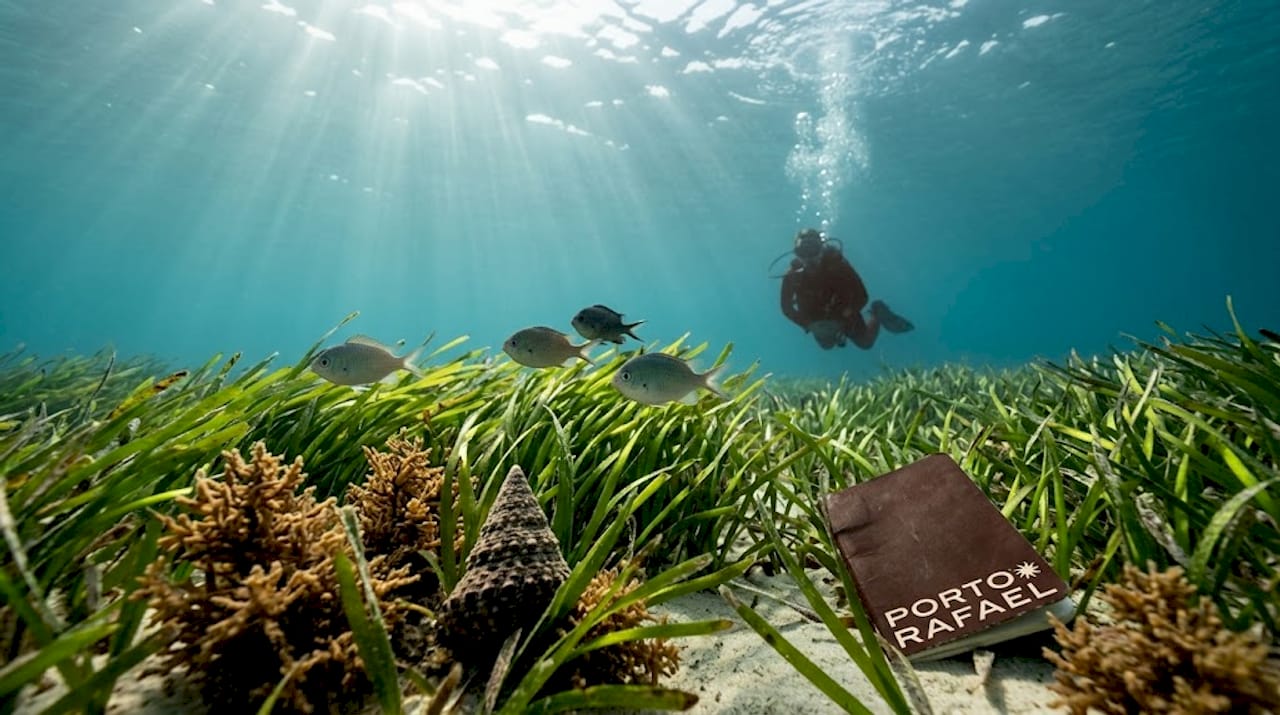
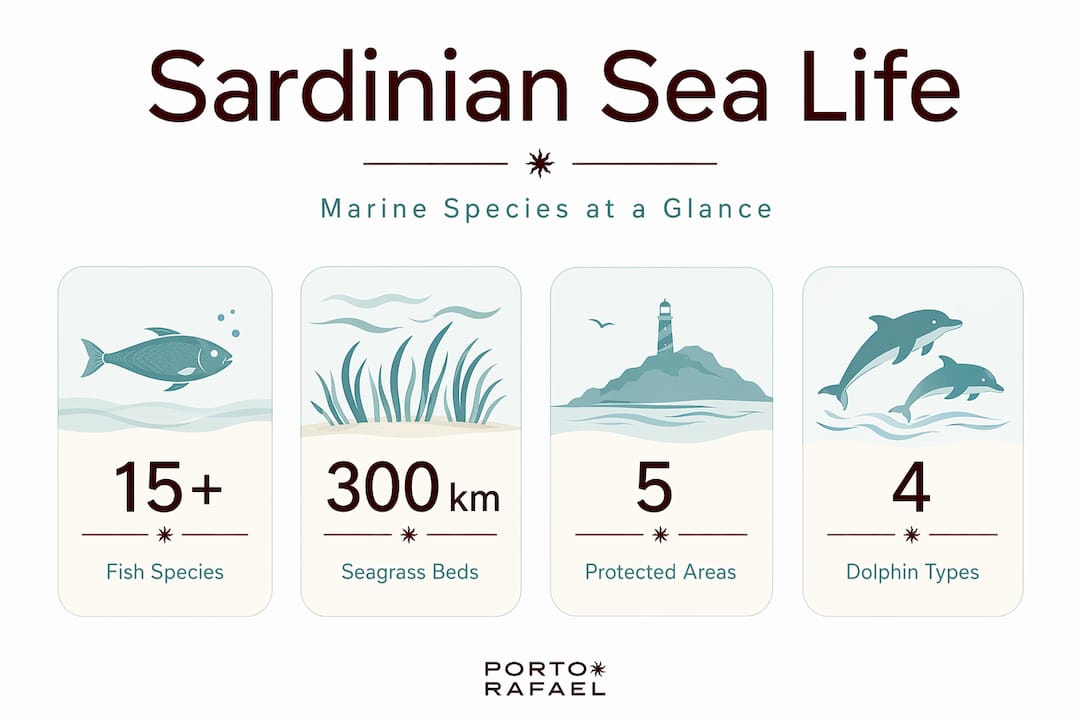
- Brown groupers (Epinephelus marginatus): Territorial and curious, they inhabit rocky crevices at 5 to 30 metres. Many are accustomed to divers, which makes close observation possible if you approach slowly.
- Octopus (Octopus vulgaris): Masters of camouflage, these animals are found in shallow rocky areas throughout summer. Watch for subtle texture and colour shifts on rock surfaces.
- Moray eels: Present in crevices from 5 metres downward, with their characteristic open-mouthed breathing often misread as aggression.
- Barracuda: Encountered frequently around La Maddalena and Porto Rotondo, often circling in loose schools near drop-offs.
- Nudibranchs: Extraordinarily colourful sea slugs that cling to rocky walls and sponges. Spotting them requires patience and a keen eye for detail. Small-group guided diving is the most effective way to find them reliably.
Posidonia oceanica deserves particular attention. These ancient seagrass meadows are not mere underwater grass; they are the foundation of Sardinia's coastal marine ecosystem, producing oxygen, sheltering juvenile fish, and stabilising sediment. Their health reflects the health of everything above them.
Pro Tip: Carry a waterproof species identification card specific to the Western Mediterranean. Recognising what you see in real time, rather than reconstructing encounters from memory, enriches the experience considerably.
Cetaceans of Caprera Canyon
The deep waters of Caprera Canyon, just off the north-east coast, are among the most remarkable cetacean habitats in the entire Mediterranean. Seven of the eight cetacean species regularly found in Mediterranean waters have been recorded here, including fin whales, sperm whales, and several dolphin species. The canyon's pelagic environment also supports vulnerable cartilaginous fish and seabirds, requiring multi-species conservation strategies to preserve its character. Wildlife-watching boat excursions from the north coast offer the most accessible way to observe these animals in open water, without the need for diving equipment.
Regarding jellyfish: many species encountered in Sardinian waters are harmless. Understanding which jellyfish pose genuine risk rather than avoiding the water entirely is a more measured response. Monitoring programmes now track seasonal presence, allowing operators to advise visitors accurately on current conditions.
Responsible marine exploration in Sardinia
Marine biodiversity in Sardinia survives in part because of the protections in place, and in part because of how visitors choose to behave within those protections. The two are not separate considerations.
"Respecting marine protected areas is not simply a legal obligation. It is the reason these places remain worth visiting."
The principles of responsible exploration are straightforward in theory and occasionally demanding in practice:
- Never anchor on Posidonia meadows. Anchor damage to Posidonia is long-lasting; a single anchor strike can destroy centuries of slow growth. Always use designated mooring buoys.
- Do not touch or feed marine animals. Feeding disrupts natural foraging behaviour and can create dependency. Touching corals, anemones, or fish removes protective mucus layers and increases vulnerability to disease.
- Choose operators who follow conservation protocols. Ask whether guides provide pre-dive briefings on protected species and restricted zones.
- Collect nothing. Sea shells, coral fragments, and even rocks are part of functioning ecosystems. Their removal, even in small quantities, accumulates into measurable ecological harm.
- Maintain neutral buoyancy. Poor buoyancy control causes more accidental contact with reefs than deliberate behaviour. Practise in shallow water before entering sensitive areas.
Joining guided tours carries a concrete advantage beyond logistics: visitors who receive conservation briefings demonstrate measurably better underwater behaviour than those who explore independently without preparation. Choosing a guided experience is not a concession to inexperience. It is an active contribution to the ecosystem you are visiting.
You can also explore curated marine excursions from Porto Rafael, which are designed around both discovery and respect for the surrounding environment.
What experience has taught me about these waters
I have seen people arrive in Sardinia expecting to immediately locate whale sharks or pristine coral gardens, and leave mildly disappointed because they searched too broadly and moved too quickly. The common misconception is that impressive marine life means large marine life encountered at high speed. Sardinia corrects that assumption quietly but thoroughly.
The best encounters I have witnessed came when people stopped scanning and started settling. A diver who pauses at a single rock formation for five minutes will see more than one who covers a hundred metres in the same time. Camouflaged species, in particular, reveal themselves only through stillness and patience.
I have also found that choosing local, independent operators over large aggregators genuinely changes the quality of an experience. Local guides carry knowledge that no online briefing can replicate: where the octopus was spotted yesterday, which cove is sheltered from today's wind, which crevice holds a grouper that has been resident for three seasons.
The deeper lesson is this. Marine exploration in Sardinia is not about ticking species off a list. It is about developing a specific attentiveness that carries over into every subsequent encounter with the natural world. Those who approach it with curiosity rather than expectation consistently leave with the richer experience.
— Studio
Discover Sardinia's waters from Porto Rafael
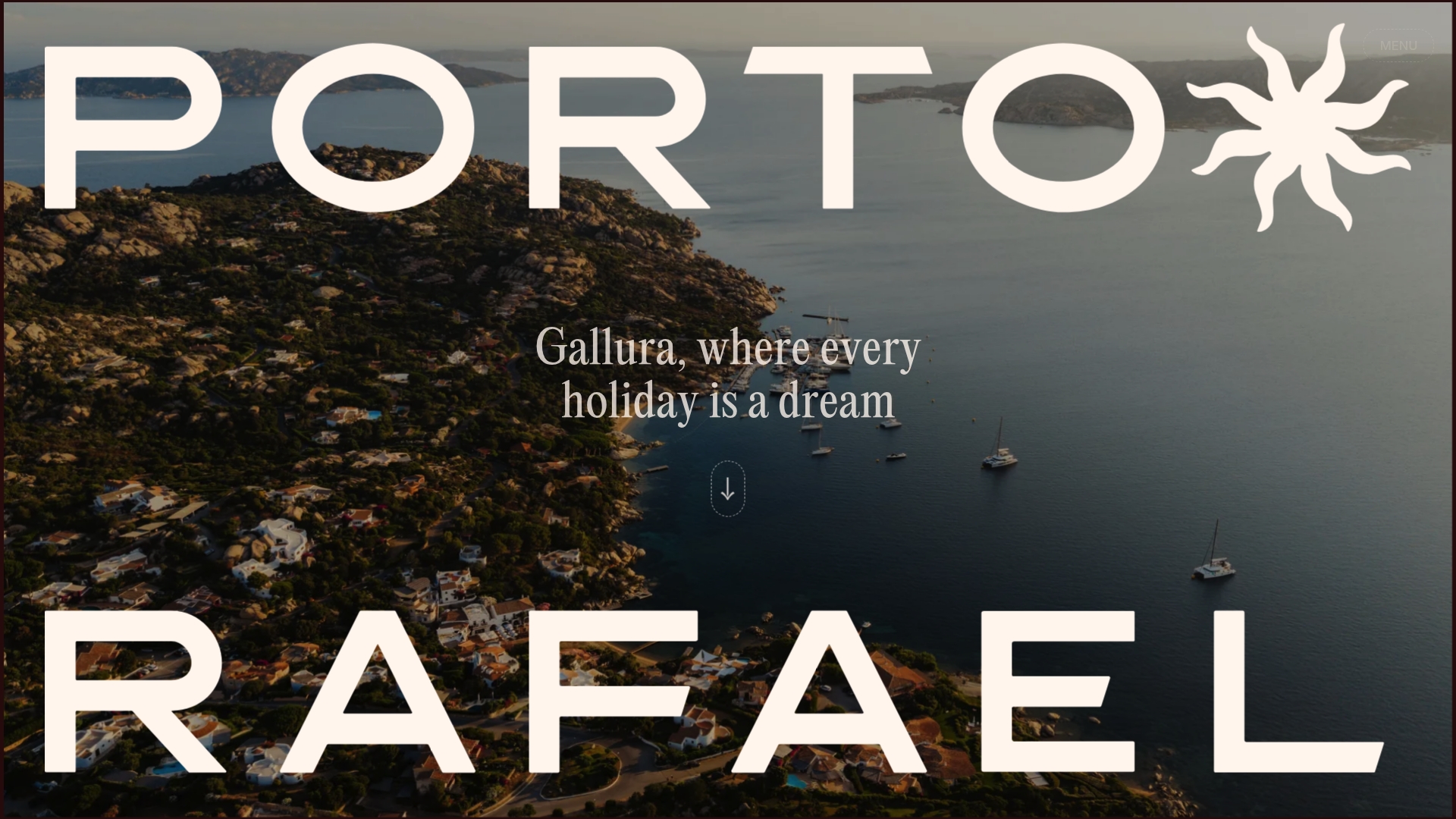
Porto Rafael, set within the Gallura region of northern Sardinia, offers a rare position for marine enthusiasts: within minutes of waters that access both the La Maddalena Archipelago and the biodiversity-rich depths of Caprera Canyon. The Prestige rooms at Hotel La Piazza place you directly along the coast, allowing early morning departures for snorkelling or cetacean-watching before the sea fills with day visitors. For those seeking additional space and comfort after a full day on the water, the suites at Hotel La Piazza offer a genuine retreat. After the sea, the Solaz Restaurant serves Sardinian seafood sourced from local waters, completing the day with the same authenticity that defines the discovery itself. Those interested in exclusive Sardinian dining will find the full culinary offering complements the marine experience beautifully.
FAQ
When is the best time to snorkel in Sardinia?
The ideal period runs from May to October, when water temperatures reach 22°C to 26°C and visibility can exceed 30 metres. June and September offer the best conditions with fewer crowds.
Do I need a permit to dive in Sardinian marine protected areas?
Access to areas such as Asinara requires advance booking and seasonal permits. Regulations vary by zone and time of year, so confirm requirements directly with the relevant MPA authority before your visit.
What marine species can I expect to see in Sardinia?
Common sightings include brown groupers, octopus, moray eels, barracuda, nudibranchs, and Posidonia seagrass meadows. The Caprera Canyon area is particularly notable for cetaceans including fin whales and dolphins.
Is it safe to swim near jellyfish in Sardinia?
Many jellyfish species in Sardinian waters are harmless. Pelagia noctiluca is the species most associated with stings and appears seasonally. Wearing a thin wetsuit provides effective protection during its presence.
How do I find responsible dive operators in Sardinia?
Look for operators who offer conservation briefings before entering the water, follow MPA regulations, and use mooring buoys rather than anchors. Local, independent guides consistently provide more ecologically aware and personally tailored experiences than larger tour aggregators.