
TL;DR:
- Most beaches in Sardinia are owned by the state, and access is managed through concessions rather than private ownership. Private beach access is available via villa rentals, resorts, clubs, and remote coves reached by boat or foot. New regulations in 2026 limit visitors, enforce fines, and require advance booking to protect the coastline.
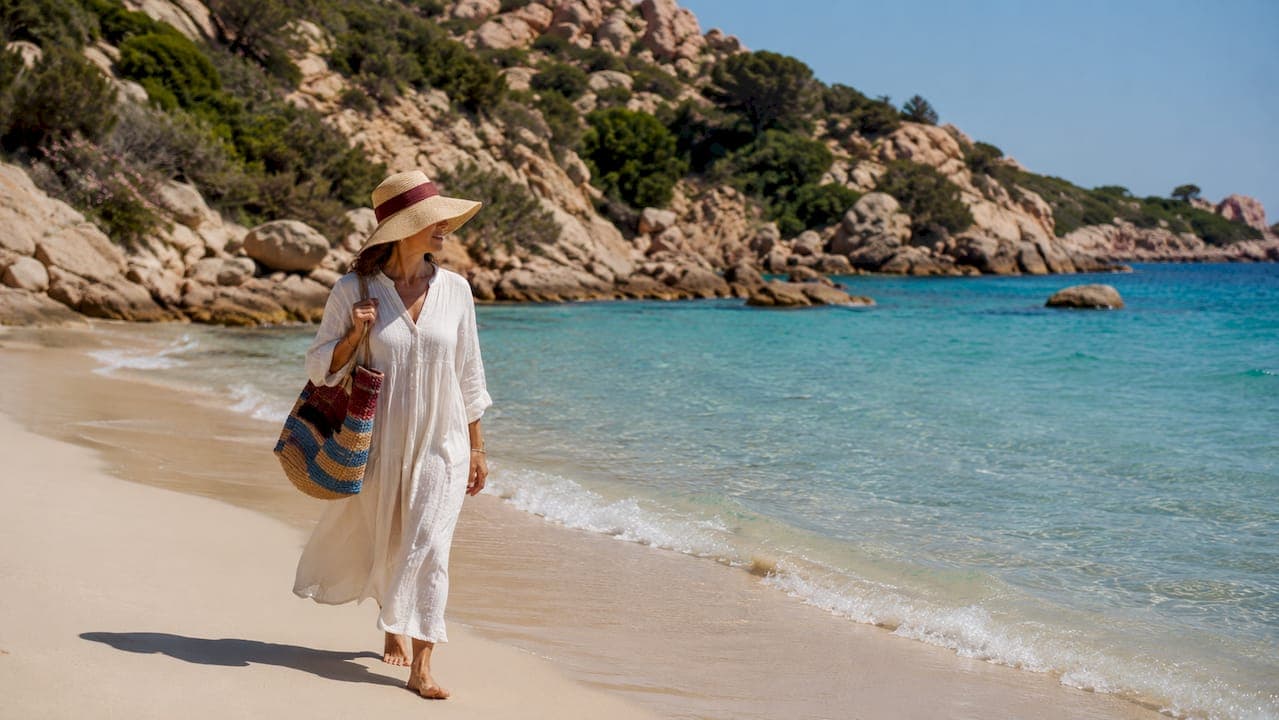
Sardinia's coastline is defined by crystalline waters and pale granite coves that feel almost otherworldly in their beauty. Private beach access in Sardinia is best understood as controlled or exclusive access to coastal areas, typically secured through resort concessions, villa bookings, or strategic site selection rather than outright private ownership. True private beaches are rare; most shoreline falls under Italian state ownership known as demanio marittimo. Understanding this distinction shapes every decision you make when planning an exclusive coastal stay on the island.
1. What are the real private beach access Sardinia options?
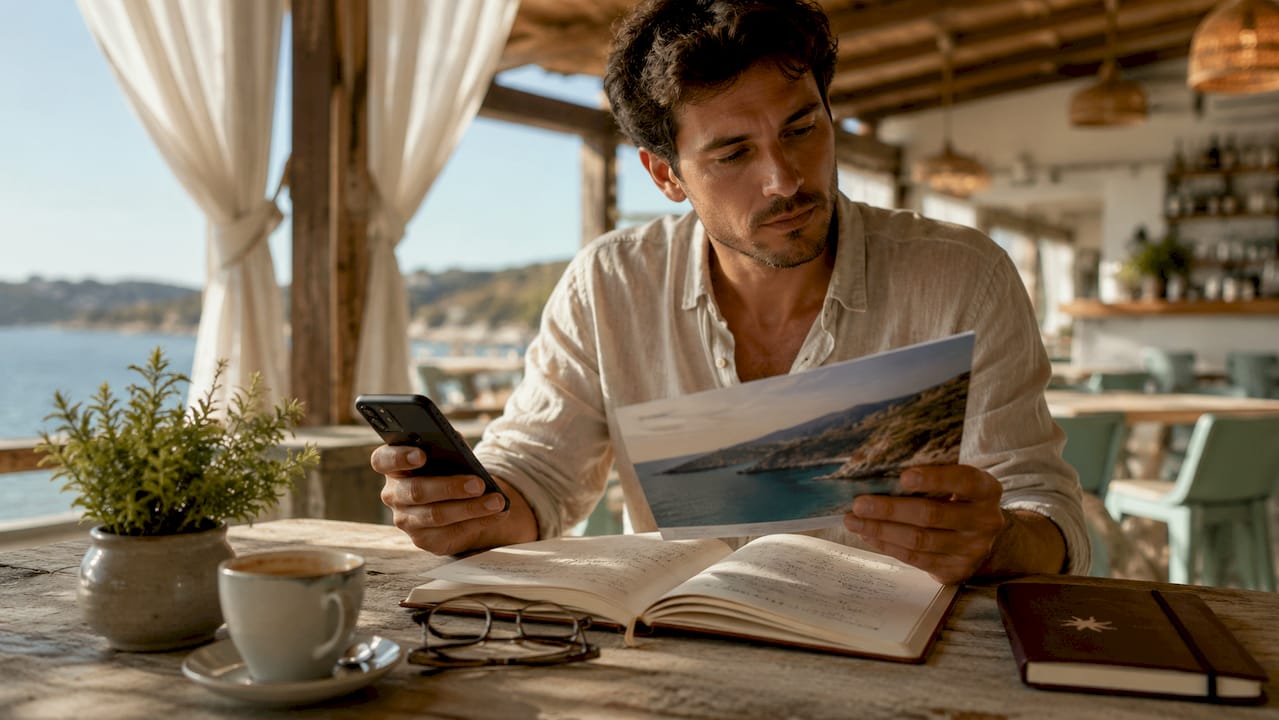
Private beach access in Sardinia operates through a concession system. The Italian state grants resorts, hotels, and select private properties the right to manage a defined section of beachfront exclusively for their guests. This means private beach access is controlled access, not legal private ownership of the sand itself. The distinction matters because it shapes what you can realistically expect from a booking.
The most reliable private beach access Sardinia options fall into four broad categories:
- Villa rentals with direct beach gates in areas such as Costa Smeralda, Costa Rei, and the Gallura coast
- Boutique hotels and resorts holding state concessions for exclusive beachfront sections
- Membership clubs granting seasonal access to restricted coastal areas
- Remote coves reached by boat or on foot, where inaccessibility itself limits crowds
Each category offers a different balance of exclusivity, cost, and convenience. Knowing which suits your travel style saves both time and disappointment.
2. Villa stays with direct beachfront access
Villas with private beach gates represent the most tangible form of exclusive coastal access available in Sardinia. Properties along Costa Smeralda, the Gallura peninsula, and the southern stretches near Villasimius often include gated paths leading directly to a reserved section of shoreline. The term "private" in villa listings can mean anything from a shared cove among a handful of properties to a genuinely exclusive stretch of sand.
Key features to look for in a private beachfront villa:
- A gated or fenced path leading directly to the water
- On-site private parking (a critical detail, explained further below)
- Sunbeds, umbrellas, and shower facilities reserved for villa guests
- A concession agreement confirming exclusive beach rights
Pro Tip: Always ask the property owner or agent to confirm whether "private beach access" means exclusive use or shared access with neighbouring properties. The phrase is used loosely in Sardinian villa listings, and the difference defines your entire experience.
The Gallura region, home to Portorafael's village of Porto Rafael, offers some of the most captivating beachfront villa settings on the island. The area's granite headlands and sheltered bays create natural privacy that formal concessions alone cannot replicate. Travellers seeking beachfront luxury stays in this part of Sardinia will find the landscape itself does much of the work.
3. Exclusive resorts and hotel beach concessions
Upscale resorts and boutique hotels in Sardinia hold state concessions granting their guests exclusive use of a defined beachfront section during the season. This model is the most common form of private beach access on the island. Guests benefit from reserved sunbeds and umbrellas, attentive beach service, and the assurance that the sand around them is not open to the general public.
Typical amenities within a resort beach concession include:
- Reserved sunbeds and parasols included in the room rate or available at a supplement
- Towel service and beach bar with food and drink delivery
- Lifeguard cover and enhanced safety standards
- Restricted entry points ensuring only registered guests access the area
Exclusive Sardinian resorts vary considerably in the size and quality of their concessions. A smaller boutique property often offers a more intimate beach experience than a large resort with hundreds of guests sharing the same strip of sand.
Pro Tip: Booking in may or early june, rather than the peak july and august weeks, gives you access to the same exclusive concession with noticeably fewer fellow guests. The sea temperature is still warm, and the atmosphere is far more tranquil.
Portorafael's Hotel La Piazza in Porto Rafael exemplifies this boutique approach. The village's position on the Gallura coast places guests within reach of some of the most serene and captivating coves in northern Sardinia, with the intimacy of a small property ensuring a genuinely unhurried coastal experience.
4. Hidden coves and semi-private beach experiences
Hard-to-reach coves offer a form of natural privacy that no concession system can fully replicate. When a beach requires a 40-minute coastal walk or a boat journey to reach, visitor numbers remain low by default. This inaccessibility is the most democratic form of exclusivity Sardinia offers.
| Cove type | Access method | Typical crowd level | Permit required |
|---|---|---|---|
| Coastal path coves | On foot (30–90 min walk) | Very low | No |
| Boat-access coves | Private or tour boat | Low to moderate | Anchoring permit |
| Cliff-descent coves | Scrambling/rope descent | Very low | No |
| Near-road coves | Short walk from parking | Moderate to high | No |
Boat access to certain coves requires authorisation. Daily boat tours cost between €50 and €90 and represent the legal route to some of the most secluded stretches of Sardinian coastline. Private boats require anchoring permits in designated marine protection zones.
The Gallura coastline around Porto Rafael is particularly rich in lesser-known inlets. Travellers willing to explore by water or on foot discover coves where the only sounds are waves and wind. This is the kind of exclusive coastal experience that no booking system can manufacture.
5. Navigating 2026 Sardinia beach access regulations
Sardinia's beach regulations in 2026 are among the most detailed in the Mediterranean. Understanding them is not optional. Failure to comply results in fines and, in some cases, denied entry to the beach entirely.
La Pelosa limits daily visitors to 1,500, with a booking fee of €3.50 per person. Cala Brandinchi caps visitors at 1,447 and Lu Impostu at 3,352, both requiring advance reservations through dedicated apps or websites. These caps sell out days ahead during peak season.
| Beach | Daily visitor cap | Booking fee | Booking method | Key restriction |
|---|---|---|---|---|
| La Pelosa | 1,500 | €3.50 | Online/app | Mat under towel rule |
| Cala Brandinchi | 1,447 | €2–€3.50 | App/website | Pre-booking required |
| Lu Impostu | 3,352 | €2–€3.50 | App/website | Pre-booking required |
| Punta Molentis | Not publicly listed | Not publicly listed | Not publicly listed | Umbrellas banned (exceptions: over-65s, children under 10) |
Removing sand, stones, or shells from any Sardinian beach is a criminal offence. Fines range from €500 to €3,500. At La Pelosa specifically, a mat placed under your towel is compulsory, with on-the-spot fines of €100–€300 for non-compliance. These rules exist to protect beaches that receive millions of visits each year.
Tickets for popular beaches between june and september frequently sell out days in advance. Booking the moment reservations open is the only reliable strategy for peak-season visits.
6. Tips for securing the best private beach access
The most effective sardinia beach accessibility tips centre on timing, preparation, and choosing the right accommodation type from the outset.
- Book early. Reservation systems for capped beaches open weeks before the season. Set a calendar reminder and book the day slots open.
- Choose villas or hotels with private parking. Private gated parking is as important as beach access itself. Without it, you may find yourself parked far from the coast and walking through crowds to reach your exclusive spot.
- Travel in may, june, or september. Visitor caps are less pressured, booking fees apply but availability is far greater, and the beaches retain their natural beauty without the july and august intensity.
- Use official booking apps. Sardinia's regulated beaches require reservations through specific platforms. Using unofficial third-party services risks invalid bookings and denied entry.
- Respect all equipment rules. Bring a mat for beaches where the towel rule applies. Leave no trace. Fines are enforced actively, not theoretically.
Pro Tip: During peak season, the most private experience often comes not from the most famous beaches but from the least-signposted ones. A local concierge at a boutique property like Portorafael's Hotel La Piazza can point you toward coves that rarely appear in travel guides.
For those interested in luxury yacht access to remote coves, arriving by water bypasses road congestion entirely and opens up stretches of coastline that remain genuinely untouched throughout the season.
7. What "private" really means on a Sardinian beach
Having spent considerable time studying Sardinia's coastal access system, the most important thing I can share is this: the word "private" on this island is almost always relative. Sardinia's beaches belong to the state. What resorts, villas, and clubs sell is managed access, not ownership. That distinction is not a disappointment once you accept it. It is actually what makes the island's coastline so extraordinary.
The beaches that feel most private are rarely the ones marketed as such. They are the coves you reach after a 45-minute walk along a coastal path, or the inlet your hotel concierge mentions quietly over breakfast. The timing and site selection matter far more than any formal concession. A resort beach at 8:00 AM in june feels more private than a "members-only" strip at noon in august.
What I find genuinely admirable about Sardinia's 2026 regulations is that they are working. Visitor caps and booking fees have reduced the degradation that threatened places like La Pelosa a decade ago. Travellers who respect these rules are not just avoiding fines. They are preserving the very beauty that drew them to the island. The most rewarding private beach experiences here come to those who plan carefully, travel respectfully, and resist the urge to follow the crowds.
— Studio
Porto Rafael: where exclusivity meets the Gallura coast
Porto Rafael sits on one of Sardinia's most captivating stretches of coastline, where granite cliffs meet water of an almost impossible blue. Hotel La Piazza is an adults-only boutique property at the heart of this rare gem of a village, offering guests intimate access to the Gallura coast's serene coves and crystalline bays.
After a morning on the water, the Solaz Restaurant serves gourmet Sardinian cuisine that honours the island's finest local ingredients. Rafael's Bar & Lounge completes the evening with panoramic views and carefully crafted cocktails. For travellers who want the full private beach experience in 2026, Porto Rafael offers the setting, the service, and the local knowledge to make it effortless. Enquire directly for seasonal availability and exclusive coastal packages.
FAQ
What does private beach access mean in Sardinia?
Private beach access in Sardinia refers to controlled or exclusive access to a beachfront section managed by a resort, villa, or club under a state concession. True private ownership of beaches is not permitted under Italian law.
Do I need to book Sardinian beaches in advance in 2026?
Popular beaches such as La Pelosa and Cala Brandinchi require advance booking, with daily visitor caps of 1,500 and 1,447 respectively. Tickets sell out days ahead during peak season.
What fines apply for breaking beach rules in Sardinia?
Removing sand, stones, or shells carries fines of €500 to €3,500. Failing to place a mat under your towel at La Pelosa results in an on-the-spot fine of €100–€300.
How do I access hidden coves in Sardinia legally?
Boat-access coves require anchoring permits in protected zones. Daily boat tours costing €50–€90 are the legal and most practical route to many of Sardinia's most secluded inlets.
When is the best time to visit for a private beach experience?
May, june, and september offer the best balance of warm weather and lower visitor numbers. Booking caps are easier to secure, and resort beach concessions feel noticeably more tranquil than during the july and august peak.