
TL;DR:
- Sardinia's coastline offers over 1,800 kilometers of cliffs, coves, and clear waters, suitable for diverse day trips. Visitors can choose from hiking, boat excursions, or cultural visits across four main regions, each providing unique experiences. Planning carefully and embracing a slower pace enhances the island's wild beauty and timeless charm.
Sardinia's coastline is defined by over 1,800 kilometres of cliffs, coves, and crystalline water, making it one of Europe's most rewarding destinations for coastal day trips. A well-planned sardinia coastal day trip list draws from four distinct regions: the rugged east coast around Cala Gonone, the historic north near Alghero and Stintino, the sun-drenched south from Cagliari, and the wild west around Oristano. Each region rewards a different kind of traveller. Whether you are drawn to challenging hikes to remote coves, boat trips through sea caves, or leisurely drives through ancient coastal towns, Sardinia offers a day trip to match every pace and preference.
1. Cala Goloritzé: the east coast's most iconic cove
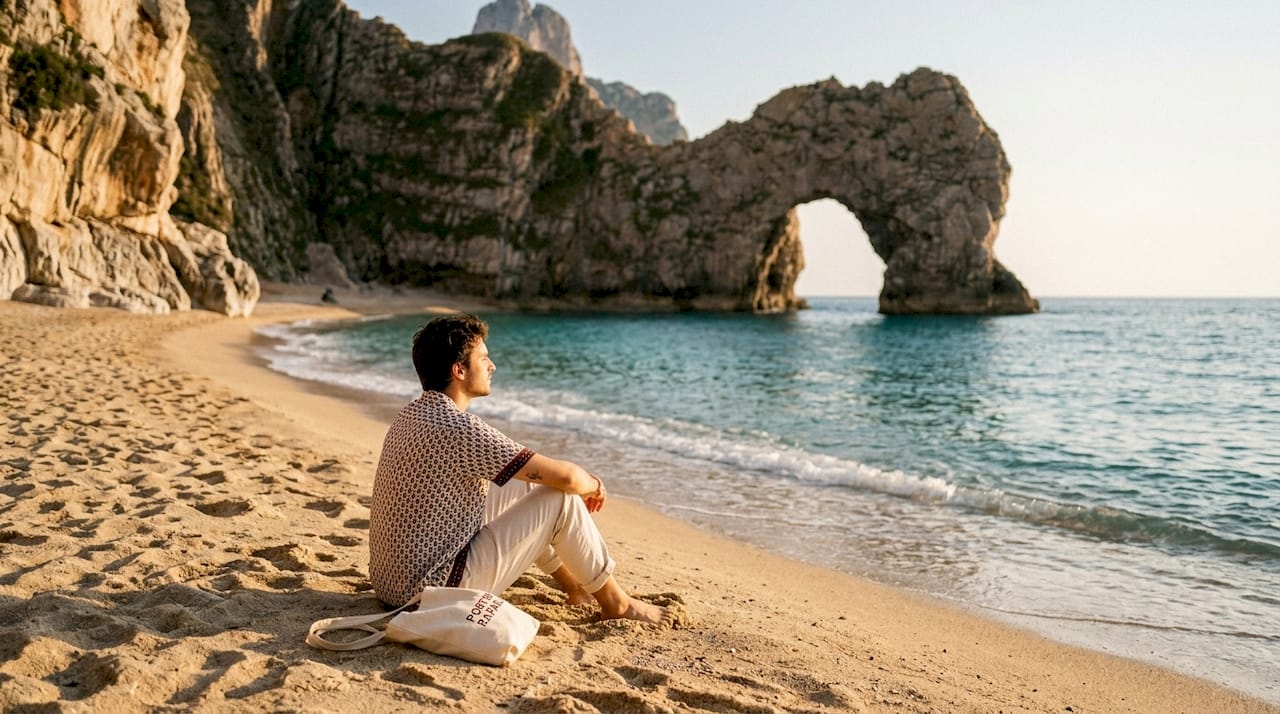
Cala Goloritzé is the defining stop on any east-coast sardinia day trip itinerary, recognised as a UNESCO natural monument and accessible only on foot or by boat. The trail from Baunei takes roughly 1.5 hours each way, descending through macchia scrubland to a beach framed by a soaring limestone pinnacle. The reward is a cove of extraordinary clarity, where water temperatures reach 24 to 26°C in July and August. Permits are required to visit, and numbers are capped daily, so booking in advance is non-negotiable during summer.
The beach has no facilities whatsoever. Carry at least two litres of water per person, wear sturdy hiking boots, and start before 8am to avoid both the midday heat and the crowds that gather by late morning.
Pro Tip: Visit in late May or early September when the trail is quieter, the light is golden, and the sea is still warm enough for swimming without the peak-season pressure.
2. Cala Luna: boat or boots, both are worth it
Cala Luna is a crescent of pale sand backed by dramatic caves, reachable either by boat tour from Cala Gonone or by a 1.5 to 2 hour hike each way along the coastal path. The boat option is the more popular choice in summer, and rightly so: the approach from the sea reveals the full scale of the cave system that frames the beach. Boat tours typically depart in the morning and allow two to three hours on shore before returning.
The hiking route is quieter and more atmospheric, passing through wild coastal terrain with views across the Gulf of Orosei. Both options suit different travellers, and combining the two (hiking one way, returning by boat) is a particularly satisfying way to experience the landscape.
3. Cala Mariolu: the clearest water in Sardinia
Cala Mariolu consistently ranks among the best sardinia beaches for water clarity, its turquoise shallows shifting to deep cobalt over a pebble and white-stone shore. The hiking route from Punta Salinas covers 6.5 kilometres with a 660-metre descent, taking two and a half to three hours down and considerably more on the return. Hiking boots are mandatory, and three litres of water per person is the recommended minimum. For those who prefer not to hike, boat tours from Cala Gonone include Cala Mariolu as a standard stop.
The pebble shore is firm underfoot and the snorkelling is exceptional, with visibility often exceeding ten metres. Arrive early by boat if you want a quiet corner; by midday the beach fills quickly in July and August.
4. La Pelosa, Stintino: the north's most regulated beach
La Pelosa is the most photographed beach in northern Sardinia, a shallow lagoon of pale turquoise water set against the silhouette of the Torre della Pelosa. It is also one of the most carefully managed. Entry is strictly regulated from June to September, with daily visitor caps, entry fees, and a requirement to place a mat beneath your towel to protect the fine sand from erosion. Booking your entry slot in advance is the only reliable way to secure access during peak months.
The beach is a 45-minute drive from Sassari and around 30 minutes from Alghero, making it a natural pairing with a morning visit to Alghero's old town. The combination of medieval Catalan architecture and a world-class beach makes for one of the most satisfying single-day itineraries in northern Sardinia.
5. Alghero old town and Neptune's Grotto
Alghero is one of the most captivating coastal towns in Sardinia, its honey-coloured walls and Catalan-inflected dialect setting it apart from anywhere else on the island. The old town is compact and walkable, with the sea walls offering panoramic views across the Gulf of Alghero. From the port, boat trips depart for Neptune's Grotto (Grotta di Nettuno), a spectacular sea cave carved into the cliffs of Capo Caccia. The cave's interior reveals stalactite formations of extraordinary scale, and the boat journey itself passes some of the most dramatic coastal scenery in the north.
Alternatively, the 654-step staircase known as the Escala del Cabirol descends directly to the grotto entrance from the clifftop road. It is steep and exposed, but the descent takes around 20 minutes and rewards with views that no boat passenger sees.
6. Castelsardo and Bosa: historic towns on the northern coast
Castelsardo and Bosa are two of the most visually striking coastal towns in Sardinia, each perched above the sea with a medieval castle at its crown. Castelsardo sits on a promontory in the Gulf of Asinara, its layered stone streets rising to a Doria castle that houses a museum of Sardinian basketwork. Bosa, further south on the west coast, is a pastel-coloured town straddling the Temo river, with a Malaspina castle overlooking a tangle of narrow lanes. Both towns are best visited in the morning before the heat builds, leaving the afternoon for the nearby beaches.
- Castelsardo: 35 minutes from Sassari; pair with a swim at La Marinella beach nearby
- Bosa: 1 hour from Alghero; the Spiaggia di Bosa Marina is a short walk from the town centre
- Practical note: Both towns have limited parking in high season; arrive before 9am or use the lower car parks and walk up
7. Chia Beach and the south coast from Cagliari
Chia is the south coast's finest beach destination, a sequence of dune-backed bays with water that rivals the Caribbean for colour. Travel time from Cagliari is approximately one hour, making it a natural day trip from the capital. The area encompasses several distinct beaches, including Su Giudeu and Campana, each with its own character. The Laguna di Chia behind the dunes attracts flamingos in spring and autumn, adding a wildlife dimension to what is already a visually extraordinary stretch of coast.
The drive south from Cagliari along the SS195 is itself a pleasure, passing the Nora archaeological site and the Stagno di Notteri lagoon. Stopping at Nora for an hour before continuing to Chia turns a beach day into a genuinely rounded coastal excursion.
Pro Tip: Leave Cagliari by 8am to reach Chia before the car parks fill. By 10am in July and August, the access roads become congested and the best spots on the sand are taken.
8. Sinis Peninsula: wild coast and ancient ruins
The Sinis Peninsula, west of Oristano, is one of Sardinia's least-visited coastal areas and one of its most rewarding. The beaches here, particularly Is Arutas with its quartz-grain sand, have a raw, elemental quality absent from the more manicured resorts. The ancient Phoenician and Roman city of Tharros occupies the southern tip of the peninsula, its columns and mosaic floors standing directly above the sea. The combination of archaeological weight and natural beauty is rare even by Sardinian standards.
Travel from Cagliari to Oristano takes around one hour, with the peninsula a further 20 minutes west. The roads narrow considerably as you approach the coast, and Sardinia's winding routes consistently add time beyond what a GPS predicts. Allow a full day and resist the urge to rush.
9. Grotta del Bue Marino and the Gulf of Orosei sea caves
The Grotta del Bue Marino, accessible by boat from Cala Gonone, is one of the most atmospheric sea caves in the Mediterranean. Named after the monk seals that once sheltered here, the cave extends deep into the cliff face with chambers of stalactites reflected in still, dark water. Boat tours from Cala Gonone typically combine the grotto with stops at Cala Luna and Cala Mariolu, creating a full-day circuit of the Gulf of Orosei's most spectacular features. Advance booking is essential in summer, as tours sell out days ahead.
The Gulf of Orosei represents the Baunei coast's wild character at its most concentrated: inaccessible by road, shaped by millennia of wind and water, and utterly unlike the polished resorts of the Costa Smeralda. For travellers who want to understand what makes Sardinia genuinely singular, a day on the gulf is the clearest answer.
10. Nuragic sites near Cala Gonone and Alghero
Sardinia's nuraghi are Bronze Age stone towers found nowhere else on earth, and several of the finest are within easy reach of the coast. Nuraghe Mannu and Serra Orrios are accessible as half-day trips from Cala Gonone, offering a compelling counterpoint to a morning on the beach. Near Alghero, the Nuraghe di Palmavera and the Necropoli di Anghelu Ruju are both within 15 minutes of the town centre. Pairing a nuragic site with a coastal afternoon is one of the most satisfying ways to structure a day in Sardinia, combining the island's ancient interior with its luminous shore.
| Site | Nearest base | Drive time | Best paired with |
|---|---|---|---|
| Serra Orrios | Cala Gonone | 25 minutes | Cala Luna boat trip |
| Nuraghe Mannu | Cala Gonone | 20 minutes | Cala Mariolu hike |
| Nuraghe di Palmavera | Alghero | 12 minutes | La Pelosa beach |
| Necropoli di Anghelu Ruju | Alghero | 10 minutes | Alghero old town |
How to plan your Sardinia coastal day trips efficiently
The most effective approach to a Sardinia day trip itinerary is the base-and-spoke model: staying in one hub for several nights and radiating outward each day. Olbia suits the north-east, Alghero the north-west, Cagliari the south, and Cala Gonone the east coast. Each base places you within reach of multiple destinations without the fatigue of constant relocation.
Shoulder season visits in May, June, and September offer warm swimming conditions alongside noticeably thinner crowds and more available parking. July and August are magnificent but demand earlier starts and more patience. Renting a small car is strongly advisable: Sardinia's coastal roads are frequently single-track, and a compact vehicle navigates the hairpin bends and village streets far more comfortably than a larger hire car.
A few practical points worth noting before you set out:
- Fuel: Petrol stations are sparse on remote coastal and mountain routes. Keep the tank above half at all times.
- Facilities: Many secluded coves have no toilets, no food vendors, and no shade structures. Carry water, sunscreen, and a bag for your rubbish.
- Timing: GPS journey times underestimate real travel durations on Sardinia's winding roads. Add 20 to 30 per cent to any estimated drive time.
- Bookings: La Pelosa, Cala Goloritzé permits, and Gulf of Orosei boat tours all require advance reservation in summer.
For travellers seeking guidance on choosing a coastal base that supports efficient day-tripping, the location of your accommodation shapes everything from drive times to the quality of your evenings.
Why the best Sardinian day trips resist being rushed
There is a particular temptation, when faced with a list of extraordinary places, to try to visit as many as possible in the shortest time. Sardinia punishes this approach more than almost any other destination I have encountered. The roads are beautiful but slow. The best coves require genuine effort to reach. And the island's character, that quality of timelessness and wildness that makes it so captivating, only reveals itself when you stop treating it as a series of boxes to tick.
The trips I remember most vividly from the east coast are not the ones where I reached three beaches in a day. They are the ones where I spent an entire morning on a single trail to Cala Goloritzé, arrived at the water with aching legs and genuine gratitude, and stayed long enough to watch the light change on the limestone pinnacle above the cove. The boat trips on the Gulf of Orosei are extraordinary, but the travellers who linger in the cave rather than photographing it from the entrance and moving on are the ones who leave with something that cannot be replicated.
My honest recommendation: choose fewer stops from this list, not more. Pair one active destination with one cultural or town-based stop per day. Use the seaside activities guide to plan what each location actually requires in terms of time and energy. And resist the urge to treat Sardinia's coast as a highlight reel. The island rewards slowness with a generosity that faster travel simply cannot access.
— Studio
Stay at Porto Rafael and explore Sardinia's coast in style
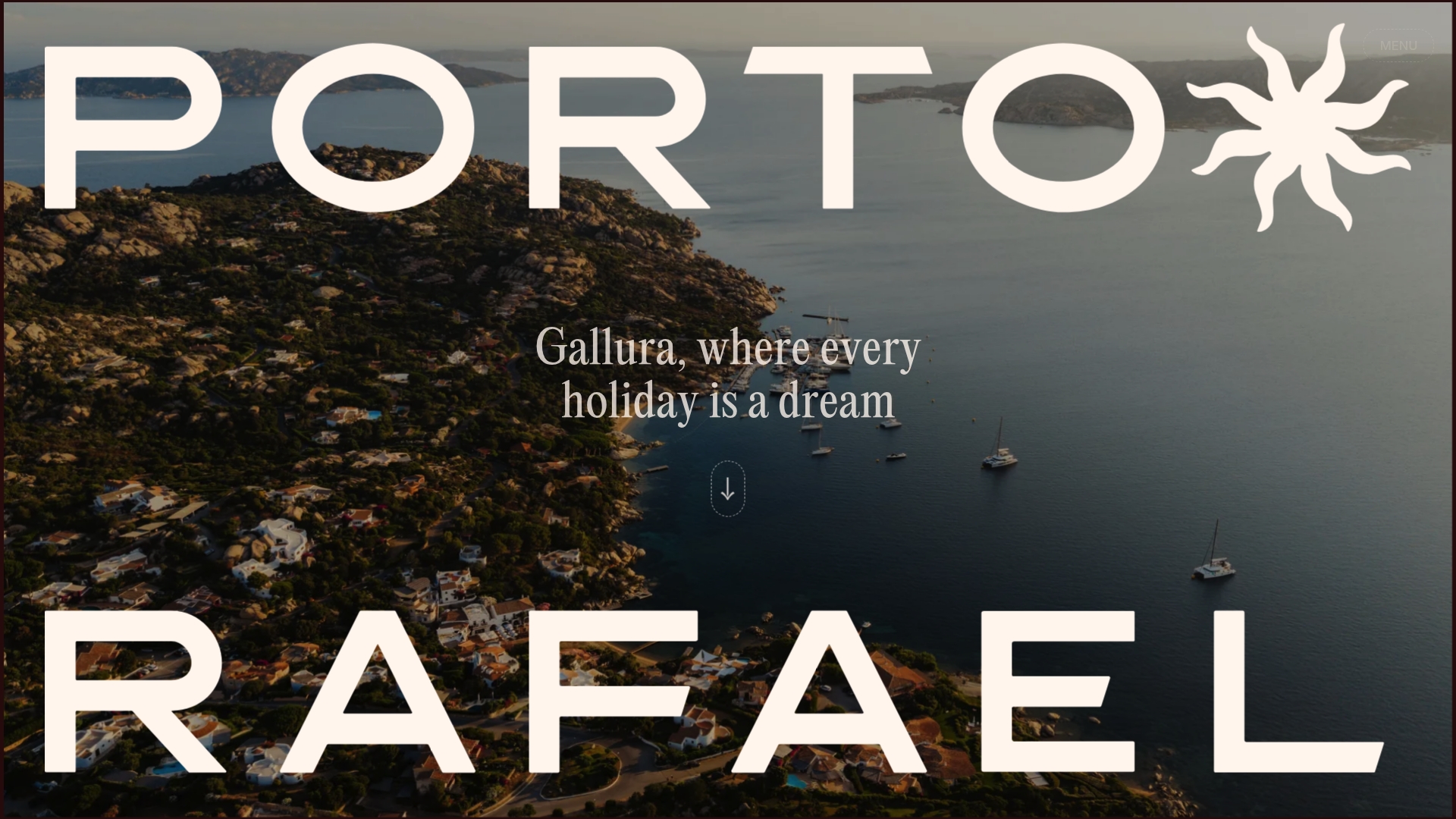
Porto Rafael, the rare gem of Gallura, places you at the heart of northern Sardinia's most captivating coastline, within reach of La Pelosa, Castelsardo, and the La Maddalena Archipelago. The prestige rooms at Hotel La Piazza offer a refined retreat after a day on the trails or the water, with panoramic sea views and an atmosphere of quiet elegance that few places on the island can match.
After a day exploring the coast, the Solaz Restaurant brings Sardinia's finest local ingredients to the table in a setting that feels like a natural extension of the landscape itself. Portorafael is not simply a place to sleep between excursions. It is a destination that deepens the experience of everything around it.
FAQ
What are the best beaches for a Sardinia day trip?
Cala Goloritzé, Cala Mariolu, La Pelosa, and Chia Beach are among the finest options, each offering distinct character ranging from rugged hiking access to shallow turquoise lagoons. The best choice depends on your base and how much physical effort you want to invest.
When is the best time to visit Sardinia's coastal spots?
May, June, and September offer the ideal balance of warm water and manageable crowds. Coastal water temperatures reach 24 to 26°C in July and August, but peak season brings congestion on roads and beaches.
Do I need to book in advance for Sardinia's popular beaches?
La Pelosa requires advance booking and charges an entry fee from June to September. Cala Goloritzé requires a permit with capped daily numbers. Gulf of Orosei boat tours sell out days ahead in summer, so early reservation is strongly advised.
How long does it take to drive between coastal stops in Sardinia?
GPS estimates consistently understate real journey times due to Sardinia's narrow, winding coastal roads. Add 20 to 30 per cent to any predicted drive time, particularly on routes through the Baunei coast or the Sinis Peninsula.
Can I combine hiking and beach visits in a single day?
Yes, and it is one of the most rewarding ways to structure a Sardinian day trip. Pairing a morning hike to Cala Goloritzé or Cala Luna with an afternoon on the water works well, provided you start early and carry sufficient water and sun protection.