
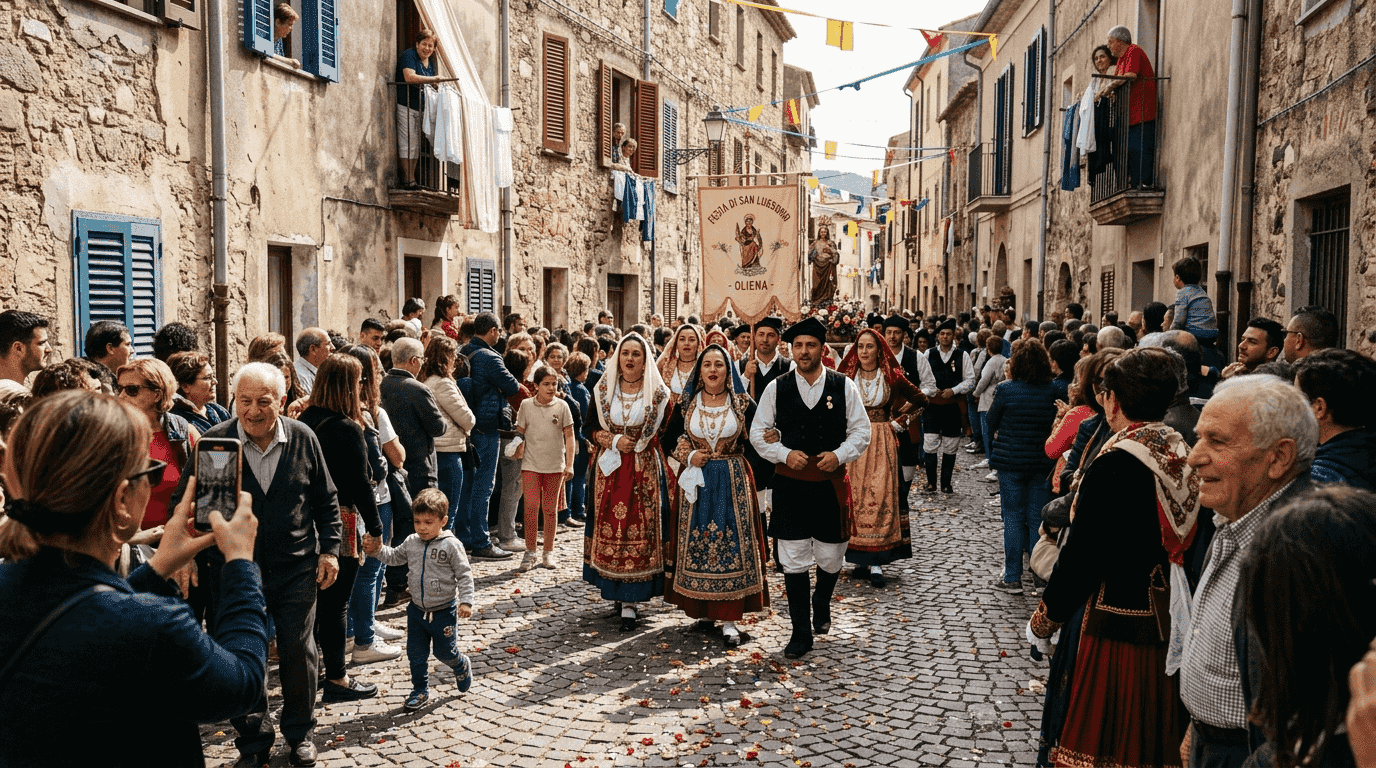
Sardinia's festival calendar offers dozens of events celebrating food, history, music, and traditions, making it challenging to decide which ones deserve your limited travel time. Each festival type delivers unique cultural insights, from sacred processions honoring patron saints to lively wine tastings showcasing Vermentino vintages. This guide breaks down six major festival categories, helping you match your interests with authentic Sardinian experiences. Whether you crave culinary adventures, historical reenactments, or artisan craft markets, understanding festival types ensures you select events that transform your 2026 Sardinia trip into an unforgettable cultural immersion.
Table of Contents
- How To Choose Which Sardinia Festival To Attend
- Religious And Traditional Sardinia Festivals
- Food And Wine Festivals Celebrating Sardinian Gastronomy
- Historical And Folk Festivals With Costumes And Reenactments
- Music, Dance, And Craft Fairs Showcasing Sardinian Arts
- Comparison Of Sardinia Festival Types To Help Plan Your Visit
- Experience Sardinia Festivals With Exceptional Hospitality In Porto Rafael
- FAQ
Key takeaways
| Point | Details |
|---|---|
| Festival diversity | Sardinia hosts religious ceremonies, food tastings, historical parades, music performances, dance events, and craft fairs throughout the year. |
| Interest alignment | Match festival themes to your passions: gastronomy lovers choose wine festivals, history buffs select reenactments, and art enthusiasts explore craft markets. |
| Timing matters | Most traditional festivals occur between April and September 2026, requiring advance planning for accommodations. |
| Immersive opportunities | Many festivals offer hands-on workshops, cooking demonstrations, and participatory dances for deeper cultural engagement. |
| Local authenticity | Smaller village festivals provide more intimate, traditional experiences compared to larger tourist-oriented events. |
How to choose which Sardinia festival to attend
Selecting the right festival starts with identifying your core interests. Food enthusiasts gravitate toward gastronomy celebrations featuring tastings and cooking demos, while history buffs prefer costume parades and reenactments. Timing and specific interests are crucial for selecting festivals that deliver authentic cultural insight. Check festival dates against your 2026 travel schedule, as many events last only one to three days.
Festival scale significantly impacts your experience. Large tourist-focused events offer polished productions with English signage and organized tours, but smaller village celebrations provide intimate encounters with local families and unfiltered traditions. Research whether festivals include interactive elements like workshops, tastings, or dance lessons that transform passive observation into active participation. Accessibility considerations include proximity to your accommodations and availability of public transportation or parking.
Pro Tip: Combine festival visits with complementary activities like cooking classes or artisan workshops to deepen your cultural understanding beyond the event itself.
Consider practical factors such as crowd size, language barriers, and whether advance tickets are required. Some religious festivals welcome spontaneous attendance, while popular food events sell out weeks ahead. Review the Porto Rafael travel guide for lodging options near major festival locations, ensuring you secure comfortable accommodations within easy reach of celebrations.
Religious and traditional Sardinia festivals
Religious festivals form the backbone of Sardinian cultural identity, honoring patron saints through elaborate processions, ritual masses, and community feasts. These events showcase centuries-old traditions passed down through generations, with participants wearing handcrafted costumes specific to their villages. Sardinia's religious festivals blend ancient traditions with community celebrations featuring processions and traditional costumes. Sacred and secular elements intertwine as solemn church ceremonies give way to lively street parties with folk music and dancing.
Traditional costumes steal the spotlight at these festivals, with women donning intricate embroidered bodices and men wearing distinctive vests and caps unique to their hometowns. Processions wind through narrow village streets, accompanied by polyphonic singing and accordion melodies. Communal meals follow religious observances, offering visitors chances to sample local specialties like roasted lamb, pecorino cheese, and honey-soaked pastries prepared according to ancestral recipes.
Key features of religious festivals include:
- Candlelit processions carrying saint statues through town squares
- Traditional folk dances performed in historic costumes
- Blessing ceremonies for harvests, livestock, or fishermen
- Open-air markets selling religious artifacts and local crafts
- Communal feasts where locals share traditional dishes with visitors
These festivals provide profound insights into Sardinian spirituality and social structures. Villages maintain fierce pride in their unique celebration styles, creating distinct experiences even when honoring the same saint. The Church of Santa Rita cultural context illustrates how religious sites anchor community identity. Attending multiple religious festivals across different villages reveals the island's remarkable cultural diversity. Some celebrations occur annually, while others follow multi-year cycles, making timing essential for witnessing rare rituals. The Stazzo heritage events demonstrate how traditional rural life integrates with religious observances.
Food and wine festivals celebrating Sardinian gastronomy
Sardinia's culinary festivals transform towns into open-air restaurants where local producers showcase regional specialties through tastings, cooking demonstrations, and market stalls. Sardinia's food festivals highlight local specialties like Vermentino wine and artisanal cheeses, paired with gourmet experiences. These events celebrate everything from seafood harvests to cheese production, offering immersive experiences for food lovers seeking authentic flavors.
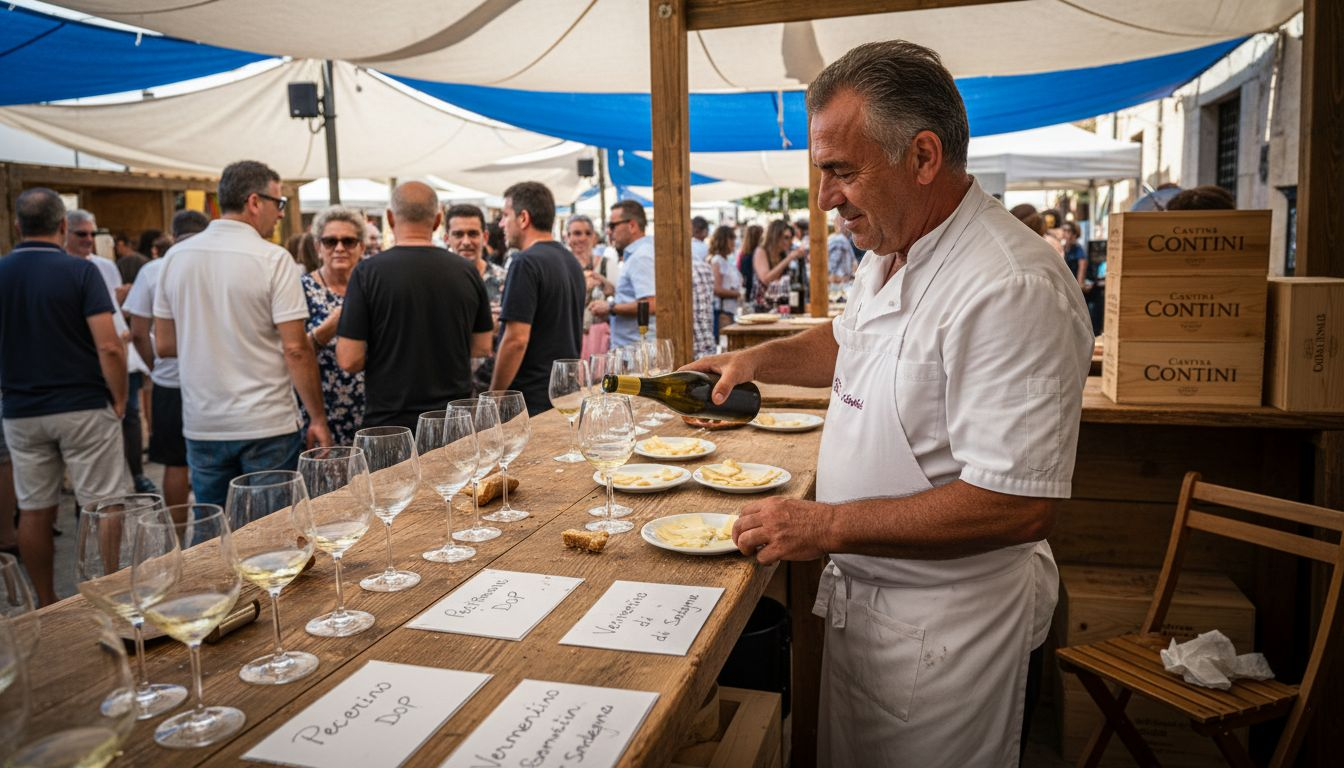
Vermentino wine festivals dominate the Gallura region's calendar, featuring tastings from dozens of local vineyards alongside pairings with traditional dishes. Cheese festivals honor pecorino production, with demonstrations of ancient cheesemaking techniques and competitions judging the finest wheels. Seafood celebrations in coastal towns present fresh catches prepared using generations-old recipes, from grilled octopus to bottarga-topped pasta. Many festivals include live cooking shows where chefs reveal secrets behind iconic Sardinian dishes.
Pro Tip: Arrive early at food festivals to secure spots in popular cooking demonstrations and workshops, which often have limited capacity and fill quickly.
Typical food festival offerings:
- Wine tastings featuring Vermentino, Cannonau, and other indigenous varietals
- Artisan cheese samples with explanations of production methods
- Street food stalls serving porceddu (roasted suckling pig) and culurgiones (stuffed pasta)
- Cooking classes teaching traditional recipes using local ingredients
- Live music and folk dancing creating festive atmospheres
| Festival Type | Signature Foods | Best Months | Typical Duration |
|---|---|---|---|
| Wine celebrations | Vermentino, Cannonau | September-October | 2-3 days |
| Cheese festivals | Pecorino, ricotta | May-June | 1-2 days |
| Seafood events | Tuna, lobster, bottarga | July-August | 2-4 days |
These gastronomic celebrations offer more than tastings; they provide context about agricultural traditions, family recipes, and the relationship between land and cuisine. Attending a Sardinian cooking class before or after festivals enhances appreciation for techniques demonstrated at events. The Vermentino wine festivals specifically showcase how terroir influences flavor profiles, with sommeliers explaining characteristics unique to different vineyard microclimates.
Historical and folk festivals with costumes and reenactments
Historical festivals transport visitors to Sardinia's past through elaborate costume parades, battle reenactments, and ritual performances preserving ancient legends. Historical festivals in Sardinia feature elaborate costume parades and reenactments to preserve local legends and traditions. These events center on pivotal moments in regional history or mythological tales passed through oral traditions for centuries.
Participants invest months crafting authentic costumes replicating historical garments down to fabric dyes and stitching patterns. Horse parades showcase skilled riders performing acrobatic feats while dressed as medieval knights or shepherds. Sword demonstrations and mock battles recreate conflicts between villages or resistance against foreign invaders. Ritual dances follow precise choreography unchanged for generations, with movements symbolizing agricultural cycles, courtship customs, or spiritual beliefs.
Historical festival highlights:
- Costume competitions judging authenticity and craftsmanship of traditional garments
- Equestrian displays featuring breeds native to Sardinia performing choreographed routines
- Theatrical reenactments of founding legends or historical battles with scripted dialogue
- Processions recreating ancient wedding ceremonies or harvest celebrations
- Workshops teaching traditional crafts like weaving, leatherworking, or metalsmithing
| Festival Focus | Visual Elements | Participation Level | Historical Period |
|---|---|---|---|
| Medieval reenactments | Armor, weapons, banners | Moderate (spectator-focused) | 1000-1500 CE |
| Folk traditions | Embroidered costumes, ritual objects | High (interactive dances) | Pre-Roman to present |
| Agricultural cycles | Harvest tools, seasonal decorations | High (hands-on activities) | Ancient traditions |
These festivals occur sporadically, with some annual events and others happening every few years or even decades. The History of Porto Rafael provides context for understanding how coastal communities developed distinct cultural practices. Timing your visit to coincide with rare historical festivals requires advance research and flexible scheduling, but rewards you with once-in-a-lifetime cultural encounters unavailable through typical tourism channels.
Music, dance, and craft fairs showcasing Sardinian arts
Artistic festivals celebrate Sardinia's creative traditions through music performances, dance exhibitions, and craft markets displaying handmade goods. Traditional polyphonic singing, known as canto a tenore, takes center stage at music festivals, with male quartets performing harmonies recognized by UNESCO as intangible cultural heritage. Folk instruments like launeddas (triple-pipe reed instruments) and accordion provide accompaniment for dances unique to specific villages.
Dance festivals showcase distinctive Sardinian steps and formations, from circle dances symbolizing community unity to couples' dances depicting courtship rituals. Performers wear traditional costumes adding visual splendor to rhythmic movements passed through generations. Sardinian music festivals highlight traditional songs and dances, while craft fairs exhibit local artisans' work. Craft fairs complement performances by presenting handmade textiles, ceramics, jewelry, and woodwork created using ancestral techniques.
Artistic festival features:
- Live polyphonic singing performances demonstrating complex four-part harmonies
- Traditional dance workshops teaching visitors basic steps and formations
- Artisan demonstrations showing basket weaving, pottery throwing, and textile dyeing
- Market stalls selling handcrafted goods directly from makers
- Evening concerts blending traditional and contemporary Sardinian music
These festivals foster cultural exchange as locals share artistic knowledge with visitors through interactive workshops. You can try your hand at weaving, learn basic dance steps, or observe master craftspeople creating intricate pieces. The Labenoi Atelier arts festival exemplifies how contemporary artists reinterpret traditional motifs, creating bridges between past and present. Purchasing crafts directly from artisans supports local economies while providing authentic souvenirs with stories behind their creation.
Comparison of Sardinia festival types to help plan your visit
Understanding differences between festival categories helps you select events matching your interests, schedule, and desired experience level. This comparison synthesizes key characteristics to guide decision-making for your 2026 Sardinia trip.
| Festival Type | Primary Focus | Best For | Typical Timing | Atmosphere | Cost Level |
|---|---|---|---|---|---|
| Religious/Traditional | Spiritual rituals, processions | Culture seekers, photography | Year-round, peak in spring | Solemn to celebratory | Free to low |
| Food & Wine | Tastings, cooking demos | Culinary enthusiasts | May-October | Lively, social | Moderate |
| Historical | Costume parades, reenactments | History buffs, families | Summer months | Educational, visual | Low to moderate |
| Music & Dance | Performances, workshops | Arts lovers, active participants | Spring-fall | Energetic, interactive | Low |
| Craft Fairs | Artisan markets, demonstrations | Shoppers, hands-on learners | Year-round | Relaxed, browsing | Variable (purchases) |
Religious festivals offer the most authentic glimpses into community life but require cultural sensitivity and patience for lengthy ceremonies. Food festivals provide immediate sensory gratification through tastings but can feel crowded during peak hours. Historical reenactments deliver visual spectacle ideal for photography but may have language barriers in explanatory content. Music and dance events encourage participation, making them excellent for social travelers comfortable stepping outside comfort zones. Craft fairs suit independent exploration at your own pace with tangible takeaways.
Consider combining festival types during extended stays. A week-long visit might include a Sunday religious procession, a midweek food festival, and a weekend craft fair, providing diverse cultural perspectives. Proximity between events varies, so check distances when planning multi-festival itineraries. Some regions host complementary festivals on consecutive weekends, allowing efficient cultural immersion within compact timeframes.
Experience Sardinia festivals with exceptional hospitality in Porto Rafael
After immersing yourself in Sardinian festivals, retreat to Porto Rafael's boutique accommodations offering comfort and convenience near major cultural events. The Charme room accommodations provide elegant spaces to relax between festival days, with modern amenities complementing traditional Sardinian architecture. Porto Rafael's location in Gallura positions you within easy reach of the region's most celebrated festivals while maintaining a tranquil atmosphere away from tourist crowds.
Enhance your festival experiences by booking Sardinian cooking class experiences that deepen your understanding of culinary traditions encountered at food festivals. After festival days, unwind at Solaz Porto Rafael gourmet restaurant, where chefs prepare authentic Sardinian dishes using techniques and ingredients celebrated at regional events. The combination of festival immersion and Porto Rafael's hospitality creates a comprehensive cultural journey.
Pro Tip: Book accommodations early during festival season to secure the best rooms, as Porto Rafael's boutique hotels fill quickly when major cultural events occur nearby.
FAQ
What are the most famous Sardinia festivals for food lovers?
Vermentino wine celebrations in Gallura and seafood festivals along the coast rank among the most popular culinary events. These festivals feature extensive tastings, cooking demonstrations by local chefs, and market stalls selling artisanal products. Many include hands-on cooking classes teaching traditional recipes. Visit the Porto Rafael gastronomy page for dining options that complement festival experiences.
When is the best time to visit Sardinia for traditional festivals?
Spring and summer months from April through September host the majority of traditional festivals, offering warm weather and the fullest cultural calendar. Religious festivals occur year-round but concentrate around Easter and patron saint feast days in summer. Fall wine festivals in September and October provide excellent alternatives with fewer crowds and pleasant temperatures.
Can visitors participate in Sardinian folk festival activities?
Most festivals welcome visitor participation in dances, workshops, and tastings, viewing cultural exchange as enriching for everyone. Dance instructors often teach basic steps before performances, and craft demonstrations encourage hands-on attempts. Taking a Sardinian cooking class before attending food festivals enhances your ability to appreciate and participate in culinary demonstrations. Locals appreciate respectful engagement with their traditions.
Are Sardinia festivals family-friendly?
The vast majority of Sardinian festivals are family-friendly, featuring activities suitable for all ages and communal meals welcoming children. Religious processions, craft fairs, and food festivals typically accommodate families with stroller access and child-appropriate programming. Check specific event details for activities designed for younger participants, as some historical reenactments or evening music performances may appeal more to adults.