
TL;DR:
- Off-grid stays in Sardinia include glamping tents, yurts, tiny houses, and rustic farmhouses near natural reserves and beaches. These retreats focus on authentic experiences, silence, and natural beauty, with seasonal variation affecting the atmosphere. They are accessible via transfers, cycling, or car, offering wellness activities like yoga, trekking, and holistic treatments.
Sardinia off-grid relaxation options are defined as immersive stays in natural, remote settings that rely on the island's landscapes, traditions, and slower rhythms rather than mainstream tourism infrastructure. These experiences range from glamping tents in maritime pine forests to rustic farmhouses, tiny houses, and yurts tucked between ancient olive groves. Sardinia's natural reserves, secluded beaches, and cultural heritage sites provide the backdrop that makes these stays genuinely restorative. What separates them from a typical resort holiday is the quality of silence, the scent of wild herbs, and the feeling that the island belongs entirely to you.
1. What types of off-grid accommodations are available in Sardinia?
Sardinia offers a wider range of alternative lodging than most travellers expect. The island's varied terrain, from coastal pine forests to inland agricultural valleys, supports accommodation styles that suit very different personalities and budgets.
- Luxury glamping tents. These canvas structures sit at the edge of maritime pine forests, often within walking distance of the sea. They combine proper beds, private terraces, and natural ventilation with the sounds and scents of the forest. The glamping experience in Sardinia is particularly well developed near Pula in the south.
- Design-led tiny houses. Compact, architect-designed structures with panoramic verandas and wood-burning stoves for warmth. Some eco-conscious retreats heat rooms entirely through sustainable fuel, creating an authentic off-grid ambiance without sacrificing comfort.
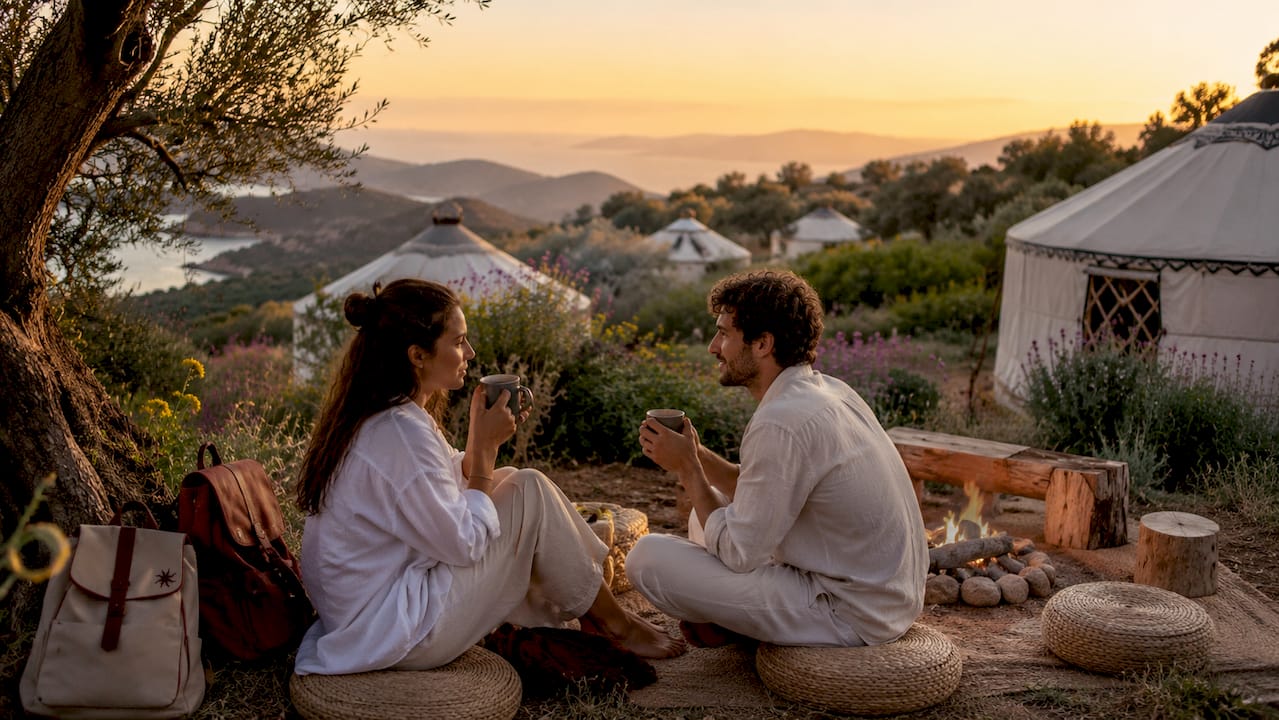
- Traditional yurts. Circular, felt-lined structures placed between olive trees or near animal paddocks. Yurts offer a cosy, peaceful stay that appeals to families and couples who want to slow down and feel genuinely close to the land.
- Rustic farmhouses and eco-farms. Properties near Bosa and the La Maddalena Archipelago combine farm-to-table cooking with alpaca walks, horse experiences, and hands-on contact with working agricultural life.
- Traditional camping. Some sites balance genuine remoteness with basic shared facilities, making them the most affordable entry point into Sardinia's nature getaways.
Pro Tip: Book yurt and tiny house stays at least three months ahead for the spring and early autumn seasons. These categories sell out faster than standard glamping tents because supply remains limited.
2. Where are the best locations in Sardinia for off-grid retreats?
Geography shapes the off-grid experience as much as the accommodation itself. Sardinia's most rewarding remote relaxation spots share one quality: they feel genuinely removed from the tourist circuit while remaining reachable.
| Location | Key natural feature | Nearest cultural landmark |
|---|---|---|
| Pula, south coast | Maritime pine forest, white dunes of Chia | Ancient ruins of Nora |
| Is Cannoneris reserve | Native wildlife, oak and cork forests | Prehistoric nuraghe trails |
| Bosa, west coast | River estuary, painted medieval houses | Malaspina Castle |
| La Maddalena Archipelago | Granite sea stacks, turquoise coves | Garibaldi's historic home on Caprera |
| Gallura, north | Juniper scrubland, panoramic sea views | Porto Rafael village |
The southern coast near Pula is the most developed area for off-grid stays. Pristine beaches, dunes, and natural reserves rich with wildlife sit within minutes of forest-edge retreats. The Is Cannoneris reserve adds a layer of ecological depth, with native deer, wild boar, and golden eagles visible on guided trails.
The Gallura region in the north offers a different character entirely. The granite landscape is wilder and more austere, the sea a deeper shade of blue. Porto Rafael, a rare gem of a village in this area, sits above crystalline waters and offers a sense of timeless tranquillity that few places on the island match. Travellers who choose coastal accommodation in Gallura often describe it as the most serene decision of their trip.
3. Which wellness activities complement Sardinia's off-grid escapes?
Off-grid retreats in Sardinia are not passive experiences. The island's terrain and traditions actively support physical and mental restoration through a range of wellness practices.
- Outdoor yoga. Coastal and forest settings provide natural platforms for morning sessions. The top coastal yoga spots in Sardinia combine sea views with the grounding effect of pine-scented air, making practice feel qualitatively different from a studio class.
- Guided trekking. Trails through oak and cork forests, particularly in the Is Cannoneris area, offer multi-hour walks that combine physical effort with genuine immersion in native Sardinian flora and fauna.
- Kayaking and snorkelling. Secluded coves and quiet beaches accessible from off-grid sites allow travellers to explore the coastline at their own pace, without boat tours or crowds.
- Holistic treatments. The Sanadora Holistic Retreat in Santulussurgiu offers customised wellness programmes rooted in Sardinian ancient medicinal practices. Treatments include herbal massages using medicated sachets, energy harmonisation sessions, and personalised consultations designed to restore vitality.
- Slow farm living. Interaction with alpacas, horses, and working farm animals provides a form of mental restoration that structured wellness programmes rarely replicate. The rhythm of agricultural life, feeding animals at dawn and gathering herbs before lunch, recalibrates the nervous system in ways that are difficult to quantify but easy to feel.
- Adventure activities. For travellers who relax through movement, horse riding, windsurfing, and kitesurfing are available through local clubs near most off-grid sites on the southern and western coasts.
Pro Tip: Combine a morning trekking session with an afternoon holistic treatment on the same day. The physical exertion deepens the effect of bodywork treatments, and most retreat operators will schedule both if you ask in advance.
4. How does seasonality affect off-grid relaxation in Sardinia?
Timing a visit to Sardinia's remote spots changes the experience entirely. Each season offers a distinct character, and choosing the right one depends on what kind of restoration you are seeking.
-
Spring (april to may). This is the finest period for trekking and forest immersion. Landscapes are vivid green, wildflowers cover the hillsides, and temperatures stay cool enough for long walks without fatigue. Spring and early autumn consistently deliver the best conditions for off-grid relaxation, with fewer visitors than the summer peak.
-
Early summer (june). The sea warms quickly and the light turns golden. Crowds begin to build on the main tourist beaches, but off-grid sites remain relatively quiet. This window suits travellers who want warm water without the intensity of high season.
-
High summer (july to august). Sardinia's dry warmth is ideal for sea-based activities, but popular coastal areas become busy. Off-grid retreats in forested or inland locations retain their tranquillity better than beachfront resorts. Early morning activities, before 9AM, preserve the sense of solitude.
-
Early autumn (september to october). Sea temperatures remain warm from the summer, while tourist numbers drop sharply. Autumn's golden light adds a particular quality to the landscape that photographers and slow travellers prize above all other seasons. This period is ideal for combining sea swimming with trekking and wellness treatments.
-
Late autumn and winter. Most glamping and eco-farm sites close between november and march. A small number of farmhouses and inland retreats remain open, offering a genuinely solitary experience for travellers comfortable with cooler temperatures and reduced facilities.
For travellers planning their first off-grid visit, off-season travel in Sardinia offers a compelling case. The island's personality shifts in quieter months, revealing a warmth and authenticity that the summer crowds inevitably dilute.
5. Practical access: getting to remote relaxation spots in Sardinia
Reaching off-grid sites does not require a hire car, though having one expands your options considerably. Several retreat operators offer transfer services for guests arriving without personal vehicles, arranging pick-ups from nearby towns or airports. This makes eco-friendly vacations in Sardinia genuinely accessible even for travellers who prefer not to drive.
Cycling is a realistic option for sites within 10–15 kilometres of a town or railway station. Sardinia's interior roads carry light traffic outside summer, and the terrain, while hilly, rewards the effort with views that no car window can frame properly. For the most remote spots in the Is Cannoneris reserve or the Gallura highlands, a car or organised transfer remains the most practical choice.
What I have learnt from Sardinia's off-grid places
The first thing that surprises you about genuine off-grid stays in Sardinia is how quickly the silence becomes comfortable. Most travellers arrive expecting to miss their usual conveniences. Within 48 hours, the birdsong at dawn and the absence of artificial light at night stop feeling like deprivations and start feeling like the point.
What I have found, across different seasons and different parts of the island, is that the retreats which work best are the ones that do not try to replicate a hotel experience in a tent. The wood-burning stove that takes ten minutes to light, the outdoor shower that runs cold for the first thirty seconds, the farm breakfast that depends on what the hens produced that morning: these small imperfections are precisely what makes the stay memorable. Comfort matters, but authenticity matters more.
The Gallura region, where Portorafael sits above the sea in the north, offers something that the more developed southern retreats sometimes lack: a sense that the place has not been arranged for your benefit. The granite boulders, the juniper scrub, the colour of the water at midday. None of it performs. It simply exists, and you are fortunate enough to be present.
My practical advice is this: arrive with fewer expectations about what you will do and more curiosity about what the place will show you. The best off-grid experiences in Sardinia are not scheduled. They happen in the hour before dinner when the light changes, or on a path you took by accident that led to a cove with no name.
— Studio
Portorafael: where nature and refinement meet in Sardinia
For travellers who want the spirit of an off-grid escape without entirely leaving comfort behind, Portorafael offers a rare combination in the Gallura region of northern Sardinia.
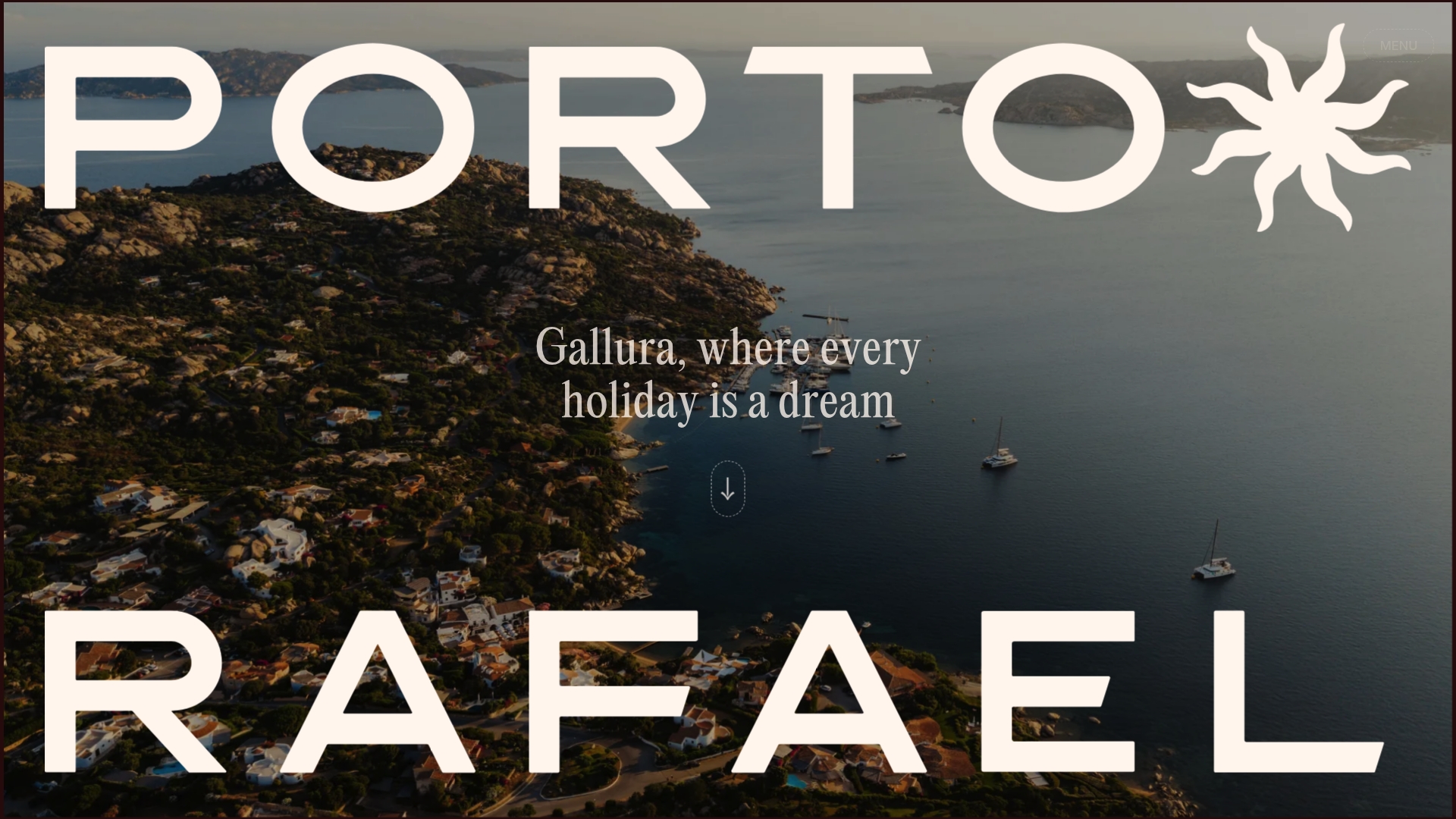
The Labenoi Atelier brings a design-led boutique sensibility to Porto Rafael, blending creativity and natural beauty in a setting that feels genuinely removed from the tourist mainstream. For those seeking a tranquil hotel stay with panoramic sea views and personalised service, the Principe suite at Hotel La Piazza provides an elegant base from which to explore the surrounding coastline, coves, and cultural landmarks of the Gallura. Booking is straightforward through the Portorafael website, where the team can assist with activity planning and local recommendations.
FAQ
What is off-grid relaxation in Sardinia?
Off-grid relaxation in Sardinia means staying in natural, remote settings with minimal reliance on mainstream tourism infrastructure. Accommodation types include glamping tents, yurts, tiny houses, and rustic farmhouses, all positioned close to the island's reserves, forests, and secluded beaches.
When is the best time to visit Sardinia for an off-grid retreat?
Spring (april to may) and early autumn (september to october) offer the best conditions, combining pleasant temperatures, vivid landscapes, and fewer visitors than the summer peak. Early autumn is particularly valued for its warm sea temperatures and golden light.
Do I need a car to reach off-grid sites in Sardinia?
Not always. Several retreat operators provide transfer services for guests without personal vehicles, and cycling is practical for sites near towns or railway stations. For the most remote reserves and highland locations, a car or organised transfer is the most reliable option.
What wellness activities are available at Sardinian off-grid retreats?
Activities include outdoor yoga, guided trekking through native forests, kayaking, snorkelling, and holistic treatments rooted in Sardinian medicinal traditions. Some retreats also offer farm animal interaction and slow living experiences for mental restoration.
Are Sardinia's off-grid accommodations suitable for families?
Yes. Yurts and eco-farms in particular suit families well, offering child-friendly activities such as alpaca walks, horse experiences, and farm-to-table cooking. Glamping tents with proper beds and private outdoor spaces also provide comfort for families travelling with younger children.