
TL;DR:
- Relaxation tourism focuses on rest, stress relief, and rejuvenation through unstructured, calming experiences. It emphasizes natural environments, sensory downshifting, and minimal decision-making for lasting wellbeing benefits. Portorafael in Sardinia exemplifies this approach with its tranquil setting and slow, restorative activities.
Relaxation tourism is defined as voluntary travel undertaken primarily to achieve rest, stress relief, and physical or psychological rejuvenation, and it represents one of the most significant and fastest-growing segments within the broader wellness tourism industry. Unlike sightseeing or adventure travel, it places unstructured time and serene environments at the centre of the experience rather than activity accumulation. Trends such as "calmcations," healing retreats in the Maldives, and nature-immersion programmes in Sardinia all fall under this definition. The term "wellness tourism" is the recognised industry umbrella, and relaxation tourism sits firmly within it, focusing specifically on the restorative dimension of travel.
What is relaxation tourism and how does it differ from other travel?
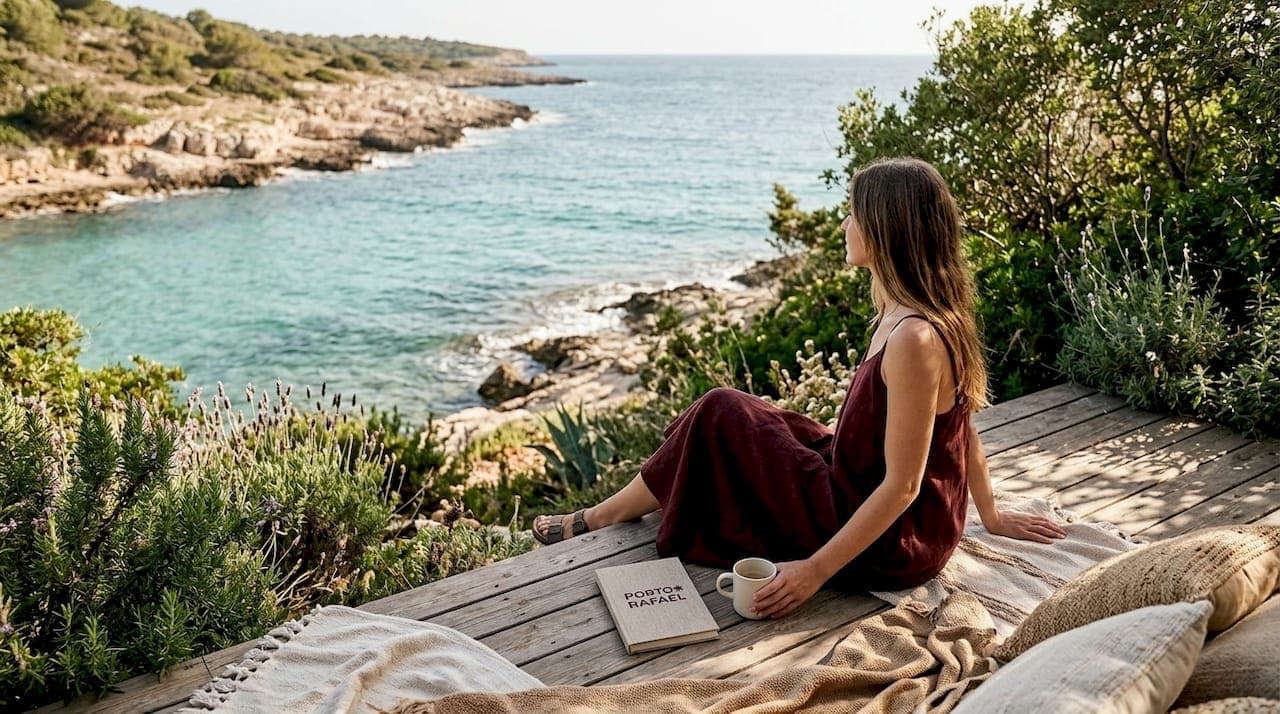
Relaxation tourism is travel whose primary intent is disengagement from daily stressors rather than the accumulation of new experiences. This distinction matters more than it might appear. A traveller visiting Rome to see the Colosseum and tick off restaurants is pursuing enrichment. A traveller who books a quiet villa in Gallura, keeps the itinerary deliberately sparse, and spends mornings watching the sea is practising relaxation tourism. The intent shapes every decision, from destination to daily schedule.
The most telling contrast is with conventional holiday travel, which often mirrors the pace of working life. Packed itineraries, constant decision-making, and the pressure to "make the most" of a trip can leave travellers more fatigued on return than when they departed. Calmcations address this directly by designing trips around fewer decisions, unstructured time, and deliberate disconnection features such as no-WiFi zones and analogue social interactions.
Relaxation tourism also differs from wellness tourism in its narrower focus. Wellness tourism extends into medical, fitness, and spiritual dimensions. Relaxation tourism concentrates on the restorative end of that spectrum, where the goal is nervous system recovery, mood restoration, and genuine rest. Light activities such as yoga, gentle coastal walks, or slow dining are welcome, but they serve the rest rather than replace it.
- Intentional disengagement: The trip is designed around reducing decisions, not multiplying them.
- Sensory downshifting: Environments prioritise quiet, natural light, and unhurried rhythm over stimulation.
- Unstructured time: Days are loosely shaped rather than scheduled hour by hour.
- Analogue interactions: Conversation, reading, and observation replace screen time and digital connectivity.
- Light activity as support: Yoga, meditation, or gentle swimming complement rest rather than compete with it.
Pro Tip: Before booking, ask the property directly how much of the daily programme is optional. A resort that schedules every hour, even with spa treatments, may undermine the very rest you are seeking.
Which destinations are best suited for relaxation travel experiences?
Environment is not incidental to relaxation tourism. It is the mechanism. The right setting lowers cortisol before a single treatment is booked, and nature's role in restful travel is well established in both research and traveller experience.
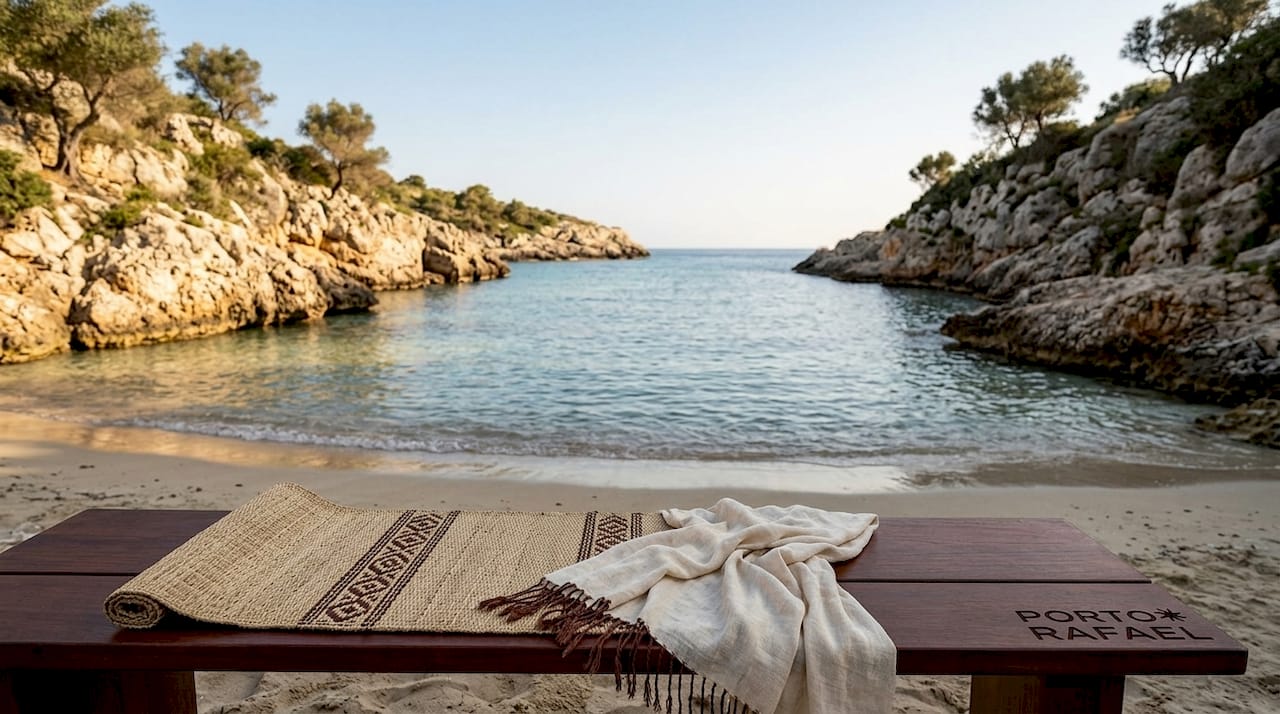
Coastal destinations consistently rank among the most restorative. The combination of natural light, the sound of water, and reduced urban noise creates conditions that support parasympathetic nervous system activation. Destinations such as the Maldives, the Caribbean, and the Sardinian coastline draw relaxation travellers precisely because the environment does much of the restorative work before any formal activity begins. Nearly two-thirds of Americans who took a relaxation trip in the past year chose serene coastal or island environments as their setting of choice. This reflects a near-universal instinct that the sea and open horizons are restorative in ways that cities rarely match.
In China, a parallel trend called "healing travel" has emerged, emphasising emotional tone, atmospheric comfort, and a slower pace in quiet rural retreats. Travellers are choosing destinations based on the feeling a place evokes rather than the attractions it offers. Tranquil streets, unhurried villages, and natural scenery outrank museums and monuments in this framework.
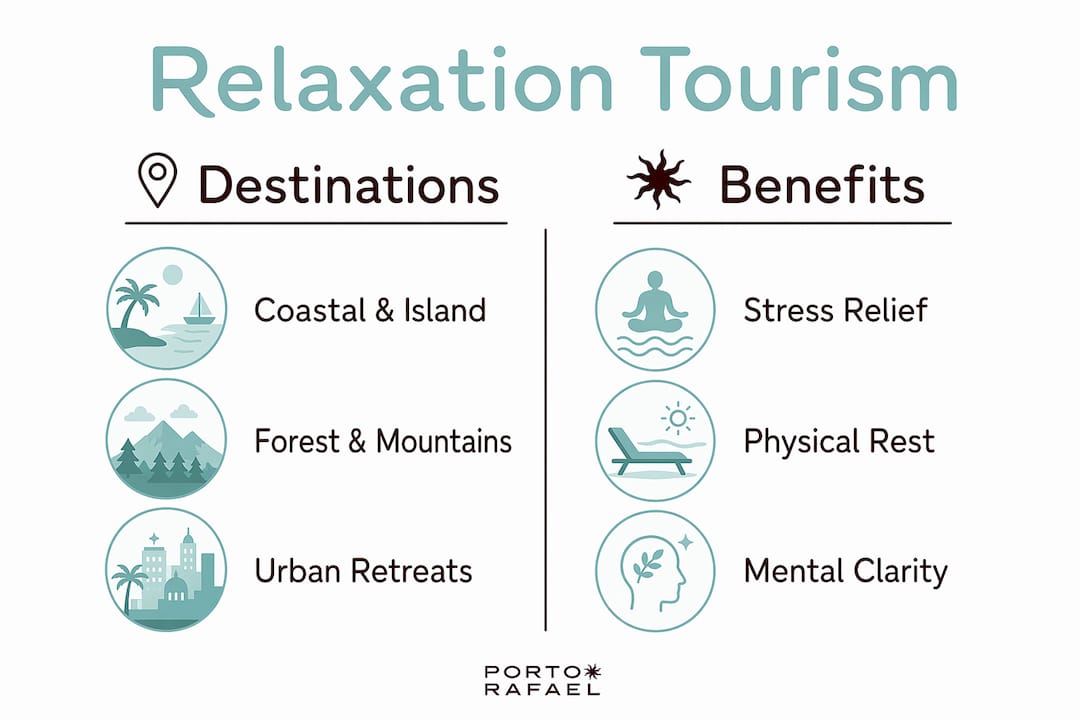
| Destination type | Key qualities | Best suited for |
|---|---|---|
| Coastal and island | Sea air, natural light, open horizons | Deep rest, sensory downshifting |
| Mountain and forest | Silence, cool air, nature immersion | Nervous system recovery, digital detox |
| Rural and village | Slow pace, local culture, minimal crowds | Analogue living, gentle exploration |
| Dedicated wellness resort | Structured facilities, spa, no-WiFi zones | Guided recovery, sound healing, hydrotherapy |
Pro Tip: When comparing destinations, prioritise the absence of noise over the presence of amenities. A property with fewer facilities but genuine quiet will deliver more restorative value than a busy resort with an impressive spa menu.
What health and wellbeing benefits does relaxation tourism provide?
The benefits of relaxation tourism are measurable, not merely felt. Vacation travel significantly improves relaxation, health, and subjective wellbeing, with positive effects documented in cardiovascular health, mood, and life satisfaction. What makes this finding particularly striking is its duration.
Research finding: Benefits from a well-designed relaxation trip can persist for up to 30 days after the journey ends. This means a single week of genuine rest can alter your physiological and emotional baseline for an entire month.
The physiological mechanism behind this is the activation of the parasympathetic nervous system, sometimes called the "rest and digest" system. Immersive relaxation reduces cortisol and shifts the body away from the chronic low-level stress response that characterises modern working life. Practices such as yoga, meditation, and nature retreats accelerate this shift, which is why wellness tourism enhances mental health through precisely these mechanisms.
Beyond the physiological, the social and emotional benefits are equally significant. Relaxation travel creates space for reflection, reconnection with companions, and the kind of unhurried conversation that busy schedules rarely permit. Health benefits extend beyond the trip itself, improving life satisfaction and emotional wellbeing for weeks afterwards. For travellers who view holidays as a luxury rather than a necessity, this evidence reframes the question entirely.
Which activities define a relaxation tourism experience?
Relaxation tourism activities share a common quality: they reduce rather than increase cognitive and physical load. The most effective programmes blend passive rest with light-touch practices that guide the nervous system towards recovery without demanding effort.
Typical offerings at dedicated wellness destinations include:
- Spa and bodywork: Massage, hydrotherapy, and sauna treatments that release physical tension and encourage stillness.
- Sound healing: An increasingly common feature at resorts such as Joali Being, where dedicated sound rooms use resonance to support deep relaxation.
- Meditation and breathwork: Guided sessions that train attention away from ruminative thought patterns and towards present-moment awareness.
- Gentle yoga and movement: Not fitness-oriented classes but slow, restorative practices that release held tension without raising heart rate significantly.
- Slow dining: Meals designed to be unhurried, flavourful, and culturally immersive, supporting disengagement from the pace of ordinary life.
- Nature immersion: Unstructured time in natural settings, whether coastal, forested, or rural, which research consistently links to reduced stress markers.
The distinction between passive and active relaxation matters here. Destinations such as Bintan in Indonesia demonstrate that combining endurance activities with tropical recovery can work for certain travellers, but only when the restorative elements are given equal weight. For most relaxation tourists, the balance tips firmly towards stillness, with activity serving as a gentle complement rather than a centrepiece.
How to enjoy relaxation tourism for lasting wellbeing benefits
Planning a relaxation trip well is the difference between returning genuinely restored and returning merely rested for a day or two. The following approach reflects what research and experience consistently support.
- Choose environment first. Select a destination whose natural setting does restorative work before any programme begins. Coastal locations, quiet villages, and nature-rich retreats offer this by default.
- Prioritise time architecture. Look for properties that build unstructured time into the day rather than filling every hour with optional activities. Resorts that minimise decisions and schedules produce measurably better recovery outcomes.
- Seek disconnection features. No-WiFi zones, blackout rooms, and sensory downshifting environments support nervous system recovery more effectively than optional relaxation activities alone.
- Allow sufficient duration. Short, itinerary-heavy trips lack the durable recovery impact of multi-day relaxation stays. Aim for a minimum of five to seven days to allow the body and mind to genuinely downregulate.
- Practise digital sobriety. Commit to reducing screen time before and during the trip. Analogue interactions, physical books, and unhurried conversation are not nostalgic affectations. They are the substance of genuine rest.
- Balance activity with stillness. Incorporate one or two light practices such as morning yoga or a coastal walk, but resist the temptation to fill the remaining hours. The benefits of boutique coastal stays are amplified when guests allow themselves to simply be present.
Pro Tip: Avoid any package that describes itself as "action-packed relaxation." The phrase is a contradiction. Genuine recovery requires the absence of urgency, not a curated sequence of calming activities delivered on a tight schedule.
Why relaxation tourism deserves to be taken seriously
My view, shaped by years of observing how travellers return from different kinds of holidays, is that relaxation tourism is the most misunderstood category in travel. People book it apologetically, as though choosing rest over adventure requires justification. It does not.
The rise of calmcations reflects something the travel industry has been slow to acknowledge: that a significant portion of travellers are not seeking stimulation. They are seeking its opposite. Silence, unhurried mornings, and the freedom to do nothing of consequence are not signs of a wasted holiday. They are the conditions under which genuine recovery becomes possible.
What I have observed is that the most effective relaxation experiences share one quality that no spa menu can manufacture: the absence of obligation. Resorts that understand this build it into their physical design, their daily rhythm, and their staff culture. Those that do not, regardless of how impressive their facilities appear, tend to produce guests who leave feeling pleasantly pampered but not truly restored.
The practical implication for travellers is this: choose your destination and property the way you would choose a good night's sleep. Prioritise quiet, darkness, and the absence of interruption over spectacle and variety. The seaside relaxation experiences that stay with people longest are rarely the most elaborate. They are the ones that asked the least of them.
— Studio
Experience relaxation tourism at Portorafael in Sardinia
Porto Rafael, set along the luminous coastline of Gallura in northern Sardinia, embodies the qualities that define relaxation tourism at its finest. The village's unhurried pace, crystalline waters, and refined simplicity create the kind of atmosphere where genuine rest arrives naturally rather than by appointment.
For those who wish to combine restorative downtime with a moment of cultural immersion, Portorafael's Sardinian cooking class offers a rare and calming way to connect with the island's heritage. Preparing traditional dishes with local ingredients in a tranquil setting is, in itself, a form of slow travel at its most rewarding. Explore the full range of experiences at Portorafael and discover how this captivating corner of Sardinia can restore what busy life takes away.
FAQ
What is the definition of relaxation tourism?
Relaxation tourism is travel undertaken primarily to achieve rest, stress relief, and psychological or physical rejuvenation through tranquil environments and restorative activities. It is a recognised subset of wellness tourism, distinguished by its focus on disengagement and unstructured time rather than experience accumulation.
How long do the benefits of a relaxation holiday last?
Research shows that the wellbeing benefits of a well-designed relaxation trip can persist for up to 30 days after the journey ends, with improvements documented in mood, cardiovascular health, and life satisfaction. Longer trips with genuinely unstructured time produce more durable effects than short, itinerary-heavy stays.
What are the most popular relaxation tourism destinations?
Coastal and island destinations such as the Maldives, the Caribbean, and Sardinia consistently attract relaxation travellers due to their natural light, sea air, and unhurried atmosphere. Rural retreats and quiet villages, particularly those offering no-WiFi zones and nature access, are also growing in popularity as part of the calmcation trend.
What activities are typical in relaxation tourism?
Typical relaxation tourism activities include spa treatments, massage, hydrotherapy, sound healing, guided meditation, restorative yoga, slow dining, and unstructured time in natural settings. The most effective programmes blend passive rest with light-touch practices that support nervous system recovery without adding cognitive or physical demand.
How is relaxation tourism different from wellness tourism?
Wellness tourism is the broader industry category encompassing medical, fitness, spiritual, and restorative travel. Relaxation tourism sits within it as a more focused subset, prioritising rest, stress reduction, and sensory downshifting over active health improvement or fitness goals.