
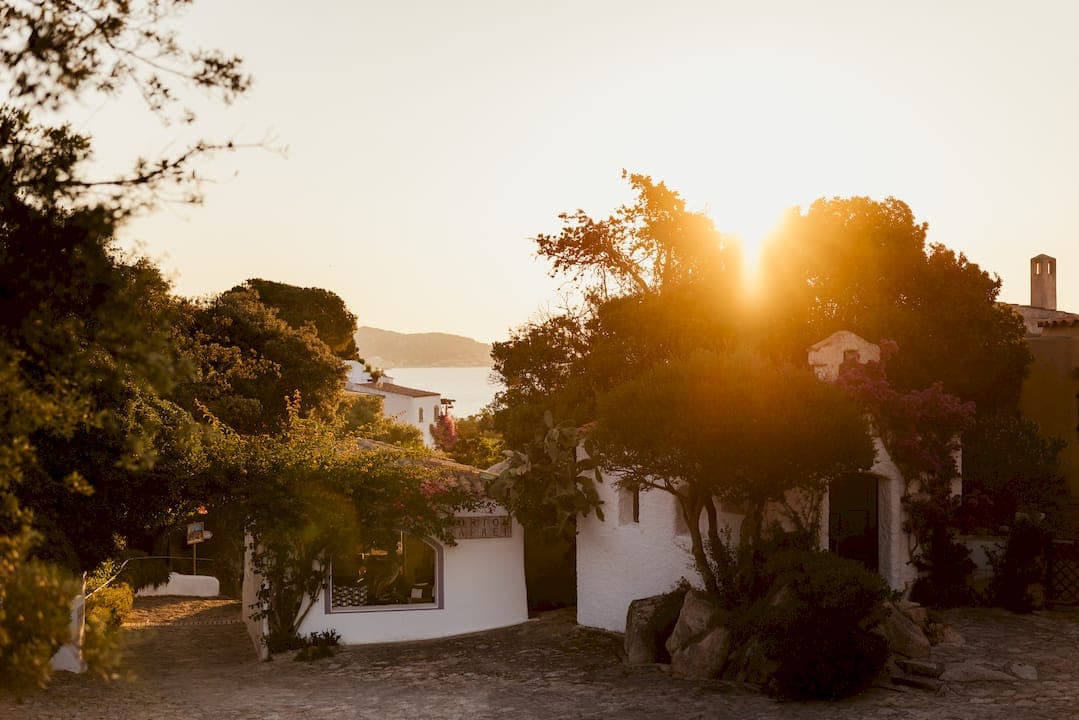
You might think Sardinian villages are just quaint Italian towns, but they’re something far more distinctive. These ancient settlements preserve unique cultural traditions, architectural styles, and ways of life found nowhere else in Italy or the Mediterranean. Each village tells its own story through stone houses, local festivals, and artisanal crafts passed down through generations. From coastal gems perched on granite cliffs to inland hamlets nestled among olive groves, Sardinian villages offer travelers an authentic glimpse into an island culture that has maintained its identity for centuries.
Table of Contents
-
Understanding Sardinian Villages: History, Culture, And Architecture
-
Exploring The Scenic Beauty And Lifestyle Of Sardinian Villages
-
A Comparison Of Sardinian Villages: Coastal Vs. Inland Experiences
-
Experience Sardinian Village Charm With Hotel La Piazza In Porto Rafael
Key takeaways
| Point | Details |
|---|---|
| Unique cultural identity | Sardinian villages maintain distinct traditions, languages, and customs separate from mainland Italy |
| Architectural heritage | Stone houses, narrow alleys, and ancient churches reflect centuries of local building traditions |
| Authentic experiences | Visitors can participate in cooking classes, wine tastings, and traditional festivals |
| Diverse settings | Villages range from dramatic coastal locations to peaceful inland mountain communities |
| Living history | Local artisans and community events keep ancient crafts and customs alive today |
Understanding Sardinian villages: history, culture, and architecture
Sardinian villages carry the weight of multiple civilizations. Phoenicians, Romans, Byzantines, and Spanish rulers all left their mark, yet these communities retained a fiercely independent character. The Nuragic civilization, which flourished from 1800 BC, laid the foundation for settlement patterns still visible today. This layered history created villages that feel both timeless and distinctly Sardinian.
The architecture speaks volumes about village life. Stone houses built from local granite or limestone cluster together along narrow, winding streets designed to provide shade and protection from coastal winds. Many buildings feature thick walls that keep interiors cool during scorching summers. You’ll notice covered walkways, small courtyards, and wooden shutters painted in traditional colors. Churches anchor village centers, often showcasing Romanesque or Baroque styles that reflect periods of Spanish influence.
Cultural traditions remain vibrant in these communities. Sardinian villages preserve centuries-old traditions and local heritage through festivals, religious celebrations, and daily customs. Residents speak Sardinian dialects that vary from village to village, maintaining linguistic diversity that UNESCO recognizes as worthy of protection. Women still practice traditional weaving techniques, creating intricate textiles with patterns unique to their villages.
Typical cultural elements include:
-
Annual patron saint festivals featuring processions, traditional costumes, and communal feasts
-
Artisan workshops producing ceramics, baskets, and jewelry using ancestral methods
-
Folk music performances with launeddas (ancient triple-pipe instruments) and polyphonic singing
-
Community bread ovens where neighbors gather to bake traditional loaves
-
Seasonal agricultural celebrations marking harvests and pastoral cycles
Visiting an exclusive borgo in Sardinia during festival season transforms your experience. You’ll witness authentic traditions rather than tourist performances, joining locals in celebrations that have marked community calendars for generations.
Pro Tip: Plan your visit around Sagra festivals (typically May through September) when villages showcase local foods, wines, and crafts in lively outdoor celebrations that welcome visitors into community life.
Exploring the scenic beauty and lifestyle of Sardinian villages
Geography shapes village character dramatically. Coastal villages cling to dramatic cliffs overlooking turquoise waters, their white stone buildings contrasting sharply with blue seas and sky. Inland villages nestle into rolling hills covered with cork oak forests, olive groves, and vineyards. The Gallura region’s distinctive granite formations create otherworldly backdrops for northern villages, while southern communities spread across gentler plains dotted with ancient olive trees.
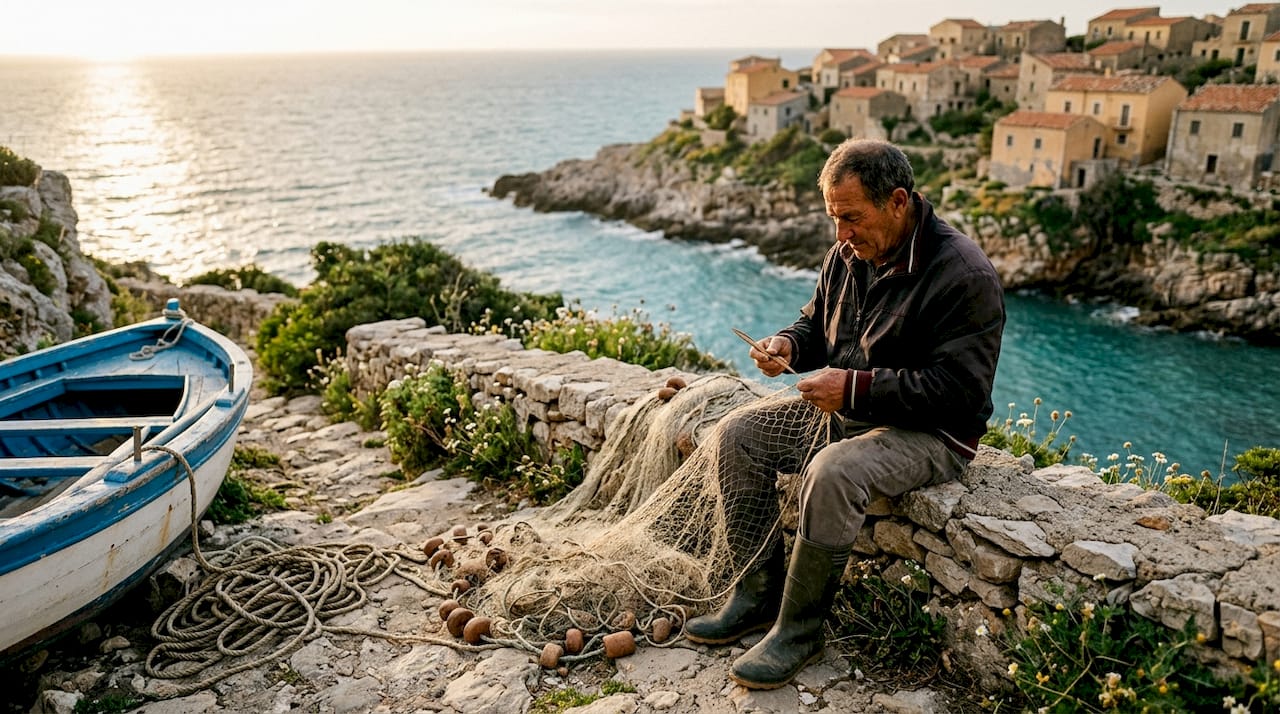
Village life follows rhythms lost in modern cities. Mornings begin with market activity as farmers bring fresh produce, cheeses, and cured meats. Midday brings a pause when shops close and residents retreat from the heat. Evenings see piazzas fill with families, friends gathering at outdoor cafes, and children playing while elders watch from benches. This slower pace isn’t a tourist attraction but genuine daily life.
Artisanal traditions remain economically vital. Shepherds still produce pecorino cheeses using methods unchanged for centuries. Winemakers cultivate indigenous grape varieties like Vermentino and Cannonau in small family vineyards. Bakers prepare pane carasau (crispy flatbread) in wood-fired ovens. These aren’t museum pieces but living practices that sustain communities and define local identity.
Sensory experiences that define village visits:
-
Tasting robust pecorino cheese aged in traditional cellars paired with local honey
-
Sipping Vermentino wine while overlooking vineyard-covered hillsides
-
Browsing workshops where artisans hand-weave textiles using antique wooden looms
-
Inhaling the scent of myrtle and rosemary growing wild along village paths
-
Hearing church bells mark the hours across stone buildings and cobblestone streets
Immersion opportunities abound for engaged travelers. Visitors can enjoy authentic Sardinian cooking classes where local cooks share family recipes and techniques. You’ll learn to make culurgiones (stuffed pasta), porceddu (roasted suckling pig), and seadas (honey-drizzled pastries) using ingredients from village markets. Wine experiences introduce you to winemakers who explain terroir and traditional production methods.
Experiencing gourmet local cuisine in village settings connects you directly to Sardinian food culture. Small restaurants source ingredients from surrounding farms and seas, creating menus that change with seasons and daily catches.
Pro Tip: Visit village markets early (before 10 AM) when selection is best and vendors have time to share stories about their products, offering insights into local agriculture and food traditions you won’t find in guidebooks.
A comparison of Sardinian villages: coastal vs. inland experiences
Choosing between coastal and inland villages depends on what aspects of Sardinian culture most interest you. Each type offers distinct advantages and atmospheres that appeal to different traveler preferences.
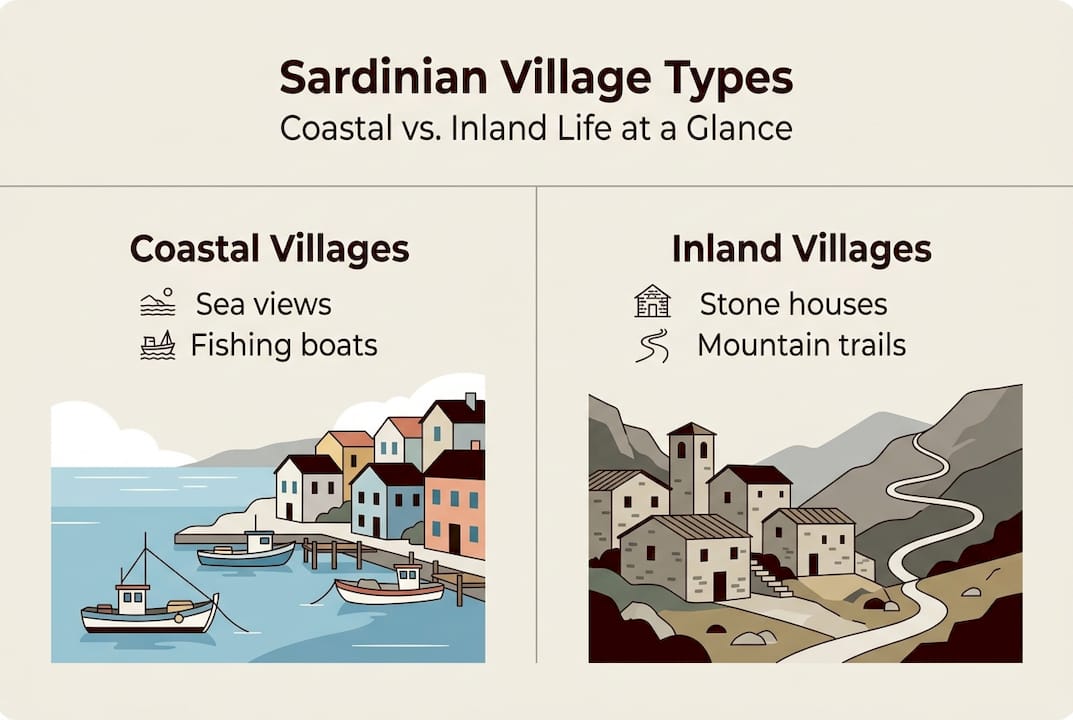
| Feature | Coastal Villages | Inland Villages |
|---|---|---|
| Primary setting | Cliffs, coves, beaches, harbors | Hills, valleys, forests, plains |
| Climate | Moderate with sea breezes, humid | Warmer summers, cooler winters |
| Main activities | Swimming, boating, seafood dining | Hiking, wine tasting, agritourism |
| Cultural focus | Maritime traditions, fishing heritage | Pastoral life, agricultural festivals |
| Accessibility | Often seasonal tourist services | Year-round authentic community life |
| Pace | Busier in summer months | Consistently tranquil throughout year |
Coastal villages attract travelers seeking Mediterranean beauty combined with cultural depth. These communities developed around fishing and maritime trade, creating distinct traditions related to the sea. Architecture reflects this heritage with boat houses, fish markets, and harbors that remain working ports. Summer brings vibrant energy as locals and visitors mingle in waterfront restaurants and beaches.
Inland villages offer deeper cultural immersion away from tourist crowds. These agricultural communities maintain stronger connections to traditional Sardinian life. You’ll find more opportunities to observe daily routines, attend local events as the only outsider, and engage with residents who have time for unhurried conversations. The landscape provides excellent hiking, cycling, and nature photography opportunities.
Top reasons to choose coastal villages:
-
Direct access to Sardinia’s famous crystal-clear waters and secluded beaches
-
Fresh seafood prepared using traditional recipes and techniques
-
Opportunities for sailing, snorkeling, and water sports
-
Dramatic scenery combining sea views with rugged coastal formations
-
Vibrant summer atmosphere with outdoor dining and evening entertainment
Top reasons to choose inland villages:
-
Authentic pastoral experiences including sheep herding and cheese production
-
Wine tourism focused on indigenous grape varieties and family wineries
-
Cooler temperatures and shaded forests ideal for summer hiking
-
Traditional festivals with stronger community participation and fewer tourists
-
Lower costs for accommodations and dining throughout the year
Many travelers find value in experiencing both types during a single trip. Points of interest in Gallura include diverse villages representing coastal and inland characteristics, often within short driving distances. This allows you to appreciate the full range of Sardinian village life and landscapes.
How to experience and enjoy Sardinian village life today
Accommodation choices significantly impact your village experience. Small boutique hotels, family-run bed and breakfasts, and restored traditional houses offer intimate settings where you’ll interact with local hosts. These properties often occupy historic buildings that showcase traditional architecture while providing modern comfort. Owners typically share insider knowledge about village events, recommended restaurants, and hidden attractions tourists miss.
Staying in boutique accommodations enhances immersion by placing you within village rhythms rather than isolated in resort complexes. You’ll wake to church bells, shop at the same markets as residents, and return each evening to a home base that feels authentically Sardinian.
Engaging with local experiences transforms visits from sightseeing to genuine cultural exchange. Cooking classes taught by village grandmothers reveal not just recipes but family stories and regional variations. Wine tastings at small producers include vineyard walks and explanations of how Sardinian climate and soil create distinctive flavors. Guided tours led by local experts uncover historical details and contemporary challenges facing village communities.
Practical tips for respectful village visits:
-
Learn basic Italian or Sardinian greetings; even simple attempts earn warm responses
-
Dress modestly when visiting churches and attending religious festivals
-
Ask permission before photographing people, especially during private moments
-
Support local businesses by shopping at village stores rather than supermarkets
-
Respect siesta hours (roughly 1 PM to 4 PM) when most shops close
-
Participate in community events when invited; your presence honors local hospitality
Timing matters for optimal experiences. Spring (April through June) brings mild weather, wildflowers, and festival season without peak summer crowds. Fall (September through October) offers harvest celebrations, comfortable temperatures, and opportunities to observe winemaking and olive pressing. Summer provides the fullest range of activities but requires advance planning for popular destinations.
Curated experiences deepen your connection to village culture. Vermentino wine experiences introduce you to Sardinia’s signature white wine through tastings paired with local cheeses and seafood. Gallura bike tours let you explore multiple villages and countryside at a pace that allows spontaneous stops and interactions. These structured activities provide context that independent exploration might miss.
Choosing charming village accommodations in carefully preserved buildings lets you literally live within Sardinian heritage. Original stone walls, traditional furnishings, and architectural details create atmosphere while modern amenities ensure comfort.
Pro Tip: Book cooking classes, wine tastings, and guided tours at least two weeks ahead during high season (July and August) as small-group experiences fill quickly, and many village activities have limited daily capacity to maintain quality and authenticity.
Experience Sardinian village charm with Hotel La Piazza in Porto Rafael
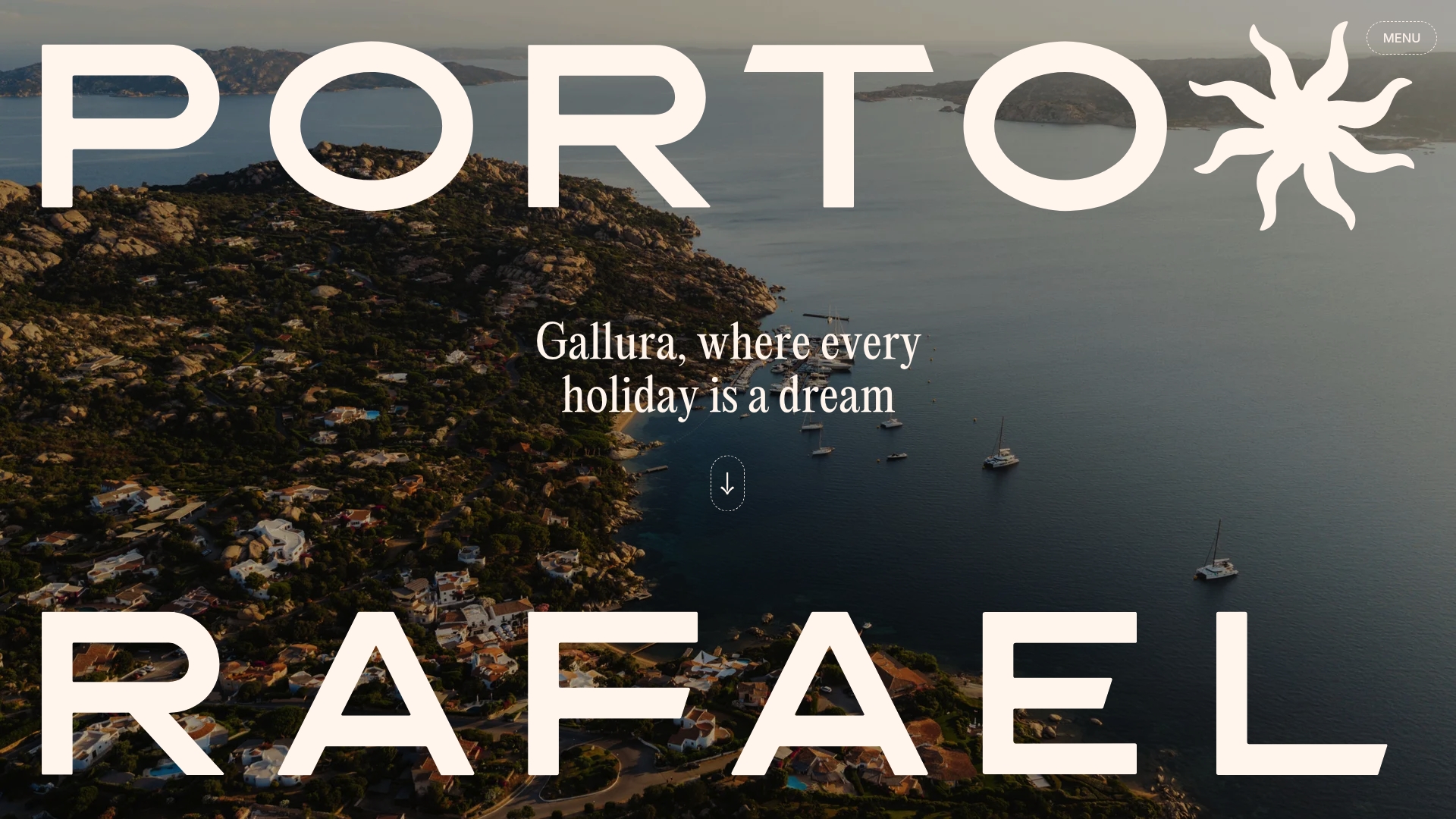
If you’re ready to immerse yourself in authentic Sardinian village life, Hotel La Piazza offers the perfect base in Porto Rafael. This adults-only boutique hotel combines intimate comfort with genuine access to Gallura’s cultural treasures. The property occupies a beautifully restored building that honors traditional architecture while providing contemporary luxury.
Guests enjoy curated experiences that bring Sardinian culture to life. Join a Sardinian cooking class where you’ll master regional specialties using local ingredients and time-honored techniques. The hotel’s Charme room accommodations feature elegant design that reflects village heritage, creating spaces that feel both authentic and refined. From your base in Porto Rafael, you can explore nearby villages, pristine beaches, and cultural sites that reveal the many facets of Sardinian life. The hotel staff provides personalized recommendations and arranges activities tailored to your interests, ensuring you discover the real Sardinia beyond typical tourist experiences.
Frequently asked questions
What makes Sardinian villages different from typical Italian towns?
Sardinian villages maintain distinct cultural identities separate from mainland Italy, including unique languages, architectural styles, and traditions. The island’s geographic isolation allowed communities to preserve ancient customs, Nuragic heritage, and pastoral lifestyles that disappeared elsewhere. You’ll notice different food traditions, folk music, festivals, and even physical landscapes that distinguish Sardinia from other Italian regions.
When is the best time to visit Sardinian villages for cultural festivals?
Late spring through early fall (May through September) offers the richest festival calendar. Patron saint celebrations occur throughout summer, with each village hosting its own festa featuring traditional costumes, processions, music, and communal meals. September brings harvest festivals celebrating wine, cheese, and agricultural bounty. Winter festivals focus on religious holidays like Carnival and Easter, offering different but equally authentic cultural experiences.
Are Sardinian villages suitable for solo travelers seeking peaceful retreats?
Absolutely, inland villages especially provide ideal settings for solo travelers wanting tranquility and reflection. The slower pace, safe environment, and welcoming locals create comfortable conditions for independent exploration. You’ll find peaceful walking paths, quiet cafes for reading, and opportunities for solitary nature experiences. Coastal villages work well too, though summer brings more social energy if you prefer some interaction alongside peaceful moments.
What local foods should visitors try in Sardinian villages?
Prioritize pecorino cheese in various ages, porceddu (roasted suckling pig), culurgiones (stuffed pasta), pane carasau (crispy flatbread), and seadas (honey pastries). Coastal villages offer bottarga (cured fish roe), fresh seafood, and sea urchins. Sample local wines including Vermentino, Cannonau, and Carignano. Village bakeries produce traditional breads and pastries you won’t find elsewhere, while markets sell wild herbs, honey, and cured meats that define Sardinian flavors.
Can you recommend typical activities to do in Sardinian villages?
Join cooking classes to learn traditional recipes, take guided walks through historic centers with local experts, visit artisan workshops to watch craftspeople work, attend weekly markets to shop alongside residents, and participate in wine tastings at family vineyards. Hiking trails connect many villages through beautiful countryside. Simply sitting in the main piazza with a coffee, observing daily life unfold, offers valuable cultural insight that structured activities can’t replicate.
How accessible are Sardinian villages for travelers without cars?
Accessibility varies significantly by location. Coastal villages near major towns often have bus service during tourist season, though schedules may be limited. Inland villages typically require private transportation as public transit is sparse or nonexistent. Renting a car provides the most flexibility for village exploration. Some tour operators offer day trips to multiple villages from larger towns, which works if you’re based in one location and want guided experiences without driving yourself.