

TL;DR:
- Seasonal tourism involves predictable fluctuations in visitor demand driven by climate, social, economic, and marketing factors. Destinations can manage these patterns through product diversification, event programming, dynamic pricing, and collaboration to reduce imbalances and promote year-round appeal. Recognizing seasonality as a natural feature, not a flaw, enables destinations to create authentic experiences and operational resilience throughout all seasons.
Seasonal tourism is defined as the predictable, recurring pattern of fluctuating visitor demand concentrated within specific periods of the year. It shapes everything from hotel pricing and staffing levels to the very character of a destination at any given moment. EU data shows that in 2025, the third quarter alone accounted for 36% of overnight stays in EU hotels, confirming summer's commanding dominance. For travellers, understanding this rhythm means smarter choices. For tourism professionals, it means the difference between a thriving operation and a struggling one.
What is seasonal tourism and what causes it?
Seasonal tourism refers to the concentration of travel activity into distinct periods, driven by a combination of natural, social, economic, and strategic forces. The UN Tourism framework identifies four principal types of seasonality: climatic, social, economic, and induced. Each type shapes demand in a different way, and most destinations experience a blend of all four.

Natural and institutional drivers
Climate is the most powerful driver of seasonal tourism. Mediterranean coastlines like Sardinia draw the majority of their visitors between june and september, when warm temperatures and calm seas make outdoor and coastal activities irresistible. Ski resorts in the Alps or the Dolomites follow the opposite logic, filling in december through march when snowfall is reliable.
Institutional drivers are equally powerful, though less obvious. School calendars in the United Kingdom, Germany, and France synchronise family travel into predictable windows, creating demand spikes that no amount of marketing can fully flatten. Public holidays, religious festivals, and cultural events layer additional peaks onto the calendar throughout the year.
Induced seasonality is the most interesting category for tourism professionals. It refers to demand patterns that are actively created or amplified through pricing strategies, marketing campaigns, and curated events. A boutique hotel that launches a spring wellness programme or an autumn gastronomy weekend is practising induced seasonality deliberately.
- Climatic seasonality: Driven by weather, temperature, and natural phenomena such as the Northern Lights or monsoon seasons.
- Social seasonality: Shaped by school terms, public holidays, and cultural traditions.
- Economic seasonality: Linked to income cycles and the timing of annual leave entitlements.
- Induced seasonality: Created through targeted promotions, events, and pricing incentives.
Pro Tip: If you are a tourism professional, map your destination's demand curve against all four seasonality types before designing any mitigation strategy. Treating a social driver with a pricing solution rarely works.
How do types of seasonal tourism vary by destination?
Not all destinations experience seasonality in the same way. Research identifies five distinct occupancy archetypes that describe how demand concentrates across the calendar year. Understanding which archetype applies to a given destination is the starting point for any serious planning.

| Archetype | Description | Example Destinations |
|---|---|---|
| Single-peak summer | Strong july–august concentration, low winter activity | Sardinia, Greek islands, Algarve |
| Single-peak winter | Demand concentrated in ski season | Cortina d'Ampezzo, Verbier, Zermatt |
| Dual-peak | Two distinct high seasons, often summer and a winter festival period | Reykjavik, Tenerife, Lanzarote |
| Year-round | Stable demand with modest seasonal variation | London, Paris, Rome |
| Shoulder-dominant | Strongest demand in spring and autumn, avoiding summer extremes | Prague, Lisbon, Porto |
Accommodation type significantly shapes how seasonality is experienced. Hotels maintain more stable year-round occupancy than campsites or outdoor leisure properties, which can fall to near-zero activity in off-season quarters. A campsite in Gallura may be fully booked every night in august and entirely empty in january. A well-positioned hotel in the same region can attract business travellers, wellness guests, and cultural visitors throughout the quieter months.
Climate and geographic distance also influence seasonal patterns in ways that are easy to underestimate. Destinations closer to major source markets, such as Sardinia relative to northern Italy and Germany, tend to have more pronounced single-peak patterns because short-haul travellers are more sensitive to weather conditions. Long-haul destinations like Thailand or Bali attract visitors year-round because the cost and effort of travel justify a trip regardless of the precise season.
Pro Tip: If your destination falls into the single-peak summer archetype, study dual-peak destinations carefully. The transition from one peak to two is almost always driven by a deliberate product or event strategy, not by geography alone.
What are the benefits and challenges of seasonal tourism?
Seasonal tourism generates genuine benefits alongside its well-documented pressures. The key is understanding which side of the equation you are on, and when.
Benefits for travellers and destinations
Peak season delivers concentrated economic value to destinations that depend on tourism for their livelihoods. Coastal communities in Sardinia, the Balearics, and the Adriatic generate a substantial share of their annual income in a ten-week window. That concentration funds infrastructure, supports local businesses, and sustains cultural traditions.
For travellers, shoulder seasons offer some of the most rewarding experiences available. Crowds thin, prices fall, and the authentic character of a place becomes far more visible. Visiting Porto Rafael in late september or early october, for instance, means warm seas, golden light, and a pace of life that high summer simply cannot offer.
Challenges that demand attention
Seasonality correlates directly with overcrowding, staff turnover, and infrastructure strain during peak periods. Roads, beaches, and water systems designed for resident populations face enormous pressure when visitor numbers multiply several times over in a matter of weeks.
- Overcrowding: Popular beaches and historic sites become difficult to enjoy, reducing the quality of the experience for everyone.
- Underemployment: Seasonal workers face income gaps in low season, creating social instability in tourism-dependent communities.
- Pricing volatility: Peak-season rates can be two to three times higher than off-season equivalents, pricing out budget-conscious travellers entirely.
- Sustainability pressure: Concentrated visitor flows accelerate environmental degradation, from coastal erosion to water scarcity.
US hotel data from january 2025 recorded average occupancy of just 53%, illustrating how dramatically demand collapses outside peak periods. That figure represents not just empty rooms but idle staff, reduced cash flow, and deferred maintenance. The off-season is where the financial resilience of a hospitality business is truly tested.
How can destinations manage and reduce seasonal imbalances?
Seasonality is not an inevitable condition. With deliberate strategy and consistent effort, destinations and businesses can reshape their demand curves meaningfully. The most effective approaches combine product diversification, event programming, pricing intelligence, and long-term collaborative planning.
- Diversify the product offer by season. Wellness retreats in winter, gastronomy routes in autumn, and cycling or hiking programmes in spring each attract distinct visitor segments who would not otherwise travel in those periods. Season-specific packages such as these demonstrably smooth demand curves and lift off-peak occupancy.
- Programme events during low-demand periods. MICE tourism (meetings, incentives, conferences, and exhibitions) is particularly valuable because it generates demand independently of weather. A well-organised conference in november fills hotel rooms, restaurant tables, and local transport regardless of the season.
- Use pricing as a demand signal, not just a revenue tool. Dynamic pricing that rewards early booking in shoulder seasons, or that bundles accommodation with experiences, shifts traveller behaviour more effectively than blanket discounting.
- Invest in data monitoring and forecasting. Destinations that track occupancy, visitor origin, and spending patterns across all seasons can identify emerging demand signals and respond before competitors do.
- Build collaborative frameworks between stakeholders. Tourism boards, accommodation providers, transport operators, and cultural institutions that plan together create a more coherent year-round offer than any single business can achieve alone.
Pro Tip: Many hospitality businesses passively wait for peak demand rather than actively managing their occupancy mix. The businesses that thrive across all seasons treat off-peak periods as a product design challenge, not a waiting game.
Sardinia offers a compelling case study in this respect. The island's events calendar increasingly shapes luxury travel beyond the traditional summer window, drawing visitors for cultural festivals, culinary experiences, and outdoor pursuits from april through november.
Why seasonal tourism deserves more strategic respect
Most commentary on seasonal tourism treats it as a problem to be solved. My view, shaped by years of observing how destinations rise and fall, is more nuanced than that.
Seasonality is not a flaw in the tourism system. It is a feature of human behaviour, climate, and culture. The destinations that thrive are not the ones that eliminate seasonality but the ones that work with its rhythms intelligently. A place that is genuinely extraordinary in july should be asking what makes it extraordinary in october, not trying to replicate july in the depths of winter.
The operational consequences of getting this wrong are severe. Peak seasons create staffing and cash flow pressures that can destabilise even well-run businesses. Hiring experienced staff for a ten-week season and then losing them to other industries is a cycle that erodes service quality year after year. The businesses I have seen manage this best are those that invest in year-round employment models, even if it means accepting lower margins in quieter months.
There is also a traveller dimension that rarely gets enough attention. The benefits of off-season travel in Sardinia are not merely financial. The quality of encounter with a place, its people, its food, and its landscape, is categorically different when you are not sharing it with thousands of others. That is not a consolation prize for travelling in the wrong month. It is a genuinely superior experience that the tourism industry has been slow to communicate.
The most resilient destinations I know treat every season as a distinct product, not a diluted version of the peak. That shift in thinking changes everything, from how you staff, to how you price, to how you tell your story.
— Studio
Discover porto rafael across every season
Porto Rafael, the captivating boutique village on the shores of Gallura, is a rare gem that reveals a different face with each passing season. Summer brings crystalline waters and the warmth of long Mediterranean evenings. Autumn and spring offer a quieter, more intimate encounter with the landscape, the local culture, and the remarkable cuisine of northern Sardinia.
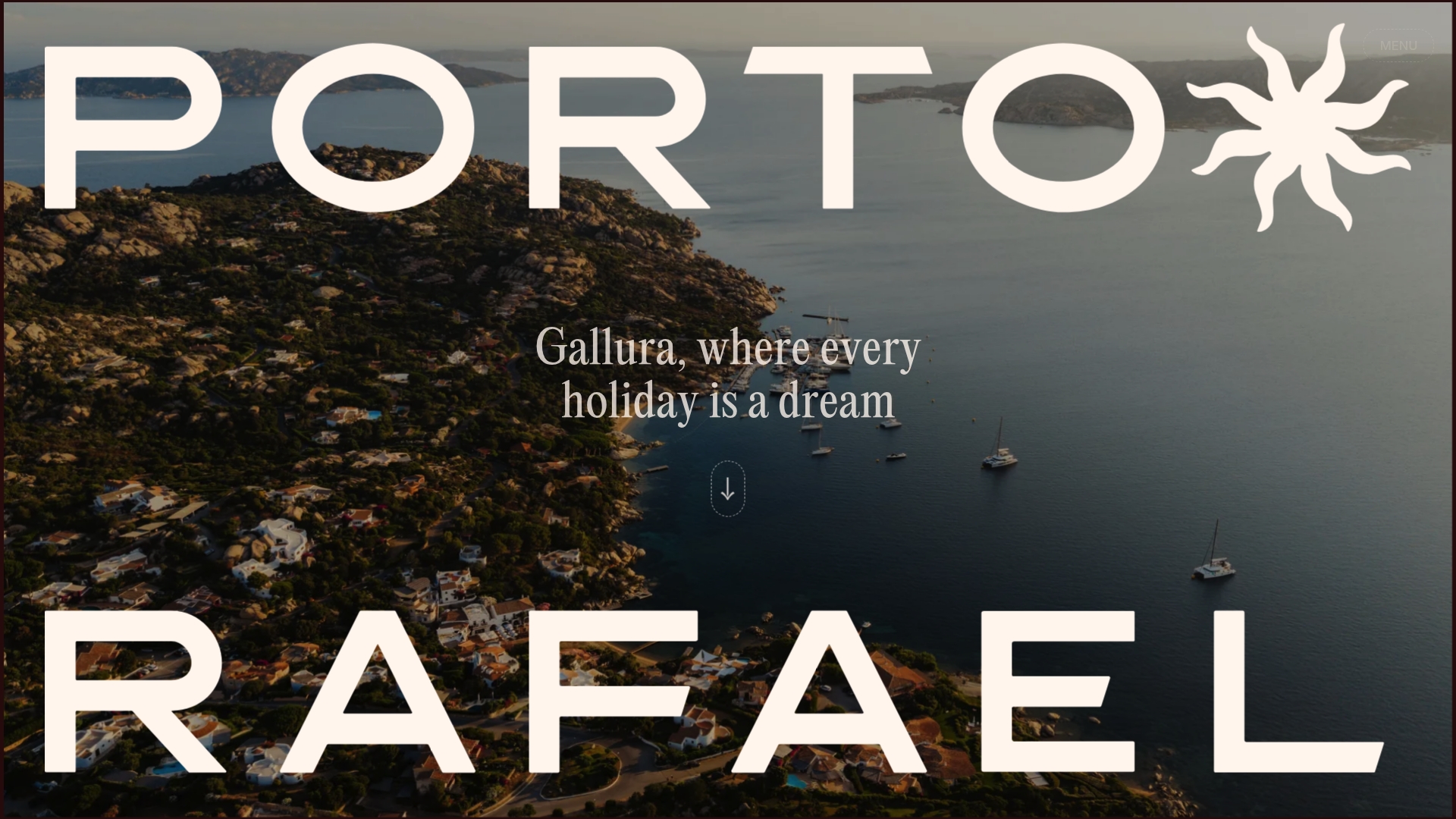
Portorafael's seasonal gastronomy reflects this rhythm beautifully, from the freshest summer seafood at Solaz Restaurant to the rich, earthy flavours of autumn at Rafael's Bar & Lounge. Whether you are planning a summer escape or a quieter autumn retreat, Porto Rafael offers an experience that is timeless in its beauty and deeply rooted in the seasons that shape it.
FAQ
What is the definition of seasonal tourism?
Seasonal tourism is defined as the predictable, recurring concentration of visitor demand within specific periods of the year, driven by climate, social calendars, economic factors, and marketing strategies. It results in distinct peak, shoulder, and off-season periods at most destinations.
What are the main types of seasonal tourism?
The four main types are climatic, social, economic, and induced seasonality. Climatic seasonality is driven by weather; social seasonality by school terms and public holidays; economic seasonality by income and leave cycles; and induced seasonality by deliberate marketing and event strategies.
How does seasonal tourism affect hotel occupancy?
Hotel occupancy fluctuates significantly across seasons. US hotels averaged 53% occupancy in january 2025, compared to far higher rates in peak summer months, illustrating the financial pressure that low seasons place on accommodation businesses.
What are the best examples of seasonal tourism destinations?
Sardinia, the Greek islands, and the Algarve are classic single-peak summer destinations. Reykjavik and Tenerife operate on dual-peak models. London, Paris, and Rome maintain relatively stable year-round demand, making them less vulnerable to seasonal fluctuations.
Can seasonal tourism be managed effectively?
Seasonal tourism can be actively managed through product diversification, event programming, dynamic pricing, and collaborative destination planning. Monitoring and strategic initiatives allow destinations to mitigate economic and social impacts and build more resilient tourism economies across the full year.