
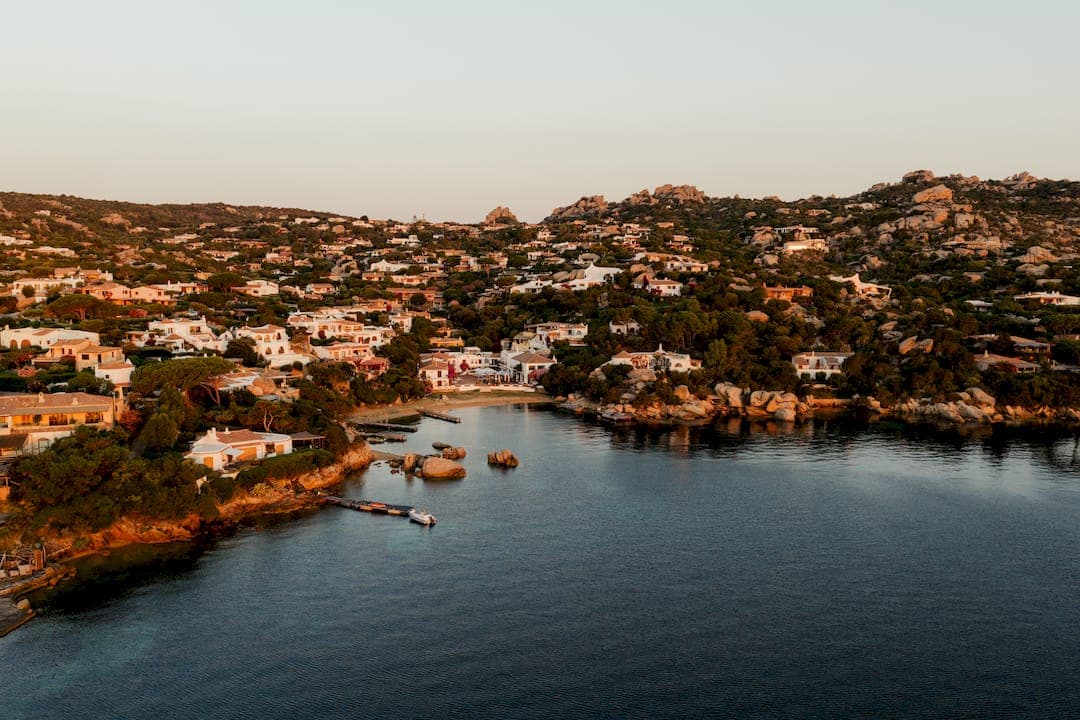
Most travelers think Sardinia’s exclusivity comes from stunning beaches alone. The reality runs deeper. Strategic development since the 1960s, visitor controls, and cultural preservation create the island’s luxury appeal. Gallura, Sardinia’s northeastern region, exemplifies this approach with limited beach access, pristine natural parks, and authentic cultural experiences. This guide reveals how deliberate planning, environmental stewardship, and rich heritage make Sardinia a standout destination for affluent travelers seeking privacy, beauty, and genuine connection beyond typical Mediterranean hotspots.
Table of Contents
Key Takeaways
| Point | Details |
|---|---|
| Origins of exclusivity | Sardinia’s luxury status grew from deliberate planning and restrained development led by Costa Smeralda founder Prince Karim Aga Khan. |
| Gallura access limits | Daily beach caps and a reserved booking system create privacy while funding conservation based on environmental assessments. |
| Cultural heritage depth | Authentic local character and curated experiences add depth beyond standard luxury travel. |
| Celebrity influence and marketing | Early celebrity visitors and strategic positioning established Sardinia as a premier Mediterranean alternative to crowded destinations. |
History of Sardinia’s luxury evolution
Sardinia’s transformation into an exclusive destination began with deliberate vision. In the early 1960s, Prince Karim Aga Khan developed Costa Smeralda as a luxury retreat along the island’s northeastern coast. This wasn’t accidental development. The prince recognized Sardinia’s potential and implemented strict architectural guidelines, preserving local character while creating world-class resorts.
Early celebrity visitors amplified Costa Smeralda’s prestige. George Clooney, the Beckhams, and European aristocracy chose Sardinia for private getaways, cementing its reputation among global elite circles. Their presence created a self-reinforcing cycle where exclusivity attracted more exclusive visitors. The history of Porto Rafael reflects this era, when small fishing villages transformed into sophisticated enclaves without losing authentic charm.
Recent data shows sustained momentum. Luxury tourism popularity increased 63% in Sardinia, reflecting growing appreciation for destinations offering privacy and authenticity. This surge differs from typical tourism booms because it emphasizes quality over quantity. Developers learned from Costa Smeralda’s success, maintaining low-density principles across new projects.
Key factors in Sardinia’s luxury evolution include:
-
Architectural codes requiring traditional materials and low-rise construction
-
Limited hotel development protecting coastline integrity
-
High-end marina infrastructure attracting superyacht tourism
-
Curated restaurant and retail experiences emphasizing local products
-
Strategic marketing positioning Sardinia as Mediterranean alternative to crowded French Riviera
“Sardinia offers what money truly buys: space, privacy, and experiences unavailable elsewhere. The island’s exclusivity stems from what developers chose not to build as much as what they created.”
This foundation set the stage for modern exclusivity mechanisms that preserve what makes Sardinia special while welcoming discerning travelers.
Exclusive access and environmental preservation in Gallura
Gallura takes exclusivity beyond marketing rhetoric through concrete access controls. Daily visitor limits at beaches prevent overcrowding while protecting fragile coastal ecosystems. Cala Brandinchi allows 1,447 visitors per day, while Rena Bianca caps at 1,015. These aren’t arbitrary numbers. Environmental assessments determined sustainable capacity for each location based on sand regeneration, vegetation health, and wildlife impact.
The booking system creates premium experiences through scarcity. Travelers reserve beach access weeks or months ahead through official portals, guaranteeing space and amenities. This contrasts sharply with typical Mediterranean beaches where visitors compete for towel space. The advance planning requirement filters casual tourists, attracting travelers who value organization and exclusivity. Revenue from bookings funds conservation programs, creating a virtuous cycle.
| Beach | Daily Visitor Cap | Booking Window | Key Features |
|---|---|---|---|
| Cala Brandinchi | 1,447 | 30 days advance | White sand, shallow turquoise water, pine forest backdrop |
| Rena Bianca | 1,015 | 30 days advance | Town proximity, water sports, family-friendly facilities |
| Lu Impostu | 850 | 30 days advance | Secluded coves, snorkeling, protected dune system |
| Capriccioli | 600 | 30 days advance | Rocky outcrops, deep water, Costa Smeralda access |
Gallura’s granite landscapes enhance the exclusivity framework. Ancient rock formations create natural barriers between beaches, ensuring privacy even on popular stretches. The geology produces dramatic scenery found nowhere else in the Mediterranean. Pink and gray granite contrasts with emerald water, creating Instagram-worthy vistas that attract photography enthusiasts and luxury travelers alike.
Environmental preservation goes beyond beach limits. Protected marine areas around La Maddalena Archipelago restrict boat traffic and fishing, maintaining pristine underwater ecosystems. Visitors snorkeling these waters encounter biodiversity absent from heavily trafficked areas. The archipelago’s status as a national park since 1994 demonstrates long-term commitment to conservation predating recent tourism trends.
Practical considerations for exclusive beach access:
-
Book during off-peak hours for best availability
-
Verify booking confirmation emails contain QR codes for entry
-
Arrive early as reserved slots have specific time windows
-
Bring reef-safe sunscreen as chemical products are prohibited
-
Pack out all waste as facilities are minimal to preserve natural character
Pro Tip: Book beach access immediately when planning your Gallura trip, as popular dates sell out months in advance during summer season.
These mechanisms work because they align visitor interests with environmental goals. Travelers pay premium prices for guaranteed access to pristine locations, while ecosystems benefit from reduced pressure. The model proves exclusivity and sustainability can coexist when properly structured.
Gallura’s scenic beauty and cultural immersion
Gallura’s visual character separates it from generic Mediterranean destinations. Granite landscapes formed 300 million years ago create otherworldly scenery. Wind and water erosion sculpted rocks into organic shapes resembling animals, faces, and abstract art. The Valley of the Moon near Santa Teresa Gallura showcases these formations at sunset when pink granite glows against darkening sky.
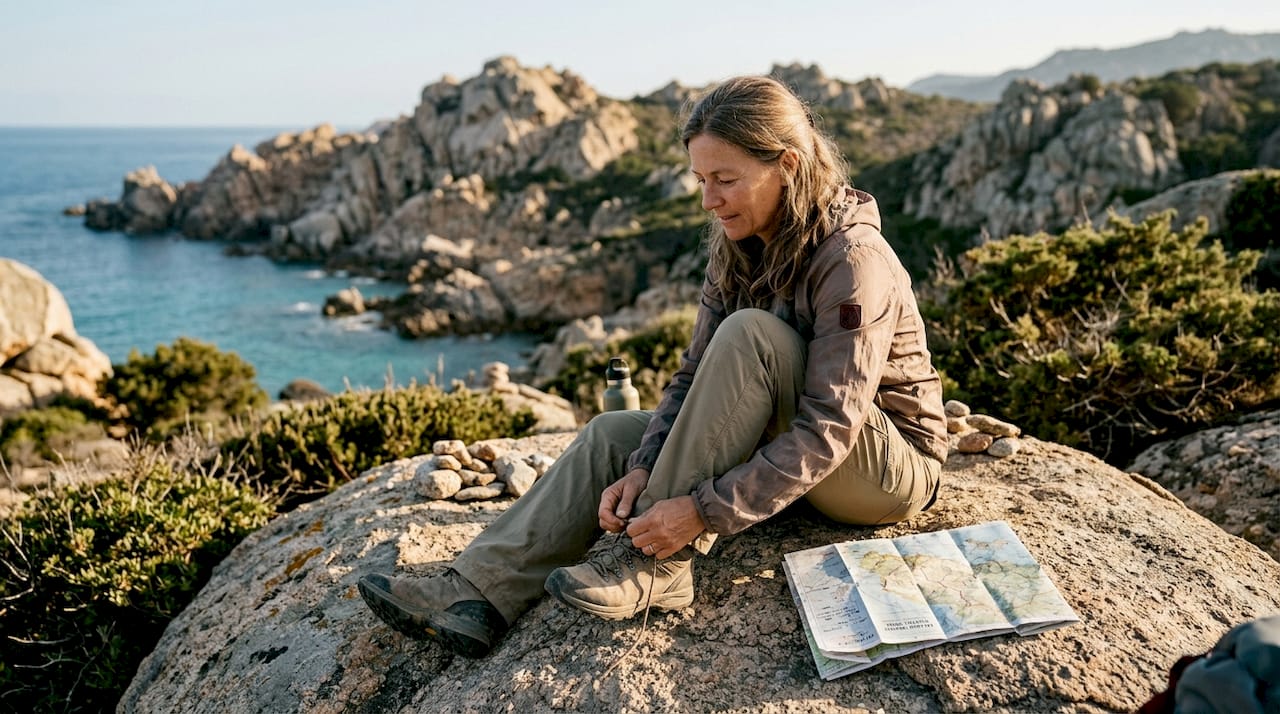
The La Maddalena Archipelago offers protected marine environments accessible only by boat. Seven main islands and numerous islets feature hidden coves with water clarity exceeding 30 meters visibility. Budelli Island’s pink sand beach, though closed to preserve it, remains visible from boat tours. Spargi and Santa Maria islands allow swimming in waters where dolphins occasionally appear.
Cultural depth distinguishes Gallura from purely scenic destinations. Prehistoric nuraghi towers dot the landscape, remnants of Bronze Age civilization unique to Sardinia. The Nuraghe Albucciu near Arzachena stands remarkably intact, allowing visitors to climb interior chambers and imagine life 3,500 years ago. Domus de janas, literally “fairy houses,” are Neolithic burial chambers carved into rock faces, decorated with symbolic engravings.
| Aspect | Gallura | Typical Mediterranean Luxury Spots |
|---|---|---|
| Visitor Density | Controlled through caps and booking | Overcrowded, especially peak season |
| Cultural Sites | Prehistoric nuraghi, authentic villages | Primarily modern tourist infrastructure |
| Natural Features | Unique granite formations, protected marine parks | Standard beaches, developed coastlines |
| Accommodation Style | Boutique properties, traditional materials | Large resort complexes, standardized luxury |
| Culinary Focus | Local ingredients, traditional recipes | International cuisine, limited regional identity |
Authentic cultural immersion opportunities abound. Sardinian cooking classes teach traditional pasta making using semolina and saffron. Participants learn culurgiones, stuffed pasta pockets requiring precise folding techniques passed through generations. These experiences connect travelers to living culture rather than museum displays.
Local craft traditions continue in Gallura villages. Tempio Pausania’s cork workshops demonstrate processing techniques for material harvested from surrounding forests. Aggius maintains weaving cooperatives where women create intricate textiles on traditional looms. Purchasing directly from artisans ensures authenticity while supporting cultural preservation.
Exploring cultural sites throughout Gallura reveals layers of history:
-
Giants’ Tomb of Coddu Vecchiu, a 4,000-year-old collective burial monument
-
Church of San Pantaleo, showcasing rural Romanesque architecture
-
Limbara Mountain trails offering panoramic views across northern Sardinia
-
Traditional stazzi, granite farmhouses representing pastoral heritage
-
Archaeological museum in Arzachena contextualizing prehistoric findings
This combination of dramatic natural beauty and cultural richness creates experiences unavailable in destinations focused solely on beach luxury. Travelers gain appreciation for Sardinia’s distinct identity rather than consuming generic Mediterranean ambiance.
Modern luxury tourism trends shaping Sardinia’s exclusivity
Contemporary travel patterns reinforce Sardinia’s exclusive positioning. Delta’s new direct flight from NYC to Olbia starting May 2026 eliminates connection hassles for American travelers. This accessibility paradoxically enhances exclusivity by attracting affluent visitors who value time efficiency. The flight represents recognition of Sardinia’s growing appeal among travelers seeking alternatives to overexposed European destinations.
Celebrity influence continues driving desirability. When high-profile figures choose Sardinia for private vacations, media coverage reaches audiences valuing discretion and authenticity. Unlike destinations where celebrity presence creates circus atmospheres, Sardinia’s culture respects privacy. This balance attracts personalities seeking genuine relaxation rather than publicity opportunities.
The quiet luxury movement aligns perfectly with Sardinia’s offerings. This trend emphasizes understated elegance, sustainability, and authentic experiences over conspicuous consumption. Travelers embrace locally-owned accommodations, seasonal ingredients, and cultural engagement rather than branded luxury chains. Sardinia delivers these values naturally through its development history and cultural preservation.
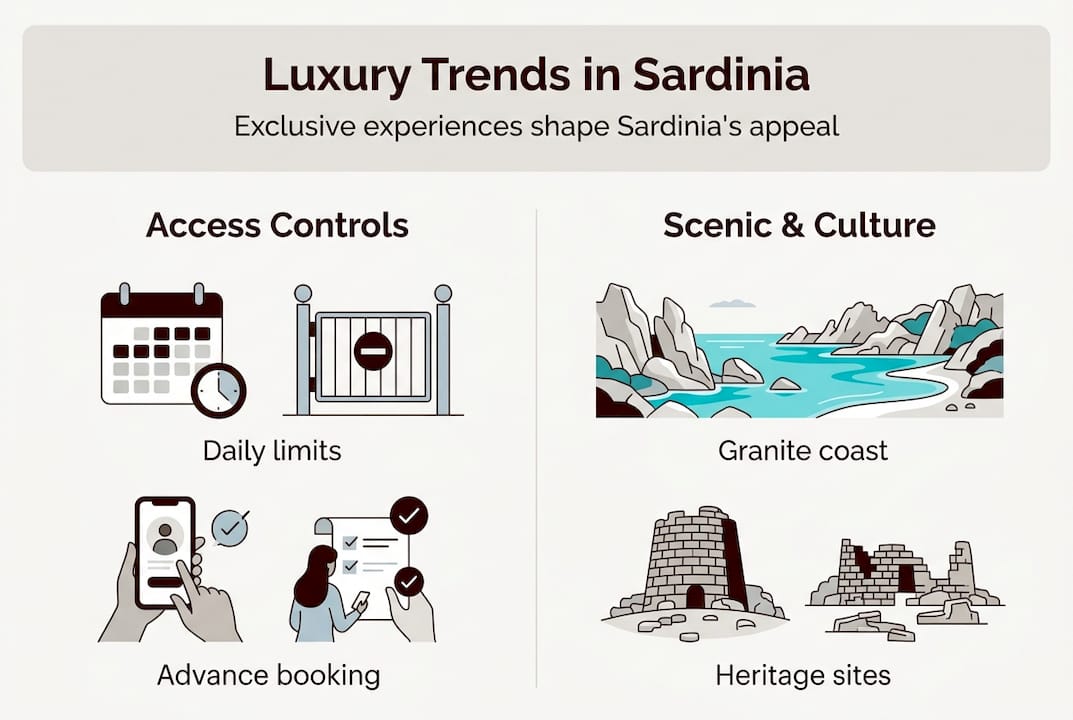
Low-density tourism becomes increasingly valuable as other Mediterranean destinations struggle with overtourism. The Amalfi Coast’s narrow roads choke with traffic during summer. Santorini’s clifftop villages overflow with cruise ship passengers. Sardinia’s larger size, dispersed attractions, and visitor management systems prevent these problems. Travelers pay premium prices for space and tranquility unavailable elsewhere.
Key trends elevating Sardinia’s luxury appeal:
-
Wellness tourism focusing on outdoor activities and natural settings
-
Culinary travel emphasizing farm-to-table experiences and regional specialties
-
Sustainable luxury prioritizing environmental responsibility
-
Multi-generational travel requiring diverse activities and privacy
-
Extended stays enabled by remote work flexibility
Pro Tip: Choose accommodations like Porto Rafael’s boutique properties that emphasize local architecture, sustainable practices, and cultural integration for the most authentic luxury experience.
Sustainability credentials matter increasingly to affluent travelers. Sardinia’s protected areas, renewable energy investments, and traditional agricultural practices appeal to environmentally conscious visitors. Properties showcasing solar power, water conservation, and local sourcing differentiate themselves in competitive luxury markets. This isn’t greenwashing but genuine commitment rooted in island culture valuing land stewardship.
The shift toward experience-based luxury favors destinations offering unique activities. Generic beach resorts struggle as travelers seek memorable, Instagram-worthy moments. Sardinia delivers through sailing pristine archipelagos, exploring ancient civilizations, learning traditional crafts, and tasting wines from indigenous grape varieties. These experiences create emotional connections transcending typical vacation memories.
Experience exclusive Gallura with Porto Rafael
Transitioning from understanding exclusivity to experiencing it firsthand requires choosing accommodations matching Gallura’s luxury standards. Porto Rafael offers curated access to the region’s finest attributes through thoughtfully designed properties and immersive activities. The exclusive borgo combines boutique hospitality with authentic Sardinian character, providing an ideal base for exploring limited-access beaches and cultural treasures.
The adults-only Hotel La Piazza exemplifies quiet luxury principles through intimate scale and attention to detail. Guests enjoy personalized service, locally-inspired design, and proximity to Porto Rafael’s charming piazza. This setting facilitates genuine connection to place rather than generic resort isolation. Evening aperitivos on the terrace overlook the marina where traditional fishing boats mingle with elegant yachts.
Enhance your stay through exclusive Sardinian cooking classes teaching recipes passed through generations. These hands-on sessions go beyond typical culinary tourism, offering insight into Gallura’s agricultural traditions and family food culture. Participants source ingredients from local markets, prepare multi-course meals, and dine together in convivial atmosphere reflecting Sardinian hospitality values. Such experiences transform visitors into temporary community members rather than mere observers.
Frequently asked questions
Why is Sardinia considered more exclusive than other Mediterranean destinations?
Sardinia’s exclusivity stems from deliberate luxury development beginning in the 1960s, strict visitor management systems, and rich cultural heritage unavailable in more commercialized locations. The island maintains low-density tourism through architectural codes and beach access limits. This contrasts sharply with overcrowded destinations like the Amalfi Coast where mass tourism degrades experiences. Celebrity appeal and protected natural areas further enhance Sardinia’s exclusive reputation among discerning travelers.
How do I secure access to Sardinia’s limited-entry beaches in Gallura?
Advance booking through official portals is essential for accessing Gallura’s premier beaches with daily visitor caps. Reservations open 30 days before visit dates and sell out quickly during peak summer season. Book immediately when planning your trip to guarantee preferred dates and times. Confirmation emails contain QR codes required for beach entry, so save them on your phone. This system ensures you’ll enjoy pristine conditions without crowds.
What cultural experiences make Gallura a unique luxury destination?
Gallura offers authentic immersion through prehistoric archaeological sites, traditional craft workshops, and culinary traditions distinct from mainland Italy. Visitors explore 4,000-year-old nuraghi towers, learn weaving techniques from local artisans, and taste wines from indigenous grape varieties. Hands-on cooking classes teach regional recipes using seasonal ingredients. These experiences connect travelers to living culture rather than staged tourist attractions, creating meaningful memories beyond standard luxury amenities.
When is the best time to visit Sardinia for an exclusive experience?
Shoulder seasons from May through June and September through October provide ideal conditions with pleasant weather and fewer tourists than peak July and August. Spring wildflowers blanket hillsides while autumn harvests showcase local gastronomy. Water temperatures remain comfortable for swimming through October. Regardless of timing, book exclusive accommodations and beach access well in advance as discerning travelers plan Sardinia trips months ahead. Early reservations ensure access to premier locations and experiences.