
TL;DR:
- Free diving in Sardinia offers a safe way to explore clear waters and rich marine life without scuba equipment. Certified instructors provide courses suitable for all levels, emphasizing relaxation, breath control, and safety. Popular spots include Capo Carbonara, Golfo di Orosei, and La Maddalena, each offering unique underwater experiences.
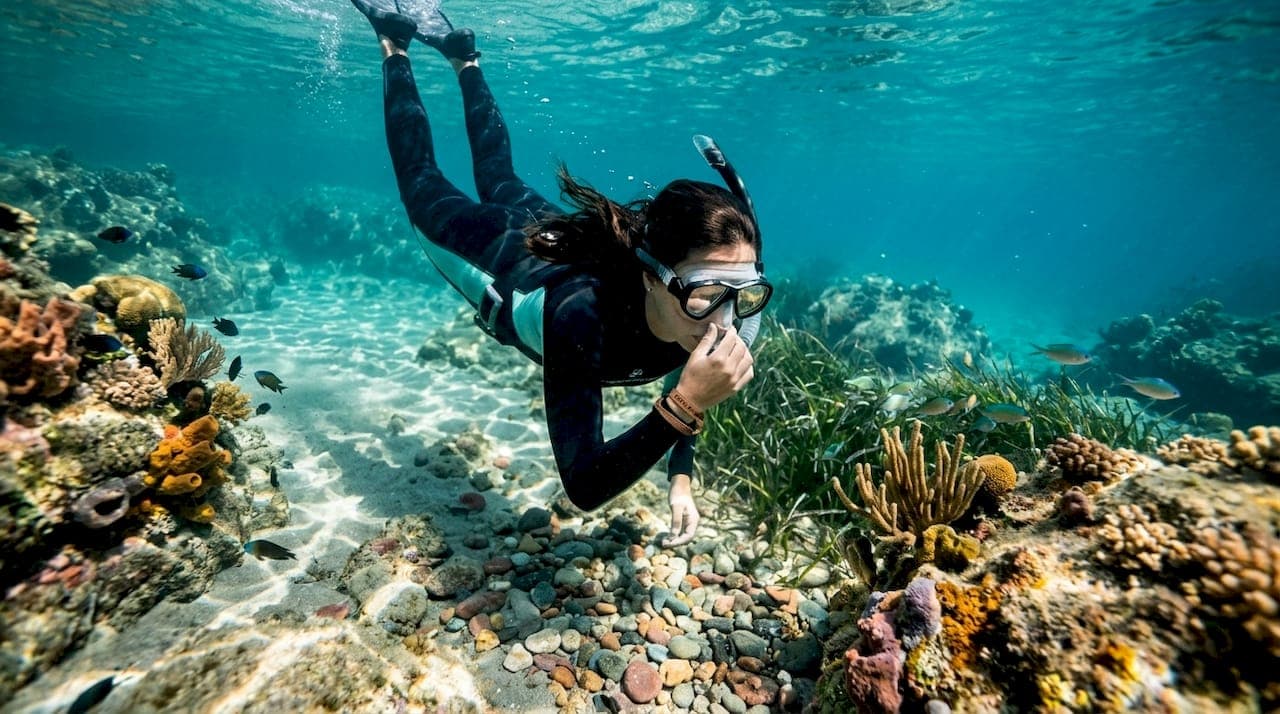
Free diving in Sardinia is the practice of exploring the underwater world on a single breath, without scuba equipment, in some of the Mediterranean's most captivating marine environments. The island's marine protected areas, including the celebrated Capo Carbonara, offer crystal-clear waters and rich biodiversity that make it a rare gem for breath-hold divers of every level. Certified training courses following PADI standards are widely available across the island, giving newcomers a safe and structured path into the sport. Whether you are drawn by the silence of the deep or the spectacle of Sardinian marine life, this guide covers everything you need to know before you enter the water.
What is free diving in Sardinia?
Free diving, known in the industry as breath-hold diving or apnoea diving, is the discipline of descending underwater using only the air held in your lungs. No tanks, no regulators, no mechanical noise. The diver relies entirely on relaxation, breath control, and technique to extend time beneath the surface. Sardinia's waters make this discipline particularly rewarding. Visibility regularly exceeds 30 metres in sheltered bays, and the seabed shifts from white sand to dramatic rock formations within minutes of swimming from shore.
The island hosts several recognised Marine Protected Areas, each zoned under an A/B/C classification system that governs access and activity. This legal framework protects the ecosystems that make Sardinia so visually stunning, and it shapes where and how free divers can practise. Understanding this structure is not optional. It is the foundation of responsible Sardinian underwater exploration.
Sardinia also benefits from a well-established network of certified instructors and dive centres, particularly around Villasimius in the south and the La Maddalena archipelago in the north. These centres offer courses aligned with PADI and similar international standards, making the island one of the most accessible places in Europe to begin or advance your free diving practice.
What does a typical free diving experience in Sardinia involve?
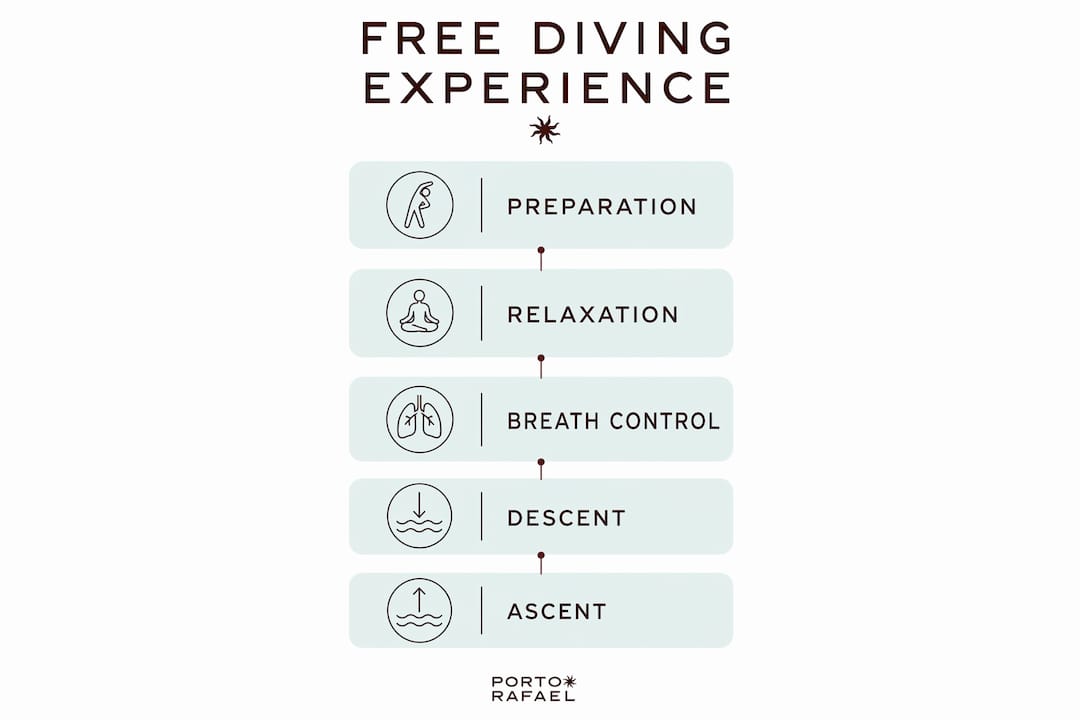
A free diving session in Sardinia follows a clear progression, whether you are a first-timer or working towards advanced certification. The experience is structured, calm, and far more meditative than most aquatic sports.
Course formats and what to expect
Most centres offer three entry points:
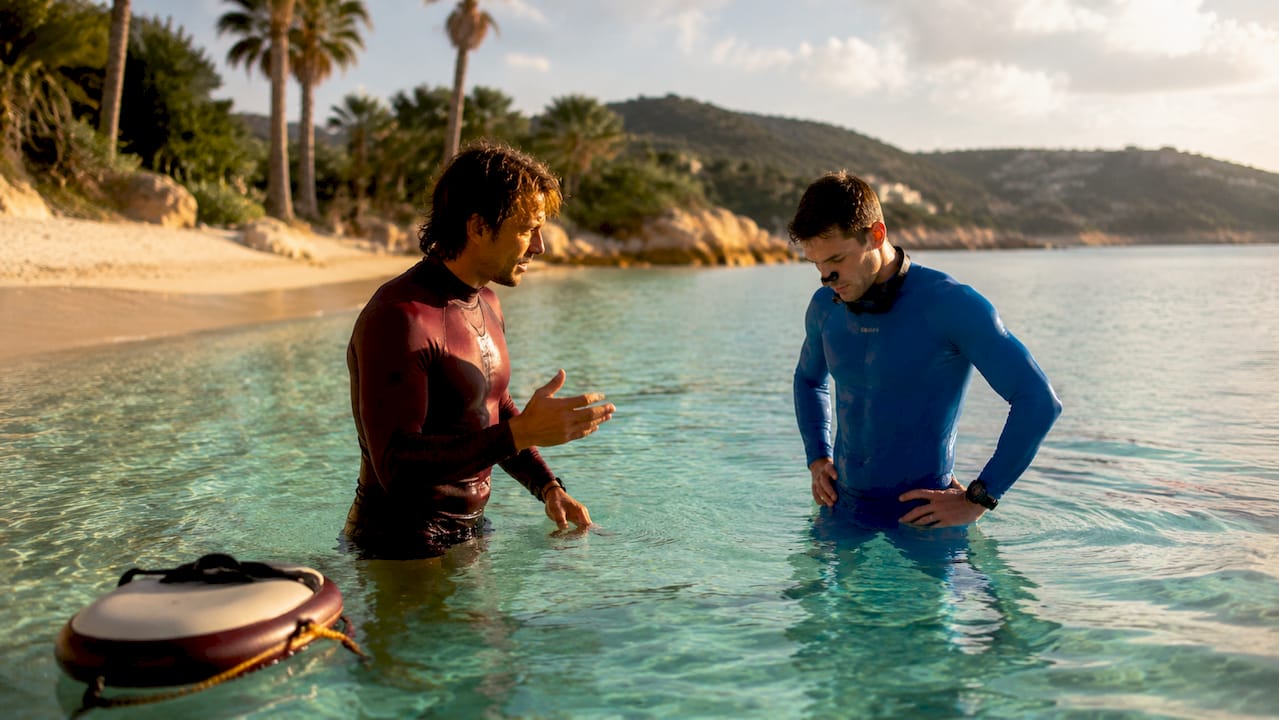
- Introductory "deep snorkelling" sessions: Available for beginners aged 8 and above, these sessions last approximately 90 minutes and focus on breathing rhythm and relaxation rather than depth. They are ideal for curious travellers who want a taste of the sport without committing to a full course.
- Introductory free diving courses: These typically cost around €90 and cover the fundamentals of breath-hold diving in a single half-day session.
- Level 1 certifications: Full certifications cost approximately €300–440 and usually span two half-day sessions. Participants leave with a recognised qualification and the skills to dive safely with a buddy.
Core training elements
Every reputable course in Sardinia covers three pillars: relaxation, breath control, and equalisation. The Frenzel manoeuvre is the standard equalisation technique taught at this level. It allows divers to safely balance pressure in the ears and sinuses as they descend, preventing discomfort and injury. Instructors consistently prioritise relaxation and efficiency over depth, advocating gradual progression rather than pushing limits too soon.
Pro Tip: Do not arrive at your first session expecting to reach impressive depths. The most important skill you will develop is the ability to stay calm underwater. Divers who master relaxation early progress far faster than those who focus on depth alone.
Which are the best free diving spots in Sardinia?
Sardinia offers three distinct zones that suit different skill levels and interests. Each has its own character, and choosing the right one shapes the entire experience.
Capo Carbonara, near Villasimius in the south, is the natural starting point for beginners and intermediate divers. The water here is sheltered, calm, and exceptionally clear, making it ideal for practising technique without the distraction of strong currents. The seabed is rich with Posidonia oceanica meadows, home to sea bream, octopus, and the occasional moray eel.
Golfo di Orosei, along the eastern coastline, is a different proposition entirely. Towering limestone cliffs drop directly into the sea, and the coastline is riddled with sea caves accessible only by boat. This is advanced territory, best suited to experienced divers comfortable with confined spaces and variable conditions. The drama of the landscape above the waterline is matched by what lies beneath.
La Maddalena archipelago, in the far north of the island, offers the most biodiverse walls and drop-offs in Sardinia. The protected status of the national park means marine life here is abundant and largely undisturbed. Grouper, barracuda, and sea turtles are regular sightings. The Sardinian marine life in this region rewards patient, observant divers.
| Location | Skill level | Visibility | Key features | Access |
|---|---|---|---|---|
| Capo Carbonara | Beginner/Intermediate | Excellent | Calm bays, Posidonia meadows | Shore and boat |
| Golfo di Orosei | Advanced | Very good | Sea caves, dramatic cliffs | Boat only |
| La Maddalena | All levels | Excellent | Biodiverse walls, national park | Boat, licensed operator required |
What safety measures and regulations apply to free diving in Sardinia?
Safety in free diving is non-negotiable, and Sardinia's regulatory framework reinforces this at every level. The island's Marine Protected Areas operate under a strict A/B/C zoning system. Zone A represents the most sensitive inner areas, where access requires a licensed operator to accompany you. Zones B and C allow progressively more independent access, but rules still apply. Attempting to enter restricted zones without the correct authorisation is both illegal and environmentally damaging.
Key safety practices every free diver must follow
- Never dive alone. The buddy system is the single most important safety rule in free diving. A trained partner can respond to a shallow-water blackout, which can occur without warning even in experienced divers.
- Complete a certified course before diving beyond shallow depths. Courses teach basic rescue skills alongside technique, giving you the tools to assist a partner in difficulty.
- Book through licensed local operators for protected zone access. Communicating with local dive centres is often the only legal route into Sardinia's most spectacular marine park zones.
- Learn basic first aid and CPR. Advanced certifications such as the PADI Master Freediver course, which prepares divers for depths of 30–40 metres, require valid CPR training as a prerequisite.
- Respect marine life. Do not touch coral, chase fish, or collect shells. The ecosystems you are entering have taken decades to develop.
Pro Tip: Check sea conditions the morning of your dive, not the night before. Sardinia's coastal weather can shift quickly, particularly around the Golfo di Orosei. A calm forecast can change by mid-morning, and local dive centres will always advise on current conditions.
When is the best time to go free diving in Sardinia?
The optimal season for free diving in Sardinia runs from april to october, with water temperatures ranging from 24 to 28°C at peak summer. Visibility is at its finest during these months, with calm seas and long daylight hours extending the time available for sessions.
May and june stand out as the preferred months for those who want excellent conditions without the summer crowds. The water is already warm enough for comfortable dives, marine life is active, and the beaches and boat lanes are far less congested. This shoulder season advantage is particularly valuable for beginners, who benefit from quieter conditions and more attentive instruction when centres are less busy.
July and august bring the warmest water and the longest days, but also the highest visitor numbers. Courses fill quickly, boat access to popular sites becomes competitive, and the tranquillity that makes free diving so rewarding can feel harder to find. September is an excellent alternative, offering warm water, thinning crowds, and the golden light of early autumn. For those considering visiting Sardinia in summer, planning around the shoulder months rewards you with the best of both worlds.
October marks the tail end of the season. Water temperatures begin to drop, but conditions remain pleasant for experienced divers. Visibility can actually improve in october as summer algae blooms subside, revealing the seabed in exceptional clarity.
My honest view on free diving in Sardinia
Sardinia does something that very few destinations manage. It makes the underwater world feel genuinely accessible without stripping away any of its wonder. The first time you hover above a Posidonia meadow in the waters off Capo Carbonara, watching a sea bream move through shafts of light, you understand why people return here year after year.
What strikes me most is the quality of instruction available on the island. The best centres do not rush you. They understand that free diving is as much a mental discipline as a physical one, and they build your confidence before they build your depth. That approach produces divers who are safer, calmer, and ultimately more capable than those who chase metres from day one.
The regulations around Marine Protected Areas can feel like an obstacle at first. They are not. They are the reason Sardinia's waters look the way they do. Every restriction exists because the ecosystem demanded it. Respecting those boundaries is not just a legal requirement. It is the price of admission to one of the most beautiful underwater environments in Europe.
My advice to anyone planning their first free diving experience here: book early, choose a certified centre, and resist the urge to compare your progress with anyone else in the water. Sardinia rewards patience. The sea here has been captivating visitors for centuries, and it will not disappoint you.
— Studio
Free diving and beachfront stays at Portorafael
Portorafael sits at the heart of Gallura, the northern Sardinian region that borders the La Maddalena archipelago and the pristine waters of the Costa Smeralda. Guests staying at Hotel La Piazza enjoy direct proximity to some of the island's finest free diving sites, with the calm bays of the Gallura coastline just minutes away.
Portorafael's beachfront luxury stays are designed for travellers who want more than a hotel room. The village offers dining at Solaz Restaurant, relaxed evenings at Rafael's Bar & Lounge, and a setting that makes it easy to combine aquatic adventures with genuine rest. For those planning a free diving trip to northern Sardinia, Portorafael provides a refined and welcoming base. Visit portorafael.it to explore accommodation options and plan your stay.
FAQ
What is free diving and how does it differ from scuba diving?
Free diving is breath-hold diving without scuba equipment, relying entirely on a single breath and relaxation technique. Scuba diving uses tanks and regulators to supply air continuously underwater.
Do I need experience to try free diving in Sardinia?
No prior experience is required for introductory sessions. Non-certified deep snorkelling experiences are available for beginners aged 8 and above, lasting approximately 90 minutes with a focus on breathing and relaxation.
How much does a free diving course in Sardinia cost?
Introductory sessions cost around €90, while Level 1 certifications range from approximately €300 to €440 and typically cover two half-day sessions.
Are there age or fitness restrictions for free diving in Sardinia?
Introductory sessions accept participants from age 8 upwards. More advanced courses require reasonable physical fitness, and the PADI Master Freediver certification requires prior certification and valid CPR training.
Is free diving in Sardinia's marine protected areas legal without a guide?
Access to Zone A inner areas of Sardinia's Marine Protected Areas requires a licensed operator. Booking through a certified local dive centre is the standard and legally compliant route into these protected zones.