
TL;DR:
- Sardinian craft markets are open-air and indoor spaces where artisans sell handmade traditional goods. Visiting early in the morning and supporting cooperatives ensures authentic craftsmanship and enriching cultural experiences.
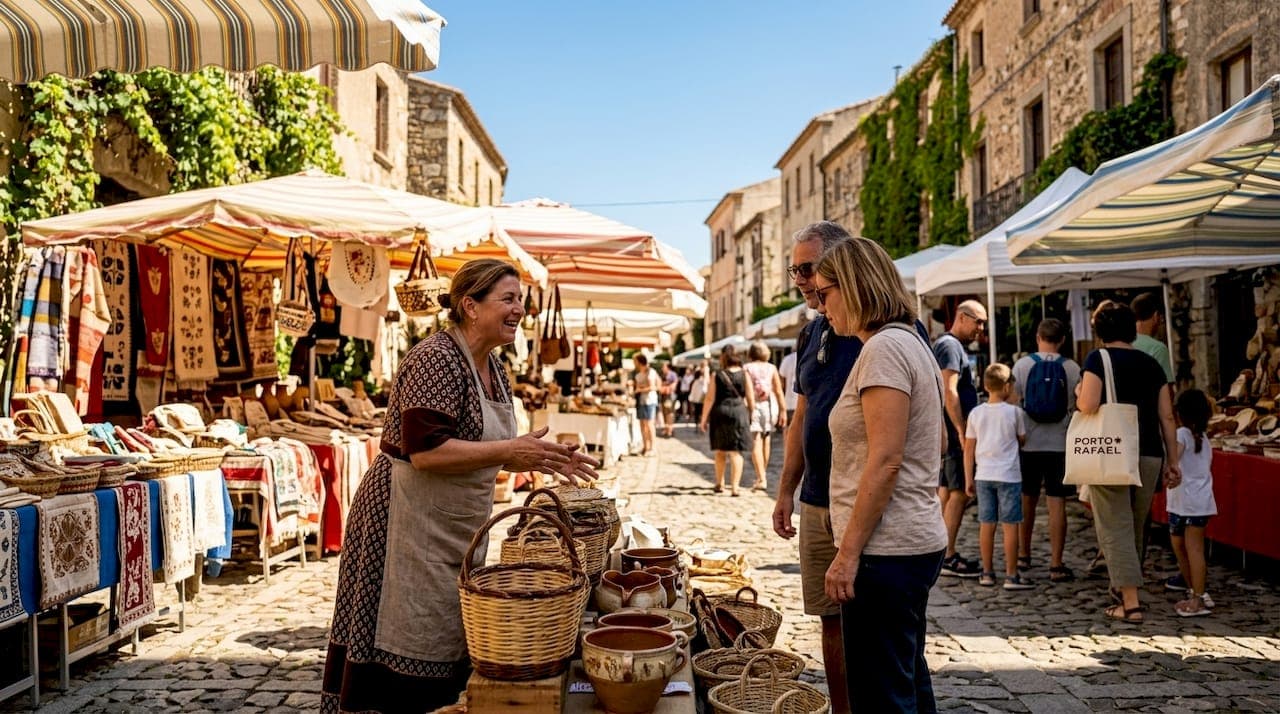
Sardinian craft markets are defined as open-air and indoor trading spaces where local artisans sell handmade goods rooted in centuries of island tradition. This guide to local craft markets in Sardinia covers everything a traveller needs: which markets to visit, what to buy, how to spot genuine crafts, and when to arrive. From the cultural richness of Sardinia to the tactile beauty of pibiones textiles and hand-thrown ceramics, these markets offer far more than shopping. Towns such as San Pantaleo, Alghero, Olbia, and Cagliari each host their own distinct market culture, shaped by local heritage and community life.
What to expect at Sardinian craft markets
Weekly markets in Sardinia typically run from 7:00 AM to 1:00 PM, with summer evening markets opening after 7:00 PM in tourist areas. That early start matters. Artisans set up their best pieces first, and the cooler morning air makes browsing far more pleasant than the midday heat.
The product range at a typical Sardinian artisanal market is genuinely broad. You will find:
- Textiles: pibiones woven rugs and cushions, hand-embroidered linens, and wool blankets
- Ceramics: hand-painted plates, bowls, and decorative tiles in earthy island palettes
- Jewellery: silver filigree pieces and coral-set pendants drawing on Nuragic motifs
- Basketry: woven rush and dwarf palm baskets, still made using techniques passed down through generations
- Food: aged Pecorino Sardo, cured meats, local honeys, and Cannonau wine
Many markets combine food and crafts, turning a single visit into both a cultural and culinary adventure. That combination is one of the most underrated aspects of the Sardinian market experience.
Payment is a practical consideration. Carry cash, as many small artisan vendors do not accept cards. This is not an inconvenience so much as a reminder that you are dealing with independent makers, not retail chains. Plan for a visit of 2–3 hours at any larger market to browse properly and speak with the people behind the stalls.
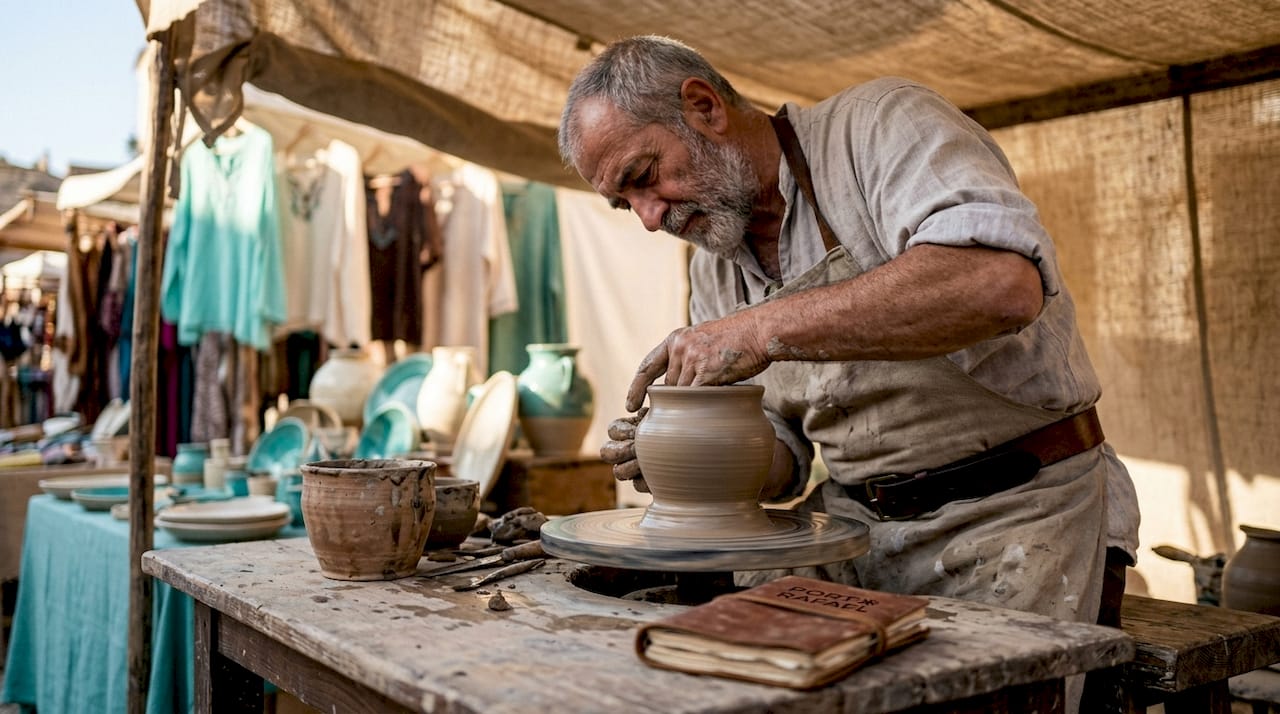
Artisan demonstrations are common at the better markets. Watching a weaver work a loom or a potter shape clay adds a layer of meaning to any purchase. The atmosphere and social interaction at Sardinian markets provide cultural context that no souvenir shop can replicate.
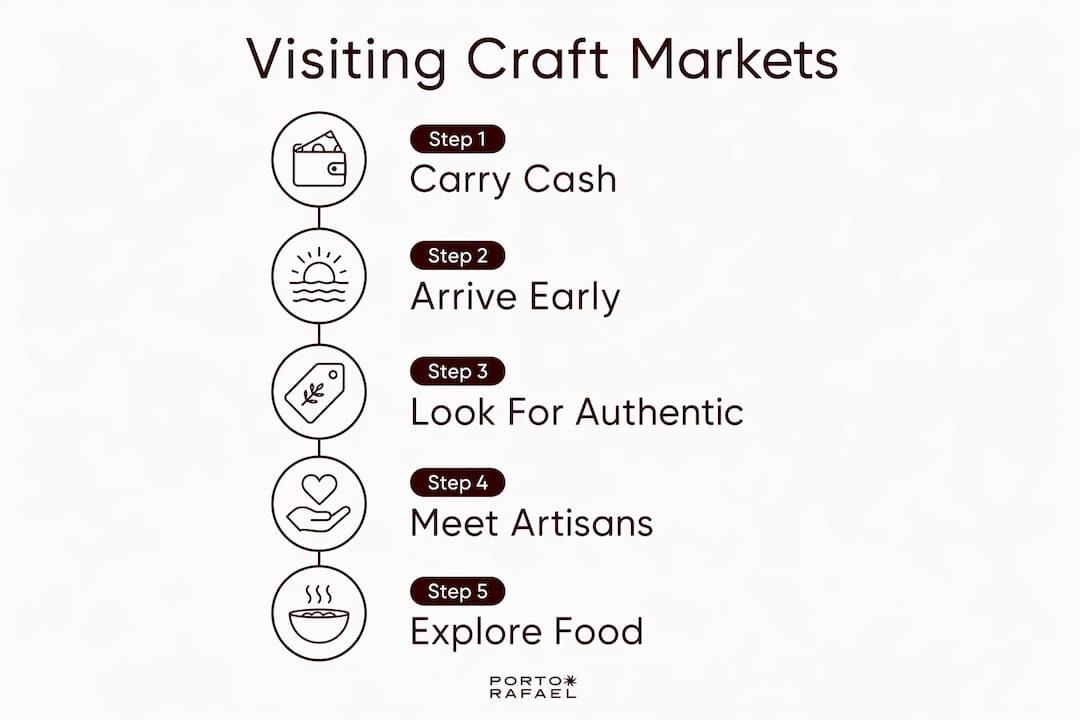
Pro Tip: Bring small denomination notes. Artisans rarely carry change for large bills, and breaking a 50-euro note at a craft stall can be awkward for everyone.
Which markets offer the best authentic crafts in Sardinia?
Not every market in Sardinia is equal in its artisan credentials. Some lean heavily towards food; others are almost entirely craft-focused. The best craft fairs in Sardinia tend to cluster around towns with strong weaving and pottery traditions.
Top weekly markets worth visiting
- San Pantaleo (Thursday): The most celebrated artisan market in northern Sardinia. San Pantaleo's market is a cultural hub blending tradition, history, and community life. Jewellery, textiles, and ceramics dominate the stalls, and the village setting is captivating in its own right.
- Alghero (Wednesday): A well-organised weekly market with a strong showing of local crafts alongside fresh produce. The coral jewellery tradition here is particularly distinctive.
- Mercato di San Benedetto, Cagliari: The largest covered market in Sardinia. While primarily a food market, the surrounding streets host artisan stalls selling ceramics, leather goods, and woven items.
- Olbia (seasonal, summer evenings): Olbia's artisan markets run along Corso Umberto I and through the historic centre during summer evenings, with artisan workshops scattered nearby. Check local tourism boards for current schedules, as dates shift each season.
- Porto Rotondo (summer): A smaller, curated market with a focus on quality over quantity. Ideal for travellers seeking unique souvenirs from Sardinia without the scale of a larger fair.
Artisan cooperatives and workshops
| Location | Name / Type | Speciality |
|---|---|---|
| Mogoro | IS Artas cooperative | Pibiones weaving, traditional textiles |
| Cagliari | Various city workshops | Ceramics, silver filigree |
| Alghero | Independent ateliers | Coral jewellery, embroidery |
| Olbia area | Seasonal pop-up fairs | Mixed crafts, leather, ceramics |
Purchasing directly from cooperatives like IS Artas in Mogoro is the most reliable way to support local communities and guarantee authenticity. These village-based organisations promote both the local economy and the continuation of craft traditions that might otherwise disappear.
The distinction between a craft-focused market and a mixed food and souvenir market is worth understanding before you plan your itinerary. Craft-focused markets, particularly San Pantaleo and the cooperative workshops, attract working artisans. Mixed markets are enjoyable but require more discernment to find genuine handmade pieces among the commercial goods.
How to identify authentic Sardinian handmade crafts
Genuine Sardinian crafts carry unmistakable physical signatures. Authentic textiles use natural wool and plant-based dyes, including madder root for reds, woad for blues, and weld for yellows. The colours have a depth and slight variation that synthetic dyes cannot replicate.
The pibiones technique is perhaps the clearest marker of authenticity. This raised knotting method can take weeks to complete a single panel. A mass-produced imitation simply cannot replicate that density of texture or the subtle irregularity of hand-knotted wool. Run your fingers across the surface: genuine pibiones feels almost sculptural.
Key signs of an authentic piece:
- Irregular texture: Hand-woven and hand-thrown items are never perfectly uniform. Slight variations in weave or glaze are a mark of quality, not a flaw.
- Natural dye depth: Colours appear layered and slightly uneven, with a warmth that synthetic dyes lack.
- Weight and material: Genuine wool pieces are dense and heavy. Ceramics fired in traditional kilns have a particular solidity.
- Artisan markings: Many cooperatives and individual makers sign or stamp their work. Ask to see this if it is not visible.
- The maker's story: A genuine artisan can tell you exactly where the wool came from, which dye plants were used, and how long the piece took to make.
Sardinian crafts have a strong functional heritage, with modern artisans innovating while respecting centuries-old traditions. Younger makers are integrating traditional pibiones weaving with contemporary design, producing pieces that feel both timeless and fresh. This is not a craft tradition in decline. It is one actively being reimagined.
Pro Tip: Ask the artisan directly: "Is this made here, by you?" The answer, and the way it is given, tells you almost everything you need to know.
Best times and practical tips for visiting craft markets
Timing a market visit well makes a significant difference to the quality of the experience. Arriving by 7:30–8:00 AM gives you first access to the best pieces and lets you speak with artisans before the crowds arrive and the heat builds. By 11:00 AM at a popular summer market, stalls are busy, the sun is high, and the most distinctive items are often already sold.
- Arrive early. The first hour of any craft market is the most rewarding. Artisans are at their most relaxed, and the selection is at its fullest.
- Allow 2–3 hours. Rushing a market visit means missing the quieter stalls at the edges, which often hold the most interesting work.
- Check seasonal schedules in advance. Summer night markets in Olbia and Porto Rotondo are wonderful, but dates vary. Contact your accommodation or check the local tourism board before planning around them.
- Dress for the weather. Morning markets in july and august are already warm. A hat and water are not optional.
- Engage respectfully with artisans. A brief, genuine conversation about a piece of work is welcomed. Attempting to negotiate aggressively on price is not. These are skilled makers, not market traders.
Seasonal variation shapes the Sardinian market calendar considerably. The summer months bring the largest fairs, the most artisans, and the widest selection of handmade goods. Off-season visits, particularly in april, may, and october, offer a quieter and often more personal experience. The benefits of off-season travel in Sardinia are well documented: fewer crowds, more time with individual artisans, and a more genuine sense of island life.
Combining a market visit with a broader cultural programme deepens the experience considerably. The island's Sardinia festivals often coincide with artisan fairs, creating opportunities to see traditional crafts in their full ceremonial context.
What Sardinian markets taught me about slow travel
The first time I spent a full morning at the San Pantaleo market, I made the mistake most first-time visitors make. I walked the whole thing in forty minutes, bought a small ceramic tile, and left feeling vaguely disappointed. The second time, I arrived at 7:45 AM, sat with a coffee from a nearby bar, and watched the market come to life before I touched a single stall. That changed everything.
What strikes me most about Sardinian artisanal markets is the tension between tradition and ambition. The older weavers in Mogoro work patterns that are, quite literally, 3,000 years old. The younger makers beside them are producing those same patterns in colours and formats that would look at home in a design gallery in Milan. Neither is more authentic than the other. Both are Sardinian.
The instinct to buy quickly and move on is understandable, but it costs you the best part of the experience. The cultural stories behind these crafts are not decorative extras. They are the point. A pibiones cushion bought from the woman who wove it, after a conversation about her grandmother's loom, is a fundamentally different object from the same cushion bought in a gift shop. The price may be similar. The meaning is not.
Supporting local artisans directly is also the only way to ensure these traditions survive. Cooperatives like IS Artas exist because enough travellers chose the workshop over the souvenir shop. That choice matters more than most visitors realise.
— Studio
Craft markets and gourmet Sardinia: a perfect pairing at Porto Rafael
A morning spent at a Sardinian craft market and an evening at a well-chosen table are two of the finest ways to understand this island. Portorafael, the boutique village in Gallura, sits within easy reach of the artisan markets of San Pantaleo, Olbia, and Porto Rotondo, making it a natural base for travellers who want both cultural depth and exceptional dining.
The gastronomy at Porto Rafael reflects the same philosophy as the best local crafts: quality ingredients, time-honoured techniques, and a deep connection to Sardinian heritage. After a morning browsing handmade ceramics and pibiones textiles, the Solaz Restaurant offers gourmet local cuisine that completes the picture of authentic island life. Portorafael is not simply a place to stay. It is a place to understand Sardinia from the inside.
FAQ
What are the best craft markets in Sardinia?
San Pantaleo on Thursdays and Alghero on Wednesdays are the most celebrated weekly craft markets in northern Sardinia. IS Artas in Mogoro is the leading cooperative for authentic pibiones textiles.
What hours do Sardinian markets operate?
Most weekly markets run from 7:00 AM to 1:00 PM. Summer evening markets in tourist areas such as Olbia and Porto Rotondo typically open after 7:00 PM.
How do I spot authentic Sardinian crafts?
Genuine pieces show irregular textures, dense natural wool, and colours with depth from plant-based dyes such as madder root and woad. Mass-produced imitations lack the tactile richness of hand-knotted pibiones work.
Should I bring cash to Sardinian craft markets?
Yes. Many artisan vendors do not accept cards, so carrying cash is strongly recommended. Small denomination notes make transactions easier at individual stalls.
When is the best time to visit Sardinian artisan markets?
Arriving by 7:30–8:00 AM gives you access to the best selection before crowds build. Off-season visits in april, may, and october offer a quieter, more personal experience with individual artisans.