
TL;DR:
- Authentic Sardinian culture emphasizes active participation and inland village exploration.
- Immersive culinary experiences offer insights into Blue Zone longevity and traditional practices.
- Slow, patient travel reveals deeper cultural and natural connections beyond superficial sightseeing.
Discover the benefits of cultural immersion in Sardinia
Sardinia has long captivated travellers with its crystalline waters and sun-bleached coastlines, yet the island's most extraordinary rewards lie far beyond the shoreline. For those seeking a richer, more resonant experience, navigating the distinction between surface-level tourism and genuine cultural immersion can feel overwhelming. This guide offers a considered roadmap for luxury travellers who wish to engage meaningfully with Sardinian life, from ancient culinary traditions and artisan workshops to shepherd walks across timeless landscapes, revealing why the island's true character is best discovered from the inside out.
Key Takeaways
| Point | Details |
|---|---|
| Hands-on experiences | Immersing yourself in Sardinia means actively learning traditional skills and crafts with locals. |
| Blue Zone lifestyle | Participating in Sardinian daily life offers proven wellbeing and longevity benefits. |
| Slow travel rewards | Patient observation and mindful engagement reveal the island’s richest cultural moments. |
| Natural and community bonds | Connecting with both the landscape and local people deepens the luxury travel experience. |
How to identify authentic cultural immersion in Sardinia
Not all travel experiences are created equal, and nowhere is this more apparent than in Sardinia. The island draws millions of visitors each summer, yet only a fraction ever encounter the depth of culture that defines daily Sardinian life. Understanding how to identify authentic immersion is the first and most important step towards a truly rewarding journey.
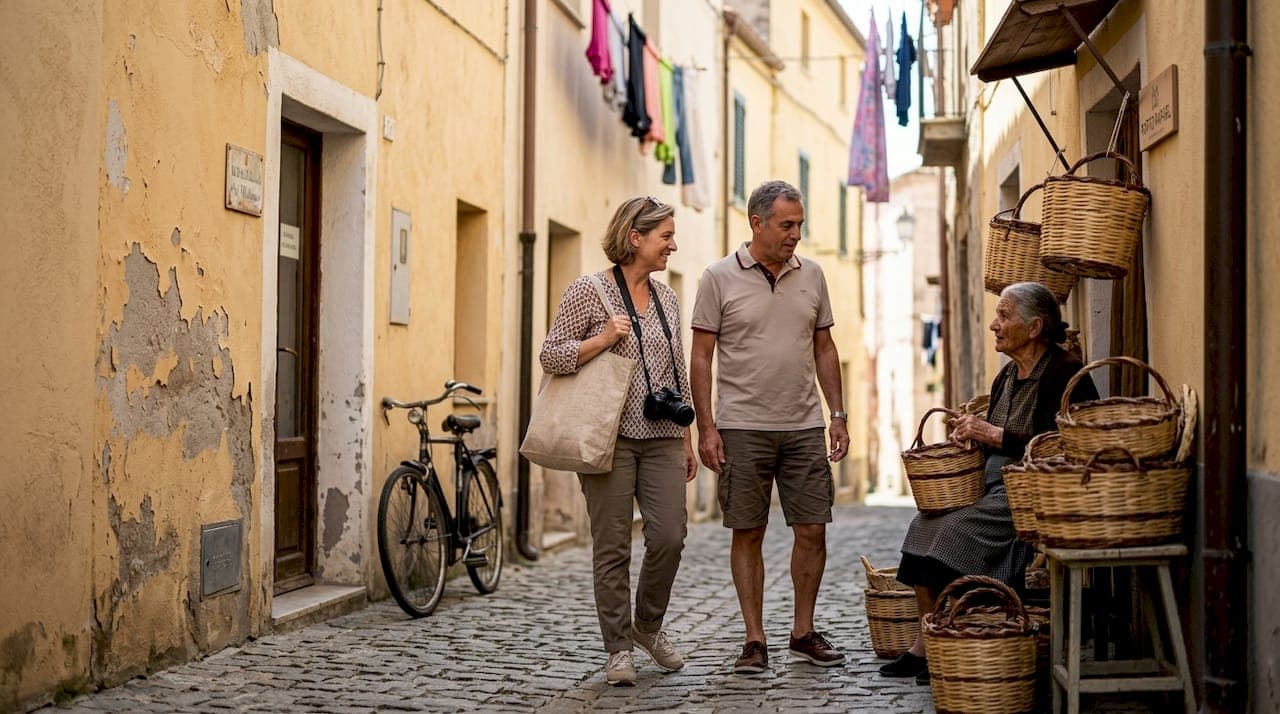
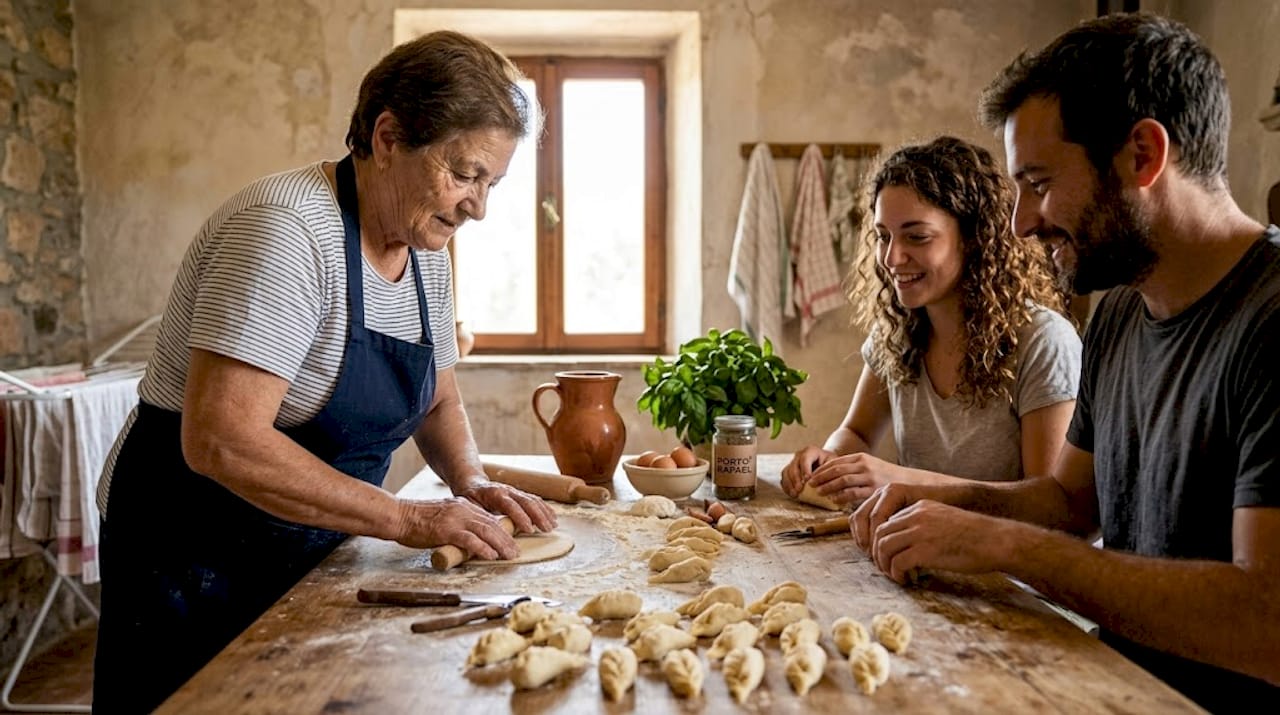
Genuine immersion requires active, hands-on engagement rather than passive observation from a distance. Cultural immersion in Sardinia involves participation in cooking classes, artisan workshops, and visits to local farms and villages, allowing travellers to engage directly with living traditions rather than simply watching them unfold. The difference is profound. Standing in a Nuorese grandmother's kitchen learning to roll malloreddus pasta is a world apart from sampling it in a tourist-facing restaurant.
What separates meaningful immersion from polished performance? Several markers are worth looking for:
- Village location: Coastal resorts are designed for comfort, but the cultural heartland of Sardinia lies inland. Towns such as Orgosolo, Orosei, and Bitti carry centuries of uninterrupted tradition.
- Local participation: Genuine experiences involve real community members, not actors or guides playing roles for outsiders.
- Unscripted moments: Authentic culture cannot be rehearsed. The quiet rhythms of a village square at dusk, elderly men playing scopa beneath an olive tree, or the smell of pane carasau baking in a wood-fired oven are the things that stay with you.
- Seasonal timing: Many of the island's most significant rituals and festivals are tethered to agricultural and religious calendars, not tourist seasons.
Pro Tip: Arrive in a village without an itinerary for at least one morning. Order a coffee at the local bar, sit quietly, and allow the rhythm of daily life to unfold around you. These unplanned hours often yield the most memorable cultural encounters.
"True immersion avoids simplification; observe quietly in villages for unperformed traditions, prioritising inland over coast for cultural density."
Sardinia's most rewarding cultural encounters tend to flourish where genuine Sardinian hospitality is offered freely, rooted in pride rather than commerce. Similarly, spending time in local Sardinian villages reveals layers of history, craftsmanship, and communal identity that no guided tour can replicate. Patience and genuine curiosity remain your most valuable travel tools here.
Culinary traditions: From hands-on cooking to Blue Zone longevity
With the hallmarks of authenticity in mind, let us savour how Sardinian food culture offers unparalleled immersive opportunities. The island's cuisine is not simply a collection of recipes; it is a living archive of centuries-old knowledge, communal practice, and remarkable nutritional wisdom.
Sardinia is home to one of the world's original Blue Zones, specifically the mountainous regions of Ogliastra and Barbagia, where people live measurably longer than almost anywhere else on earth. The figures are striking: Sardinia's Blue Zone produces 16.6 centenarians per 100,000 residents, compared with Europe's average of 10, and features a male-to-female ratio of 2:1 among centenarians versus the global norm of 5:1. These are not coincidences. They are the product of a lifestyle deeply entwined with food, community, and physical activity.
For the luxury traveller, participating in hands-on Sardinian cooking classes is less about learning a recipe and more about absorbing an entire philosophy of nourishment. Consider what these sessions typically encompass:
- Pasta-making by hand: Crafting culurgiones, the intricately folded ravioli of Ogliastra, demands patience and technique passed down through generations.
- Traditional bread baking: Pane carasau, the paper-thin flatbread of shepherds, and civraxiu, a dense sourdough loaf, each carry centuries of agricultural heritage in every fold.
- Pecorino and ricotta production: Joining a local cheesemaker reveals the precise role of sheep farming in both the island's economy and its diet.
- Community feasts: Rural sagre (food festivals) gather entire villages around long tables, with plant-forward dishes, local wines, and the kind of unhurried conviviality that has sustained communities for generations.
| Experience | Location type | Duration | Cultural depth |
|---|---|---|---|
| Pasta-making class | Rural farmhouse | Half day | Very high |
| Bread baking workshop | Village bakery | Morning | High |
| Cheese production tour | Working farm | Full day | Very high |
| Community sagra feast | Village square | Evening | Exceptional |
Pro Tip: When dining locally in Sardinia, ask your host about the provenance of each ingredient. Sardinian cooks take pride in sourcing locally, and this simple question often opens remarkable conversations about land, seasons, and family history.
The health dimension is equally compelling. A diet rich in legumes, vegetables, whole grains, and cannonau wine consumed in moderate quantities forms the nutritional foundation of Blue Zone longevity. Immersing yourself in these Sardinian culinary traditions is not merely a cultural act. It is an investment in your own wellbeing, offering insights that extend well beyond the dinner table and into daily life back home.
Artisans and living traditions: Workshops, festivals, and rural rituals
Beyond the kitchen, Sardinia's cultural tapestry shines through its artisan crafts and living traditions. The island's creative heritage is extraordinary in its variety and vitality, offering immersive encounters that reward both the curious eye and the willing hand.
Sardinian artisanship spans centuries and encompasses a remarkable range of disciplines. For travellers seeking depth over brevity, the following workshops offer the most rewarding points of entry:
- Weaving and textile work: The villages of Mogoro and Samugheo are renowned for hand-woven carpets (tappeti) and textiles featuring geometric patterns that pre-date Roman occupation. A morning spent at a loom reveals both technical mastery and symbolic meaning woven into every thread.
- Ceramics and terracotta: Assemini and Pabillonis produce distinctive hand-painted ceramics using techniques unchanged for centuries. Shaping clay alongside a local ceramicist is both meditative and deeply illuminating.
- Costume and traditional dress: Sardinia's 365 municipalities each possess their own festival costume, a visual language of identity, status, and belonging. Learning to read these garments with a local guide transforms a colourful sight into a rich cultural text.
- Bread art: Decorative breads, known as pani pintau, are sculpted for weddings, baptisms, and festivals, each shape carrying specific symbolic meaning. Joining a breadmaking session reveals the intersection of craft, ritual, and community life.
| Artisan tradition | Best villages | Recommended season | Visitor participation |
|---|---|---|---|
| Carpet weaving | Mogoro, Samugheo | Spring, Autumn | Hands-on workshop |
| Ceramics | Assemini, Pabillonis | Year-round | Studio session |
| Traditional costume | Orgosolo, Mamoiada | Festival periods | Guided tour |
| Decorative bread | Oristano province | Pre-festival weeks | Full workshop |
Festivals occupy a central place in Sardinian life. The authentic Sardinian festivals that mark the island's calendar range from the haunting masked processions of Sa Sartiglia in Oristano each February to the wild horseback races of Sa Carrela 'e Nanti in Santu Lussurgiu. Each event is rooted in agricultural, religious, or ancestral significance, unfolding according to traditions that have resisted homogenisation.
Culture is lived naturally, not staged for tourists; it rewards patience over quick sightseeing.
It is worth noting that not all displays of tradition are equally authentic. Staged performances designed for tourist groups often flatten the complexity of the original ritual. Genuine village celebrations, by contrast, proceed on their own terms, and the discerning traveller who finds a seat at the edge of a real procession will carry the memory far longer than any produced show. Seeking out cultural luxury holidays that prioritise genuine access over spectacle makes all the difference to the quality of what you experience and remember.
Connecting with nature and community: From shepherd walks to local bonds
Just as Sardinia's traditions enliven the senses, the island's landscapes and communities complete the journey to meaningful immersion. Nature and culture are not separate categories here; they are woven together in a seamless, ancient relationship that shapes everyday life from the mountains to the coast.
Shepherd walks represent one of the most distinctive and physically engaging ways to connect with both. Guided by a working shepherd through the macchia mediterranea, the fragrant scrubland of myrtle, rosemary, and wild lavender, travellers gain access to a perspective shaped by millennia of transhumance. The movement of flocks between highland pastures and coastal lowlands has determined settlement patterns, seasonal rhythms, and social structures across the entire island. Shepherd walks and community bonds are central to the Blue Zone lifestyle, offering travellers a visceral connection to the land and the people who tend it.
For the luxury traveller, several nature-based immersion options stand out:
- Guided shepherd walks: Follow working shepherds across Barbagia's plateaux, learning how to read the landscape, identify medicinal herbs, and understand the pastoral economy that underpins much of the island's culture.
- Sea kayaking and coastal exploration: The waters around Gallura are among the clearest in the Mediterranean, and exploring them at water level offers an intimate encounter with the island's geological drama.
- Mountain hiking and canyon trails: The Gorropu gorge, one of Europe's deepest, and the granite peaks of the Gennargentu massif reward those willing to move slowly and look carefully.
- Agricultural immersion: Joining a local farm for an olive harvest or a grape-picking morning connects visitors to the seasonal rhythms that govern Sardinian life.
Pro Tip: Travel outside the peak summer months to experience Sardinia's nature and communities in their most natural state. Spring and early autumn bring wildflower meadows, cooler hiking temperatures, and a quieter atmosphere in villages where local life takes precedence. Discover how off-season Sardinia travel transforms the quality of every cultural encounter.
The broader landscape of Gallura's natural beauty frames all of these experiences with a grandeur that feels both ancient and immediate. Pink granite outcrops, cork oak forests, and the turquoise shimmer of the Maddalena archipelago create a setting in which community, culture, and nature speak a single, unified language. Supporting local guides, artisans, and family-run estates is not simply ethical travel; it is the most direct way to ensure that these traditions remain vital for generations to come.
Why slow, patient immersion yields richer rewards in Sardinia
Conventional tourism has long measured success in terms of distance covered and sites ticked off. Sardinia punishes this approach quietly but thoroughly. Rush through a village, and you encounter painted shutters and a postcard view. Linger, and the village begins to reveal itself: the smell of roasting lamb on a Sunday morning, the sound of launeddas pipes drifting from a courtyard, the particular quality of light on granite at golden hour.
Culture is lived naturally in Sardinia, not staged for passing observers, and it unfolds only for those willing to slow down and pay attention. This is not a passive experience. Slow travel demands genuine curiosity, humility, and a willingness to set aside the schedule. The rewards, however, are proportional to the patience invested.
We believe that mindful travel in Sardinia is the only kind that truly satisfies the discerning traveller. Racing between highlights produces photographs. Staying longer produces understanding. And understanding, in a place as layered and quietly extraordinary as Sardinia, is the rarest luxury of all.
Ready to immerse yourself in Sardinia's unique culture?
If these traditions have stirred a desire to experience Sardinia's living culture firsthand, Porto Rafael offers the ideal base for precisely this kind of thoughtful, unhurried exploration. Nestled in the heart of Gallura, the village combines elegant comfort with genuine proximity to the island's most captivating cultural landscapes.
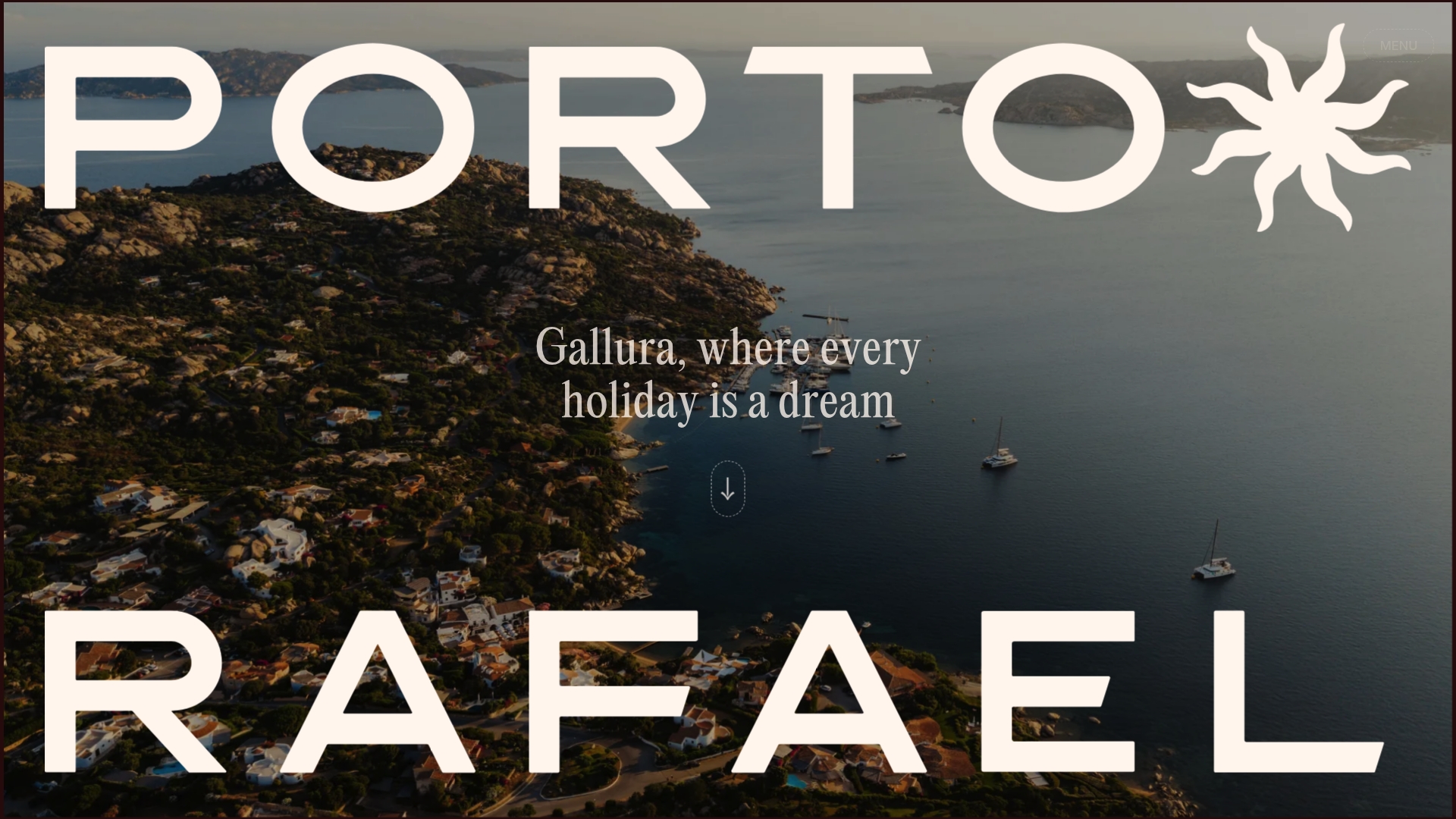
Rest in the refined surroundings of a Prestige Room at Hotel La Piazza, where considered design and gracious service create the perfect retreat after days of cultural discovery. Savour gourmet Sardinian cuisine at the Solaz gourmet restaurant, where local ingredients are celebrated with skill and passion. For those wishing to explore Gallura's breathtaking coastline and cork oak forests at their own pace, Gallura cycling experiences offer a beautifully unhurried way to encounter the landscape that shapes everything here.
Frequently asked questions
What makes Sardinia's cultural immersion unique compared to other regions?
Sardinia offers hands-on access to untouched traditions and a Blue Zone lifestyle, making immersion both authentically cultural and genuinely wellness-focused in ways that few other destinations can match.
Are immersive experiences suitable if I only speak English?
Yes, most hosts across Sardinia warmly welcome English-speaking guests, and hands-on participation in workshops, cooking classes, and farm visits naturally bridges any language gap through shared activity and gesture.
What are the health benefits of following Sardinia's cultural ways?
Adopting the local plant-based diet, community routines, and daily walking may meaningfully support wellbeing and longevity, as evidenced by the Blue Zone research conducted in Ogliastra and Barbagia.
How do I find out when local festivals or rituals take place?
Many villages announce festival dates well in advance, and boutique hotels or knowledgeable local guides can provide up-to-date event recommendations tailored to your travel dates.