
TL;DR:
- A curated list of authentic Sardinian food experiences connects travelers with local producers, traditions, and seasonal flavors. Engaging in farm visits, market walks, wine tastings, and cooking classes allows for meaningful cultural immersion rooted in the land's centuries-old culinary heritage.
- Active participation, personalized guides, and timing experiences with seasonal peaks deepen understanding, making food exploration in Sardinia truly transformative.
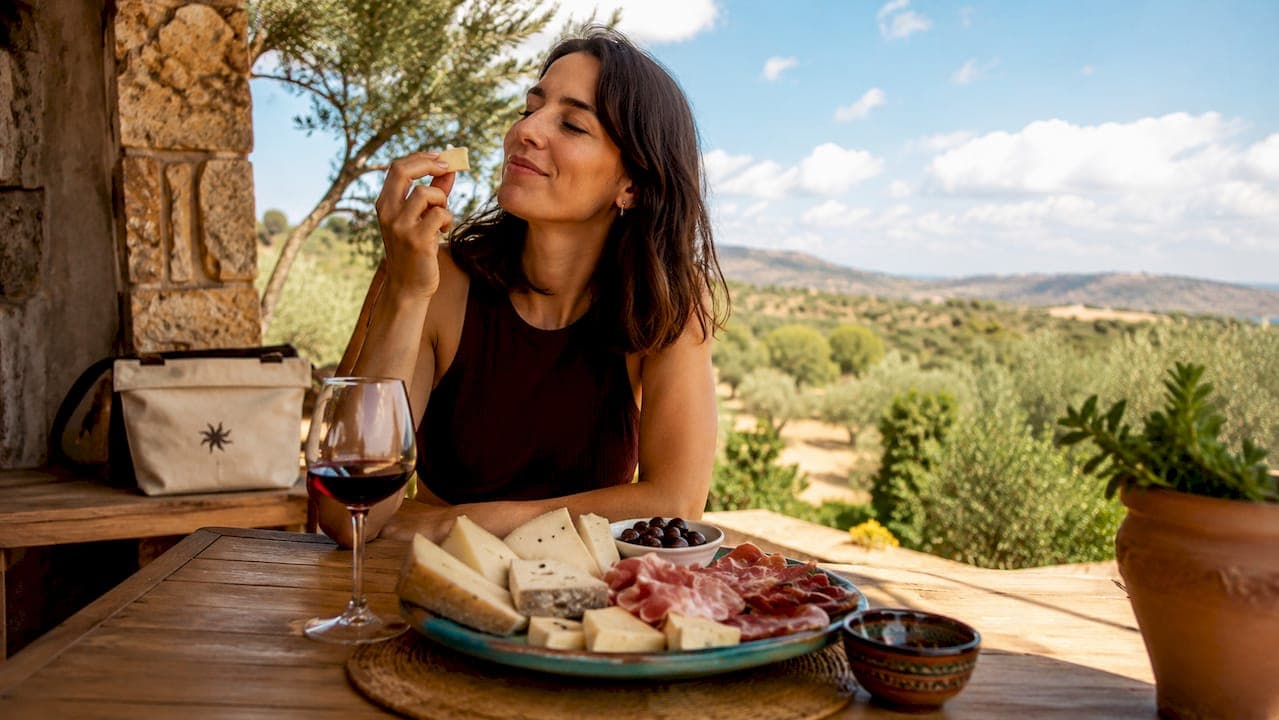
A local food experiences list is a curated selection of authentic culinary activities that connect travellers directly with food traditions, producers, and seasonal flavours. In Sardinia, this means something far richer than a restaurant reservation. The island's culinary heritage spans centuries of pastoral life, ancient winemaking, and market culture shaped by the rhythms of the land. The finest gastronomic experiences here are small in scale and profound in depth, built around producers who still practise their craft by hand, guides who understand the cultural logic behind every dish, and kitchens where seasonality is not a trend but a way of life.
1. What makes a producer and farm visit essential?
Producer and farm visits are the cornerstone of any serious culinary experiences guide for Sardinia. They place you inside the food chain rather than at its end, transforming a meal into something you have genuinely earned. Food and wine experiences in Sardinia commonly include agriturismo stays, pecorino cheese tours, and shepherd days that connect visitors with local producers and traditions rather than simply offering tastings.
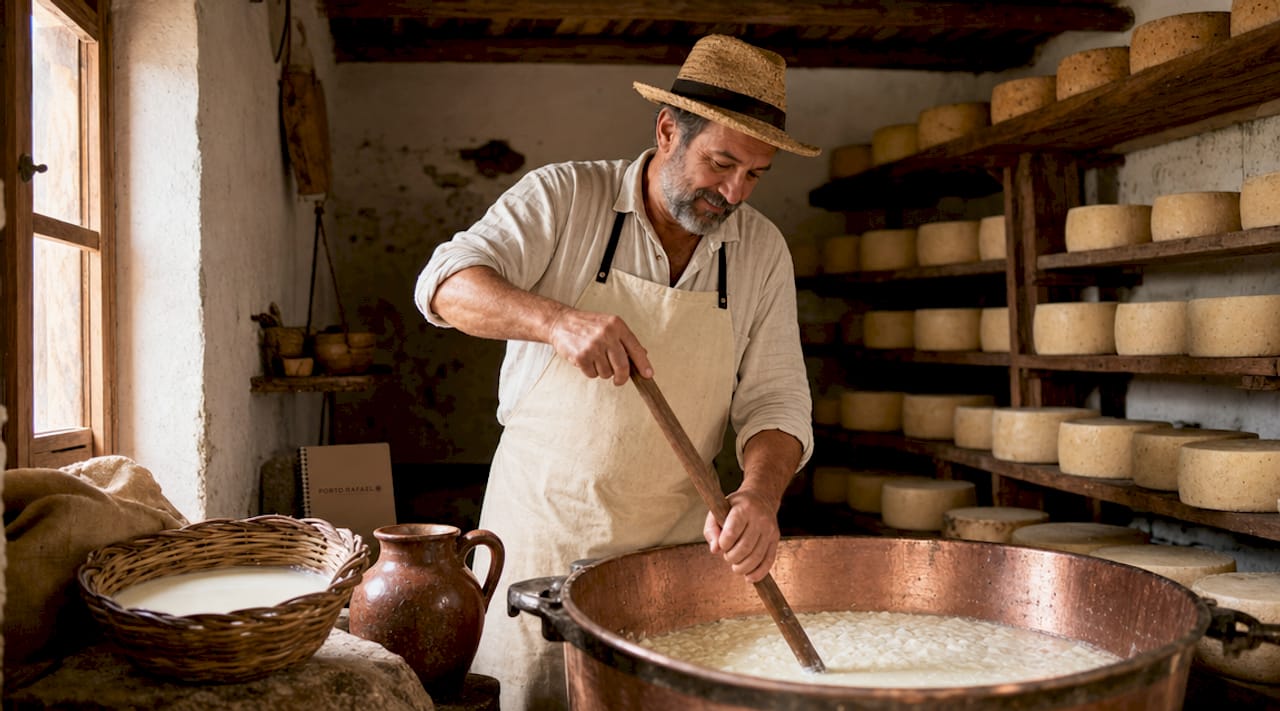
The shepherd's day experience in Bitti is one of the most striking examples on the island. A hands-on pastoral day runs for five to seven hours and includes milking sheep, cork harvesting, and cheese production, followed by a multi-course farmhouse lunch with local wine. The cause-and-effect logic here is what makes it memorable: you do the work, then you eat what that work produced. That sequence creates a depth of connection no restaurant can replicate.
When selecting a farm or producer experience, consider the following:
- Group size: Choose experiences capped at eight to twelve participants to preserve the intimacy and allow genuine interaction with the host.
- Duration: Half-day and full-day formats offer the most immersion. Shorter visits often feel rushed and omit the meal, which is frequently the most culturally revealing part.
- Seasonal alignment: Pecorino production peaks in spring; cork harvesting occurs in summer. Matching your visit to the right season means witnessing the activity at its most authentic.
- Dietary communication: Shepherd-day experiences ask travellers to notify guides of food intolerances in advance. This is not optional courtesy. It is the difference between a meal that works for you and one that does not.
Pro Tip: Avoid experiences marketed primarily to large coach groups. Authentic agriturismo visits are rarely advertised on mainstream booking platforms. Ask your accommodation host for direct referrals to family-run farms in the surrounding area.
2. How do market walks reveal Sardinian culinary seasonality?
Market walks are among the most instructive food tour recommendations for travellers who want to understand how Sardinians actually eat. A well-guided market tour does not simply point at produce. It explains why a particular cheese appears only in autumn, why a specific vendor has supplied the same family for three generations, and how the colour of a tomato signals its provenance.
Market walks in Sardinia include tastings of cheeses, bread, cured meats, and vegetables preserved in oil, with guide commentary on provenance and seasonality. This structure matters because it teaches you to read a market rather than simply shop one. You leave with knowledge, not just purchases.
A well-structured market walk typically follows this progression:
- Orientation: The guide introduces the market's history and the vendors' relationships with local producers.
- Cheese and dairy: Tastings of pecorino at various stages of ageing, from fresh and mild to hard and pungent.
- Cured meats: Samples of prosciutto di cinghiale (wild boar ham) and salsiccia sarda, with explanation of curing methods.
- Bread and pastry: Introduction to pane carasau and seadas, the fried pastry filled with cheese and drizzled with honey.
- Seasonal produce: A focused discussion on what is currently in season and how local cooks use it.
- Vendor introductions: Brief conversations with stallholders, facilitated by the guide, to build a sense of the human network behind the food.
Pro Tip: Morning tours, typically starting between 8am and 10am, catch the market at its fullest and most active. Afternoon visits often find reduced stock and fewer vendors willing to engage at length.
3. Wine tastings and territory experiences worth seeking
Sardinian wine is one of the island's most misunderstood pleasures. Cannonau, the island's signature red grape, produces wines of remarkable depth and variation depending on whether the vines grow in the granite soils of Ogliastra or the limestone plateaus of Nuoro. Understanding these differences is what separates a genuine wine territory experience from a generic tasting.
Wine tastings in Sardinia are curated as experiences within wineries, often paired with local food and guided by producers who can speak directly to the relationship between landscape and flavour. The best formats combine a vineyard walk with a seated tasting of three to five wines, each paired with a regional food that amplifies the wine's character.
| Format | Best for | Typical duration | Group size |
|---|---|---|---|
| Winery tasting only | Wine-focused visitors | 1.5 to 2 hours | Up to 20 |
| Vineyard walk and tasting | Those wanting landscape context | 2.5 to 3 hours | Up to 12 |
| Wine and food pairing lunch | Full sensory immersion | 3 to 4 hours | Up to 8 |
| Wine territory day tour | Deep regional exploration | Full day | Up to 6 |
Key Sardinian wines to seek out during a tasting experience:
- Cannonau di Sardegna: The island's most celebrated red, with notes of dark fruit, dried herbs, and a characteristic mineral finish.
- Vermentino di Gallura DOCG: The only DOCG wine in Sardinia, grown in the Gallura region around Porto Rafael, with a crisp, aromatic profile ideal alongside seafood.
- Carignano del Sulcis: A robust red from the south-west, often aged in oak, with a richness that pairs well with aged pecorino.
- Vernaccia di Oristano: An oxidative white wine unlike anything produced elsewhere in Italy, best understood as an aperitivo or dessert wine.
4. Why cooking classes offer the deepest immersion
Cooking classes are the unique food activity that converts passive appreciation into active understanding. You do not simply taste Sardinian food. You learn why it is made the way it is, which ingredients are non-negotiable, and which techniques have been passed down without alteration for generations.
Private cooking classes are best for dietary flexibility and hands-on learners who want both recipes and cultural insight. A small-group class of four to eight participants allows the chef to slow down, answer questions, and adapt the session to the group's pace and interests. Larger classes often sacrifice this intimacy for efficiency.
Typical dishes taught in a Sardinian cooking class include:
- Culurgiones: The island's iconic stuffed pasta, filled with potato, pecorino, and mint, sealed with a distinctive wheat-ear fold that takes practice to master.
- Porceddu: Slow-roasted suckling pig, the centrepiece of Sardinian celebrations, prepared with myrtle and rosemary.
- Malloreddus al ragù: Small semolina pasta shells served with a slow-cooked meat sauce, a staple of the Campidano plain.
- Seadas: The honey-drizzled fried pastry that ends most traditional Sardinian meals.
The Sardinian cooking class at Portorafael in Gallura incorporates seasonal ingredients sourced from the surrounding region, giving participants a direct connection between the landscape they have been exploring and the food they are preparing.
Pro Tip: Always communicate dietary restrictions directly to the host before booking, not through a third-party platform. Hosts who receive this information in advance can substitute ingredients thoughtfully rather than simply omitting them.
5. Agriturismo stays as a full culinary immersion
An agriturismo stay is the most complete entry on any local gastronomic experiences list because it combines accommodation, meals, and producer access in a single setting. You wake on a working farm, eat what the farm produces, and spend the day in proximity to the people who grow, raise, and preserve the food on your plate.
Sardinian agriturismo properties range from modest family farms in the Barbagia highlands to polished estates in the Gallura wine country. The quality of the experience depends less on the property's facilities and more on the host family's willingness to include guests in daily life. The best stays involve a shared evening meal at a communal table, where conversation about the farm's history and the season's challenges is as nourishing as the food itself.
Booking an agriturismo requires more lead time than a hotel. Many properties operate with limited rooms and fill quickly during spring and early autumn, when the farm is most active. Contacting the property directly, rather than through a large booking platform, also tends to yield a more personal welcome and greater flexibility around arrival times and meal preferences.
6. Guided food tours in Sardinian towns and villages
Guided food tours through Sardinian towns offer a different rhythm from farm visits or market walks. They move through the built environment, connecting food to architecture, history, and social life in ways that a rural experience cannot. A well-designed town food tour in Cagliari, Alghero, or Oristano will take you into a salumeria that has operated since the 1940s, a bakery where pane carasau is still made in a wood-fired oven, and a wine bar where the owner pours Vermentino from an unlabelled bottle because the label is unnecessary among regulars.
The best local dining options on these tours are rarely the most prominent. Guides who know their town will steer you away from the restaurants facing the main piazza and towards the trattorie on side streets where the menu changes daily and the clientele is entirely local. This is where you eat locally in the truest sense.
Immersive culinary travel is distinguished by avoiding tourist-centric menus and venues and engaging with cooks and producers within their local context. A guided town food tour, when led by someone with genuine community ties, achieves exactly this.
7. How to plan and book Sardinian food experiences
Planning a curated food itinerary in Sardinia requires attention to timing, group format, and the practical details that most travellers overlook until it is too late. The table below summarises the key booking considerations for each experience type.
| Experience type | Best season | Ideal group size | Advance booking needed | Dietary notice required |
|---|---|---|---|---|
| Shepherd's day | Spring to early summer | 2 to 8 | 2 to 4 weeks | Yes, essential |
| Market walk | Year-round | 2 to 10 | 1 week | Recommended |
| Wine tasting | Spring, autumn | 2 to 12 | 1 to 2 weeks | Optional |
| Cooking class | Year-round | 2 to 8 | 1 to 2 weeks | Yes, essential |
| Agriturismo stay | Spring, autumn | 2 to 6 | 4 to 8 weeks | Yes, essential |
| Town food tour | Year-round | 2 to 10 | 1 week | Recommended |
Booking metadata such as days available and minimum group sizes helps travellers build feasible itineraries and avoid missing experiences not offered on specific days. A Wednesday pecorino tour, for example, may not run on Saturdays regardless of demand.
Key planning principles to follow:
- Research the seasonal calendar before fixing your travel dates. Spring and early autumn offer the widest range of active farm and producer experiences.
- Book exclusive experiences directly with the host where possible to allow personalisation and dietary accommodation.
- Combine at least two experience types in your itinerary. A market walk followed by a cooking class, for instance, creates a satisfying arc from raw ingredient to finished dish.
- Allow rest days between intensive experiences. Culinary immersion is absorbing, and the most memorable meals are often the ones eaten slowly, without an agenda.
What I have learnt from eating through Sardinia
The most common mistake I observe among food travellers in Sardinia is treating the island's culinary culture as a series of boxes to tick. They book the cooking class, attend the wine tasting, and photograph the market stall, but they miss the connective tissue: the conversation with the shepherd about why this year's cheese tastes different, or the baker's explanation of why pane carasau was designed to last for months in a shepherd's pack.
Small-group tours with skilled guides allow guides to adapt pace and interests, enhancing immersion and preserving authenticity. This is not marketing language. It is the practical difference between an experience that changes how you think about food and one that simply confirms what you already knew.
The travellers who leave Sardinia most transformed are those who embraced the cultural immersion that comes from active participation: kneading pasta dough, asking the winemaker an awkward question, or accepting a second helping of something they had never heard of before. Sardinia rewards curiosity with extraordinary generosity. The table is always larger than you expect.
— Studio
Discover Sardinian cooking with Portorafael
For travellers who want to take their culinary journey a step further, Portorafael offers an authentic chef-led cooking class in the heart of Gallura. Set within the boutique village of Porto Rafael, the experience brings together seasonal ingredients from the surrounding region, traditional Sardinian recipes, and the kind of intimate, small-group setting that makes genuine learning possible.
Whether you are a seasoned cook or simply someone who loves to eat well, this is a rare opportunity to understand Sardinian food from the inside. Places are limited to preserve the quality of the experience. Book your place at the Portorafael cooking class and bring the flavours of Sardinia home with you.
FAQ
What is a local food experiences list for Sardinia?
A local food experiences list for Sardinia is a curated selection of authentic culinary activities including producer visits, market walks, wine tastings, cooking classes, and agriturismo stays. These formats connect travellers directly with Sardinian food traditions and seasonal produce rather than offering generic dining options.
When is the best time to book food experiences in Sardinia?
Spring and early autumn are the most rewarding seasons for food experiences in Sardinia, as farm activities, cheese production, and harvest events are at their peak. Year-round options such as cooking classes and market walks remain available outside these windows.
How important is it to notify hosts of dietary restrictions?
Notifying hosts of dietary restrictions in advance is essential for farm and chef experiences. Hosts who receive this information before the visit can substitute ingredients thoughtfully, whereas last-minute requests often result in simple omissions rather than genuine alternatives.
Are small-group food tours worth the higher cost?
Small-group culinary tours consistently deliver greater authenticity and adaptability than larger group formats. The guide can adjust the pace, answer questions in depth, and connect participants with producers in a way that large groups make impossible.
What Sardinian dishes should I learn to cook first?
Culurgiones, the island's stuffed pasta sealed with a distinctive wheat-ear fold, and seadas, the honey-drizzled fried pastry, are the two dishes that most clearly express Sardinian culinary identity and are commonly taught in cooking classes across the island.