
TL;DR:
- Sardinia's sea caves are ancient limestone formations that record climate history and house fragile ecosystems. Human activity threatening these caves underscores the importance of responsible tourism and strict conservation measures. Visiting during off-peak hours with careful planning helps protect these geological and ecological treasures.
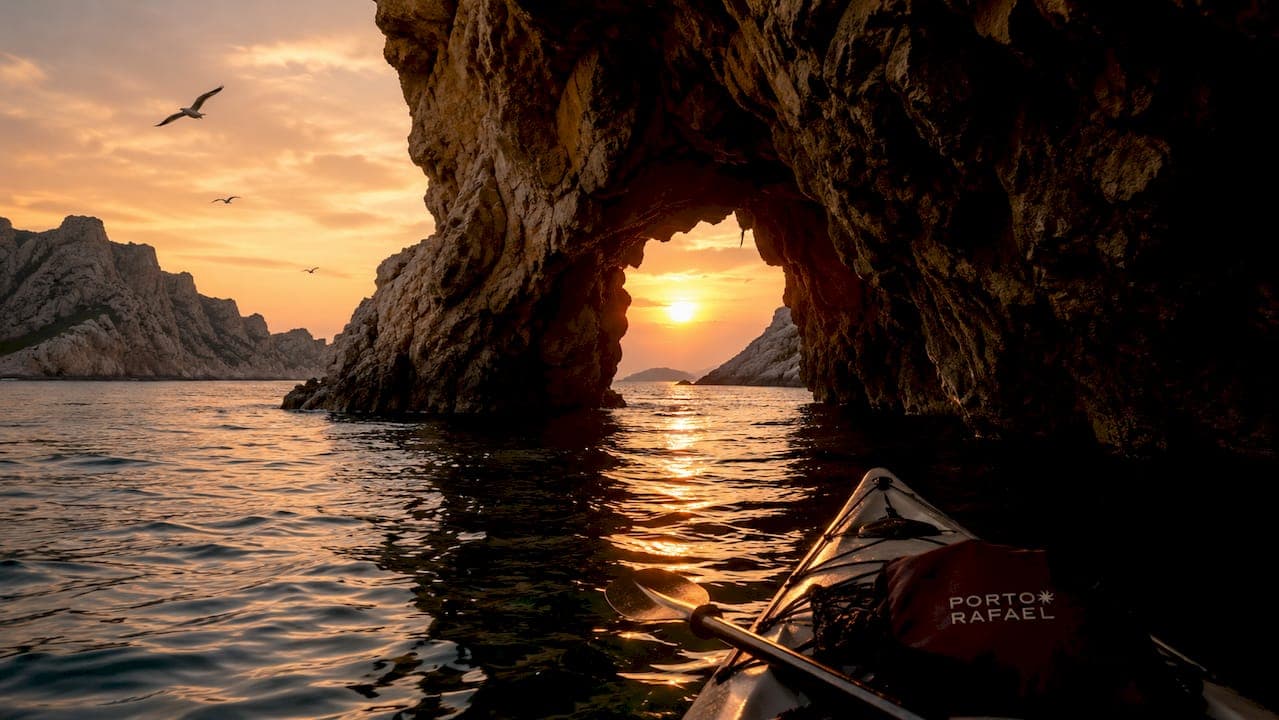
Sardinia's sea caves are karst limestone formations that serve simultaneously as geological archives, living ecosystems, and cultural landmarks of extraordinary depth. The role of sea caves in Sardinia extends far beyond their visual splendour: these chambers record millions of years of climatic history, shelter some of the Mediterranean's rarest marine species, and draw travellers seeking encounters with nature in its most elemental form. Formations like the Grotte del Bue Marino and Neptune's Grotto rank among Europe's most significant cave systems, each shaped by processes that began 70–100 million years ago. Understanding what these caves are, how they formed, and why they matter transforms any visit from a scenic excursion into something genuinely revelatory.
How are Sardinia's sea caves formed?
Sardinia's sea caves originate through karst dissolution, a process in which slightly acidic rainwater and seawater slowly dissolve limestone bedrock over geological timescales. The island's coastline sits atop ancient carbonate rock formed 70–100 million years ago, creating ideal conditions for cave development on a grand scale. Freshwater percolating from above and saltwater pressing in from the sea work in concert, carving passages, chambers, and subterranean lakes of remarkable scale.
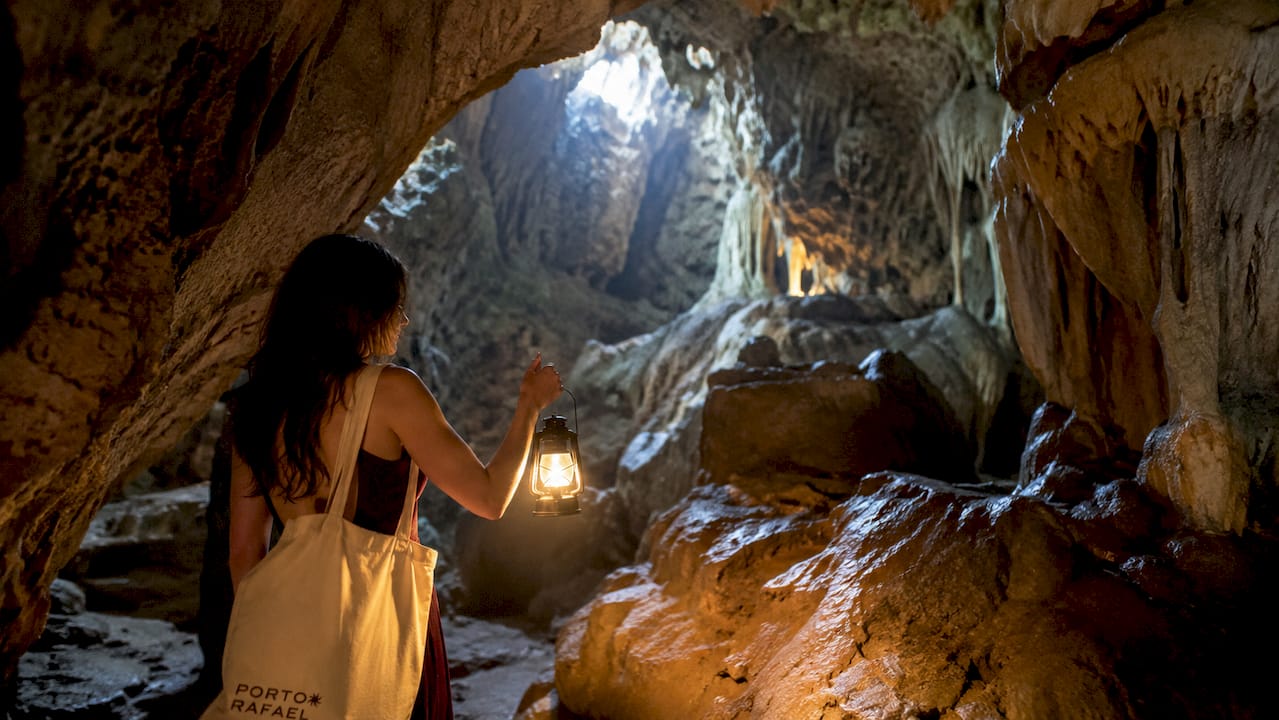
The results are extraordinary. Neptune's Grotto, carved into the Capo Caccia cliffs that rise 180–186 metres above sea level, extends 4 km into the headland and contains a 120-metre-long saltwater lake. The Grotte del Bue Marino stretches over 70 km inland, though only approximately 1 km is accessible to visitors. That inaccessible majority is not empty space. It forms a living, breathing network where airflow shifts rapidly with sea conditions, creating internal climate variability that shapes the cave's ecology.
One feature that geologists prize above all others is the corrosion notch. These horizontal grooves etched into cave walls mark ancient halocline positions, the boundary where freshwater meets saltwater. Corrosion notches serve as proxies for past sea-level changes, making each cave wall a timeline written in stone. Casual visitors walk past these marks without a second glance, yet they contain climatic data that no instrument can replicate.
Key geological characteristics of Sardinia's major cave systems include:
- Limestone age: 70–100 million years, placing formation in the Cretaceous period
- Neptune's Grotto scale: 4 km depth, 120-metre saltwater lake, SPAMI protected status since 2009
- Grotte del Bue Marino extent: over 70 km of mapped passages
- Capo Caccia cliff height: 180–186 metres above sea level
- Corrosion notches: geological records of sea-level and climate history
What ecological roles do Sardinian sea caves play?
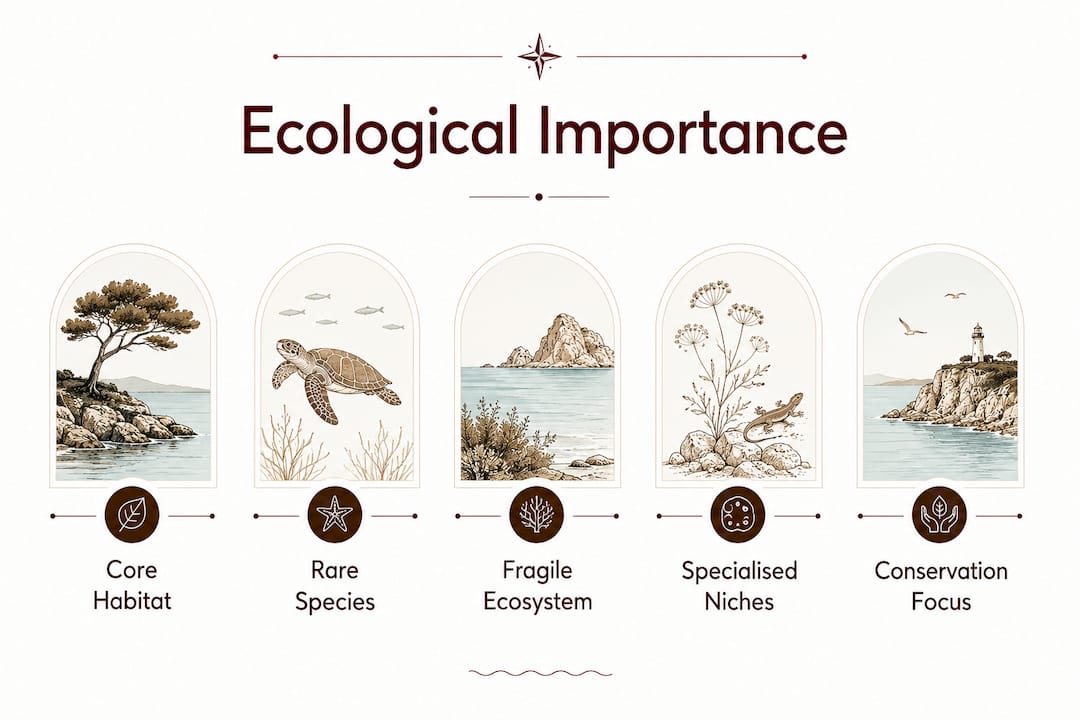
The Sardinia sea cave ecosystem is one of the most fragile and specialised marine environments in the Mediterranean. These caves do not simply shelter life; they define it. Species that thrive here are adapted to low light, fluctuating salinity, and the rhythmic pulse of wave energy that penetrates even the deepest chambers.
The monk seal and its vanished presence
The Grotte del Bue Marino takes its name, meaning "cave of the sea ox," from the Mediterranean monk seal, which used these chambers as breeding and resting sites until the 1970s. The monk seal is one of the world's most endangered marine mammals, with global populations numbering in the hundreds. Its disappearance from Sardinian caves reflects the broader pressure of human activity on coastal ecosystems. The caves remain structurally ideal habitat; the seals are simply gone.
Fragility encoded in species dependency
Research into Atlantic marine cave ecosystems reveals a striking vulnerability. Over 81% of ecological roles in semi-dark cave sectors are fulfilled by single species. That figure means the loss of one organism can collapse an entire ecological function. Wave energy from the open ocean drives over 33% of environmental variation within these systems, connecting cave health directly to open-sea conditions. A cave is not isolated; it breathes with the sea.
Sardinian caves shelter madreporarians, a group of reef-building corals that require precise conditions of temperature, light, and water chemistry. These organisms grow at imperceptibly slow rates and cannot recover quickly from disturbance. Their presence signals a healthy cave; their absence signals damage that may take centuries to reverse. Local authorities stress that managing visitor access is vital not merely for safety but for the survival of species like these.
The marine life in Sardinia caves also includes sponges, sea fans, and photophobic invertebrates that occupy the twilight zones where sunlight barely reaches. These species form the base of a food web that extends outward into the open sea. Protecting the cave protects far more than the cave itself.
How do tourism and conservation efforts balance in Sardinia's caves?
The tension between visitor access and ecological preservation defines cave management across Sardinia. The Capo Caccia – Isola Piana Marine Protected Area, which holds SPAMI status under the Barcelona Convention, governs access to Neptune's Grotto and the surrounding coastline. Management within this protected area prioritises the balance between accessibility and preservation, with safety and environmental protection as the primary considerations.
The tourism impact of Sardinia caves is real and measurable. Wave energy and human activity both degrade cave ecosystems, even within protected zones. Footfall compacts cave floors, alters humidity, and introduces light levels that disturb photophobic species. The challenge is not whether to allow visitors, but how to structure access so that the experience remains meaningful without becoming destructive.
Current management approaches include:
- Limited tour group sizes to reduce physical impact on cave floors and walls
- Boat-only entry for Neptune's Grotto, restricting access to calm sea conditions
- Seasonal restrictions that close or limit access during ecologically sensitive periods
- Specialist guided tours that include ecological briefings before entry
- No-touch policies for cave formations, flora, and any visible fauna
Pro Tip: Book Neptune's Grotto tours well in advance for may or june visits. Demand peaks sharply in july and august, and tour group limits mean popular slots sell out weeks ahead.
The conservation of sea caves in Sardinia also benefits from citizen science. Divers and snorkellers who report unusual species sightings or signs of damage contribute to monitoring programmes that formal surveys cannot cover comprehensively. Responsible visitors are, in this sense, part of the protection system.
What practical tips help visitors experience Sardinia's caves responsibly?
Visiting Sardinia's sea caves well requires preparation. The experience rewards those who plan thoughtfully and arrive with genuine curiosity rather than simply a camera.
Timing your visit
Early mornings in may, june, or september offer the finest conditions: calm waters, softer light, and far fewer visitors. The atmosphere in an uncrowded cave is categorically different from the midday rush of high summer. Silence amplifies every drip and echo, and the quality of light through cave mouths shifts beautifully in the early hours. Sardinia's off-season travel benefits extend well beyond cost savings; they offer a more intimate encounter with places like these.
Getting there and physical demands
Neptune's Grotto is accessible by boat from Alghero or via the Escala del Cabirol, a staircase of 654 steps carved into the cliff face. The staircase descent is steep and uneven; visitors with limited mobility should opt for the boat route. The Grotte del Bue Marino near Cala Gonone requires a boat journey along the Gulf of Orosei, one of the most spectacular stretches of coastline in the Mediterranean.
Photography inside the caves
Natural cave lighting favours long exposures over flash photography. Flash flattens the high-contrast interiors and destroys the sense of depth that makes cave photography compelling. A small tripod or a stable surface transforms results dramatically. Shoot in RAW format if your camera allows, and bracket exposures to capture the full tonal range of lit and shadowed areas.
- Avoid flash photography entirely inside cave chambers
- Use a small travel tripod or brace against stable surfaces
- Shoot during guided tours when artificial lighting is at its most consistent
- Focus on reflections in subterranean pools for dramatic compositions
- Respect no-photography zones, which exist to protect light-sensitive species
Pro Tip: Wear layers inside the caves regardless of surface temperature. The Grotte del Bue Marino's airflow changes rapidly with sea conditions, and cave interiors can feel significantly cooler than the Sardinian summer outside.
Exploring Sardinian marine life beyond the caves rewards equally. The waters around Capo Caccia and the Gulf of Orosei hold some of the clearest and most biodiverse seas in the Mediterranean, and a cave visit pairs naturally with snorkelling or a guided marine tour.
Why these caves deserve more than a passing glance
There is a tendency among travellers to treat sea caves as photogenic backdrops rather than as the complex systems they are. I understand the impulse. The visual impact of Neptune's Grotto or the Grotte del Bue Marino is immediate and overwhelming. The stalactites, the colour of the water, the scale of the chambers: all of it commands attention before any ecological or geological thought has a chance to form.
What I find more affecting, on reflection, is the knowledge that these formations are not static. They are dynamic karst systems where freshwater and saltwater interact continuously, part of hidden larger networks that affect internal climates and environmental health in ways that remain only partially understood. The corrosion notches on the walls are not decoration. They are records of seas that no living person has seen.
The monk seal's absence from the Bue Marino caves sits with me as a quiet warning. The caves are structurally unchanged. The habitat is still there. What changed was the pressure applied by human activity over a few decades. That is a short time in geological terms, and a sobering one. Off-peak visits, smaller groups, and genuine engagement with conservation guidance are not inconveniences. They are the minimum that places of this age and fragility deserve.
— Studio
Sardinia's sea caves and the Portorafael experience
Portorafael sits in the Gallura region of northern Sardinia, placing guests within reach of some of the island's most captivating natural wonders.
The boutique village of Porto Rafael offers a considered base for travellers who wish to experience Sardinia's coastline with depth and care. The Principe suite at Hotel La Piazza provides refined accommodation that reflects the timeless character of the Gallura landscape. After a morning on the water exploring sea caves, the Labenoi Atelier offers a different kind of discovery: the artisanal and design culture that gives Porto Rafael its distinctive identity. Portorafael combines expert local knowledge, curated excursions, and a genuine commitment to the natural heritage that makes this corner of Sardinia so rare.
FAQ
What are Sardinia's sea caves made of?
Sardinia's sea caves are karst formations carved from ancient limestone bedrock, with the rock dating back 70–100 million years. Dissolution by acidic rainwater and seawater over geological time creates the passages, chambers, and subterranean lakes found in systems like Neptune's Grotto and the Grotte del Bue Marino.
How long is Neptune's Grotto in Sardinia?
Neptune's Grotto extends 4 km into the Capo Caccia headland and contains a 120-metre-long saltwater lake. It has held SPAMI protected status under the Barcelona Convention since 2009.
Why are Sardinia's sea caves ecologically important?
These caves provide habitat for rare species including madreporarian corals and historically the Mediterranean monk seal. Research shows that over 81% of ecological roles in semi-dark cave sectors depend on single species, making the ecosystems highly vulnerable to disturbance.
When is the best time to visit Sardinia's sea caves?
May, june, and september offer the best conditions: calm seas, fewer visitors, and more atmospheric lighting. Early morning departures enhance the experience further by avoiding midday heat and peak tour group congestion.
Can you photograph inside Sardinia's sea caves?
Photography is permitted in most areas, but flash photography is strongly discouraged. Long exposures using a small tripod or stable surface produce far better results, capturing the ambient lighting and structural detail that flash photography flattens.