
TL;DR:
- Wellness in luxury travel now integrates evidence-based health programs focused on measurable outcomes, moving beyond traditional spa services.
- In 2026, trends emphasize privacy-centered retreats, AI-personalized schedules, sleep optimization, and longevity-focused treatments within natural, tranquil environments.
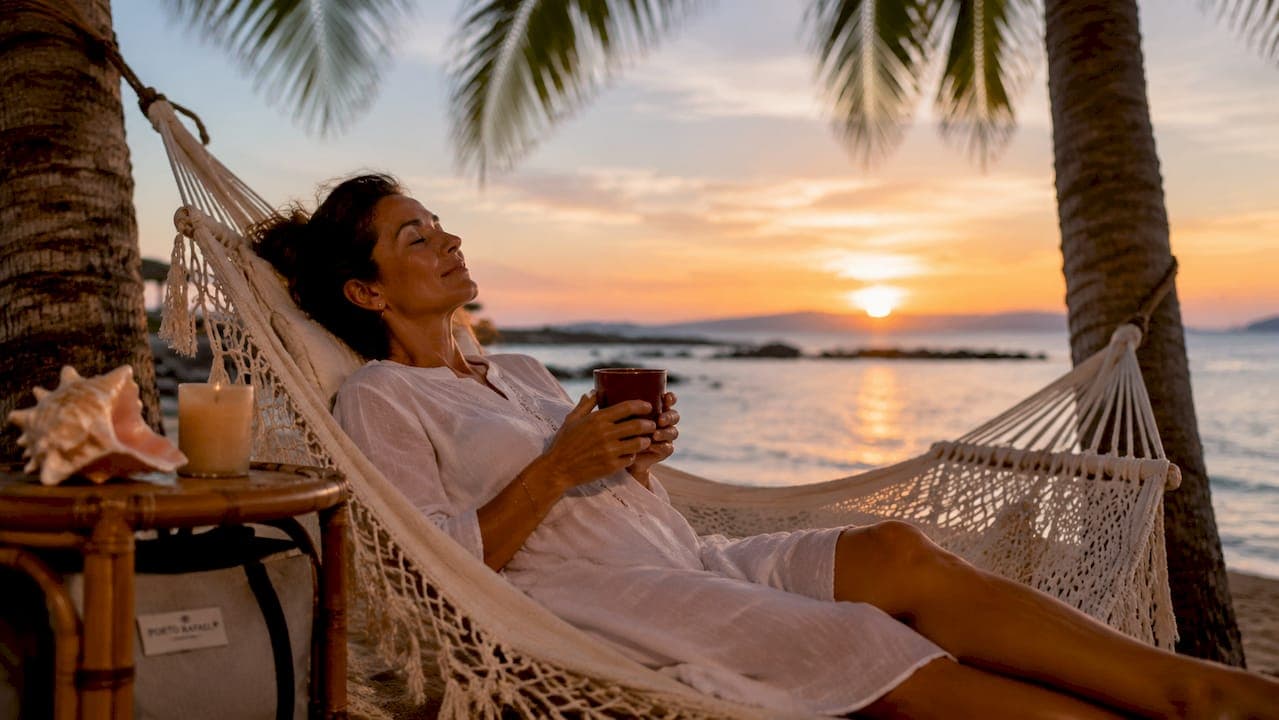
Wellness in luxury travel is defined as the integration of structured, evidence-based health and recovery programmes into premium travel experiences, moving well beyond the traditional spa menu. The Global Wellness Institute reports that US wellness spending now exceeds $6,000 per capita annually, a figure that signals how deeply health priorities have reshaped what affluent travellers expect from a holiday. The industry term for this phenomenon is wellness tourism, and its role in luxury travel has shifted from optional indulgence to a defining feature of the finest properties worldwide. Where a luxury stay once meant thread counts and Michelin stars, it now means sleep tracking, longevity diagnostics, and nervous system reset programmes designed to produce measurable outcomes. This guide explores what that transformation looks like in 2026, why the science supports it, and how you can make the most of it.
What are the latest wellness trends shaping luxury travel in 2026?
The 2026 wellness tourism trends identified by the Global Wellness Institute reveal a decisive shift away from large resort spas towards intimate, privacy-centred formats designed around nervous system recovery. Four trends stand out as particularly significant for affluent travellers planning their next retreat.
- Cocooning and privacy as luxury. Shorter, privacy-focused trips are replacing week-long resort stays. The Global Wellness Institute describes the luxury of privacy as a central design principle for 2026, with properties building around space, quiet, and reduced sensory stimulation rather than amenity volume. A secluded villa with a dedicated wellness concierge now outranks a crowded spa floor in the eyes of discerning travellers.
- AI-personalised itineraries. Artificial intelligence is being used to design daily wellness schedules based on biometric data, sleep patterns, and stress markers collected on arrival. This is not a gimmick. When a programme adapts to your cortisol levels rather than a fixed timetable, the outcomes improve measurably.
- Sleep restoration programmes. Sleep has become the centrepiece of luxury wellness. Properties now offer sleep-tracking technology, circadian lighting systems, and nutritional protocols timed to improve sleep architecture. The BBC's reporting on wellness retreats confirms that luxury properties worldwide are transforming their offering around outcome-oriented sleep and recovery.
- Longevity and glow-cation travel. Longevity-focused programmes, including diagnostic blood panels, VO2 max testing, and red light therapy, are appearing at properties that once offered only facials and massages. The "glow-cation" concept, which prioritises skin health, inflammation reduction, and visible physical renewal, has moved from niche to mainstream in premium hospitality.
Pro Tip: Before booking a wellness retreat, ask the property specifically what metrics they track and how those measurements are reported back to you. A credible programme gives you data you can act on after you leave.
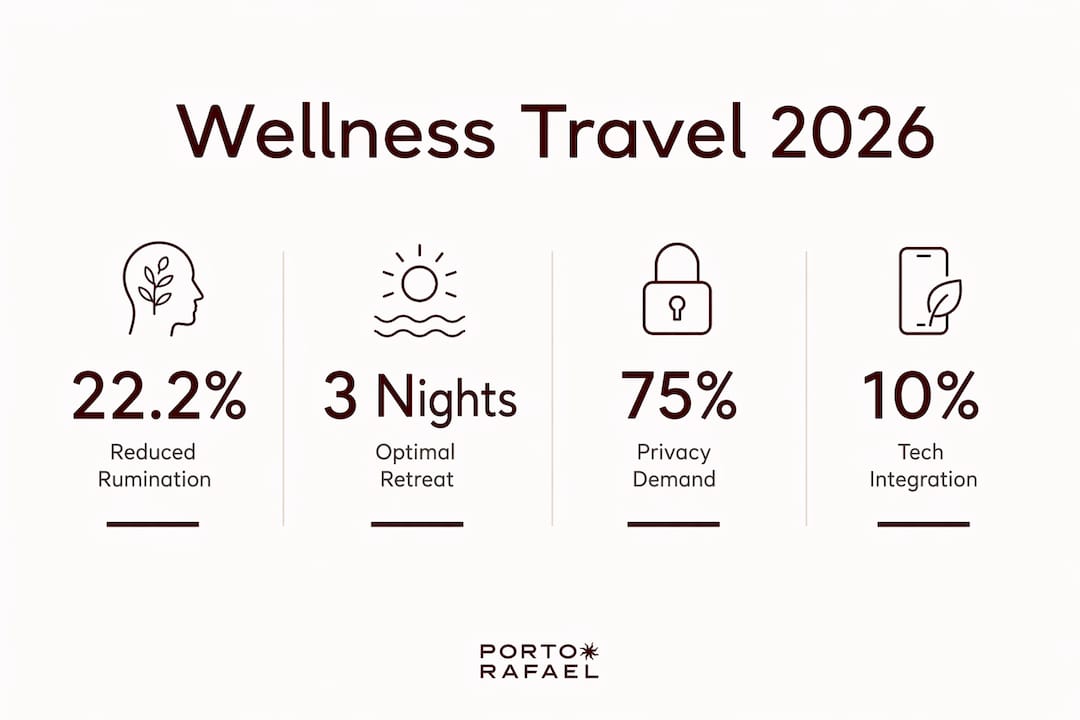
The shift to shorter formats is also worth noting strategically. A three-night nervous system reset in a coastal property can deliver comparable stress reduction to a ten-day retreat, provided the programme is well-structured. This makes relaxation-focused travel more accessible without compromising depth.
How does wellness travel improve mental and physical health?
A 2026 randomised controlled trial published in Frontiers in Digital Health found that structured vacation interventions reduced work-related rumination by 22.2% two weeks after travel when supported by a mobile application. That figure matters because rumination, the repetitive mental replaying of work stress, is one of the primary mechanisms through which chronic stress damages health. Reducing it is not a soft benefit. It is a measurable physiological outcome.
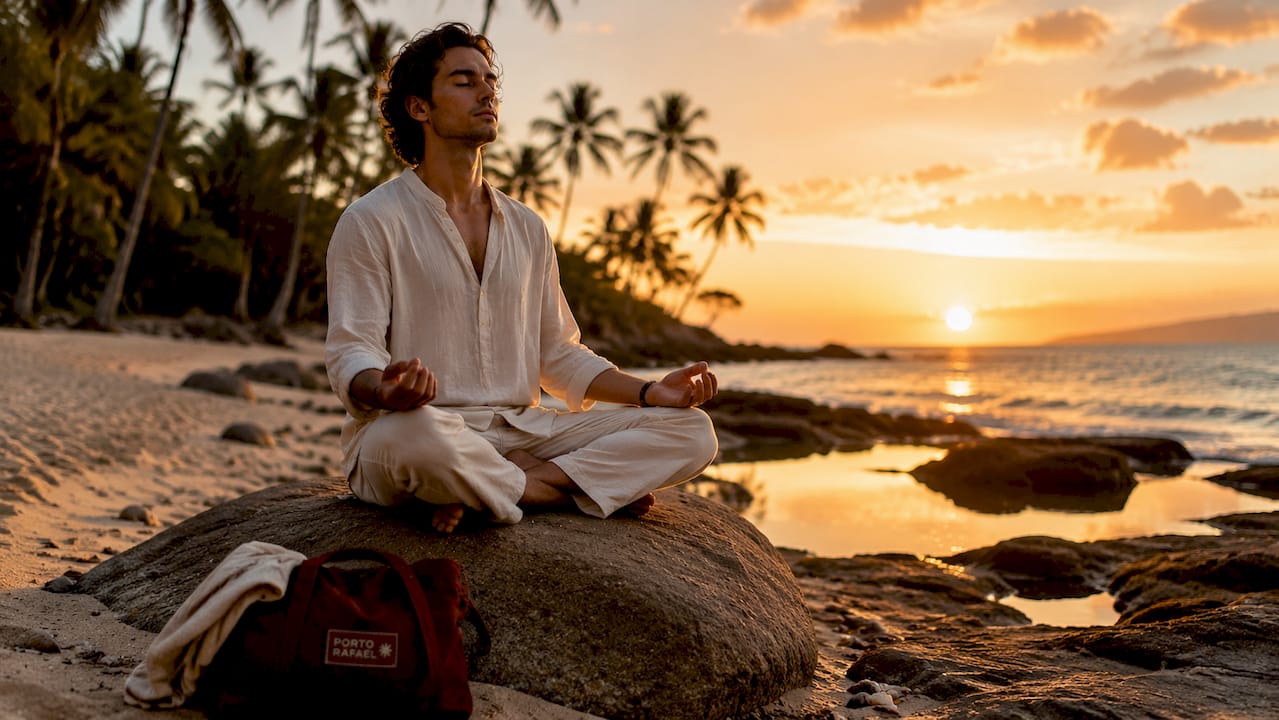
The mechanism is psychological detachment. Wellness travel creates structured distance from professional and domestic demands, allowing the nervous system to shift out of a prolonged stress response. When that detachment is supported by breathwork, mindfulness sessions, and physical activity, the benefits compound and persist well beyond the stay itself.
| Health benefit | Mechanism | Evidence quality |
|---|---|---|
| Reduced work rumination | Psychological detachment from professional stressors | High (RCT, 2026) |
| Improved sleep quality | Circadian regulation, reduced cortisol, sleep tracking | Moderate to high |
| Lower inflammation markers | Physical activity, nutrition protocols, stress reduction | Moderate |
| Nervous system balance | Breathwork, mindfulness, reduced sensory load | Moderate |
| Sustained mental recovery | Habit formation during structured retreat programmes | Moderate |
"Recovery design in luxury hospitality packages nervous system regulation tools like breathwork and mindfulness with comfortable environments to reduce bodily and cognitive load." — Global Wellness Institute, 2026
Physical benefits are equally well-supported. Sleep quality improves when properties use circadian lighting and eliminate the blue-light exposure that disrupts melatonin production. Inflammation markers respond to the combination of physical activity, anti-inflammatory nutrition, and stress reduction that characterises well-designed wellness programmes. The BBC notes that the shift to sleep and recovery technologies in luxury settings reflects post-COVID health awareness combined with a genuine demand for measurable results.
One caveat deserves honest attention. Longevity claims, specifically the idea that a retreat will extend your lifespan, lack robust clinical evidence. The Global Wellness Institute itself acknowledges that science-backed longevity programmes are valuable precisely because they focus on behaviour coaching and sustainable habits rather than unverifiable lifespan promises. The honest position is that wellness travel improves how you feel, sleep, and function. That is already a great deal.
Pro Tip: If a retreat promises specific longevity outcomes, ask which peer-reviewed studies support those claims. Credible properties welcome the question. Properties that deflect it are selling aspiration, not science.
What practical wellness programmes define luxury travel experiences?
Luxury wellness retreats now offer a spectrum of programmes that range from the deeply traditional to the technologically sophisticated. Understanding what is available helps you choose experiences that match your actual health goals rather than simply the most impressive brochure.
The most credible offerings in 2026 fall into four categories:
- Diagnostic and monitoring programmes. These include comprehensive blood panels, body composition analysis, VO2 max testing, and continuous glucose monitoring. The data generated informs every other element of your stay, from nutrition to exercise intensity.
- Sleep and recovery technology. Properties use sleep-tracking wearables such as Oura Ring, circadian lighting systems, and magnesium-rich nutrition protocols to improve sleep architecture. Some retreats offer dedicated sleep suites with temperature regulation and acoustic design.
- Ayurvedic and integrative medicine. The BBC reports that leading retreats now combine Ayurvedic consultations and treatments with contemporary diagnostics, creating programmes that honour traditional healing wisdom while grounding it in measurable outcomes.
- Mindfulness and nervous system reset. Guided meditation, breathwork using techniques such as box breathing and Wim Hof protocols, cold water immersion, and forest bathing are standard at premium properties. These are not decorative additions. They are the primary tools for reducing cortisol and restoring autonomic balance.
| Programme type | Best suited for | Evidence base |
|---|---|---|
| Diagnostic testing | Longevity and prevention focus | Strong for individual metrics |
| Sleep technology | Chronic fatigue, stress, jet lag | Strong |
| Ayurvedic programmes | Holistic balance, digestion, inflammation | Mixed; traditional evidence strong |
| Mindfulness and breathwork | Stress, anxiety, nervous system recovery | Strong |
| Fitness and VO2 max | Physical performance, cardiovascular health | Strong |
Privacy design amplifies every one of these programmes. When a property is built around quiet, space, and reduced stimulation, the nervous system begins to regulate before a single treatment is administered. This is why boutique hospitality consistently outperforms large resort spas in wellness outcomes. Intimacy is not merely aesthetic. It is therapeutic.
How can you maximise the benefits of wellness in luxury travel?
The benefits of wellness travel are maximised when the experience builds habits that survive the return home. BBC reporting on retreat participants confirms that structured programming for sleep and recovery is valued precisely because it creates a template for daily life, not just a temporary reprieve. The retreat is the laboratory. Your life is the experiment.
Here is how to approach a wellness-focused luxury stay with that outcome in mind:
- Define your health goal before you book. Stress reduction, sleep improvement, physical performance, and longevity monitoring each require different programme structures. A property that excels at nervous system reset may not offer the diagnostic depth a longevity traveller needs.
- Ask about programme continuity. The most effective retreats provide a post-stay plan: a nutrition protocol, a sleep routine, a mindfulness practice, and a follow-up consultation. If the property has no answer to "what happens when I leave?", the programme is pampering, not transformation.
- Prioritise privacy over amenity volume. A property with fewer guests, quieter spaces, and a dedicated wellness team will consistently outperform a large resort with an impressive spa menu. The Global Wellness Institute's privacy-centred design principle is not a trend. It is a structural advantage.
- Engage with the data. If your retreat offers sleep tracking or biometric monitoring, review the results with a staff member before you leave. Data you do not understand cannot change your behaviour.
- Integrate one practice immediately on return. Research on habit formation shows that implementing a single new routine within 48 hours of returning home dramatically increases the likelihood of long-term adherence. Choose the practice that felt most natural during your stay.
Pro Tip: Pack a small wellness kit for the journey home: a sleep mask, magnesium glycinate, and a breathwork audio guide. The transition back to daily life is when the benefits are most vulnerable. Protecting that window matters.
Nature plays a quietly powerful role in all of this. Properties set within extraordinary natural environments, whether coastal, forested, or mountainous, offer a form of passive nervous system recovery that no technology can replicate. The role of natural settings in luxury wellness is not decorative. It is foundational.
Wellness travel in 2026: what I have actually observed
The most important shift I have observed in wellness tourism is not the technology. It is the change in what affluent travellers are willing to admit they need. A decade ago, a luxury holiday was about status and spectacle. Today, the most discerning travellers are asking a different question: "Will I feel genuinely better after this?" That is a profound reorientation, and the industry is only beginning to catch up with it.
The tension I find most interesting is between measurable outcomes and the irreplaceable value of beauty, stillness, and place. The best wellness experiences I have encountered do not choose between the two. They understand that a diagnostic programme delivered in a sterile clinical environment produces worse outcomes than the same programme delivered beside the sea, surrounded by the scent of maquis and the sound of water. The environment is not a backdrop. It is part of the medicine.
I am also cautious about the longevity hype. The science on sleep, stress reduction, and nervous system recovery is solid and worth investing in. The science on lifespan extension through retreat-based interventions is not. Travellers who focus on the former will leave with genuine, lasting benefit. Those chasing the latter risk spending a great deal of money on beautifully packaged aspiration.
The future of wellness in luxury travel belongs to properties that combine credible, evidence-based programming with environments of rare natural beauty. Privacy, intimacy, and place will matter more than the number of treatment rooms. That is a direction worth watching, and worth travelling towards.
— Studio
Experience wellness and luxury at Porto Rafael
Porto Rafael, the rare gem of Gallura in northern Sardinia, offers the kind of setting that makes wellness feel effortless rather than effortful. Portorafael's Prestige rooms at Hotel La Piazza are designed for travellers who understand that genuine restoration requires beauty, quiet, and space in equal measure. The crystalline waters of the Costa Smeralda, the unhurried rhythm of village life, and the warmth of Sardinian hospitality create a natural environment for nervous system recovery that no urban retreat can replicate.

Portorafael's Sardinian cooking class offers a culinary dimension to wellness travel, connecting guests to the anti-inflammatory, Mediterranean traditions that have sustained the people of Gallura for generations. From the first morning light over the harbour to the long, golden evenings at Rafael's Bar & Lounge, Porto Rafael is a place where the distinction between luxury and wellbeing quietly dissolves.
FAQ
What is the role of wellness in luxury travel?
Wellness in luxury travel refers to the integration of structured, evidence-based health programmes, including sleep tracking, mindfulness, and longevity diagnostics, into premium travel experiences. It has evolved from optional spa pampering into a defining feature of the finest properties worldwide.
What are the main benefits of wellness travel for affluent travellers?
Research shows that structured wellness travel reduces work-related rumination by 22.2% two weeks after a stay, improves sleep quality, lowers inflammation markers, and supports nervous system recovery. Benefits are most sustained when retreats build habits that travellers continue at home.
How do I choose a credible luxury wellness programme?
Look for programmes that track measurable metrics such as sleep data, biometric markers, or stress indicators, and that provide a post-stay plan for continuing the habits developed during your stay. The Global Wellness Institute recommends prioritising science-backed longevity programmes over those making unverifiable lifespan claims.
Why is privacy considered a form of luxury in wellness travel?
The Global Wellness Institute identifies privacy as a central design principle for 2026 wellness travel, noting that environments built around space, quiet, and reduced sensory stimulation directly support nervous system recovery. Fewer guests and dedicated wellness teams consistently produce better health outcomes than large resort spas.
How does natural environment affect wellness travel outcomes?
Natural settings, particularly coastal and forested environments, provide passive nervous system regulation that amplifies the effects of structured wellness programmes. Properties set within landscapes of rare natural beauty, such as the Gallura coastline in Sardinia, offer a restorative quality that no clinical environment can replicate.