
TL;DR:
- A leisure destination offers visitors relaxation, cultural immersion, and personal freedom in specialized environments. The most rewarding destinations prioritize emotional renewal, authenticity, and personalized experiences over popular attractions or crowds. Choosing the right place depends on understanding your recharge needs and seeking authentic, less crowded locales that match your desired feeling.
A leisure destination is a territory designed to provide visitors with complete repose, personal freedom, and enjoyment through specialised environments including resorts, retreats, and cultural attractions. The term sits within the broader field of tourism studies, where it is formally distinguished from business travel, medical tourism, and transit stops by its singular focus on the visitor's wellbeing and pleasure. The global leisure travel market is projected to reach $6.2 trillion by 2033, growing at a compound annual rate of 7.3%. That figure reflects a profound cultural shift: people no longer treat holidays as a luxury. They treat them as a necessity. Whether you are drawn to the turquoise waters of Sardinia, the ancient medinas of Morocco, or the coral reefs of Bali, understanding what makes a good leisure destination transforms how you plan, choose, and ultimately experience your travels.
What is a leisure destination, and how is it defined?
A leisure destination is any place deliberately shaped to offer visitors relaxation, cultural immersion, or active adventure, set apart from the routines and obligations of everyday life. Tourism scholars at Wisdom Library define such places as specialised environments for repose and personal freedom, a definition that separates them cleanly from transit hubs or conference cities. The distinction matters because it shapes everything from the infrastructure a place builds to the experiences it curates for visitors.
These destinations range enormously in character. A sun-drenched coastal resort in Gallura, Sardinia, a heritage-rich city like Kyoto, and a wilderness retreat in Patagonia are all leisure destinations, yet each appeals to a different kind of traveller seeking a different kind of renewal. What unites them is intentionality: the place exists, at least in part, to serve the visitor's desire for rest, discovery, or exhilaration. Demand for this kind of travel has surged, with a 54% increase in adventure and specialised recreational travel recorded between 2022 and 2024 alone. That growth signals that travellers are seeking more than a sun lounger. They want experiences that leave a lasting impression.
What features distinguish a leisure destination from other travel types?
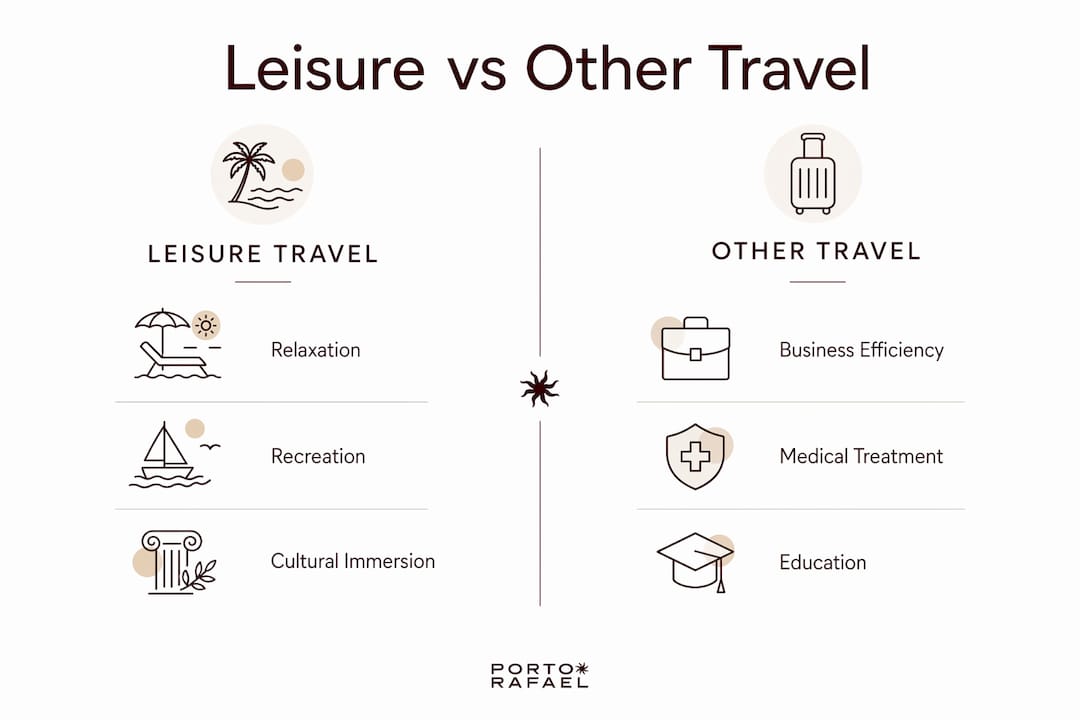
Leisure destinations share a set of defining qualities that set them apart from cities visited primarily for work, medical care, or transit. Understanding these qualities helps you recognise a truly restorative place before you book.
- Visitor-centred design. Infrastructure, services, and attractions are built around the guest's enjoyment rather than commercial or industrial productivity. Resorts, spas, promenades, and cultural venues take precedence over office districts.
- Freedom of pace. Unlike business travel, which runs on tight schedules, leisure destinations invite you to move at your own rhythm. Spontaneous exploration is not just permitted; it is encouraged.
- Environmental variety. Leisure destinations span coastal resorts such as Cancun and Myrtle Beach, cultural capitals such as Kyoto and Florence, adventure hubs such as Queenstown in New Zealand, and rural retreats tucked into mountain or island landscapes.
- Emotional recharge. The most effective leisure destinations offer a genuine shift in perspective, something that transcends amenities and location to deliver lasting emotional renewal.
- Amenity depth. Quality dining, wellness facilities, guided excursions, and cultural programming distinguish a true leisure destination from a place that merely tolerates tourists.
Business travel prioritises efficiency and proximity to commercial centres. Medical tourism centres on clinical outcomes. Leisure travel, by contrast, measures success entirely by how the visitor feels during and after the experience. That is a fundamentally different standard, and the best destinations are built around it.
Pro Tip: When comparing popular travel destinations, look beyond the headline attractions. A place with fewer Instagram landmarks but richer local culture and calmer crowds will often deliver a more restorative experience.
What activities and experiences can travellers expect?
The range of experiences available at leisure destinations is broader than most travellers realise, and the best spots layer several categories to suit different moods across a single stay.
- Relaxation and wellness. Spas, thermal baths, private beaches, and yoga retreats form the backbone of relaxation-focused destinations. Resorts in Bali, the Maldives, and Sardinia's Gallura coast have built entire reputations on this foundation, offering treatments rooted in local tradition alongside contemporary wellness science.
- Cultural immersion. Heritage sites, local festivals, artisan markets, and regional gastronomy give a destination its soul. Visiting a Sardinian stazzo farmstead, attending a Moroccan souk, or dining at a restaurant that sources entirely from local producers connects you to a place in ways that no poolside afternoon can replicate.
- Active adventure. Hiking, water sports, cycling, golf, and sailing attract travellers who recharge through physical engagement rather than stillness. Destinations like Queenstown, Costa Rica, and the Aeolian Islands cater specifically to this appetite.
- Curated and personalised experiences. The defining trend of 2026 is the rise of bespoke itineraries: private boat tours, chef's table dinners, guided archaeological walks. Boutique hospitality models have accelerated this shift, offering guests experiences shaped around their specific interests rather than a generic programme.
"The essence of a great leisure destination lies not in its postcard views but in the shift of perspective it offers. The places that stay with you are those that changed how you see yourself, not just the world around you."
Family leisure travel adds another layer of complexity, requiring destinations that balance adult relaxation with engaging activities for children. Coastal resorts with calm waters, cultural cities with interactive museums, and nature parks with guided wildlife experiences all serve this dual purpose well.
Which destinations are considered top leisure spots in 2026?

Global traveller preferences in 2026 reveal a fascinating split between reliable favourites and emerging alternatives that offer comparable quality at lower cost and with fewer crowds.
| Destination | Primary appeal | Crowd level | Relative cost |
|---|---|---|---|
| Cancun, Mexico | Beach, resort culture | High | Moderate |
| Bali, Indonesia | Culture, wellness, nature | High | Low to moderate |
| El Jadida, Morocco | Luxury resort, heritage | Low | Low |
| Myrtle Beach, USA | Family beach, entertainment | Moderate | Low |
| Porto Rafael, Sardinia | Boutique luxury, nature | Low | High |
| Kyoto, Japan | Cultural immersion | Moderate | Moderate |
Cancun remains the top international leisure destination for American travellers for the third consecutive year in 2026, a position built on reliable sunshine, resort infrastructure, and direct flight connectivity. Bali has been named the world's number one travel destination for 2026 by Tripadvisor, with extended stays near landmarks such as Kelingking Beach proving far richer than day trips. Spending two or three nights in a single area rather than rushing between sites allows travellers to experience local rhythms rather than tourist circuits.
The more compelling story, however, belongs to secondary destinations. El Jadida in Morocco hosts the Atlantis Mazagan Beach & Golf Resort, a sister property to Dubai's Atlantis The Palm, offering comparable opulence at roughly half the price and with a fraction of the crowds. This pattern repeats across the world: regional leisure destinations with strong infrastructure consistently offer better value, less stress, and more authentic encounters than their globally famous counterparts. For discerning travellers, the question is no longer which destination is most famous. It is which destination best matches what they actually need.
How to choose the best leisure destination for your needs
Choosing well begins with a single honest question: what kind of recharge do you actually need? Travel experts advise selecting destinations based on whether you seek relaxation, cultural stimulation, or adrenaline, because conflating these needs leads to trips that satisfy none of them fully.
- Define your recharge style. A traveller who finds peace in movement, hiking at dawn and kayaking at dusk, will feel restless at a resort built for stillness. Conversely, someone craving quiet and beauty may find an adventure hub exhausting rather than restorative.
- Weigh safety and predictability. Stable travel advisories and consistent service quality have become as important as destination appeal in 2026. A beautiful place with unpredictable infrastructure or shifting safety conditions erodes the very sense of freedom that leisure travel promises.
- Consider crowd levels honestly. Peak-season visits to top vacation spots can undermine the relaxation they promise. Shoulder-season travel to the same destinations often delivers the same scenery, warmer hospitality, and lower prices.
- Resist over-planning. Digital tools and AI travel assistants now make it possible to schedule every hour of a holiday. Research shows this creates a personalisation paradox where over-planning produces fatigue rather than fulfilment. Leave room for the unexpected encounter, the unplanned meal, the afternoon that takes its own shape.
- Seek authentic local engagement. The role of nature in luxury escapes and genuine cultural contact, rather than curated performances of local life, consistently produces the most lasting travel memories.
Pro Tip: Before booking, write down three things you want to feel by the end of your trip, not see or do, but feel. Then choose the destination that most honestly promises those feelings. This single exercise eliminates most poor travel decisions.
Why the best leisure destinations are rarely the loudest ones
The conventional wisdom in travel planning says: go where everyone else goes, because popularity signals quality. After years of observing how travellers actually experience their holidays, I find this logic deeply flawed.
The places that generate the most genuine satisfaction are rarely the ones with the highest social media presence. They are the ones with the deepest sense of place: a village in Gallura where the light falls differently at dusk, a coastal path in Sardinia where the only sound is the sea, a restaurant where the chef sources ingredients from a farm visible through the window. These experiences resist easy documentation precisely because their value is felt rather than photographed.
I have also noticed that travellers who allow their itineraries to breathe, who leave a morning unscheduled or accept a local's recommendation over a guidebook's, consistently report richer experiences than those who optimise every hour. The personalisation paradox is real: the more rigidly you plan a leisure trip, the less leisure it actually contains. The finest destinations reward curiosity and patience. They reveal themselves gradually, to those willing to stay long enough to look.
For travellers seeking both beauty and authenticity, the answer is rarely the most famous destination on the list. It is often the quieter one, the one with fewer crowds and more character, where the experience of being there feels like a privilege rather than a transaction.
— Studio
Experience leisure at its finest in Porto Rafael, Sardinia
Porto Rafael, a rare gem on the northern Sardinian coast, embodies everything a curated leisure destination should offer: crystalline waters, timeless heritage, and an atmosphere of unhurried elegance. Portorafael invites you to discover this captivating corner of Gallura through the adults-only Hotel La Piazza, where each stay is shaped around genuine repose and personal discovery.
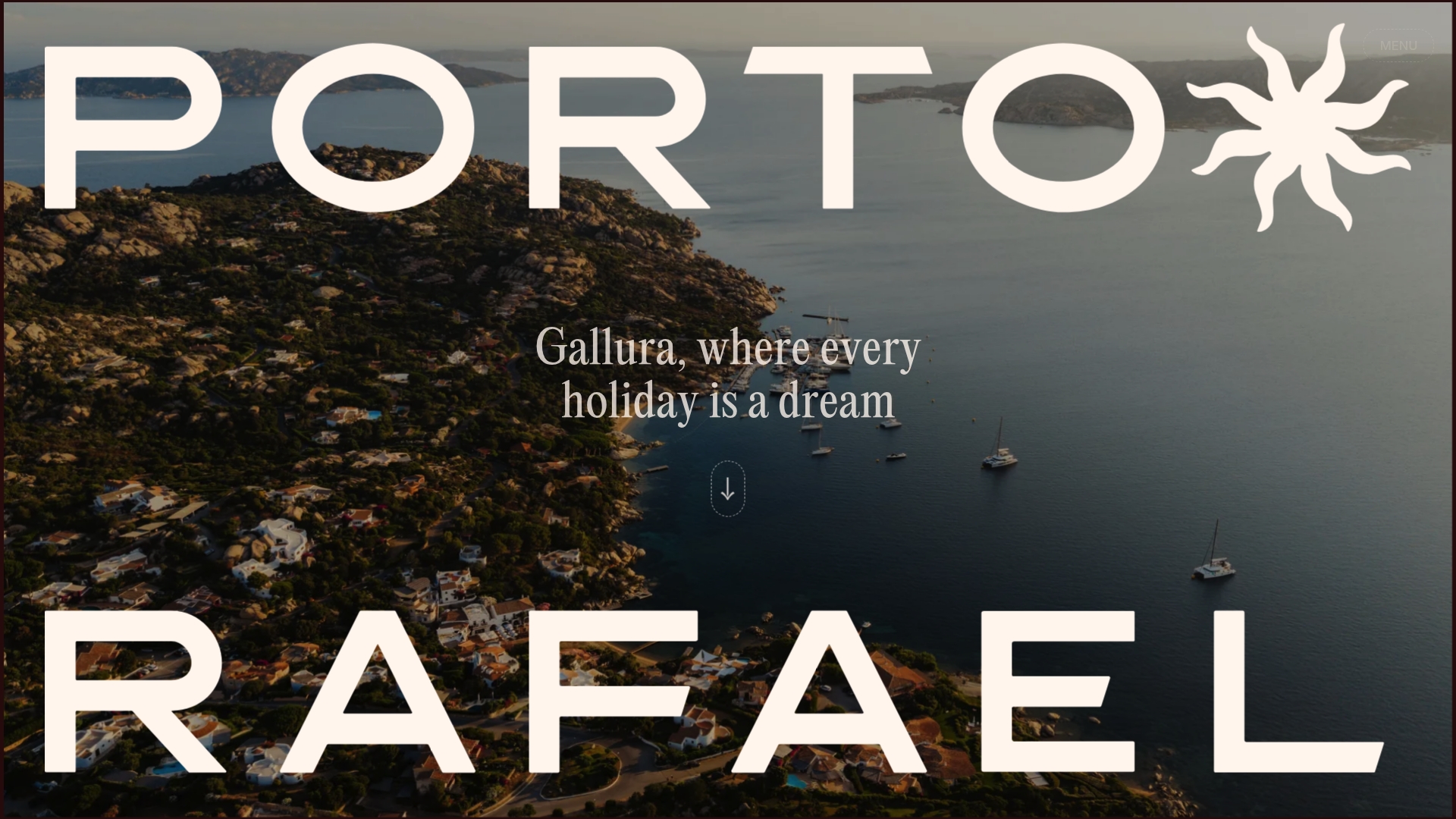
For those who believe that dining is as much a cultural experience as any heritage site, the Solaz Porto Rafael Restaurant presents gourmet Sardinian cuisine rooted in local producers and seasonal rhythms. The Prestige room offers a sanctuary of refined comfort, perfectly suited to travellers who understand that the quality of where you rest shapes the quality of everything else. Porto Rafael is not simply a place to visit. It is a place to return to.
FAQ
What is a leisure destination in tourism?
A leisure destination is a place designed for visitor repose, personal freedom, and enjoyment through environments such as resorts, retreats, and cultural attractions. It is formally distinguished from business travel or medical tourism by its focus on the visitor's wellbeing and pleasure.
What makes a good leisure destination?
The best leisure destinations combine a shift in perspective with practical qualities including safety, cultural depth, and amenity quality. Travel experts identify the emotional recharge a destination provides as the most reliable measure of its value, above scenery or facilities alone.
Which are the top vacation spots in 2026?
Cancun, Bali, and Myrtle Beach lead global leisure travel rankings in 2026, while secondary destinations such as El Jadida in Morocco and Porto Rafael in Sardinia offer comparable quality with fewer crowds and a more intimate atmosphere.
Is family leisure travel different from solo or couples travel?
Family leisure travel requires destinations that balance adult relaxation with engaging activities for children, such as calm coastal resorts, interactive cultural sites, and nature parks. The core definition of a leisure destination remains the same, but the amenity mix and pace differ significantly.
How do I avoid over-planning my leisure trip?
Research confirms that rigid itineraries cause fatigue rather than fulfilment, a pattern known as the personalisation paradox. Leaving at least one unscheduled period each day allows for the spontaneous encounters that most travellers remember longest.