
TL;DR:
- Bespoke travel in Sardinia offers highly personalized experiences that reveal the island's dispersed luxury and rich culture. It involves careful planning, local partnerships, and flexible pacing to access secret sites, artisan workshops, and authentic festivals. Timing between June and September enhances the bespoke experience, especially with private guides and tailored itineraries.
Bespoke travel is defined as a fully personalised journey, crafted around a traveller's specific interests, pace, and preferences rather than a fixed group itinerary. Sardinia is one of Europe's most compelling destinations for this approach, recognised as a top choice for high-end travellers seeking privacy and tailor-made experiences. The island's dispersed geography, UNESCO-listed heritage sites such as the Nuraghi and Domus de Janas, and the Costa Smeralda luxury model all demand a level of planning that mass tourism simply cannot provide. Understanding why bespoke travel suits Sardinia begins with understanding the island itself: layered, unhurried, and deeply rewarding to those who approach it thoughtfully.
Why bespoke travel suits Sardinia's 'diffused luxury' model
Sardinia's luxury is not concentrated in a single resort strip. It spreads across coastal villas, inland agriturismi, ancient stone villages, and private artisan workshops, a model that travel experts describe as 'diffused luxury'. This dispersal is precisely what makes bespoke travel so well suited to the island. A standard package holiday delivers one fixed location and a pre-set menu of activities. Bespoke planning draws from the full breadth of what Sardinia offers.
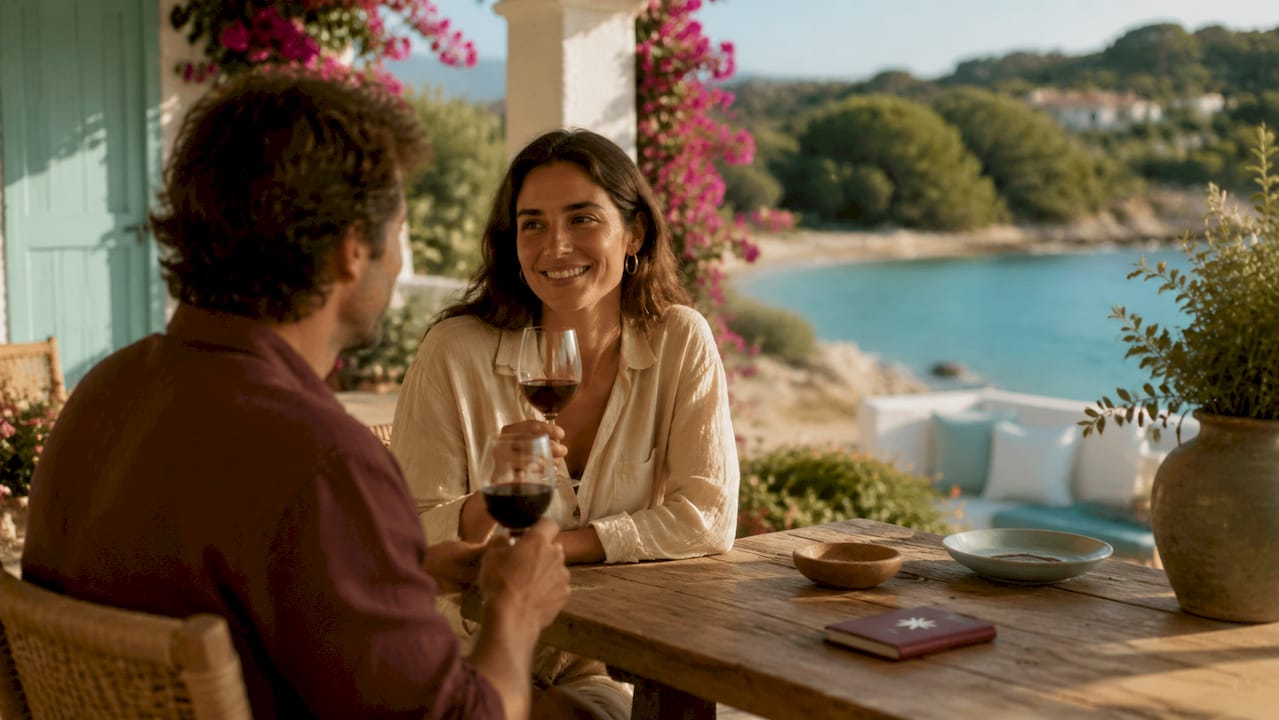
Boutique hotels and historic residences form the backbone of the bespoke accommodation offer. These properties are often family-run, deeply connected to local culture, and able to arrange private introductions to craftspeople, winemakers, and chefs that no online booking platform can replicate. Boutique hotel stays in Sardinia deliver a quality of personal attention that larger resort properties cannot match.
The most memorable bespoke experiences come from trusted local partnerships: a boutique hotel that arranges a private ceramics lesson in Oristano, or a family-run agriturismo that opens its cellar for an unscheduled tasting. These moments are not listed in any catalogue. They emerge from relationships built over years between local hosts and the travellers they genuinely care to serve.
Key advantages of the diffused luxury model for bespoke travellers include:
- Private heritage access: Entry to Nuraghi sites and Domus de Janas tombs outside standard visiting hours, arranged through specialist local guides.
- Artisan workshops: Direct introductions to Sardinian weavers, cork craftspeople, and goldsmiths working in traditional Campidanese and Logudorese styles.
- Inland cultural immersion: Stays in Barbagia villages during the Autunno in Barbagia festival season, where communities open their homes and workshops to visitors.
- Culinary depth: Private cooking sessions with local nonnas, market visits in Cagliari's Mercato di San Benedetto, and wine tastings at small Cannonau producers.
Pro Tip: Ask your bespoke planner specifically for introductions rather than bookings. The difference between a guided tour and a personal introduction to an artisan is the difference between observation and genuine cultural exchange.
What does the bespoke itinerary planning process in Sardinia involve?
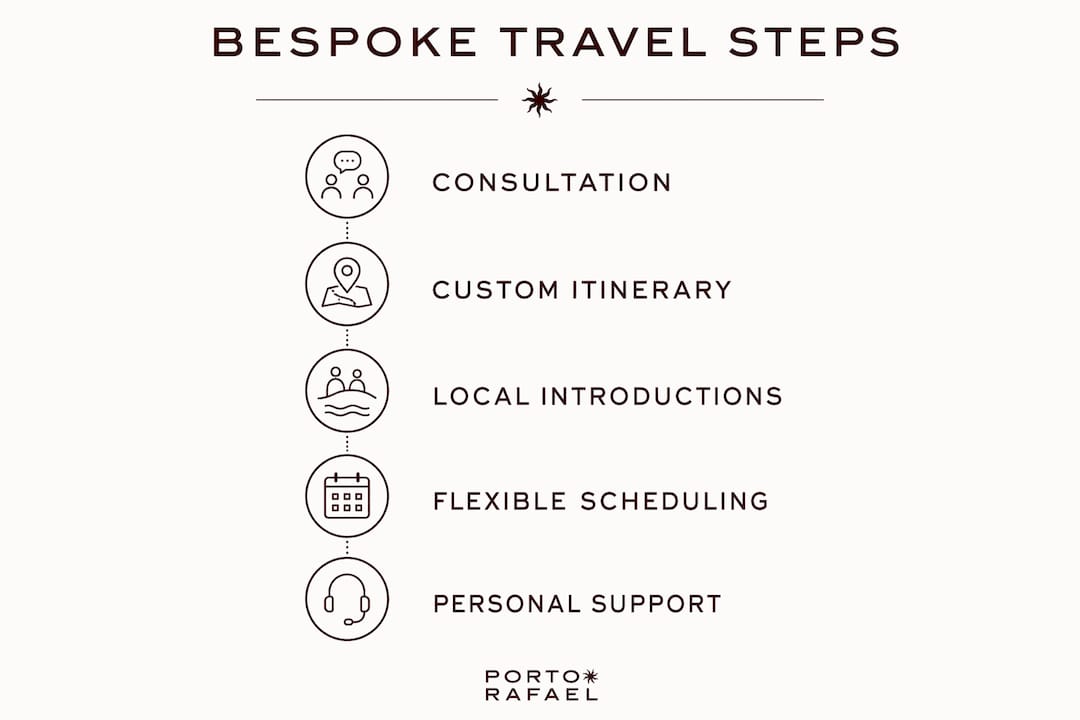
The bespoke planning process begins with a one-on-one consultation designed to map a traveller's genuine interests. A skilled planner asks not just about preferred activities but about pace, energy levels, culinary priorities, and the kind of memories a traveller wants to carry home. This depth of questioning is what separates a truly personalised itinerary from a curated package with a different label.
A well-structured bespoke Sardinia itinerary typically follows these stages:
- Thematic consultation: Identifying whether the trip centres on nature, history, gastronomy, sailing, or a combination, and establishing non-negotiable preferences.
- Region mapping: Selecting one or two primary bases to avoid the exhaustion of constant movement across the island's long distances.
- Accommodation vetting: Matching the traveller's character and comfort expectations to specific properties, from coastal charme rooms to inland stone farmhouses.
- Private logistics: Arranging boat charters, private guides, and transfers that remove friction from the journey without removing spontaneity.
- 24/7 support: Assigning a dedicated point of contact, such as a Personal Travel Assistant, who can handle unexpected changes, medical needs, or last-minute requests.
- Adaptive flexibility: Building unscheduled time into each day so travellers can follow a recommendation from a local fisherman or linger over a long lunch without guilt.
Experts recommend staying 5–7 nights per primary base to manage Sardinia's considerable distances effectively. Moving too frequently creates logistical fatigue and prevents the kind of deep local connection that makes bespoke travel worthwhile.
Pro Tip: Request at least one full unscheduled day per week in your itinerary. Sardinia rewards spontaneity. The best meal you eat may be at a roadside trattoria a local suggests on a Tuesday morning.
Which Sardinian regions are best suited to bespoke travel?
Sardinia's regions each offer a distinct character, and bespoke travel is the most effective way to match the right region to the right traveller. The table below outlines the primary zones and their bespoke appeal.
| Region | Character | Bespoke highlight |
|---|---|---|
| Costa Smeralda | Glamorous, coastal, exclusive | Private villas, exclusive beach clubs, superyacht access |
| Gallura | Wild granite landscapes, boutique villages | Cycling tours, local wine estates, Porto Rafael |
| Barbagia | Ancient, pastoral, deeply traditional | Artisan workshops, Autunno in Barbagia, shepherd culture |
| Oristano and Sinis | Archaeological, tranquil, unspoilt | Nuraghi sites, flamingo lagoons, Tharros ruins |
| Cagliari and Sulcis | Urban, historic, gastronomic | Mercato di San Benedetto, Phoenician heritage, local dining |
The Costa Smeralda remains the island's most recognised luxury address, but bespoke travellers increasingly find the greatest rewards inland. The Barbagia highlands, for instance, offer access to a living culture that has changed little over centuries. A bespoke planner can arrange stays in villages during local festivals that most visitors never encounter.
Private boat charters are critical for accessing Sardinia's most extraordinary coastal areas. The La Maddalena Archipelago, a protected marine park north of Gallura, contains coves and beaches that are entirely unreachable by land. A chartered vessel, arranged through a trusted local operator, transforms these protected waters from a postcard image into a personal memory.
Lesser-known villages such as Aggius, Luras, and Calangianus in the Gallura region reward the traveller who arrives with a local introduction. Cork harvesting, granite quarrying traditions, and Gallurese cuisine all come alive through authentic local experiences that bespoke planning makes possible.
Why does seasonality matter so much in bespoke Sardinian travel?
Timing shapes the entire character of a Sardinian trip. Bespoke travellers who choose their season carefully gain access to a version of the island that peak-season visitors rarely see.
The key seasonal considerations are:
- June: Warm, uncrowded, and vibrant. Wildflowers still colour the hillsides. Accommodation is available at better rates and with greater flexibility. Local festivals begin in earnest.
- September: The sea remains warm from summer. Crowds thin noticeably after the first week. Harvest season opens doors to wine estates and olive groves. June or September consistently represent the optimal window for personalised travel.
- July and August: Peak season brings congestion on coastal roads, reduced accommodation flexibility, and a pace that works against the slow travel philosophy. Bespoke planning can mitigate some of these pressures, but cannot eliminate them entirely.
- October to May: Off-season travel suits travellers focused on culture, walking, and gastronomy. The off-season benefits for boutique stays are considerable, including greater personal attention from hosts and access to local life unfiltered by tourism.
The slow travel approach is the philosophical foundation of bespoke Sardinian travel. Spending more time in fewer places allows travellers to absorb the island's rhythm rather than race across it. A week in a single Gallura village, with day excursions rather than constant relocation, produces a depth of experience that a ten-destination itinerary cannot replicate.
Pacing also affects wellbeing. Travellers who build rest into their itineraries return home genuinely restored. Those who treat Sardinia as a checklist of sites return exhausted, having seen much and absorbed little.
A personal reflection on crafting bespoke Sardinian journeys
The most common mistake I observe is treating bespoke travel as a synonym for expensive travel. The two are related but not identical. Bespoke means calibrated to the individual. A perfectly calibrated trip might include one night in a luxury coastal villa and three nights in a simple agriturismo where the owner makes his own wine and tells stories until midnight. The cost is secondary to the fit.
What I have learned from years of working with Sardinia is that the island punishes impatience. Travellers who arrive with rigid expectations and packed schedules often leave disappointed. Those who arrive with curiosity and a willingness to follow a local's suggestion find the island endlessly generous. The role of a bespoke planner is to create the conditions for that generosity to emerge.
Deep local knowledge is not a luxury add-on. It is the core product. Knowing which guide has the trust of the Nuraghi site custodians, which restaurant keeps a table for guests who arrive without a reservation, and which cove is sheltered from the afternoon wind: these details are invisible to the first-time visitor and invaluable to the experienced planner. Sardinia's authentic soul reveals itself slowly, and only to those who know where to look.
— Studio
Portorafael: where bespoke Sardinian travel finds its home
Portorafael sits at the heart of the Gallura region, offering the kind of intimate, character-rich base that bespoke itineraries are built around. Hotel La Piazza's Charme rooms provide a refined retreat that balances coastal elegance with genuine personal warmth.
Gourmet dining at Restaurant Solaz brings authentic Sardinian cuisine to the table with the care and creativity that discerning travellers expect. For those who want to move through the landscape rather than simply observe it, Gallura by bike offers curated cycling routes through granite hills and cork forests that reveal the region's true character. Portorafael's team understands the rhythms of bespoke travel and is ready to help craft a stay that feels genuinely your own.
FAQ
What makes bespoke travel better suited to Sardinia than a package holiday?
Sardinia's dispersed geography and layered cultural offer require personalised planning to access fully. Package holidays fix the itinerary in advance, while bespoke travel adapts to the island's distinct regions, seasons, and local rhythms.
How long should a bespoke Sardinia trip last?
Experts recommend a minimum of 5–7 nights per primary base to manage the island's distances and allow genuine cultural immersion. Shorter stays tend to produce logistical fatigue rather than meaningful connection.
When is the best time to visit Sardinia for a bespoke experience?
June and September offer the ideal balance of warm weather, manageable crowds, and accommodation flexibility. These months allow bespoke itineraries to function at their best, with greater access to local hosts and experiences.
What role does a Personal Travel Assistant play in bespoke Sardinian travel?
A Personal Travel Assistant provides 24/7 logistical support, anticipates traveller needs, and handles unexpected changes. This dedicated support is a cornerstone of luxury bespoke travel on the island.
Can bespoke travel in Sardinia access places that standard tourism cannot?
Private boat charters open the La Maddalena Archipelago and secluded coves to bespoke travellers. Local partnerships also unlock private heritage site access, artisan workshops, and cultural festivals that standard tourism itineraries do not include.