
TL;DR:
- Genuine boutique hotels in Sardinia are characterized by their small size, personalized anticipatory service, and authentic cultural immersion rooted in local heritage. Travelers should prioritize properties with fewer than 50 rooms, trustworthy reviews, locally sourced cuisine, and unique experiences that reflect the island’s traditions. True boutique experiences depend on the hotel's commitment to place-based identity and heartfelt hospitality rather than superficial decor or marketing labels.
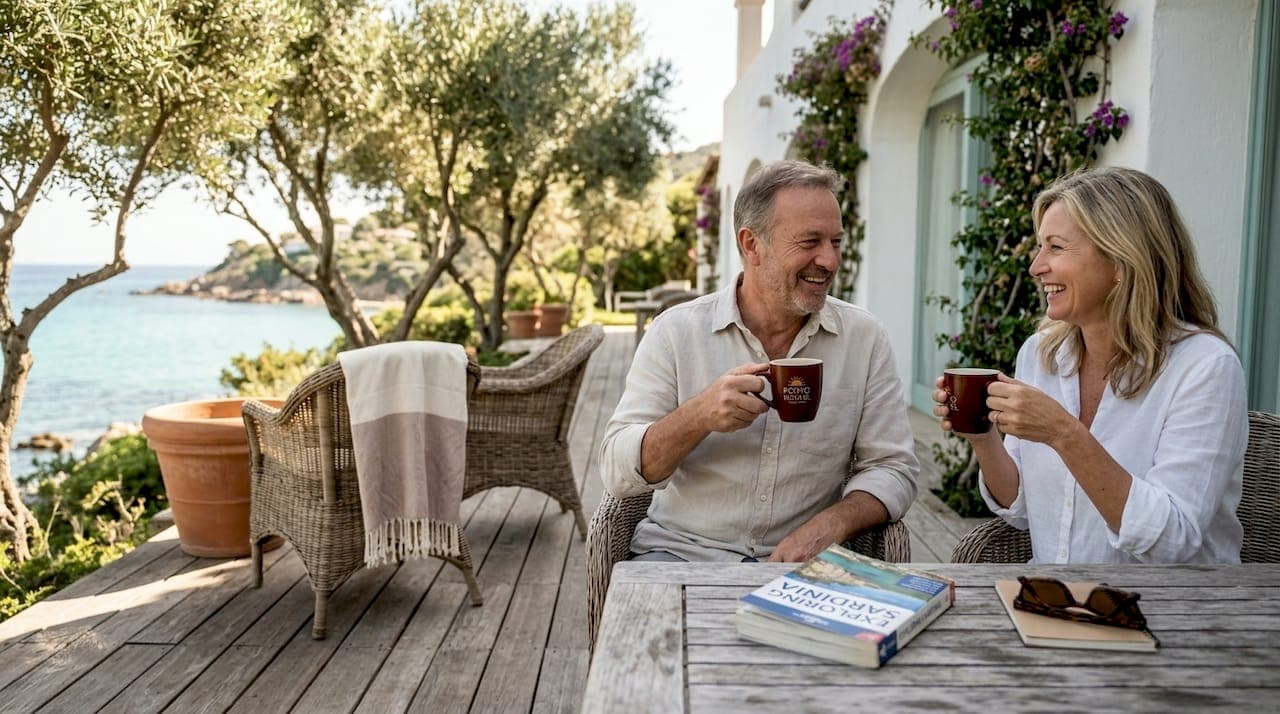
The boutique label is everywhere, yet genuine boutique experiences remain rare. In Sardinia, where every hillside village and cobalt cove seems to beckon the discerning traveller, choosing a hotel that truly lives up to its billing matters enormously. The best tips for boutique hotel stays are not about decor or Instagram-worthy pools; they are about intimacy, anticipatory service, and a connection to place that larger hotels simply cannot manufacture. This guide gives you the precise criteria to identify, choose, and fully savour a boutique stay in one of the Mediterranean's most captivating corners.
Identify authentic boutique hotels by size and personalised service
Size is not vanity; it is the engine of the entire boutique promise. True boutique hotels have fewer than 100 rooms, often fewer than 50, and that smaller footprint is what makes genuine personalisation possible. When a property has 300 rooms and a rotating staff roster, no one remembers that you prefer your pillows firm or that you take your espresso without sugar. At a boutique hotel, they do.
Personalised service at its finest is anticipatory rather than reactive. Boutique hotels deliver anticipatory hospitality by remembering guest preferences and offering low-friction guest journeys, which means problems are resolved before you notice them, not after you complain. For luxury travellers arriving in Sardinia after long journeys, this distinction is the difference between a stay that restores and one that merely accommodates.
When evaluating a property, look for these markers of genuine service and scale:
- Room count: Under 50 rooms strongly suggests the property can sustain personalised attention throughout your stay.
- Staff-to-guest ratio: Ask directly, or read reviews mentioning staff names. Guests who remember staff by name have experienced real connection.
- Check-in experience: A smooth, welcoming boutique hotel check-in should feel like arriving at a thoughtful friend's home, not queuing at a kiosk.
- Quiet rooms: Smaller properties tend to place rooms more considerately, away from service corridors and traffic.
- Climate control and Wi-Fi: Room-level climate control and reliable connectivity are operational basics; their absence signals corners being cut elsewhere.
Pro Tip: Before booking, email the hotel with a simple, specific request, perhaps a late check-in or a dietary note. How quickly and warmly they respond tells you more about their service culture than any marketing brochure could. A Sardinian hospitality guide will also give you a sense of what authentic local warmth looks like so you can recognise it on arrival.
With size and personalised service established as key indicators, the next step is to explore how authentic cultural immersion elevates boutique hotel stays.
Seek hotels that offer genuine cultural immersion through local cuisine and experiences
Sardinia is not merely a backdrop. Its Nuragic ruins, Gallura granite landscapes, and centuries-old pastoral traditions are a living inheritance, and the finest boutique hotels treat that heritage as part of their identity rather than a footnote in the welcome pack. Cultural immersion, when done well, transforms a holiday into something you carry with you long after the tan fades.
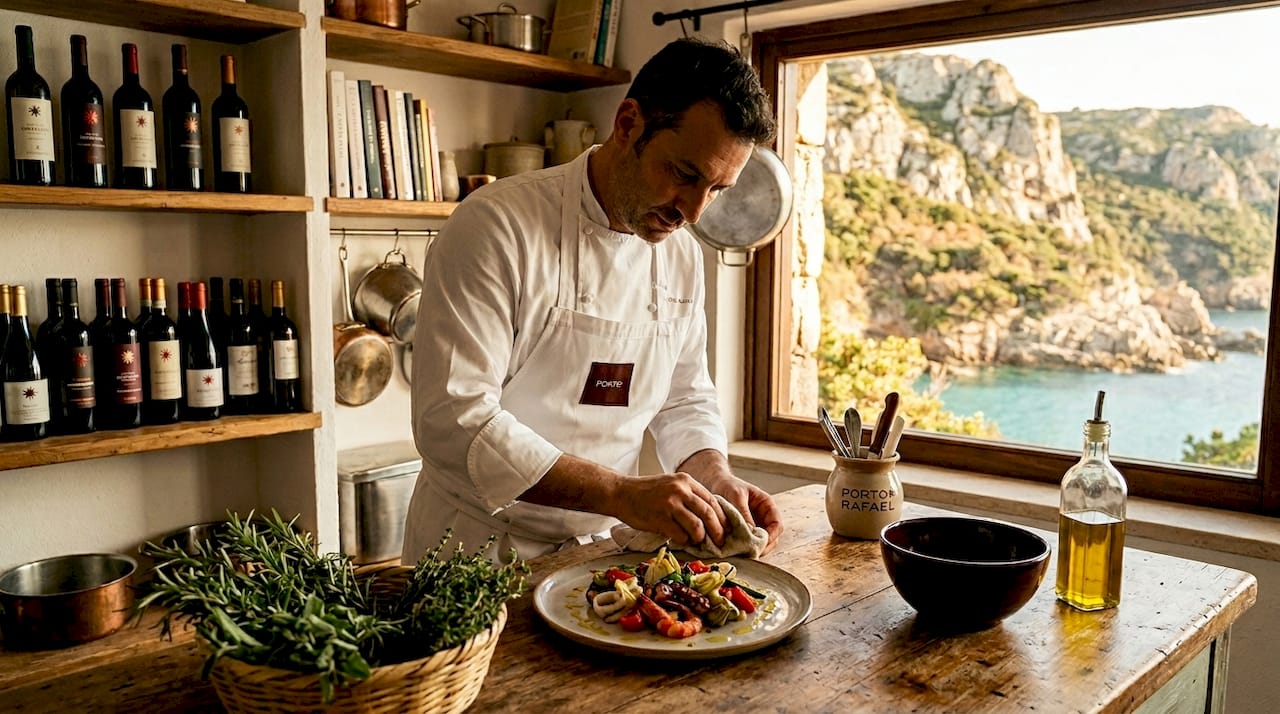
Begin at the table. Boutique hotels that emphasise local produce and hyper-local menus offer authentic culinary immersion, often visited by locals too, which is one of the most telling endorsements a restaurant can receive. If the dining room fills with Sardinian families on a Sunday afternoon, you are almost certainly eating something worth ordering. Look for menus anchored in regional specificity: bottarga from Cabras, pecorino from the Barbagia uplands, porceddu roasted over myrtle wood.
Curated local experiences like heritage walks and artisan workshops create a higher cultural return than independent planning, because the hotel's relationships open doors that are simply not available to travellers arriving without context. An artisan potter in a village outside Olbia may welcome guests introduced by a trusted local hotel; the same potter's door remains closed to an anonymous visitor with a guidebook.
When assessing a hotel's cultural credentials, consider:
- Farm-to-table dining: Does the menu change seasonally, and can staff name the producers? Static menus that never shift with the harvest are a warning sign.
- Local restaurant proximity: Are the best Sardinian restaurants within reach, and does the hotel curate recommendations rather than handing you a printed list?
- Cultural programme depth: Heritage tours, artisan visits, and guided tastings should be integral to the stay, not upsells at the concierge desk.
- Culinary storytelling: The finest hotels frame their menus as narratives of place. Discovering the true flavours of Sardinia through a chef who grew up in Gallura is irreplaceable.
- Exclusive experiences: Seek properties offering unique coastal experiences tied to the landscape, from dawn boat excursions to guided foraging walks.
After identifying authentic service and cultural immersion, practical considerations like guest comfort and operational transparency become essential.
Prioritise hotels with outstanding comfort, quiet rooms, and operational transparency
Luxury is quiet. Not metaphorically quiet; literally quiet. Quiet rooms with effective soundproofing improve guest satisfaction and sleep quality, and for travellers who have travelled far to decompress beside the Tyrrhenian Sea, a night interrupted by corridor noise or thin walls is not a minor inconvenience. It undermines the entire purpose of the journey.
Operational transparency is equally telling. Verify that hotels promise accurate photos, fair fees, and dependable comfort basics like water pressure and climate control before you arrive. A property that displays artfully cropped images hiding a building site next door, or that adds service fees undisclosed at booking, is revealing something important about how it regards its guests.
Pro Tip: Cross-reference the hotel's own photography against recent guest photos on booking platforms. Guests photograph honestly; marketing teams do not always do the same.
The table below distils the practical comfort criteria worth verifying before confirming any boutique hotel booking in Sardinia.
| Comfort feature | Why it matters | What to check |
|---|---|---|
| Soundproofing | Protects sleep quality and daytime rest | Guest reviews mentioning noise levels |
| Climate control | Essential in Sardinian summer heat | Room-specific units, not central corridor systems |
| Wi-Fi reliability | Supports connectivity without frustration | Speed mentions in recent reviews |
| Water pressure | A quiet luxury indicator | Mentioned specifically in long-stay guest reviews |
| Accurate photography | Prevents arrival disappointment | Compare hotel photos with guest-uploaded images |
| Transparent pricing | Avoids post-stay billing surprises | Review the full fee schedule at booking |
Considering off-season travel benefits is also worth factoring in here. Boutique hotels in Sardinia during spring or early autumn offer the same comfort and culinary excellence with fewer guests, which means even more attentive service and a more personal relationship with the property. The island itself is equally beautiful when the crowds have departed. For a wider view of what luxurious Sardinian accommodations should include, reviewing a range of options helps calibrate your expectations.
With the full range of criteria covered, a direct comparison highlights how these qualities stack up in choosing the perfect boutique stay.
How to compare and select boutique hotels for your Sardinian cultural escape
Selecting boutique hotels based on size, service, cultural authenticity, and operational comfort leads to a richer experience, but most travellers never articulate their own priorities before they start browsing. The result is choice paralysis, or worse, booking on aesthetics alone and arriving somewhere beautiful that fails to deliver on any deeper level.
Use the comparison below as a framework for narrowing your options.
| Criterion | What to look for | Red flags |
|---|---|---|
| Room count | Under 50 rooms | Over 100 rooms marketed as "boutique" |
| Service style | Anticipatory, staff who recall preferences | Generic, transactional front desk interactions |
| Local engagement | Farm-to-table dining, curated heritage experiences | Generic tourist excursion lists |
| Cultural authenticity | Menu and programme rooted in Sardinian identity | International menus with no regional specificity |
| Operational comfort | Soundproofed rooms, reliable climate control | Vague promises or no guest reviews on basics |
| Transparency | Accurate imagery, clear pricing | Heavily filtered photos, undisclosed fees |
Once you have applied this framework, follow these steps to make your final selection:
- List your non-negotiables. Decide whether cultural immersion, culinary authenticity, scenic relaxation, or a combination ranks highest for your particular trip to Sardinia.
- Read reviews with precision. Search guest reviews specifically for the words "staff," "quiet," and "local." Reviews that use these words approvingly signal an authentic boutique experience.
- Contact the hotel before booking. A personal exchange reveals service culture more reliably than any star rating.
- Evaluate the food programme. The restaurant is not an amenity; in a great boutique hotel, it is part of the cultural identity of the place.
- Consider the property's location within Sardinia's landscape. Proximity to villages, coastline, and inland heritage sites shapes the quality of any authentic luxury trip you can build around your stay.
For travellers comparing premium Sardinia accommodations, this structured approach transforms what can feel like an overwhelming decision into a confident, well-grounded choice.
Why true boutique experiences trump superficial labels in Sardinia
Here is an uncomfortable truth about the boutique hotel category: the word itself has become almost meaningless in mainstream travel marketing. Properties with 200 rooms, chain ownership, and a curated playlist in the lobby now call themselves boutique without hesitation. The label has been stretched so thin it barely holds shape.
What actually distinguishes a genuine boutique experience is not decor. It is not a freestanding bathtub or a handwritten welcome note. It is whether the hotel's identity is inseparable from its place. Boutique hotels' core advantage is their scalability, meaning their small size allows real personalisation, not just style or branding. That is the mechanism. But the soul of the thing is something else entirely: it is whether the people running the hotel actually care about where they are.
In Sardinia, place-based identity is not a marketing concept. It is woven into the granite and the language, into the way pane carasau is broken at the table and the way fishermen still read the wind off the Maddalena Archipelago. A hotel that grasps this does not need to manufacture experiences. It simply opens the door to what already exists. A high cultural return arises only when local immersion is integral to the property's identity, not a concierge add-on. This is the test worth applying before any other.
The travellers who leave Sardinia most transformed are rarely those who stayed at the most photographed properties. They are the ones who found a boutique hotel where the staff knew the island's rhythms, the kitchen cooked with the season, and the silence between activities was as generous as the activities themselves. That is what luxury actually feels like, once you have experienced it.
Experience authentic boutique luxury in Sardinia with Porto Rafael
Now that you know exactly how to choose the perfect boutique hotel, Porto Rafael is ready to deliver that extraordinary Sardinian stay you have been imagining.
Nestled in the captivating village of Gallura, Porto Rafael brings together every quality this guide has described: intimate scale, genuine personalised service, and a cultural identity rooted in the island's timeless landscape. The prestige rooms at Hotel La Piazza blend quiet elegance with Sardinian heritage, designed for rest that genuinely restores. Dine at the Solaz gourmet restaurant, where local produce shapes every dish on a menu that changes with the seasons. Explore Gallura's living heritage through the Stazzo experience, or discover the granite landscape at your own pace on Gallura by bike tours. Porto Rafael does not perform Sardinia. It simply is Sardinia.
Frequently asked questions
What defines a true boutique hotel stay?
A true boutique hotel stay is defined by a property of fewer than 100 rooms, personalised and anticipatory service, a design reflecting local culture, and guest experiences that are authentically tied to the destination rather than generic.
How can I ensure my boutique hotel stay in Sardinia is culturally immersive?
Look for hotels serving locally sourced cuisine, offering curated activities such as heritage tours and artisan visits, and where cultural immersion is place-based and woven into the hotel's identity rather than sold as an optional extra.
Why is soundproofing important in boutique hotels?
Noise negatively impacts guest satisfaction and sleep quality significantly, making effective soundproofing one of the most important practical markers of a genuinely restful and luxurious boutique hotel experience.
How important is personalised service at boutique hotels?
Personalised service is the defining hallmark of boutique hospitality. Personalisation directly impacts satisfaction and is the baseline expectation for the majority of discerning travellers, making it as important as any physical amenity the property can offer.