
TL;DR:
- Birding in Sardinia is popular because the island is a key stopover on the Mediterranean migration flyway attracting millions of birds each year. Its diverse habitats support a wide variety of resident and migrating species, making birdwatching rewarding year-round. The island's conservation efforts, protected habitats, and slow tourism culture enhance the quality of birding experiences.
Birding in Sardinia is popular because the island occupies a critical position on the Mediterranean migration flyway, funnelling millions of birds between Europe and Africa each year. This geographical advantage, combined with a mosaic of wetlands, coastal salt pans, Mediterranean scrub, and mountain forest, creates conditions that few other islands in the region can match. Sardinia's bird checklist expanded significantly between 1995 and 2022, supported by limited industrial agriculture and long-standing protective hunting regulations. The result is an island where both seasoned ornithologists and first-time birdwatchers find something genuinely captivating at every turn.
Why birding in Sardinia is popular: the flyway factor
Sardinia's position in the western Mediterranean makes it a natural bottleneck for migratory species. The island functions as a primary funnel point for birds crossing between the African continent and European breeding grounds, concentrating species in numbers rarely seen elsewhere. This is not a seasonal curiosity. It is the defining characteristic of Sardinian birdwatching.
Two distinct migratory peaks shape the birding calendar. Spring migration, running broadly from march through may, brings warblers, raptors, and shorebirds northward in waves. Autumn migration, from late september through november, reverses the flow and often delivers unexpected rarities blown off course by Atlantic weather systems. Between these peaks, a permanent population of resident species holds the island year-round.
Key migratory groups that pass through Sardinia include:
- Raptors: Eleonora's Falcon, Osprey, and Honey Buzzard use the island as a staging post before crossing open water.
- Waders: Dunlin, Curlew Sandpiper, and Little Stint gather in coastal lagoons during passage.
- Passerines: Sardinian Warbler, Subalpine Warbler, and Spectacled Warbler breed or stop over in the macchia scrubland.
- Waterbirds: Flamingo, Spoonbill, and various heron species exploit the island's extensive wetland network.
The sheer volume and variety of species passing through in a compact geographic area is precisely what draws birdwatchers from across Europe and beyond.
What habitats and species make Sardinia exceptional for birdwatchers?
Sardinia's habitat diversity is the engine behind its extraordinary species richness. Within a relatively compact island, birdwatchers encounter holm oak forests, dense Mediterranean macchia, steppeland, freshwater marshes, coastal salt pans, and granite archipelagos. Each habitat supports a distinct community of birds, meaning a single week's visit can yield a genuinely varied list.
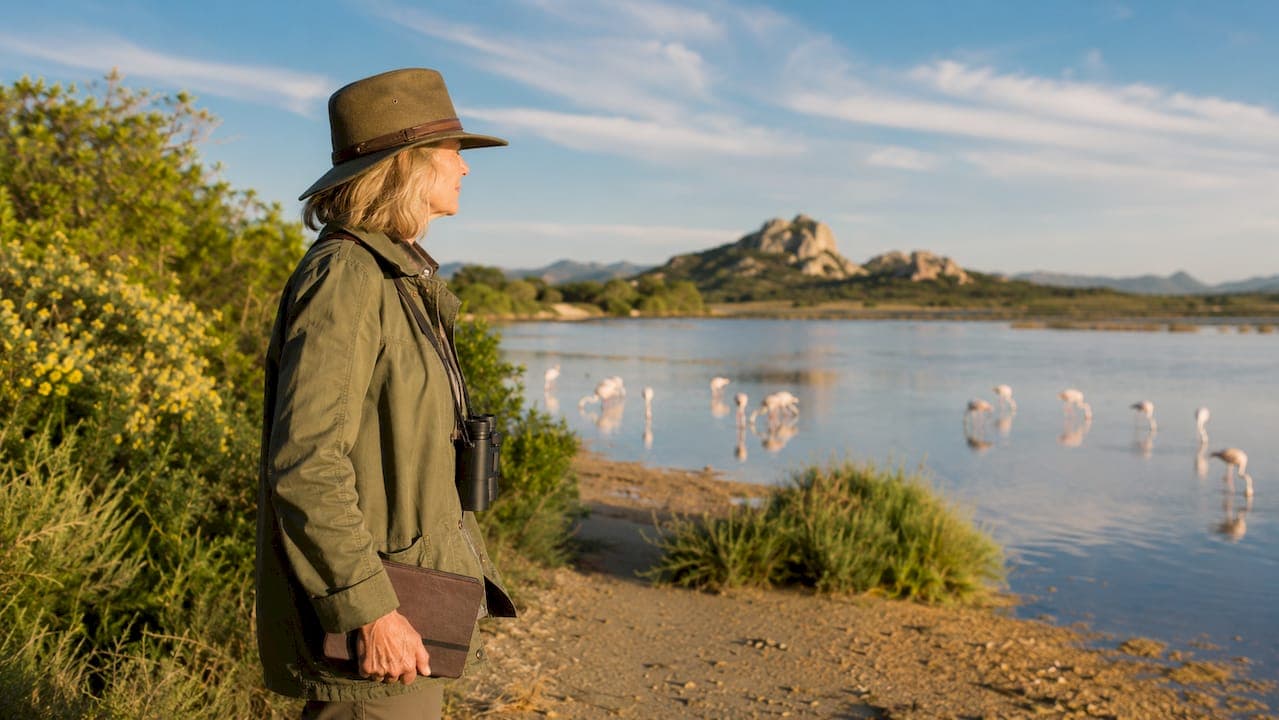
The wetlands are the crown jewel. Molentargius-Saline Park near Cagliari hosts a permanent Greater Flamingo colony that has bred regularly since the 1990s, with thousands of nesting pairs recorded during successful seasons. Flamingos are present every month of the year, which is unusual for the Mediterranean and gives Sardinia a rare fixed spectacle that other destinations simply cannot offer.
Notable Sardinia bird species to look for include:
- Greater Flamingo: Year-round resident at Molentargius and Stagno di Cabras.
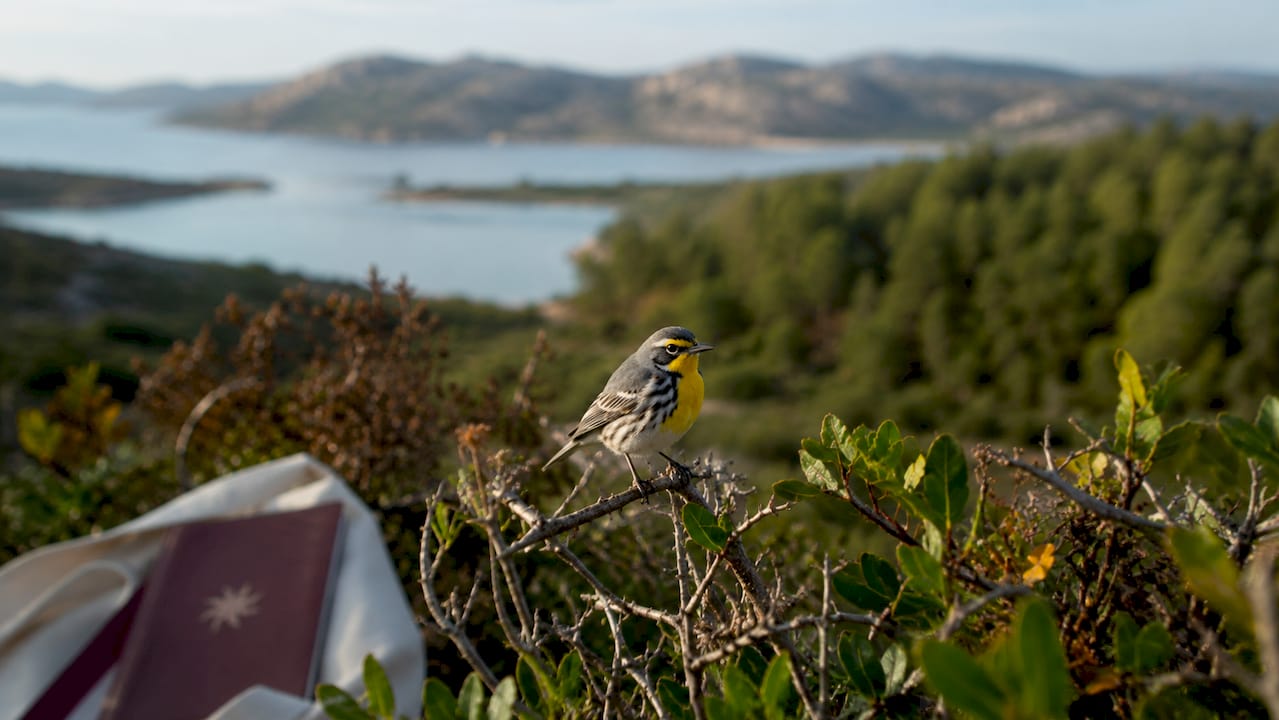
- Sardinian Warbler: Abundant in macchia throughout the island; the quintessential Sardinian passerine.
- Audouin's Gull: Breeds on offshore islets; one of the rarest gulls in the world.
- Eleonora's Falcon: Nests on sea cliffs and hunts migrating passerines in autumn.
- Marmora's Warbler: A near-endemic of the western Mediterranean, found in Sardinia's rocky scrubland.
Pro Tip: Marmora's Warbler is one of the most sought-after species for visiting birdwatchers. Look for it in low, dense scrub on rocky hillsides, particularly in the Gennargentu massif and along the western coast. Early morning is the best time to catch its brief, scratchy song.
What are the best birdwatching spots in Sardinia?
Sardinia rewards birdwatchers who move beyond the obvious coastal resorts and seek out its protected wetlands and island reserves. The sites below represent the most productive locations for both variety and sheer numbers.
| Site | Key species | Best season |
|---|---|---|
| Molentargius-Saline Park | Greater Flamingo, Avocet, Little Egret | Year-round |
| Stagno di Cabras | Flamingo, Spoonbill, Marsh Harrier | Spring and autumn |
| Laguna di Santa Gilla | Slender-billed Gull, Dunlin, Kentish Plover | Autumn and winter |
| La Maddalena Archipelago | Audouin's Gull, Peregrine, Cory's Shearwater | Spring and summer |
| Gennargentu National Park | Lammergeier, Peregrine, Marmora's Warbler | Spring |
Molentargius-Saline Park sits on the edge of Cagliari and is arguably the most accessible urban wetland in the Mediterranean. The park promotes slow tourism through cycling and guided tours to protect wildlife while keeping the site open to visitors. This approach means the birds remain relatively undisturbed, and sightings are consistently rewarding.
Stagno di Cabras is Sardinia's largest coastal lagoon. Its shallow, brackish waters attract enormous flocks of waders and wildfowl, particularly during the shoulder seasons. The lagoon's shallow waters and dawn conditions create ideal light for photography and observation in the early hours.
La Maddalena Archipelago in the north offers a different experience entirely. Bird populations on the smaller islands remain isolated for up to nine months each year, resulting in higher bird frequencies and far less disturbance than mainland sites. Seabird colonies here are particularly impressive in spring.
Pro Tip: At Stagno di Cabras, many birdwatchers stop at the road edge and miss the real action. The central lagoon holds the densest concentrations of birds, and these are only visible with a spotting scope on a tripod. Bring one, and position yourself with the sun at your back for the clearest views.
Why is birding in Sardinia rewarding compared to other Mediterranean locations?
Sardinia's birdwatching quality rests on a foundation of long-term conservation choices. Strict hunting regulations, enforced over decades, have allowed bird populations to recover and stabilise in ways not seen across much of mainland Italy or other Mediterranean islands. The relative absence of intensive agriculture preserves the insect-rich habitats that insectivorous birds depend on.
The island's slower pace of tourism development also plays a measurable role. Less infrastructure means fewer disturbances at key sites, and the responsible observation practices encouraged at parks like Molentargius set a tone that visitors tend to follow.
Timing your visit correctly amplifies every one of these advantages:
- March to May: Peak spring migration with maximum species diversity and breeding activity.
- Late September to November: Autumn passage brings rarities and large wader flocks.
- June to August: Resident species are active but arrive early; heat suppresses midday activity.
- December to February: Wintering wildfowl and waders; quieter but rewarding for dedicated birdwatchers.
The shoulder seasons of late september to november and march to may offer the most rewarding birding periods in Sardinia, combining mild temperatures with peak migratory flows and the full range of resident species.
The combination of protected habitats, low agricultural pressure, and a culture of slow, respectful tourism makes Sardinia genuinely different from busier Mediterranean birdwatching destinations. The role of nature in Sardinian travel is not an afterthought here. It is central to the island's identity.
What practical tips should birders follow in Sardinia?
Preparation separates a good Sardinian birding trip from a great one. The island's lagoons and wetlands require optical equipment that most casual birdwatchers underestimate.
- Bring a spotting scope. Lagoon birds congregate in the centre of open water, well beyond binocular range. A scope mounted on a tripod is the single most effective piece of kit for Sardinian wetland birding.
- Arrive before 9:00 AM. Optimal bird activity and photography light occur at dawn. Arriving early at sites like Laguna di Santa Gilla gives you the best conditions before heat and human noise increase.
- Position yourself with the sun behind you. This simple technique, particularly effective at dawn on Sardinian wetlands, eliminates glare and reveals plumage detail that backlit viewing obscures.
- Choose shoulder season dates. Late september to may delivers the richest variety. Summer visits still produce sightings but require earlier starts and lower expectations for midday activity.
- Use guided tours or cycling routes. Guided birding tours in Sardinia offer local knowledge that no field guide replicates. Cycling through protected areas like Molentargius also reduces disturbance and covers ground quietly.
- Respect site boundaries. Approaching nesting colonies too closely causes abandonment. Stay on marked paths and use hides where provided.
Pro Tip: If you are visiting the La Maddalena Archipelago, book a boat transfer to the smaller outer islands rather than staying on the main island. The isolated bird populations on these islets are far less accustomed to human presence, which paradoxically makes sightings closer and more prolonged.
Sardinia's birdwatching rewards: a personal reflection
Sardinia does something to a birdwatcher that few other destinations manage. It slows you down. The island's rhythms, shaped by centuries of pastoral life and a landscape that resisted industrial change, create a quality of stillness that is genuinely rare in the Mediterranean. Standing at the edge of Molentargius at dawn, watching a thousand flamingos shift colour as the light changes, is not simply a tick on a list. It is an experience that reframes why birdwatching matters.
What I find most striking is how the island rewards patience over effort. Birdwatchers who rush between sites, chasing species counts, often miss the subtler pleasures: a Marmora's Warbler singing from a granite outcrop, or an Eleonora's Falcon cutting low over the macchia in the golden hour. Sardinia's off-season travel is particularly underrated. The shoulder months strip away the summer crowds and leave the wetlands to the birds and the birdwatchers who know to come then.
The conservation story here is also genuinely encouraging. The expansion of Sardinia's bird checklist since 1995 reflects real, sustained effort. That progress deserves to be protected by the visitors who benefit from it. Tread lightly, observe responsibly, and the island will give you more than you expect.
— Studio
Porto Rafael: a refined base for your Sardinia birding trip
Birding in Sardinia's northern Gallura region reaches its finest expression when paired with a place to rest that matches the quality of the landscape itself.
Portorafael's Hotel La Piazza sits at the heart of Porto Rafael, a captivating boutique village on the Gallura coast, within reach of the La Maddalena Archipelago's celebrated birdwatching sites. After a dawn start on the water, the Solaz Restaurant offers gourmet dining rooted in Sardinian produce, a fitting close to a day spent in the island's extraordinary natural world. For birdwatchers who value the slow tourism philosophy as much as the sightings themselves, Porto Rafael offers a rare combination of refined comfort and genuine connection to the Gallura landscape.
FAQ
Why is birding in Sardinia popular with European birdwatchers?
Sardinia lies on the Mediterranean migration flyway connecting Europe and Africa, making it a key stopover for millions of birds each year. Its habitat diversity and permanent species like the Greater Flamingo add year-round appeal.
What are the best birdwatching spots in Sardinia?
Molentargius-Saline Park, Stagno di Cabras, Laguna di Santa Gilla, and the La Maddalena Archipelago are the most productive sites. Each offers distinct species and habitats suited to different seasons.
When is the best time to go birding in Sardinia?
The shoulder seasons of march to may and late september to november offer the richest variety, combining peak migration with mild temperatures and lower visitor numbers.
What equipment do I need for birdwatching in Sardinia?
A spotting scope on a tripod is strongly recommended for lagoon sites, where birds congregate far from the shoreline. Quality binoculars and a field guide covering Mediterranean species complete the essentials.
Are there guided birding tours in Sardinia?
Guided tours operate at major sites including Molentargius-Saline Park, where cycling and walking tours are promoted as part of the park's slow tourism programme. Local guides provide species knowledge that significantly improves the experience.