
TL;DR:
- Sardinia's natural landscapes, including beaches, mountains, and reserves, are central to its tourism appeal.
- Growing visitor numbers have led to environmental protections and limits on over-visited sites.
- Sustainable and slow tourism practices help preserve Sardinia’s ecological and cultural heritage.
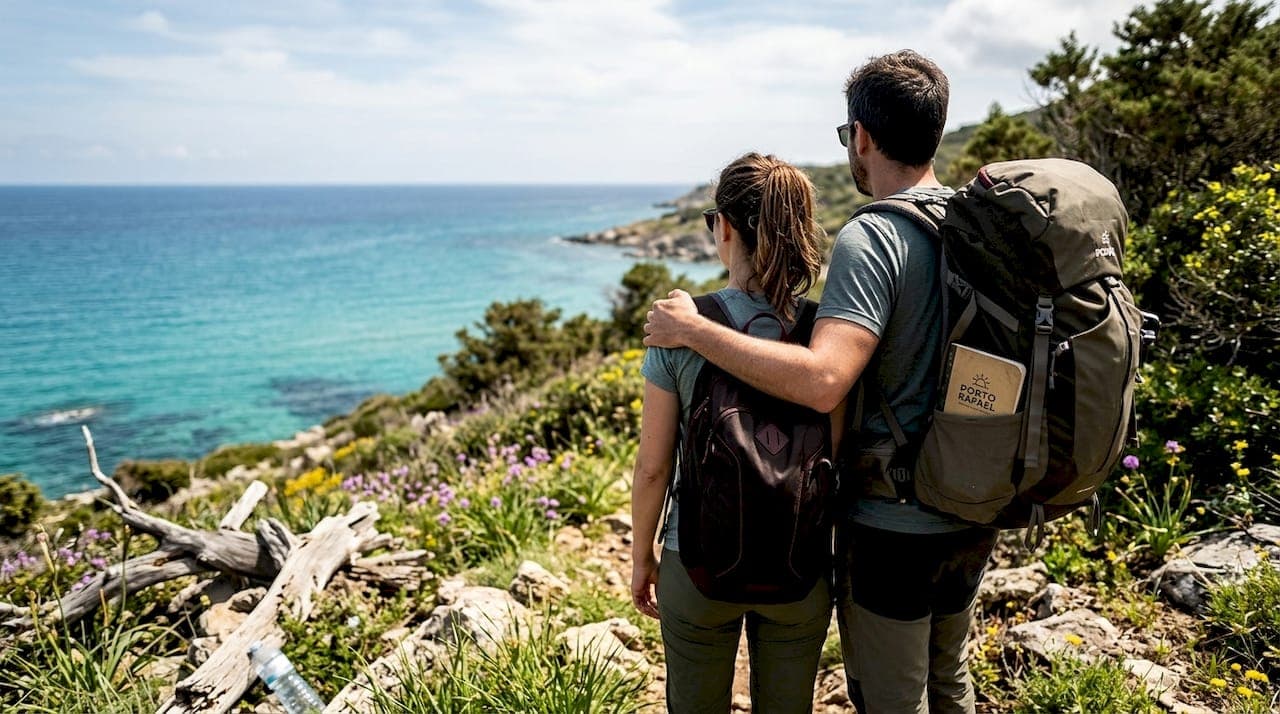
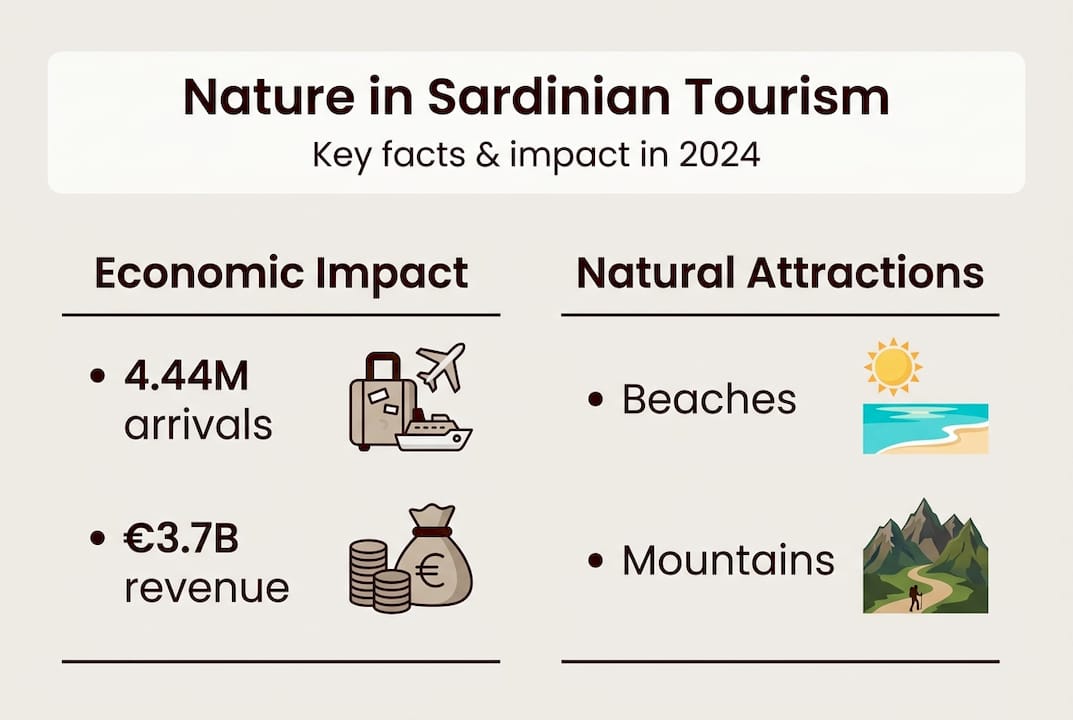
Sardinia's record 4.44 million arrivals in 2024, generating €3.7 billion in tourism revenue, tell only part of the story. The island is far more than a collection of postcard beaches. Beneath the turquoise surface lies a living landscape of ancient mountains, fragrant maquis, and centuries-old villages that form the true soul of Sardinian travel. Visitors who arrive expecting only sun and sand often leave transformed by something deeper: a wilderness that breathes, a culture that endures, and a natural heritage that quietly shapes every experience on the island.
Key Takeaways
| Point | Details |
|---|---|
| Nature drives tourism | Sardinia’s spectacular landscapes are central to the island’s draw and record-breaking visitor numbers. |
| Balance is critical | Visitor caps and slow tourism help sustain delicate environments under pressure from mass tourism. |
| Go beyond the beach | Exploring inland and off-peak destinations offers richer culture-nature experiences and supports local communities. |
| Tech shapes sustainability | Digital booking and impact monitoring are crucial tools for future-proofing Sardinian travel. |
Why nature is Sardinia's travel magnet
Building on Sardinia's remarkable popularity, nature lies unmistakably at the core of this phenomenon. The island's ecological diversity is extraordinary. Rugged granite peaks in Gallura give way to limestone gorges in the Supramonte, while wetlands teeming with flamingos line the southern coast. These are not incidental backdrops. They are the reason people return.
Sardinia's key natural assets include:
- Pristine beaches and coves along over 1,800 kilometres of coastline
- Mountain landscapes including the Gennargentu range, rising above 1,800 metres
- Protected nature reserves such as the Asinara National Park and the Arcipelago di La Maddalena
- Blue Zones, where Sardinia's Ogliastra region holds one of the world's highest concentrations of centenarians, linked in part to an outdoor, nature-connected lifestyle
Nature tourism is not merely a cultural bonus. It is an economic engine. Sardinian tourism statistics confirm that diversified natural offerings are drawing visitors beyond the traditional July and August peak. In 2025, the island recorded 21.8 million overnight stays, with nature-based activities playing a measurable role in extending shoulder seasons into spring and autumn.
| Season | Primary draw | Visitor profile |
|---|---|---|
| Summer (Jun–Aug) | Beaches, sailing, festivals | International leisure travellers |
| Shoulder (Apr–May, Sep–Oct) | Hiking, wildlife, culture | Eco-tourists, slow travellers |
| Winter (Nov–Mar) | Traditions, gastronomy, interior | Cultural explorers, domestic visitors |
Foreign visitor numbers have grown steadily, with travellers from Germany, France, and the United Kingdom increasingly drawn to Gallura's coastal landscape and the island's off-peak cultural richness. For those seeking summer culture and relaxation, Sardinia offers an almost unrivalled combination of natural spectacle and authentic living.
"Sardinia's landscapes are not simply beautiful. They are alive with history, biodiversity, and a spirit that rewards those who look beyond the shoreline."
The environmental impact of coastal tourism
With nature at the centre of Sardinia's appeal, it is crucial to consider the strain on the island's most beloved places. Surging visitor numbers have placed immense pressure on fragile coastal ecosystems. Summer hotspots regularly exceed their ecological capacity, and the consequences are visible.
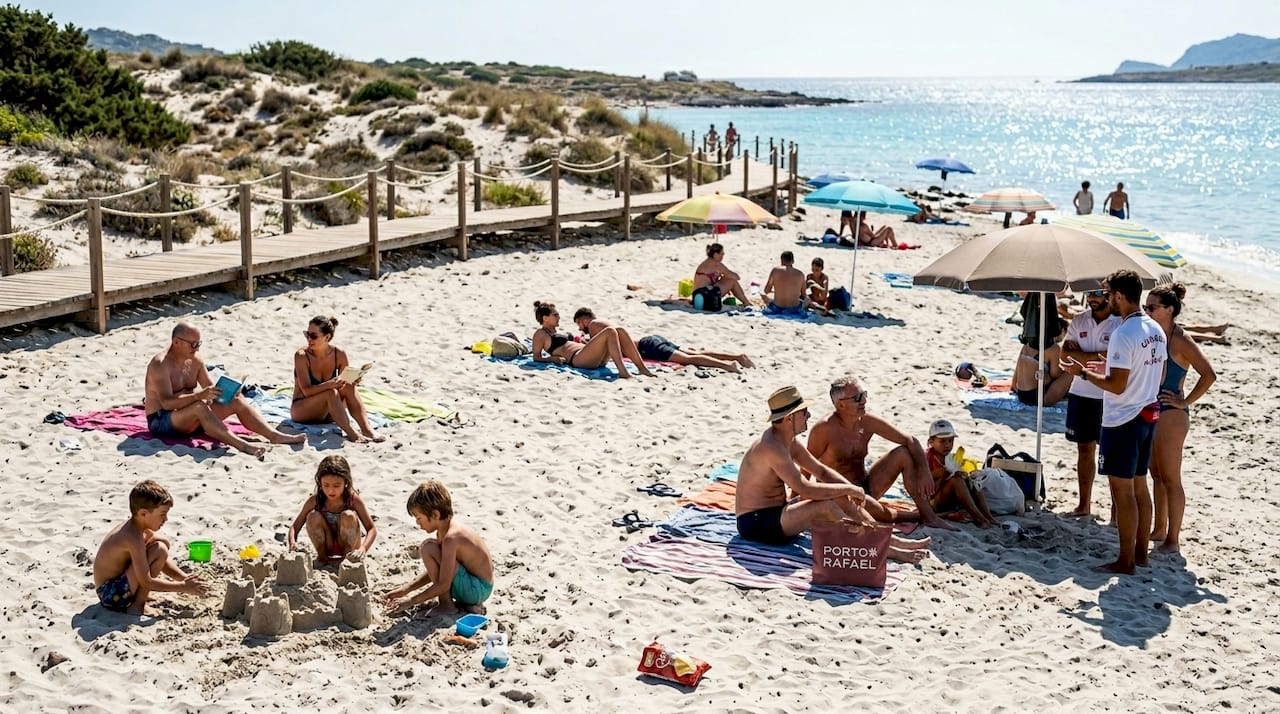
According to a coastal overtourism study, the effects include accelerated dune erosion, water and sand pollution from sunscreen chemicals and litter, and measurable loss of Posidonia oceanica meadows, the seagrass beds that anchor Sardinia's extraordinary water clarity.
Overtourism at Tuerredda and La Pelosa has prompted authorities to introduce daily visitor caps, mandatory digital booking systems, and strict bans on removing sand or shells. Fines for sand removal now reach several thousand euros.
| Site | Problem identified | Measure introduced |
|---|---|---|
| La Pelosa Beach | Severe dune erosion | Daily cap, digital entry booking |
| Tuerredda Beach | Overcrowding, pollution | Shuttle system, visitor limits |
| Cala Mariolu | Anchor damage to seagrass | Mooring buoys, no-anchor zones |
In contrast, lesser-known coves and inland zones remain largely unspoiled. Visiting these areas supports authentic Sardinian hospitality while relieving pressure from over-visited sites.
Key conservation measures now in place:
- Digital pre-booking for access to protected beaches
- Bans on single-use plastics in coastal zones
- Shuttle buses replacing private car access at sensitive sites
- Fines for removing natural materials from beaches
Pro Tip: Visiting Sardinia's protected beaches before 9am or after 5pm not only avoids queues but allows you to experience the coastline at its most serene, when light plays across the water and the landscape feels entirely your own.
Sustainable travel: Eco-tourism and slow exploration
To truly protect and experience Sardinia's nature, sustainable travel models are reshaping how visitors explore the island. Slow tourism is not a trend. It is a philosophy: spending more time in fewer places, engaging deeply with local communities, and leaving minimal trace.
Research on promoting eco-tourism inland highlights Sardinia's Supramonte and Barbagia regions as exceptional destinations for nature-based, low-impact travel. These areas offer dramatic limestone gorges, ancient nuraghi stone towers, and villages where traditional crafts and festivals remain central to daily life.
How to travel sustainably in Sardinia:
- Choose off-peak months such as May, June, or September to reduce pressure on hotspots and enjoy cooler, quieter landscapes.
- Explore inland regions like Barbagia and Ogliastra, where hiking trails, shepherd's paths, and village festivals offer rare cultural immersion.
- Stay in locally owned accommodation to ensure your spending directly supports Sardinian families and communities.
- Follow no-trace principles on beaches and trails: carry out all waste, avoid disturbing wildlife, and respect marked paths.
- Use public transport or cycling where possible, particularly in coastal national parks where car access is restricted.
The OECD tourism insights for Sardinia confirm that de-seasonalisation, spreading visits across the year, significantly reduces pressure on fragile ecosystems while generating more stable income for local businesses.
Pro Tip: Booking a guided walk through a Sardinian nature reserve with a local guide is one of the most rewarding investments you can make. These guides carry generations of knowledge about the land, its plants, and its stories, knowledge no app can replicate.
For those planning a richer itinerary, the summer activities guide and insights into Sardinian villages and heritage offer thoughtful starting points for building a journey that goes far beyond the beach.
The future: Innovation and balanced nature-culture experiences
Sustainability is not simply about saying no to tourism. It is about finding smarter, more respectful ways to balance nature and experience. Sardinia is increasingly embracing technology and data-driven policy to manage its natural assets wisely.
The ROSS1000 monitoring system tracks real-time tourism impact across the island's most sensitive sites, providing authorities with data to adjust visitor caps, redirect flows, and respond swiftly to ecological stress. Visitor management apps now guide travellers toward less-congested alternatives when popular sites reach capacity.
Emerging innovations shaping Sardinian eco-tourism:
- Renewable energy resorts powered by solar and wind, reducing the carbon footprint of coastal hospitality
- Nature-culture circuits linking archaeological sites, traditional villages, and natural reserves into coherent itineraries
- Blue Zone tourism, celebrating the longevity and lifestyle of Ogliastra's communities as a model for mindful living
- Local involvement frameworks, ensuring communities have a voice in how their landscapes are accessed and presented
The regional attractiveness data for Sardinia shows that regions combining cultural depth with natural access consistently outperform beach-only destinations in visitor satisfaction and return rates. This is not coincidence. It is the result of deliberate, values-led investment.
For those curious about how events shape luxury tourism in Sardinia, the island's calendar of cultural festivals, sailing regattas, and artisan fairs offers a compelling complement to its natural wonders. The future of Sardinian travel is immersive, intelligent, and deeply rooted in the land.
Why the conventional view of Sardinian nature gets it wrong
There is a persistent and limiting idea that Sardinia's nature begins and ends at the waterline. It is understandable. The beaches are genuinely extraordinary, and no one would argue otherwise. But this view quietly diminishes something far richer.
The island's interior is where Sardinia's character was forged. Ancient forests, shepherd trails worn smooth over millennia, and villages where the dialect, the food, and the festivals have barely changed in centuries. These are not curiosities for the adventurous few. They are the island's living memory.
From our perspective at Porto Rafael, the most meaningful travel moments rarely happen at the busiest beaches. They happen on a quiet path above the sea at dusk, at a table where the pecorino is made by someone you have just met, or in the silence of a nuraghe that has stood for three thousand years. A luxury itinerary need not sacrifice depth for comfort. The two are entirely compatible in Sardinia, provided you are willing to look beyond the obvious.
Responsible travel is ultimately a shift in curiosity, not just in behaviour.
Experience Sardinia's nature with a touch of comfort
Inspired to plan your own immersive Sardinian journey? Porto Rafael, nestled in the captivating landscape of Gallura, offers a rare opportunity to experience the island's natural beauty without sacrificing elegance or ease.
Whether you choose the refined surroundings of a Charme room at Hotel La Piazza or the elevated comfort of a Prestige room, each stay places you at the heart of Sardinia's most serene coastal landscape. Complement your visit with the finest local gastronomy at Solaz Restaurant, where the flavours of Gallura are celebrated with care and creativity. Porto Rafael is where nature, culture, and comfort meet gracefully.
Frequently asked questions
What makes Sardinia unique for nature-based travel?
Sardinia's rare combination of pristine beaches, mountains, and cultural depth makes it one of Europe's most rewarding eco-tourism destinations. The island's biodiversity and living traditions offer immersive experiences that go far beyond coastal scenery.
Are there limits on tourist numbers in Sardinia's natural sites?
Yes. Popular beaches such as Tuerredda and La Pelosa now operate with daily visitor caps and require digital pre-booking, particularly during high season. These measures protect fragile ecosystems and improve the quality of the experience for those who do visit.
How can travellers visit Sardinia sustainably?
Visiting outside peak months, exploring inland regions, and supporting locally owned businesses are among the most effective steps. Following slow and eco-tourism principles ensures a lower environmental impact and a richer, more authentic experience.
What are some recommended nature spots beyond the beaches?
The Supramonte and Barbagia regions offer dramatic gorges, ancient stone towers, and traditional villages that reveal a Sardinia few visitors ever see. These inland landscapes reward those who take the time to explore them properly.