

TL;DR:
- Coastal villages are vital for their ecological, cultural, and economic contributions, supporting biodiversity and community resilience. They face pressures from climate change and tourism, but local knowledge and sustainable practices offer powerful protection. Visitors can help by supporting community-owned businesses, participating in conservation, and respecting local customs.
Coastal villages are far more than picturesque backdrops for holiday photographs. They are living systems, quietly performing ecological, cultural, and economic work that most of us never see. Understanding why coastal villages matter means looking past the whitewashed walls and fishing boats to recognise communities that protect coastlines, preserve centuries of knowledge, and sustain biodiversity that benefits the entire planet. They face mounting pressures from climate change, economic inequality, and rapid tourism growth, yet their capacity for resilience is extraordinary. This article explores the full significance of coastal villages, from the marshes at their edges to the traditions at their hearts.
Why coastal villages matter for the natural world
There is a quiet but profound truth about coastal villages: the land and water surrounding them does some of the most valuable environmental work on Earth. Wetlands, salt marshes, mangroves, and seagrass beds all thrive where human settlements meet the shore, and these habitats are not incidental. They are sustained, in many cases, by the communities that depend on them.
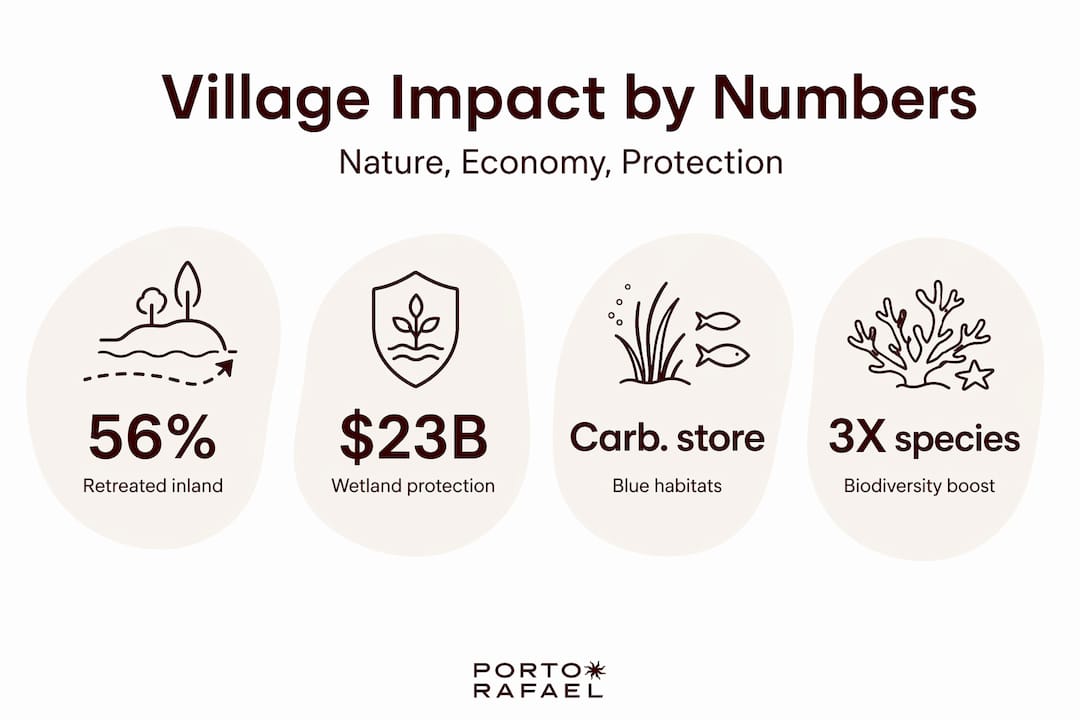
The economic value of these ecosystems is staggering. Wetlands protect communities globally, saving an estimated $23 billion annually through storm risk reduction alone, while salt marshes in specific regions can provide nearly $87.6 million in annual benefits to nearby settlements. These are not abstract figures. They represent flood damage avoided, coastlines held in place, and marine species sustained through breeding habitats that no engineering project can replicate.
The role of coastal communities in monitoring and protecting these ecosystems is undervalued. Residents hold deep knowledge of tides, fish behaviour, and seasonal changes that is genuinely irreplaceable for ecological monitoring and conservation. Community-led stewardship consistently outperforms top-down approaches in achieving lasting results. Local fishermen who have watched the same bay for forty years notice shifts in species populations long before any sensor does.
Climate change has intensified the urgency. 56% of global coastal settlements retreated inland between 1992 and 2019, driven by rising seas, stronger storms, and coastal erosion. Yet nearly half of low-income coastal regions cannot retreat at all, remaining bound to a shoreline that is actively shifting beneath them. Preserving coastal villages and their ecosystems is, in this light, not sentimental. It is a matter of climate adaptation on a global scale.
| Ecosystem service | Annual economic value |
|---|---|
| Global wetland storm protection | $23 billion |
| Virginia salt marshes (local region) | ~$87.6 million |
| Seagrass carbon sequestration | Estimated $1.9 billion |
| Coastal fisheries supported by habitats | $100+ billion globally |
Pro Tip: When visiting a coastal village, look for community conservation boards or signage near shoreline habitats. Participating in even a short organised beach clean or habitat survey contributes directly to the data ecosystems these communities rely on.
The cultural depth of coastal village life
What appears to be local colour, the old nets hanging on a wall, the particular way a harbour is organised, the timing of a seasonal festival, is often something far older and more purposeful. Coastal villages maintain centuries-old social contracts that bind communities together and serve as practical survival mechanisms. Shared harbour maintenance, building techniques adapted to salt air and storm exposure, and collective fishing agreements are not customs preserved for tourists. They are the architecture of community resilience.
These traditions matter for several reasons that speak directly to the importance of coastal villages:
- Ecological memory. Traditional fishing practices often encode sustainable yields, restricting what is caught and when, in ways that modern regulation sometimes rediscovers decades later.
- Social cohesion. Festivals, communal meals, and seasonal rituals create dense networks of trust and mutual obligation that communities draw on in times of hardship.
- Architectural wisdom. Vernacular building styles in coastal villages are designed for specific climatic conditions, offering lessons in passive cooling, wind resistance, and the use of local materials.
- Culinary heritage. Coastal food traditions, built around fresh, local seafood and seasonal produce, represent both cultural identity and a model of low-impact nutrition.
- Community museums and oral archives. Many coastal villages maintain informal repositories of local knowledge through storytelling, craft traditions, and community-run cultural spaces.
Local leadership, when given genuine authority, guides both conservation and tourism with nuance that outside management rarely achieves. Community-led monitoring and stewardship consistently proves more effective than centrally imposed strategies, precisely because residents understand the specific rhythms of their place. The significance of coastal regions lies, in part, in this irreplaceable local intelligence.
Pro Tip: When exploring a coastal village, seek out the community museum or local heritage centre before visiting any commercial attraction. These spaces often reveal the living logic behind what might otherwise seem like charming quirks.

You can discover how this cultural intelligence shapes Sardinian art traditions, where centuries of coastal life have produced a visual language unlike anywhere else in the Mediterranean.
Socioeconomic challenges and adaptation
The romance of coastal life can obscure a difficult economic reality. Coastal neighbourhoods are 42% more likely to fall into the most deprived income bracket, with average earnings running approximately £3,000 below the national mean, alongside higher unemployment and elevated mortality rates. These are not marginal statistics. They describe the lived circumstances of millions of people in communities that receive significant tourist attention but comparatively little sustained investment.
One structural problem is economic leakage. When tourism revenue flows primarily to outside-owned hotel chains and external businesses, very little remains in the community. Local ownership reduces this leakage significantly, enabling communities to build genuine reserves, adapt to slow seasons, and respond to environmental crises from a position of financial stability rather than desperation.
| Tourism model | Economic leakage | Community resilience |
|---|---|---|
| Externally owned, chain-led | High (60-80% leaves community) | Low |
| Locally owned, cooperative-led | Low (20-30% leaves community) | High |
| Mixed model with local procurement | Moderate | Moderate to high |
Policy is beginning to catch up with this reality. New frameworks measure economic resilience and social wellbeing rather than simply counting visitor numbers, recognising that volume-based tourism can hollow out a community even as it generates headline revenues. The shift towards measuring the quality of impact over quantity of footfall marks a genuine turning point for coastal village preservation.
Successful adaptation also involves livelihood diversification. Climate-induced migration in coastal villages rarely begins with permanent relocation. Instead, communities typically start with temporary labour migration or supplementary income sources such as eco-aquaculture, craft production, or vocational training, building economic flexibility without abandoning their home shores.
The health case for coastal living
Science has spent the past decade building a persuasive case for something that coastal dwellers have known intuitively for generations: living near the sea is genuinely good for you. The benefits of coastal communities extend well beyond the obvious pleasures of scenery and fresh air, touching measurable outcomes in mental health, physical wellbeing, and social connectedness.
The following illustrates the evidence-backed health advantages that coastal living provides:
- Improved mental health. People within half a mile of the coast report significantly greater happiness and fewer symptoms of anxiety and depression than those living further inland. The calming effect of blue spaces, open water views, and the sound of waves acts as a consistent, low-cost form of psychological restoration.
- Greater physical activity. Coastal environments naturally encourage walking, swimming, sailing, and cycling, activities that integrate exercise into daily life rather than requiring deliberate gym visits.
- Nutritional benefits. Coastal diets traditionally built around fresh fish, shellfish, and locally grown vegetables align closely with the dietary patterns associated with cardiovascular health and longevity.
- Social bonds and community identity. Smaller coastal communities tend to maintain the kind of dense, face-to-face social networks that larger urban settings erode. These networks provide practical support, shared purpose, and a sense of belonging that supports long-term mental resilience.
The real role of activities near the sea reinforces these findings, showing that active coastal experiences, whether sailing, kayaking, or simply spending extended time near open water, generate measurable improvements in mood and stress levels. These are not trivial quality-of-life additions. They represent a meaningful public health argument for why we need coastal villages to remain vibrant, accessible, and well-resourced.
How to support coastal villages as a visitor
Every visitor to a coastal village makes choices that either reinforce or undermine the community they have come to enjoy. Conscious travel is not about self-denial. It is about directing spending and attention in ways that leave the village genuinely better off.
- Choose locally owned accommodation. Family-run guesthouses and boutique hotels owned by community members keep revenue circulating locally, supporting jobs and services that outlast the tourist season.
- Eat where locals eat. Restaurants sourcing from local fishermen and farmers sustain traditional supply chains and food culture simultaneously.
- Participate in conservation programmes. Many coastal villages offer guided habitat walks, marine monitoring sessions, or restoration volunteer days. These experiences are often among the most memorable and contribute directly to the value of coastal habitats.
- Respect seasonal rhythms. Visiting outside peak season reduces pressure on fragile ecosystems and spreads economic benefit across the year, supporting a more sustainable tourism cycle.
- Buy from local artisans. Craft traditions in coastal villages encode cultural memory. Purchasing directly from makers rather than from generic souvenir shops ensures that skills are economically viable and worth passing on.
- Follow local customs and environmental guidelines. Anchoring restrictions, designated swimming areas, and protected zones exist to preserve the very qualities that make these places worth visiting.
Learning more about choosing coastal accommodation wisely can help you make decisions that align your holiday with the values of the community you are joining, however briefly.
My perspective on what coastal villages truly offer
I have spent considerable time in coastal villages across the Mediterranean, and what has struck me most consistently is how badly the mainstream conversation misrepresents them. The usual narrative is either nostalgic, mourning quaint communities in irreversible decline, or naively optimistic, presenting tourism as an uncomplicated salvation. Neither gets it right.
What I have come to understand is that the most important thing coastal villages possess is not their scenery or their seafood or even their architecture. It is the layered, accumulated knowledge of how to live with a particular stretch of water across multiple generations. That knowledge, held in practices and social structures rather than in documents or databases, is extraordinarily difficult to recreate once lost.
I have also noticed that communities which thrive are almost invariably those where local people retain meaningful authority over how their village grows, whom it welcomes, and on what terms. Outside investment and expert guidance have their place, but they work when they serve existing community structures, not when they replace them. The importance of coastal villages cannot be reduced to economic metrics or environmental data, though both matter. It lives in the character of a place that knows what it is and insists on remaining so.
The uncomfortable truth is that visitors, myself included, sometimes love these places in ways that damage them. Being conscious of that is not a reason to stay away. It is a reason to arrive differently.
— Studio
Experience the living spirit of coastal Sardinia at Portorafael
Porto Rafael, quietly positioned on the shores of Gallura, is one of those rare places where the values explored in this article are not aspirations. They are the daily reality.
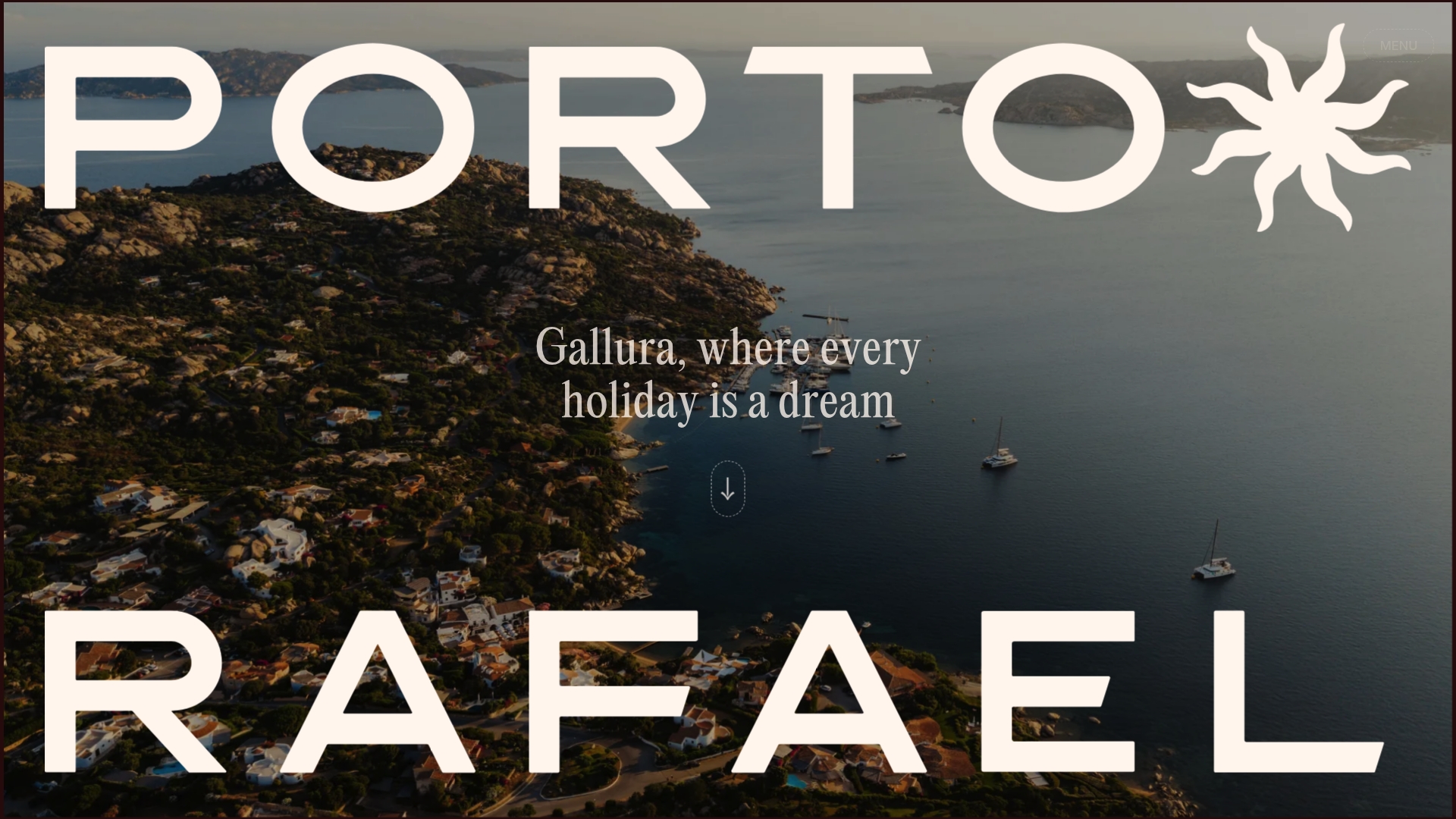
Portorafael embodies the impact of coastal living at its most considered. Hotel La Piazza, an adults-only boutique property at the heart of the village, is part of a locally rooted hospitality culture that prioritises authenticity over volume. Guests share evenings at Solaz Restaurant and Rafael's Bar & Lounge alongside the very community that shapes this coastline, not as observers of local life but as welcome participants in it. The gastronomy at Porto Rafael draws directly on Sardinian coastal traditions, offering flavours tied to season, shore, and the knowledge of local producers. For those seeking a holiday that reflects genuine coastal values, the advantages of Sardinian coastal holidays begin here, where heritage and hospitality meet without compromise.
FAQ
Why do coastal villages matter environmentally?
Coastal villages and their surrounding habitats provide storm protection, carbon sequestration, and marine biodiversity support. Wetlands associated with these communities save $23 billion annually in storm damage prevention worldwide.
Are coastal villages in economic decline?
Many face significant hardship. Coastal neighbourhoods in Britain, for example, are 42% more likely to be deprived, but communities adopting locally owned tourism models and diversified livelihoods are demonstrating real resilience.
How does living near the coast improve health?
People living within half a mile of the coast report greater happiness and fewer mental health symptoms. Physical activity, social cohesion, and nutritional benefits from local diets add further measurable health advantages.
What is economic leakage in coastal tourism?
Economic leakage occurs when tourism revenue leaves the local community, typically through externally owned businesses. Locally owned accommodation and restaurants retain significantly more revenue, building community resilience over time.
How can visitors support coastal village preservation?
Choose locally owned accommodation, eat at community-rooted restaurants, participate in conservation programmes, and purchase from local artisans. These choices collectively redirect economic and cultural benefit back into the communities that sustain these remarkable places.