
TL;DR:
- Sardinian markets provide an authentic cultural experience with fresh produce, traditional crafts, and community warmth. Preparation, understanding market timings, and engaging politely with vendors enhance visits and deepen appreciation. Buying PDO and PGI products and aligning your trip with market days ensures a richer, more meaningful exploration of Sardinian food culture.
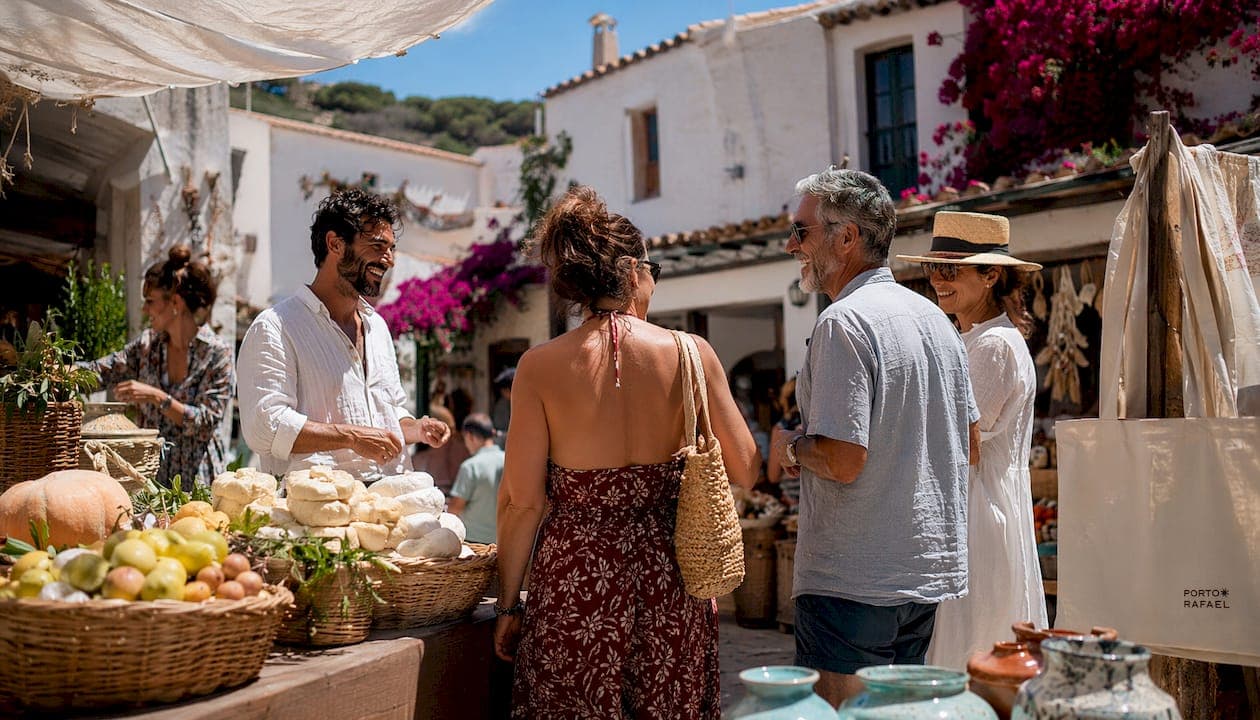
Sardinian markets are one of the most direct routes into the island's living culture, where centuries of tradition, extraordinary produce, and genuine community warmth converge in a single morning. Knowing how to navigate Sardinian markets transforms a casual browse into a genuinely immersive experience. From the vast covered halls of Mercato di San Benedetto in Cagliari to the intimate weekly gatherings in hilltop villages, these markets offer PDO and PGI-labelled products, multi-generational vendor families, and flavours that no airport shop can replicate. The rewards are considerable for those who arrive prepared.
How to navigate Sardinian markets: what to know before you go
Preparation is the single greatest factor in a successful market visit. Sardinian markets follow a rhythm shaped by centuries of agricultural and fishing life, and understanding that rhythm before you arrive saves time and prevents disappointment.
Timings and seasonal variations
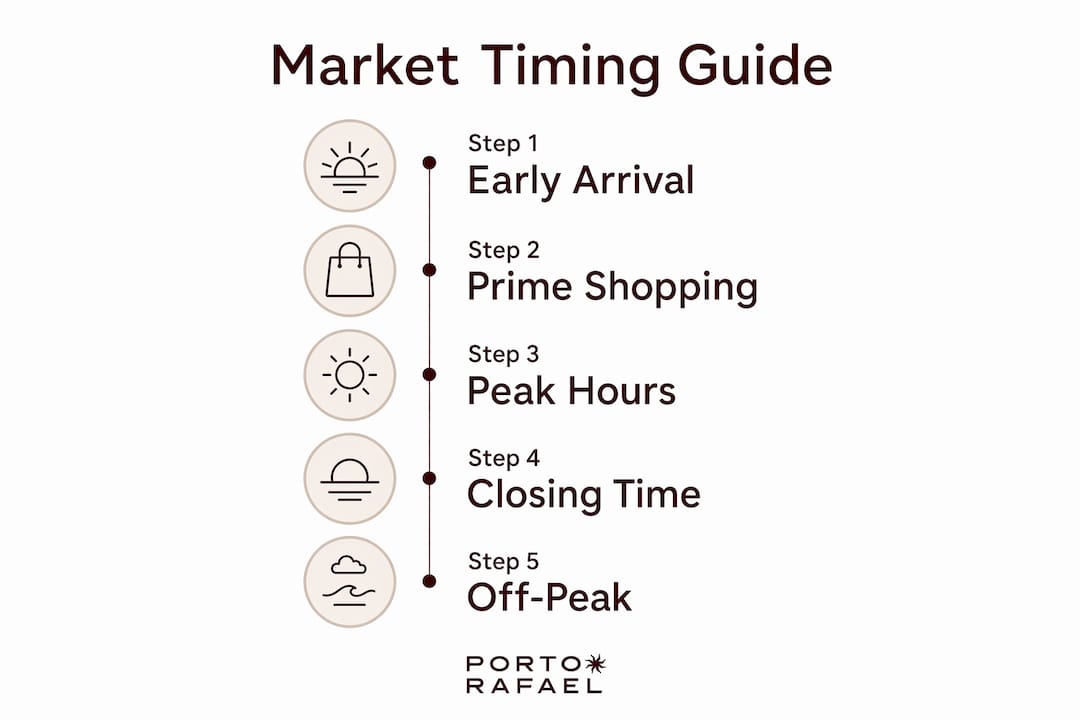
Standard market hours run from 7:00 AM to 1:00 PM across most towns and cities. Fresh produce, especially seafood and cheese, often sells out well before noon. Early morning hours, specifically between 7:00 AM and 9:30 AM, offer the best selection and the most vibrant atmosphere. Later arrivals may find discounted prices but significantly reduced choice.
From june to september, coastal towns host seasonal night markets that run into the evening, offering a lively social alternative to the traditional morning format. These are particularly popular in tourist areas and blend local crafts with street food. Sunday closures are common across the island, as are closures on public holidays, so checking local schedules before planning your day is non-negotiable.
Practical preparation checklist
- Cash in small denominations. Many rural stalls operate on cash only. Carrying €5 and €10 notes prevents awkward moments and speeds up transactions.
- Reusable bags. Vendors rarely provide bags, and plastic is increasingly discouraged across Sardinia.
- A cooler bag. Perishables like fresh cheese, bottarga, and cured meats need temperature control, particularly in summer.
- Transport planning. Historic town centres are often pedestrian-friendly, making walking the best option. For rural markets, car hire or cycling through the Gallura region are practical choices. Buses connect major towns but may not align with early market hours.
- Weekly schedule research. Markets rotate by day across different towns. Arriving in a village on the wrong day means missing the market entirely.
Pro Tip: Align your accommodation booking with local market days. Staying near a weekly market allows an unhurried visit without the pressure of a tight itinerary.
Which Sardinian markets offer the most authentic cultural experiences?
The Sardinia market guide below is not exhaustive, but it covers the markets that consistently deliver the deepest cultural encounters alongside the finest produce.
Mercato di San Benedetto, Cagliari
Mercato di San Benedetto is one of Europe's largest covered markets, spanning 8,000 square metres across two floors and operating since 1957. On holidays, it attracts over 1,500 visitors. The ground floor is dedicated to seafood, including local sea bass, bream, mullet, swordfish, and the prized bottarga (dried mullet roe) that defines Sardinian coastal cooking. The upper floor holds fruit, vegetables, cheeses, and cured meats. Most visitors to Cagliari walk straight past it. That is their loss.
Weekly town markets worth seeking out
Smaller weekly markets offer a more intimate Sardinia historical market experience, where the social fabric is visible in every exchange.
| Market | Day | Notable products |
|---|---|---|
| Bosa Tuesday Market | Tuesday | Local honey, seasonal vegetables, handmade ceramics |
| Alghero Wednesday Market | Wednesday | Fresh seafood, Catalan-influenced pastries, local wines |
| San Pantaleo Thursday Market | Thursday | Artisan crafts, organic produce, Gallura cheeses |
These markets function as social hubs with multi-generational vendor families, some of whom have traded from the same spot since the 1950s. The banter between regulars and vendors, conducted partly in regional Sardinian dialect, is itself a cultural performance worth witnessing.
Spotting authentic products
The PDO (Protected Designation of Origin) and PGI (Protected Geographical Indication) labels are your most reliable guides to authentic regional products. Pecorino Sardo PDO, Bottarga di Muggine, and Mirto di Sardegna each carry these designations. Look for the label on packaging or ask the vendor directly. Genuine producers are proud of the certification and will tell you exactly where their product originates.
For a deeper understanding of what to look for, the guide to artisanal Sardinian products from Portorafael offers a useful companion reference.
How do you engage with vendors at Sardinian markets?
Social etiquette at Sardinian markets is not complicated, but it is specific. Getting it right opens doors that remain firmly closed to those who treat the market as a supermarket.
The art of the greeting
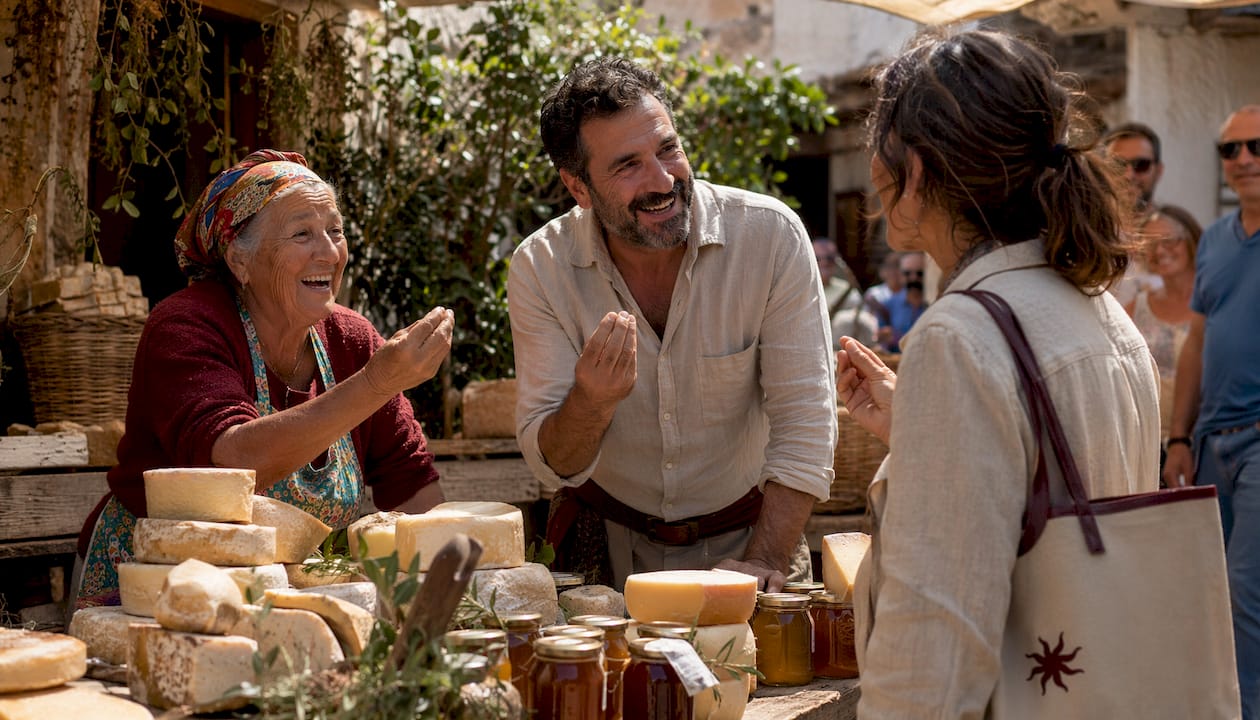
Using basic Italian greetings such as "Buongiorno" when you arrive and "Grazie" when you leave signals respect and genuine interest. Vendors respond with warmth, often offering samples, sharing cooking tips, or recommending a neighbouring stall. This is not a transaction. It is the beginning of a conversation rooted in centuries of hospitality.
The window between 9:00 AM and 11:00 AM is the ideal time for unhurried interaction. Before 9:00 AM, vendors are still setting up and focused on arrangement. After 11:00 AM, the pace quickens and conversations shorten as the morning draws to a close.
Practical social tips
- Accept samples graciously. Refusing a taste is considered impolite. Even a small bite acknowledges the vendor's craft.
- Ask about preparation. Questions like "How do you use this?" or "How long does it keep?" are welcomed and often lead to recipe recommendations you will not find in any guidebook.
- Avoid rushing. Sardinian market culture values presence. Scanning a stall quickly and moving on without acknowledgement reads as dismissive.
- Confirm payment methods. Before selecting items, ask whether the vendor accepts card payments. Most smaller stalls do not, and assuming otherwise creates unnecessary friction.
Pro Tip: The culinary experience of a market is as much about conversation as it is about produce. Treat each stall as an invitation to learn, not just to buy.
What to buy at Sardinian markets and how to plan your visit
Knowing what to buy at Sardinian markets before you arrive prevents impulse purchases of items that will not survive the journey home, and ensures you leave with the products that genuinely represent the island.
The essential shopping list
- Bottarga. Dried mullet roe, grated over pasta or eaten in thin slices with olive oil. Markets sell it whole or as powder, at prices well below airport retail.
- Local honey. Sardinia produces some of Italy's most distinctive honey, including corbezzolo (strawberry tree) honey, which carries a pleasingly bitter finish unlike anything found on supermarket shelves.
- Myrtle liqueur (Mirto). The island's defining digestif, made from wild myrtle berries. Buy it from a producer rather than a reseller for the most authentic version.
- Pecorino Sardo PDO. Available fresh, semi-aged, or aged. Ask the vendor to recommend a stage based on how you plan to use it.
- Preserved artichokes and sun-dried tomatoes. Compact, travel-friendly, and far superior to imported versions. Markets offer these at better prices than airports or tourist shops.
- Cured meats. Prosciutto from the Barbagia region and salsiccia sarda are worth seeking out at dedicated meat stalls.
Planning around market days
Aligning your stay with local market days is the single most effective way to deepen your Sardinian market experience. Book accommodation in a town the night before its weekly market. Wake early, arrive by 7:30 AM, and spend the morning at your own pace. This approach transforms the market from a tick-box activity into the centrepiece of a day.
Seasonal availability shapes what you will find. Spring brings wild asparagus and fresh ricotta. Summer offers ripe tomatoes, figs, and the first bottarga of the season. Autumn is the time for mushrooms, chestnuts, and aged cheeses. Winter markets are quieter but often more authentic, with fewer tourists and more locals.
To find the full range of local food experiences in Sardinia, Portorafael's guide covers eight must-try encounters that pair naturally with market visits.
Common challenges when shopping in Sardinian markets
Every traveller encounters at least one obstacle at a Sardinian market. Knowing what to expect removes the frustration and keeps the experience enjoyable.
- Early closures. Most markets close by 1:00 PM, with popular items gone well before then. Arriving after 11:00 AM on a busy day means working with what remains.
- Cash shortages. Running out of small notes mid-market is a common problem. Withdraw cash the evening before and keep small denominations separate from larger notes.
- Language barriers. Not every vendor speaks English. A few Italian phrases go a long way. Pointing, smiling, and showing genuine curiosity bridges most gaps.
- Crowding at peak times. Mercato di San Benedetto on a Saturday morning is genuinely busy. Arrive before 8:30 AM or accept that you will be navigating shoulder to shoulder.
- Accessibility. Older market buildings and cobbled streets can present challenges for travellers with mobility limitations. Mercato di San Benedetto has lift access between floors, but smaller town markets are often less accommodating. Contacting the local tourist office in advance provides useful guidance.
"The market is not just a place to buy food. It is where Sardinian life happens in public. The smells of fresh fish and aged cheese, the sound of dialect, the colour of seasonal produce piled high — these are the textures of a culture that has remained largely unchanged for generations. Treat the market as a guest, and it will give you far more than you came for."
What the market taught me that no guidebook could
The first time I walked into Mercato di San Benedetto before 8:00 AM on a Tuesday, I expected a market. What I found was closer to a living archive. The vendor on the fish floor whose family has sold mullet roe from the same spot for three generations did not just sell me bottarga. He explained the curing process, the difference between seasons, and why the roe from the Cabras lagoon carries a particular depth of flavour. That conversation took twelve minutes and cost me nothing beyond a genuine interest in what he was saying.
The insight I carry from that experience is this: viewing markets as social infrastructure rather than shopping venues changes everything about how you move through them. You slow down. You ask more. You leave with fewer bags but a far richer understanding of what Sardinian food culture actually means.
The travellers who get the most from these markets are not the ones with the longest shopping lists. They are the ones who treat each stall as a conversation waiting to happen. The role of local cuisine in tourism is precisely this: food becomes the medium through which a place reveals itself. Sardinian markets do this better than almost anywhere else in the Mediterranean.
— Studio
Taste the market at Portorafael
The flavours you encounter at Sardinian markets do not have to end when the stalls close. At Portorafael's Solaz Restaurant, the kitchen draws on the same regional produce and artisanal traditions that define the island's finest markets. Pecorino Sardo, fresh-caught seafood, and locally sourced herbs appear on a menu that honours Gallura's culinary heritage without artifice. Staying at Hotel La Piazza places you within reach of some of northern Sardinia's most captivating weekly markets, making it straightforward to plan your mornings around San Pantaleo or the coastal night markets of the Gallura coast. The full gastronomy offering at Portorafael extends from gourmet dining to cocktails and gelato, each rooted in the same authentic Sardinian spirit you find at the market stalls.
FAQ
What are the opening hours of Sardinian markets?
Most Sardinian markets open at 7:00 AM and close by 1:00 PM. Coastal towns run seasonal night markets from june to september.
Do Sardinian markets accept card payments?
Many smaller stalls and rural markets operate on cash only. Carrying small euro denominations is the safest approach.
What is the best time to arrive at a Sardinian market?
Arriving between 7:00 AM and 9:30 AM gives you the best selection and the most atmospheric experience. Popular items often sell out before mid-morning.
What should I buy at Sardinian markets?
Bottarga, Pecorino Sardo PDO, local honey, myrtle liqueur, and preserved artichokes are among the most distinctive and travel-friendly purchases available.
Are Sardinian markets open on Sundays?
Sunday closures are common across Sardinia. Public holidays also typically result in market closures, so checking local schedules before visiting is advisable.