
TL;DR:
- Sardinia’s beaches are diverse, including long, family-friendly shores, quartz grain beaches, sheltered coves, and wind-exposed stretches. Knowing each type helps travelers choose the best location for their activities, from snorkelling to water sports. Planning ahead based on beach type enhances safety, comfort, and overall experience.
Sardinia's sandy beaches fall into four distinct types defined by sand composition, coastal topography, and accessibility, and understanding these types transforms how you plan a visit. The island holds some of the most varied shorelines in the Mediterranean, from the quartz grain beaches of the west coast to the long, gently shelving family shores of the south. Each category of Sardinia sandy beach types suits a different kind of traveller, whether you are chasing water sports, seeking solitude, or simply looking for safe, shallow water for children. Knowing the difference before you arrive means you spend less time searching and more time swimming.
What are the main types of sandy beaches in Sardinia?
Sardinia's coastline stretches for over 1,800 kilometres, and the sandy beaches along it are not uniform. Coastal geologists and experienced guides recognise four principal categories that shape the visitor experience.
- Long, gently shelving beaches. These are the most accessible and family-friendly beaches in Sardinia. The seabed drops away slowly, creating wide, shallow entry zones ideal for children and nervous swimmers. Costa Rei in the south is the defining example, spanning around 8–10 kilometres of pale sand with a gradual gradient.
- Quartz grain beaches. Found primarily on the west coast, these beaches are composed of silica-rich quartz particles rather than standard silica sand. The grains are harder, coarser, and shaped like tiny rice grains. Is Arutas is the most celebrated example. The texture is unlike any other beach in Italy.
- Dune-backed cove beaches. These are smaller, sheltered bays framed by sand dunes or dramatic cliff formations. Cala Goloritzé on the east coast is the most striking, sitting beneath limestone pinnacles and accessible only by boat or a demanding hike.
- Multi-section wind-exposed beaches. These are large, open stretches divided into distinct sections by headlands or vegetation. Chia in the south-west is the prime example, offering calm family sections alongside wilder, wind-exposed stretches favoured by kitesurfers.
Sand quality varies significantly between types. Quartz beaches feel firm and crunchy underfoot, while silica beaches feel soft and powdery. The coastal zone also matters: the south and south-west tend toward long, open beaches, the east coast holds dramatic coves, and the west coast harbours the rare quartz formations.
Detailed profiles of top Sardinian beaches by type
Understanding the categories is one thing. Seeing them through specific locations makes the choice real.
Costa Rei: the long family shore
Costa Rei is the definitive long, gently shelving beach in Sardinia. The gently shelving seabed makes it safe for young children, and the beach developed organically as a destination for family-friendly, budget-conscious northern European visitors rather than luxury tourism. That history gives it an understated, authentic character. Facilities are reliable without being extravagant, and the atmosphere is relaxed. For top family activities beyond the beach itself, the surrounding area offers plenty of options.
Is Arutas: the quartz grain beach
Is Arutas is unlike any other beach in Sardinia. The sand is composed of quartz grains shaped like rice, harder than normal sand and producing a distinctive crunching sound with every step. The beach sits within a marine protected area, which keeps development minimal and water clarity exceptional. The steep shelving seabed creates outstanding snorkelling conditions but limits suitability for very young children. The quartz grains also behave differently from standard sand: they collect in footwear and can abrade soft fabrics.
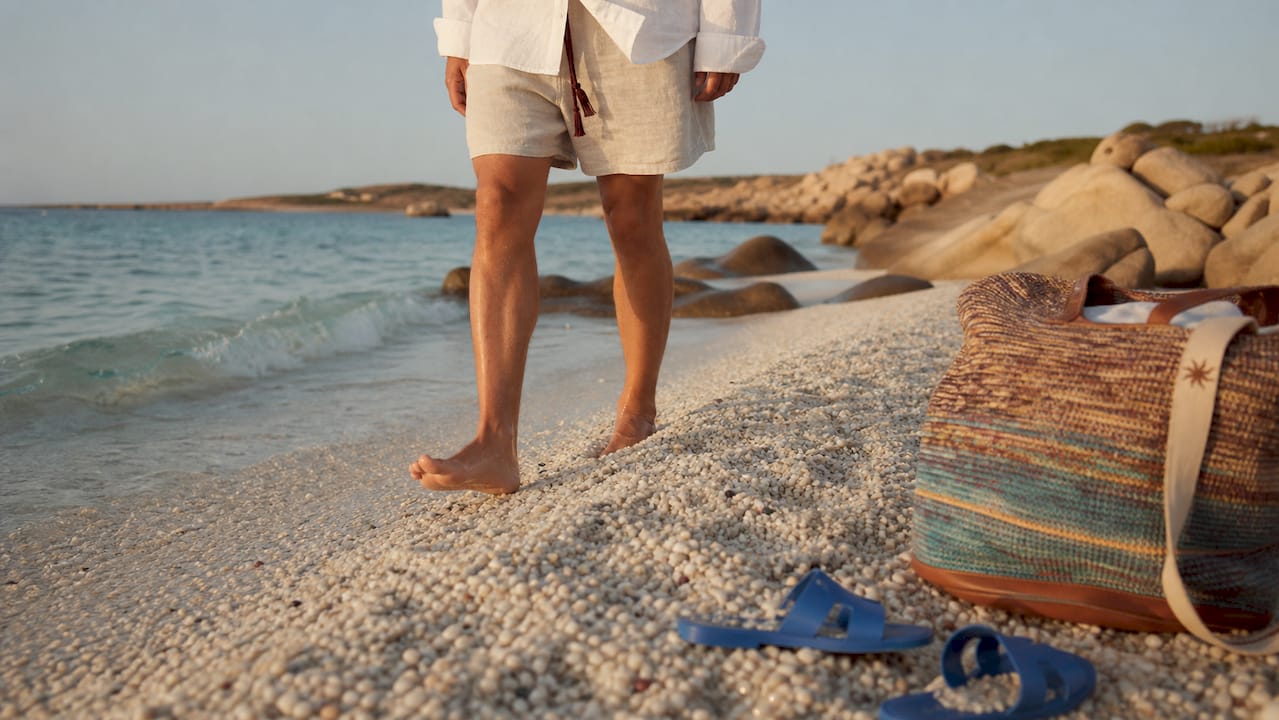
Pro Tip: Bring water shoes and a durable canvas or nylon towel to Is Arutas. Standard flip-flops and cotton towels suffer noticeably on quartz grain beaches.
Chia: the multi-section wind beach
Chia is a multi-section coastline with fine white sand, a shallow seabed, and reliable Mistral winds. The western sections are wilder and less crowded, attracting independent travellers and water sports enthusiasts. The central sections offer calmer conditions and more facilities, making them suitable for families. Chia's wind reliability makes it one of the best kitesurfing locations in the Mediterranean.
Cala Goloritzé: the protected cove
Cala Goloritzé is a UNESCO World Heritage Site beach on the east coast, accessible only by a strenuous hike or boat. Dramatic limestone cliffs frame a dune-backed sandy bay with water of extraordinary clarity. Access restrictions preserve its natural state and limit visitor numbers. For those planning a coastal day trip to the east coast, Cala Goloritzé rewards the effort entirely.
How sand type and beach style affect your Sardinia beach activities
The type of beach you choose directly shapes what you can do and how comfortable you will be doing it.
Quartz sand beaches require specific preparation. The coarse grains at Is Arutas damage standard towels and make barefoot walking uncomfortable. Water shoes prevent abrasion and give better grip on the firm, crunchy surface. The steep seabed at Is Arutas creates ideal snorkelling conditions, with remarkable water clarity and rich marine life visible from the surface.
Long silica beaches like Costa Rei offer the opposite experience: soft sand, gentle entry, and wide shallow zones that suit swimming, paddling, and beach games. The powdery texture is gentle on skin and towels. Facilities at these beaches tend to be well-developed, with sun lounger hire, beach bars, and lifeguard cover during peak season.
Wind-exposed beaches like Chia demand a different approach entirely. Wind conditions vary regionally across Sardinia, and Chia's Mistral-driven conditions make it ideal for kitesurfing. Punta Trettu, nearby, suits beginners due to flat water and steady wind. Experienced visitors find the quieter, wilder sections of Chia by walking 15–30 minutes from the main car parks, where crowds thin and the landscape feels genuinely untouched.
Remote cove beaches like Cala Goloritzé require physical planning. Accessing protected beaches often means hiking or arranging boat transport, which naturally limits visitor numbers and preserves the experience. Local bathing ordinances also restrict landing on certain protected coastlines, so checking regulations before arriving by water is essential.
Pro Tip: Pack a dry bag for any boat-access beach. Cala Goloritzé has no facilities, so carry water, food, and sun protection for the full day.
Key activity pairings by beach type:
- Snorkelling: Is Arutas (quartz, clear water, marine protected area)
- Kitesurfing and windsurfing: Chia, Punta Trettu (reliable Mistral winds)
- Family swimming: Costa Rei (gentle gradient, shallow entry)
- Hiking and photography: Cala Goloritzé (dramatic cliffs, restricted access)
Choosing the right Sardinia beach style for your trip
Different travellers need different beaches. The table below summarises the key attributes of each type to help you match your preferences.
| Beach type | Sand texture | Entry slope | Facilities | Best for |
|---|---|---|---|---|
| Long silica shore | Soft, powdery | Gentle, gradual | Well-developed | Families, casual swimmers |
| Quartz grain beach | Firm, crunchy | Moderate to steep | Minimal | Snorkellers, nature lovers |
| Multi-section wind beach | Fine, white | Gentle to moderate | Varied by section | Water sports, mixed groups |
| Protected cove | Fine, pale | Variable | None or minimal | Hikers, photographers, solitude seekers |
Families are best served by Costa Rei's long, shallow shore and reliable infrastructure. The beach's authentic, modest character also means it avoids the premium pricing of luxury resort zones.
Solo travellers and nature lovers will find Is Arutas and Cala Goloritzé most rewarding. Both require more effort to reach and experience fully, but both offer something genuinely rare. For those considering private beach access options across Sardinia, planning ahead is worthwhile.
Active water sports enthusiasts should head to Chia or Punta Trettu. Wind reliability is the deciding factor, and both locations have established schools and hire facilities for kitesurfing and windsurfing.
Mixed groups benefit from Chia's multi-section layout, which allows different members of a party to choose their preferred level of activity and exposure simultaneously.
What I have learned from Sardinia's beaches that most guides miss
The standard advice is to visit the famous beaches early in the morning to beat the crowds. That is true, but it misses the more useful insight: the shape of the beach matters more than the time of arrival.
At Chia, the difference between the central section and the western end is not just a matter of crowd density. The western end feels like a different beach entirely. The sand is the same, but the wind is stronger, the dunes are taller, and the sea has a different energy. Walking those extra 20 minutes changes the whole experience. Most visitors never bother.
Is Arutas surprised me the first time I walked on it. The sound is the thing nobody mentions. Quartz sand crunches in a way that feels almost geological, as though the beach is communicating something ancient. It is not comfortable in the way a soft silica beach is comfortable. It is interesting in a way that stays with you.
The beaches that reward the most are the ones that ask something of you. Cala Goloritzé demands a hike or a boat journey. Is Arutas demands the right footwear and a willingness to forgo the usual beach rituals. The long family beaches like Costa Rei ask nothing at all, and that is precisely their value for certain travellers. Knowing which category you belong to before you arrive is the most useful piece of planning you can do.
— Studio
Gallura by the coast: experiences and stays with Portorafael
Sardinia's beaches are best experienced as part of a wider coastal journey, not as isolated destinations. Portorafael, set in the captivating Gallura region, offers exactly that kind of context.
The Gallura by bike experience takes you through the scenic coastal terrain surrounding Porto Rafael, connecting the region's natural beauty with the kind of unhurried pace that makes Sardinia so memorable. For those seeking a comfortable base between beach days, the Principe suite at Hotel La Piazza offers refined accommodation with easy access to the Gallura coastline. Portorafael's position in the north makes it a natural starting point for exploring the full range of Sardinia's sandy shores.
FAQ
What are the main types of sandy beaches in Sardinia?
Sardinia's sandy beaches fall into four main types: long gently shelving silica shores, quartz grain beaches, multi-section wind-exposed beaches, and protected dune-backed coves. Each type suits different activities and traveller preferences.
Is Is Arutas beach suitable for children?
Is Arutas has a steep shelving seabed and coarse quartz grains that make it less suitable for very young children. Families with young children are better served by gently shelving beaches like Costa Rei.
What activities are best at Chia beach?
Chia is ideal for kitesurfing and windsurfing due to its reliable Mistral winds, particularly on the wilder western sections. The calmer central sections suit family swimming and paddling.
How do you reach Cala Goloritzé?
Cala Goloritzé is accessible only by a strenuous hike from the plateau above or by boat from nearby ports. Its UNESCO World Heritage Site status restricts visitor numbers and prohibits standard vehicle access.
Do I need special gear for quartz sand beaches in Sardinia?
Water shoes and a durable nylon or canvas towel are strongly recommended for quartz grain beaches like Is Arutas. The coarse grains abrade soft fabrics and make barefoot walking uncomfortable.