
TL;DR:
- Sardinia rewards solo travelers who plan carefully and embrace spontaneous moments amid its landscapes. Renting a car is essential for exploring remote beaches, nuraghi, and inland villages beyond limited public transport. Focusing on two to three regions over several days allows for meaningful experiences and genuine immersion in local life.
Sardinia is the kind of island that rewards you for going alone. This guide to solo travel in Sardinia will show you how to move through this ancient, sun-warmed land with confidence, whether you are drawn to the turquoise shallows of the Costa Smeralda, the granite heights of the Gennargentu, or the wind-worn nuraghi that rise from fields of wild asphodel. Travelling alone in Sardinia is not without its considerations. Transport requires thought, timing shapes the entire experience, and safety deserves more than a passing nod. What follows is a practical, honest, and at times lyrical account of how to make your solo Sardinia trip genuinely memorable.
Your guide to solo travel in Sardinia: planning it right
Getting the fundamentals right before you board the ferry or plane changes everything. Sardinia rewards preparation not because it is difficult, but because its finest experiences are tucked away in places that only the well-planned visitor finds.
When to visit: seasons and trade-offs
The single most consequential decision you will make is timing. Shoulder seasons are ideal for solo travellers: late May into June, and again through September, offer warm, sunny weather without the suffocating crowds of high summer.
Pros and cons by season:
- Late May and June. Warm water, green hillsides, affordable accommodation, and a relaxed pace. Beaches are walkable. Restaurants are accessible without a reservation made a fortnight in advance. The single downside is that some tourist services, particularly seasonal ferry routes and summer-only restaurants, are just coming online.
- July and August. Peak heat, peak prices, peak frustration. Coastal roads turn to car parks, and the finest beaches become crowded beyond comfort. Solo travellers lose the spontaneity that makes independent travel worthwhile.
- September. Many experienced travellers consider this the finest month. The sea remains warm from a summer of sunshine, crowds recede, and the harvest season brings food festivals and a quiet intimacy to inland villages.
- October to April. Some coastal resorts close entirely, and transport becomes sparse. That said, the island's interior remains open and wild, ideal for walkers and those who find beauty in emptiness.
Pro Tip: Book accommodation in shoulder season at least three to four weeks ahead. By June, the best boutique guesthouses in Gallura fill quickly, and last-minute options are often disappointing.
Getting around Sardinia solo
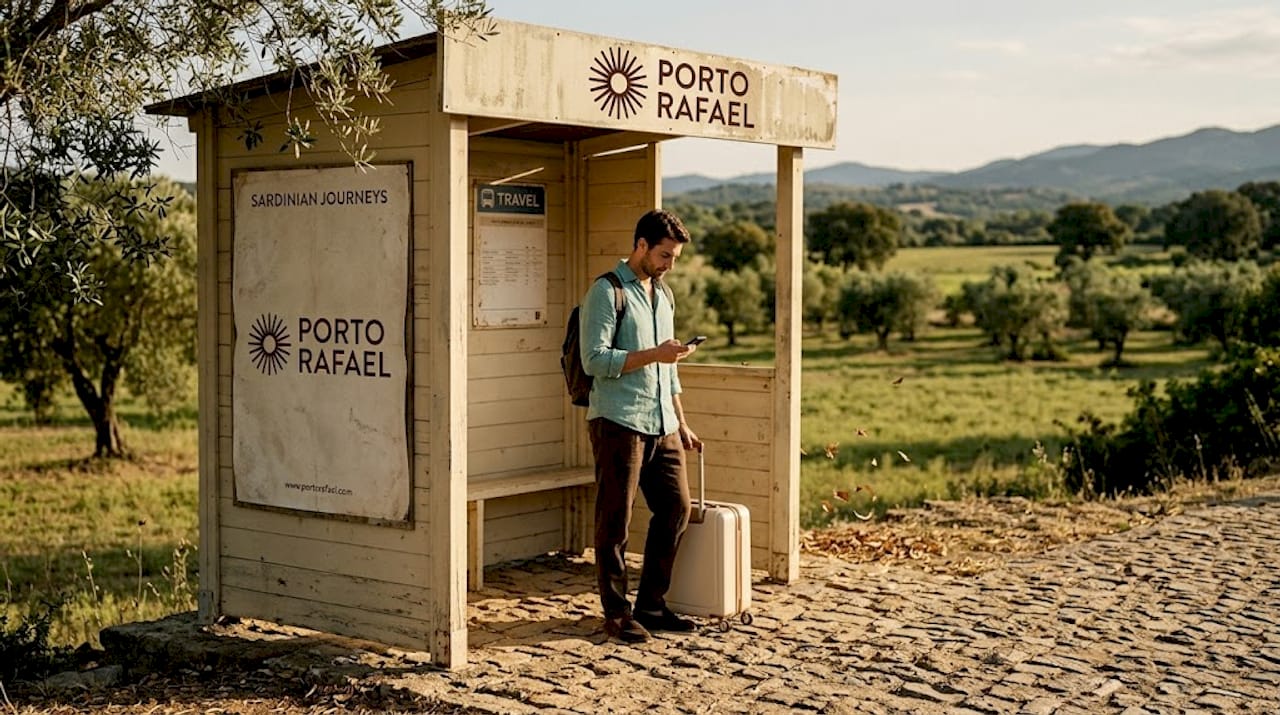
This is where many first-time solo visitors in Sardinia encounter their first real surprise. The island is larger than it appears on a map, and public transport is limited and slow, making a hire car close to non-negotiable for anyone who wants genuine freedom.
| Transport mode | Cost | Convenience | Coverage | Best for |
|---|---|---|---|---|
| Hire car | Moderate to high | Excellent | Entire island | Solo explorers wanting freedom |
| ARST bus | Low | Moderate | Major towns and routes | Budget travellers, no driving |
| Train | Low | Limited | Cagliari, Sassari, Oristano | City hops only |
| Taxi / rideshare | High | Good in cities | Urban areas only | Short transfers |
| Bicycle | Low | Physical effort required | Local areas | Scenic, coastal day rides |
Car rental gives you access to beaches, nuraghi, and inland villages that simply cannot be reached by bus. The trade-off is that Sardinia's roads are winding and local drivers can be assertive, particularly on coastal routes in summer. Take it slowly, avoid mountain roads after dark, and park in designated areas to avoid fines.
If you prefer not to drive, ARST tourist bus passes for 7 or 28 days offer reasonable value on major routes. Trains connect Cagliari, Sassari, and Oristano affordably but infrastructure limits speed, and rural delays are common. For smaller towns and coastal gems, a bus connection to a hire car works well.
The smartest approach for a seven to ten day trip is to plan regionally. Base yourself in one area for two to three days before moving on. Trying to cross the island daily is exhausting and eats into time better spent exploring.
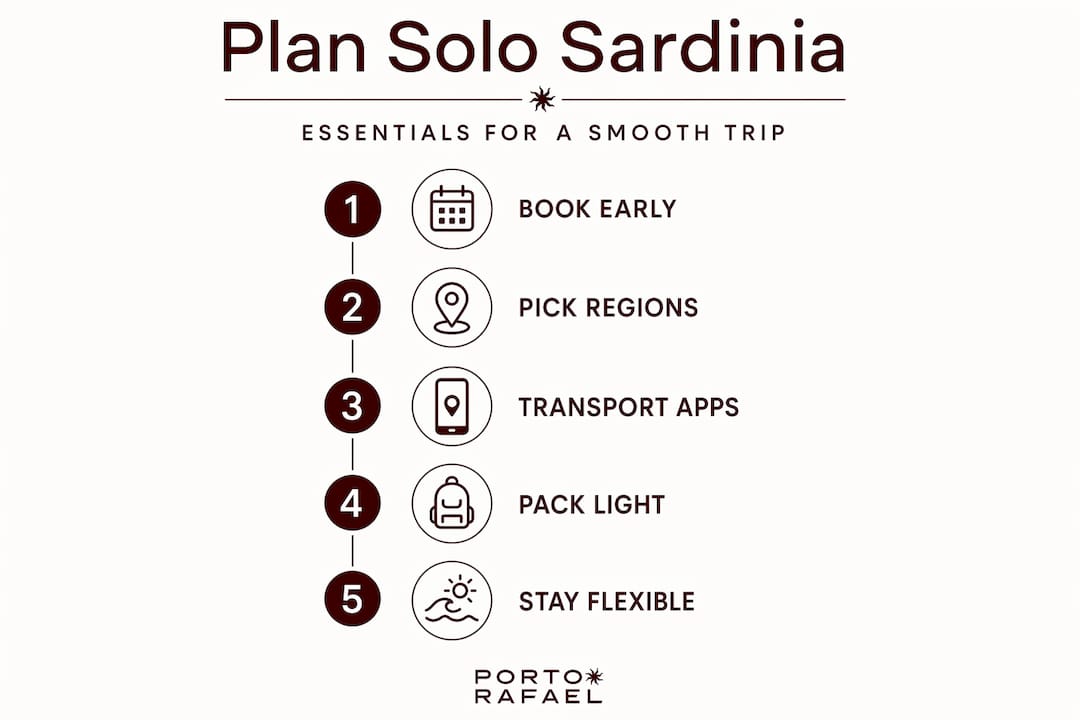
Pro Tip: Download the ARST official app and Google Maps offline for your region before you leave your accommodation each morning. Mobile signal is unreliable in the interior and along certain coastal stretches.
Structuring your Sardinia solo itinerary
Travel experts advise focusing on two to three regions over seven to ten days rather than racing across the island. This is genuinely good advice. Sardinia is not a destination for ticking off sights. It is a place that reveals itself slowly, to those who pause.
A sensible structure for a ten-day Sardinia solo itinerary might look like this:
- Days one to three: Gallura and the north. Porto Rafael, Santa Teresa Gallura, and the Maddalena archipelago. Crystal waters, granite coastlines, and the elegant village life that defines this corner of the island.
- Days four and five: Alghero and the north-west. A Catalan-influenced walled city with superb seafood, sea caves at Capo Caccia, and an easy, walkable centre that suits solo travellers perfectly.
- Days six and seven: Nuoro province and the interior. This is where Sardinia's inland villages and nuraghi reward those who look beyond the shoreline. Orgosolo's famous murals, the Barbagia villages, and the Nuraghe Santu Antine offer cultural depth that many visitors miss entirely.
- Days eight to ten: Cagliari and the south. A confident, characterful capital with a Punic citadel, a thriving food scene, and lagoons pink with flamingos at sunset.
For cultural immersion beyond the usual, seek out Sardinian village heritage in smaller settlements away from resort areas. Artisan workshops, local sagre (food festivals), and family-run agriturismi offer encounters with daily Sardinian life that no organised tour can replicate.
Safety and wellbeing for solo travellers
Sardinia is widely regarded as safe for solo travellers when standard precautions are observed. Petty theft is rare by Mediterranean standards, violent crime even rarer. That said, awareness matters.
"Plan excursions during early morning or late afternoon, carry extra water, and treat unguarded beaches with genuine respect. Many beautiful beaches lack lifeguards and currents may be stronger than they appear. The sea here is magnificent but it demands your attention."
Key points to carry with you:
Personal security. Keep valuables in a hotel safe, not in a hire car. Be alert in crowded markets and ferry terminals, the places where opportunistic theft is most likely.
Beach safety. Avoid swimming alone at remote, unpatrolled beaches. Even competent swimmers should treat Sardinia's currents with caution. Midday sun in July and August reaches levels that cause heat exhaustion quickly. Carry at least two litres of water on any coastal walk.
Driving safety. Mountain roads in the interior are genuinely narrow. Passing places are limited. Hire a smaller car than you think you need.
Emergency contacts. The European emergency number 112 works across the island. The Italian health service (SSN) covers EU citizens with a valid EHIC card. Non-EU travellers should carry comprehensive travel insurance.
Accommodation and dining for solo visitors
The right place to stay changes the entire character of a solo trip. Large resort hotels can feel impersonal when you are travelling alone. Boutique hotels offer a social atmosphere, personalised service, and a sense of local connection that chain accommodation simply cannot provide.
Top accommodation types for solo travellers in Sardinia:
- Boutique hotel. Small, character-filled properties where staff know your name and can recommend the day's best fishing village or morning market. Ideal for those who want comfort without isolation.
- Agriturismo. Farm stays offering home-cooked meals and a direct window into rural Sardinian life. Communal dining tables make conversation effortless.
- Guesthouse or B&B in a small town. Often family-run, invariably cheaper than coastal resorts, and positioned within walking distance of real village life.
- Self-catering apartment in a coastal village. Good for those who want flexibility and the freedom to cook with ingredients from local markets.
- Eco-lodge or rural retreat. Increasingly available in the interior, these suit solo walkers and those seeking quiet reflection in forested landscapes.
Dining alone in Sardinia is genuinely pleasurable, not the awkward experience it can be elsewhere in Europe. Sardinians are warm and curious hosts. Sit at the bar for a glass of Vermentino and conversation follows naturally. For something more structured, gourmet dining experiences and cooking classes offer solo travellers a way to connect with local food culture in a sociable, immersive setting. Local markets in Cagliari, Sassari, and Oristano are also worth a morning of your time, stocked with pecorino, bottarga, honey, and handmade pasta that tell you more about Sardinia than any museum.
My honest take on solo travel in Sardinia
I've spoken with and read accounts from many solo travellers who arrive in Sardinia expecting a beach holiday and leave having discovered something closer to a philosophy of living.
What I've noticed, again and again, is that the visitors who enjoy it most are the ones who resist the urge to plan every hour. Sardinia rewards stillness. It rewards the person who orders a second coffee at a granite-topped bar and ends up in conversation with a fisherman about the way light falls on the sea in October. That kind of encounter doesn't happen on a schedule.
The most common mistake I see first-timers make is over-packing their Sardinia solo itinerary. Ten places in ten days sounds productive. It is actually exhausting, and you see nothing deeply. Two regions, truly known, are worth a dozen sites glimpsed from a moving car.
What I've also learned is that preparedness and spontaneity are not opposites. Sort your transport in advance, know your emergency contacts, book your first and last night's accommodation. Then let the middle of your trip breathe. The island's most captivating moments arrive unannounced: a deserted cove found by accident, a village fiesta stumbled upon at dusk, a taste of wild myrtle liqueur pressed into your hand by a proud nonno. Sardinia doesn't withhold its gifts. It simply asks that you slow down enough to receive them.
— Studio
Discover Porto Rafael: the perfect solo base in Gallura
For solo travellers seeking an anchor point in northern Sardinia, Porto Rafael is something rare: a boutique village of genuine character, quiet beauty, and refined hospitality. Hotel La Piazza offers adults-only accommodation where personalised service and local warmth make travelling alone feel not lonely but liberating. Dine at Restaurant Solaz, where Gallura's finest seasonal produce is transformed into an experience that speaks directly to the soul of Sardinian cuisine. Spend a morning exploring the flavours of Sardinia locally or take to the coastline and hinterland on two wheels through Gallura. Every detail at Portorafael is crafted to make your independent Sardinia experience feel curated, connected, and completely your own.
FAQ
When is the best time to travel to Sardinia solo?
Late May to June and September are widely considered the best months for solo travel in Sardinia. You get warm, sunny weather with noticeably fewer crowds and more reasonable accommodation prices than peak summer.
Is Sardinia safe for solo travellers?
Yes, Sardinia is considered a safe destination for solo travellers with standard precautions. Secure your valuables, avoid isolated areas after dark, and treat unguarded beaches with care due to strong currents and no lifeguard presence.
Do I need to hire a car to travel Sardinia solo?
Hiring a car is strongly recommended for solo travel in Sardinia. Public transport covers major towns but is too slow and limited to reach many beaches, nuraghi, and inland villages that define the island's character.
How many days do I need for a solo Sardinia trip?
Seven to ten days allows you to explore two to three regions at a pace that permits genuine immersion. Spending fewer than five days means you will only scratch the surface of what this captivating island offers.
What are the best places for solo travellers in Sardinia?
Gallura in the north, Alghero in the north-west, the Barbagia villages in the interior, and Cagliari in the south each offer distinct experiences ideal for independent exploration. Porto Rafael in Gallura is particularly well-suited as a solo base for its intimate scale and refined hospitality.