

TL;DR:
- Local gastronomy embodies a region's culinary heritage and communicates its identity to the world. It significantly influences tourist satisfaction by fostering emotional bonds and encouraging repeat visits through authentic food experiences. Supporting local food traditions benefits regional economies and helps preserve cultural identity by maintaining culinary knowledge and community involvement.
Local gastronomy is defined as the living expression of a region's culinary heritage, shaped by its history, environment, and the generations who have called it home. Far beyond a meal, it is the most direct way a place communicates its identity to the world. Research confirms that culinary tourism now ranks alongside climate, accommodation quality, and scenery as a critical factor in destination choice. For cultural travellers, understanding the role of local gastronomy transforms a holiday into something genuinely memorable. From the aromatic kitchens of Kashmir to the sun-warmed terraces of Sardinia, food is the most honest guide a destination has.
How does local gastronomy shape tourist satisfaction?
Local gastronomy shapes tourist satisfaction through a clear psychological sequence: tasting, emotional bonding, and ultimately, the desire to return. Research from a Kashmir Wazwan culinary study recorded a beta coefficient of 0.470 at p < 0.001, confirming a statistically strong link between gastronomic experience and destination attachment. That figure means food is not a peripheral pleasure. It is a primary driver of how deeply a visitor connects with a place.
The mechanism works in stages. A traveller first evaluates the sensory experience of a dish. That evaluation generates emotional resonance, which then builds into a broader sense of cultural identity perception. The multi-stage psychological process concludes with attachment and, crucially, revisit intention. This is why destinations that invest in authentic culinary offerings see measurable returns in repeat visitors, not just first-time arrivals.
Kashmir's Wazwan is a compelling example. This ceremonial feast, prepared by master cooks called Wazas, involves up to 36 courses served on a shared platter. Visitors who participate in a genuine Wazwan ceremony do not simply eat. They absorb centuries of Kashmiri social ritual. That depth of experience is what converts a satisfied tourist into a loyal advocate.
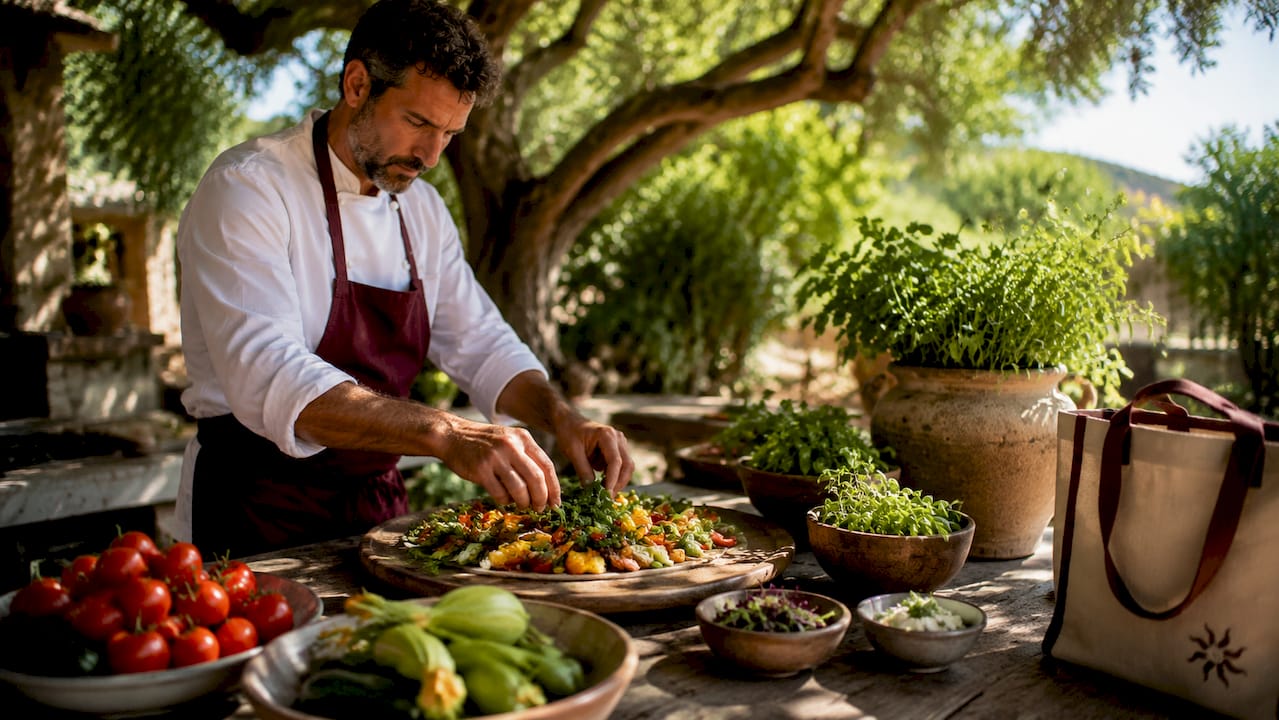
Pro Tip: Seek out food experiences that involve preparation, not just consumption. Joining a cooking class, visiting a producer, or sharing a communal meal creates the emotional depth that transforms a trip into a lasting memory.
What is the economic and community impact of local gastronomy?
Supporting local gastronomy is one of the most direct ways a region can generate sustainable economic growth. Regions with integrated culinary management linking heritage preservation with community engagement show measurable growth in gastronomy employment, export value, and visitor numbers. That growth is not accidental. It is the result of deliberate cross-sector cooperation between government, restaurateurs, producers, and cultural institutions.
Italy, South Korea, and Poland each offer instructive models. Italy's Protected Designation of Origin (PDO) system, which covers products from Parmigiano Reggiano to Sardinian Pecorino, creates legal and commercial frameworks that protect regional producers while commanding premium prices in global markets. South Korea has invested heavily in promoting hansik (Korean cuisine) as a national cultural export, linking food identity to tourism strategy at a governmental level. Poland has used its regional food festivals and culinary routes to revitalise rural economies that might otherwise have struggled to attract visitors.
The direct and indirect economic benefits to local communities are considerable:
- Employment growth in food production, hospitality, and agri-tourism
- Export value for protected regional products and artisan goods
- Rural regeneration through farm-to-table supply chains and culinary tourism routes
- Cultural preservation funding generated by visitor spending at local food events
- Small business resilience as independent restaurants and producers gain visibility through culinary tourism
Discovering the value of local Sardinian restaurants illustrates how this plays out in practice. When visitors choose a family-run trattoria over a generic chain, every euro spent circulates within the local economy rather than leaving it.
How does local gastronomy preserve cultural identity?
Local gastronomy acts as a living cultural archive, transmitting ecological wisdom and generational history through the act of cooking and eating. A recipe is never just a recipe. It encodes the agricultural conditions of a landscape, the trade routes that brought spices, and the social rituals that determined who cooked and who was fed. This archival capacity is what makes culinary heritage irreplaceable.
The threat to that archive is real. Industrialisation and over-commercialisation flatten regional distinctiveness into a global average. When a coastal village replaces its traditional fish stew with a standardised menu designed to appeal to the widest possible tourist demographic, something genuinely irreplaceable is lost. Active support for local producer networks is the most effective defence against this flavour homogenisation. When regional ingredients remain commercially viable, chefs and home cooks continue to use them.
Traditional cooking knowledge is also fragile in a specific way. It is often held by older generations and transmitted through practice rather than written instruction. The loss of key culinary practitioners risks the rapid disappearance of techniques that took centuries to develop. Sardinian pane carasau, the paper-thin flatbread baked in wood-fired ovens, requires a skill passed from grandmother to grandchild. No recipe book fully captures that knowledge.
The Slow Food movement addresses this directly, linking heritage preservation with environmental responsibility and economic resilience. Evidence from Northern Cyprus shows that communities embracing Slow Food principles maintain greater culinary diversity and stronger local supply chains than those that do not. The movement's Ark of Taste catalogue, which lists endangered food products from around the world, is one of the most concrete efforts to treat gastronomy as the intangible cultural capital it truly is.
Pro Tip: When travelling, ask your host or waiter where the ingredients come from. That single question signals your interest in authenticity and often opens a conversation that leads to the most memorable meals of your trip.
How can travellers and destinations engage with local food culture?
Cultural travellers and destination managers face different challenges, but both benefit from treating local food as a living heritage rather than a marketing prop. The role of local cuisine in travel is most powerful when it is experienced through genuine participation rather than passive consumption.
For travellers, the most rewarding approach involves moving beyond restaurant menus. Visiting weekly markets, attending food festivals, joining producer tours, and eating where locals eat all create the kind of emotional bonding through food that research links directly to revisit intention. Sardinia's Gallura region, for instance, offers visitors access to local cheesemakers, bottarga producers, and myrtle liqueur distilleries. Each of these is a window into a way of life that no museum exhibit can replicate.
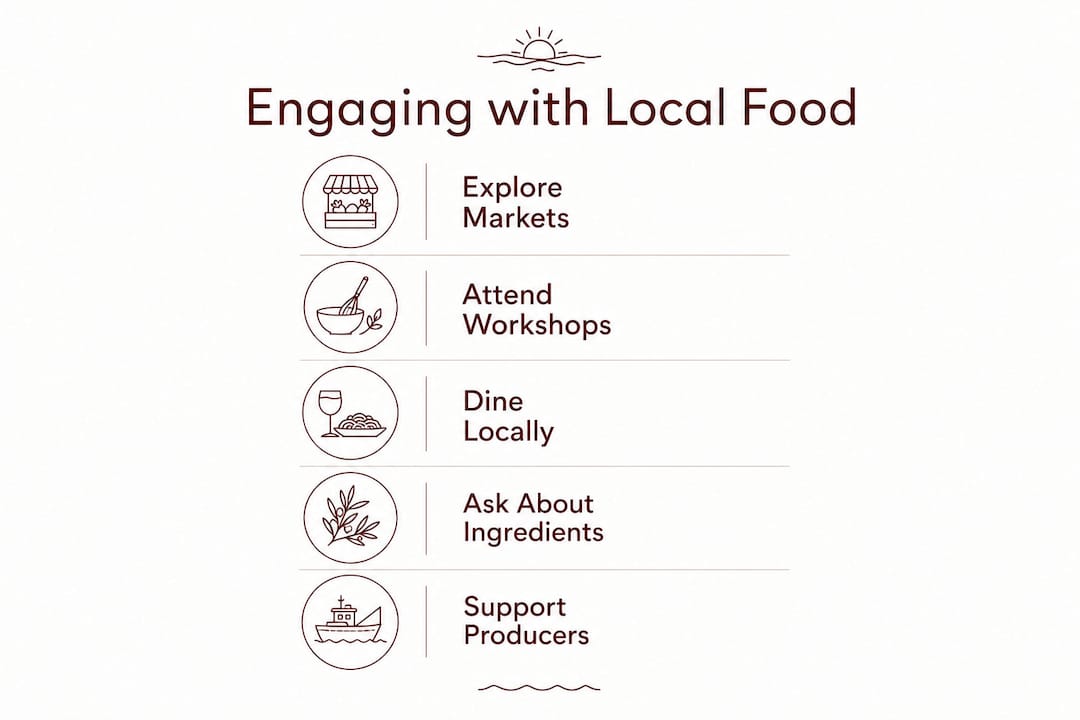
For destination managers, integrated culinary management strategies from Italy and South Korea demonstrate that cross-sector cooperation and thoughtful use of social media can protect heritage while meeting modern tourist expectations. The key is authenticity. Visitors are increasingly sophisticated. They recognise when a "traditional" experience has been sanitised for mass appeal, and they respond poorly to it.
The table below summarises practical approaches for both audiences:
| For Cultural Travellers | For Destination Stakeholders |
|---|---|
| Visit local markets and producers | Build cross-sector partnerships with farmers, chefs, and cultural bodies |
| Choose family-run restaurants over chains | Develop protected designation frameworks for regional products |
| Ask about ingredient provenance | Use social media to tell authentic producer stories |
| Attend food festivals and cooking workshops | Train hospitality staff in local culinary heritage |
| Seek out endangered or rare regional dishes | Support Slow Food networks and culinary heritage catalogues |
| Explore local flavours of your destination | Invest in rural food tourism infrastructure |
The gastronomic tourism value of these approaches extends well beyond the individual meal. When travellers and destinations align around authentic culinary experiences, the result is a tourism model that is more resilient, more distinctive, and more deeply satisfying for everyone involved.
Why local gastronomy is the most honest story a place can tell
Having spent years exploring how food shapes the way people experience places, I have come to one firm conclusion: local gastronomy is not a supplement to travel. It is the substance of it.
The conventional wisdom in tourism marketing tends to treat food as an amenity, something to mention alongside spa facilities and sea views. That framing misses the point entirely. A plate of culurgiones, the hand-pinched pasta of Ogliastra in Sardinia, tells you more about the island's agricultural history, its women's craft traditions, and its relationship with the land than any guided tour could. Food carries meaning that landscape alone cannot.
What I find most compelling is the fragility of this archive. Unlike a cathedral or a painting, culinary knowledge disappears quietly. When the last person who knows how to prepare a dish in the traditional way stops cooking, that knowledge is gone. No digital record fully substitutes for the embodied skill. This is why community involvement is not optional. It is the only mechanism that keeps culinary heritage alive and evolving rather than frozen in a museum display.
The most transformative travel experiences I have encountered share one quality: the traveller was genuinely welcomed into a food culture rather than served a performance of it. That distinction matters enormously. Mediterranean hospitality at its finest is not theatre. It is an act of genuine sharing, and local gastronomy is its most eloquent language.
— Studio
Taste the authentic flavours of sardinia at Portorafael
Portorafael, the captivating boutique village on the Gallura coast of Sardinia, places authentic local gastronomy at the heart of every visit. The culinary philosophy here is rooted in the island's timeless traditions, from the wild herbs of the macchia to the pristine waters of the Tyrrhenian Sea.
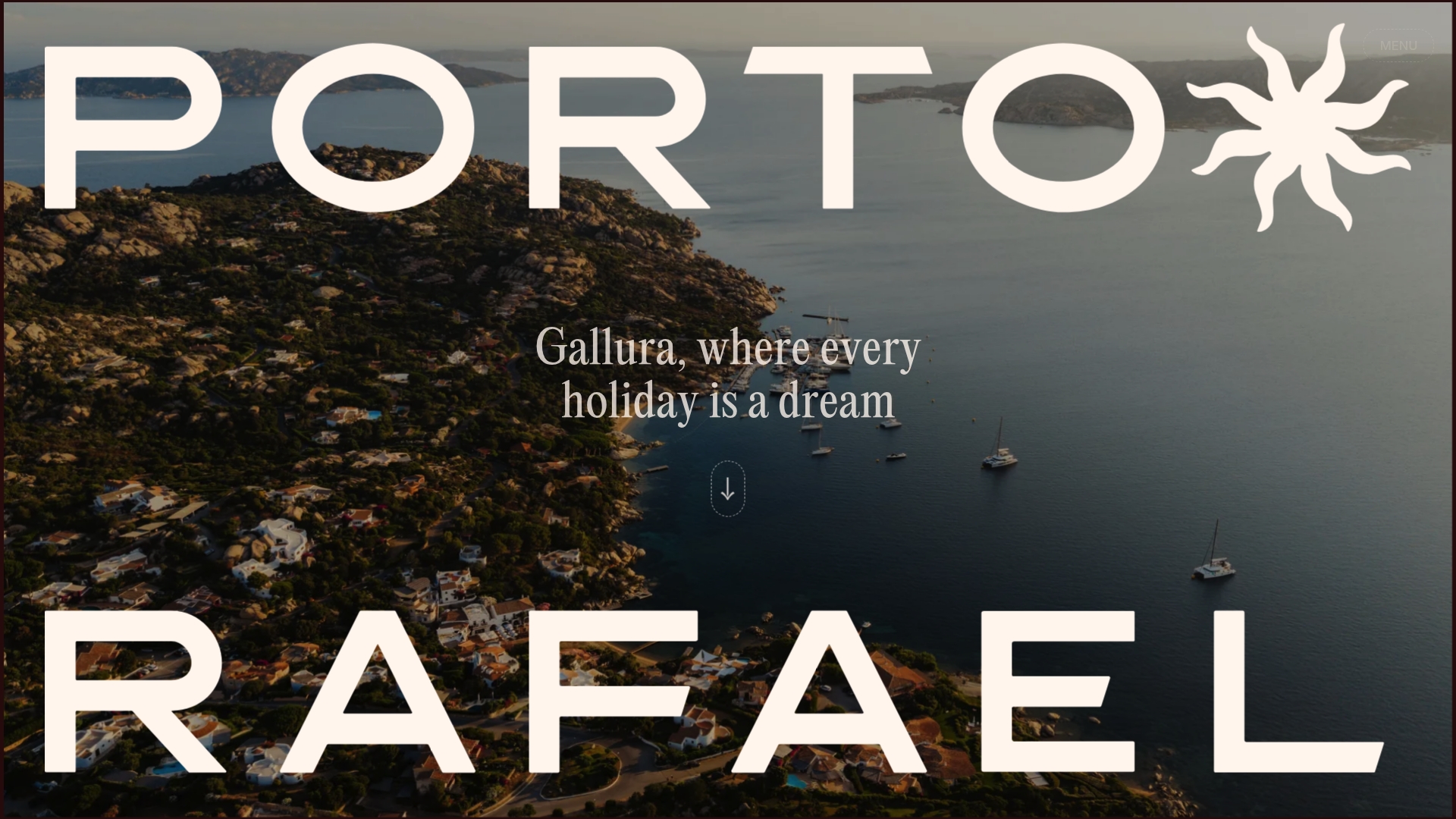
At Solaz Restaurant, gourmet dishes are crafted from locally sourced Sardinian ingredients, honouring the island's culinary heritage with every plate. The menu changes with the seasons, reflecting the living nature of regional food culture. Whether you are discovering the gastronomic offerings of Porto Rafael for the first time or returning for the flavours that stayed with you long after you left, Portorafael offers an experience where food, place, and memory become inseparable.
FAQ
What is local gastronomy?
Local gastronomy is the culinary heritage of a specific region, expressed through its traditional ingredients, recipes, and food rituals. It acts as a living cultural archive, transmitting the history, ecology, and social identity of a community through food.
Why does local cuisine matter for travellers?
Local cuisine is a primary driver of tourist satisfaction and destination attachment. Research records a strong statistical link (beta 0.470, p < 0.001) between authentic gastronomic experiences and a visitor's intention to return.
How does local gastronomy support regional economies?
Regions with integrated culinary management see growth in employment, exports, and visitor numbers. Supporting local producers, restaurants, and food festivals keeps spending within the community and sustains rural supply chains.
What threatens the preservation of local food cultures?
Industrialisation and over-commercialisation are the primary threats. When regional ingredients lose commercial viability and older practitioners stop cooking, traditional culinary knowledge can disappear within a single generation.
How can i experience authentic local gastronomy when travelling?
Visit local markets, choose family-run restaurants, and ask about ingredient provenance. Joining a cooking workshop or producer tour creates the kind of genuine engagement that builds lasting emotional connection with a destination.