

TL;DR:
- Relaxation in travel involves intentionally reducing stress and cognitive load for genuine body and mind recovery. Quality rest activates the parasympathetic nervous system, offering health benefits that can last up to 45 days after return. Natural sounds, scents, and solitude enhance stress relief, and well-planned unstructured downtime maximizes the restorative effects of a trip.
Relaxation in travel is defined as the deliberate reduction of cognitive load and physical stress during a trip, allowing the body and mind to genuinely recover. Far from being a passive by-product of a good holiday, it is the primary mechanism through which travel delivers lasting health benefits. Research shows that 69% of British holidaygoers name relaxation as their main goal, and that positive well-being effects from a single trip can persist for up to 45 days. Understanding the role of relaxation in travel means recognising that the quality of your rest, not the number of sights you tick off, determines how well you return home.
How does relaxation physiologically affect travellers?
Relaxation activates the parasympathetic nervous system, the body's rest-and-digest response, which lowers cortisol, reduces blood pressure, and slows the heart rate. This is the opposite of the fight-or-flight state that most people carry into their holidays from daily working life. Without deliberate downtime, the nervous system never fully shifts into recovery mode, and the trip delivers far less than it could.
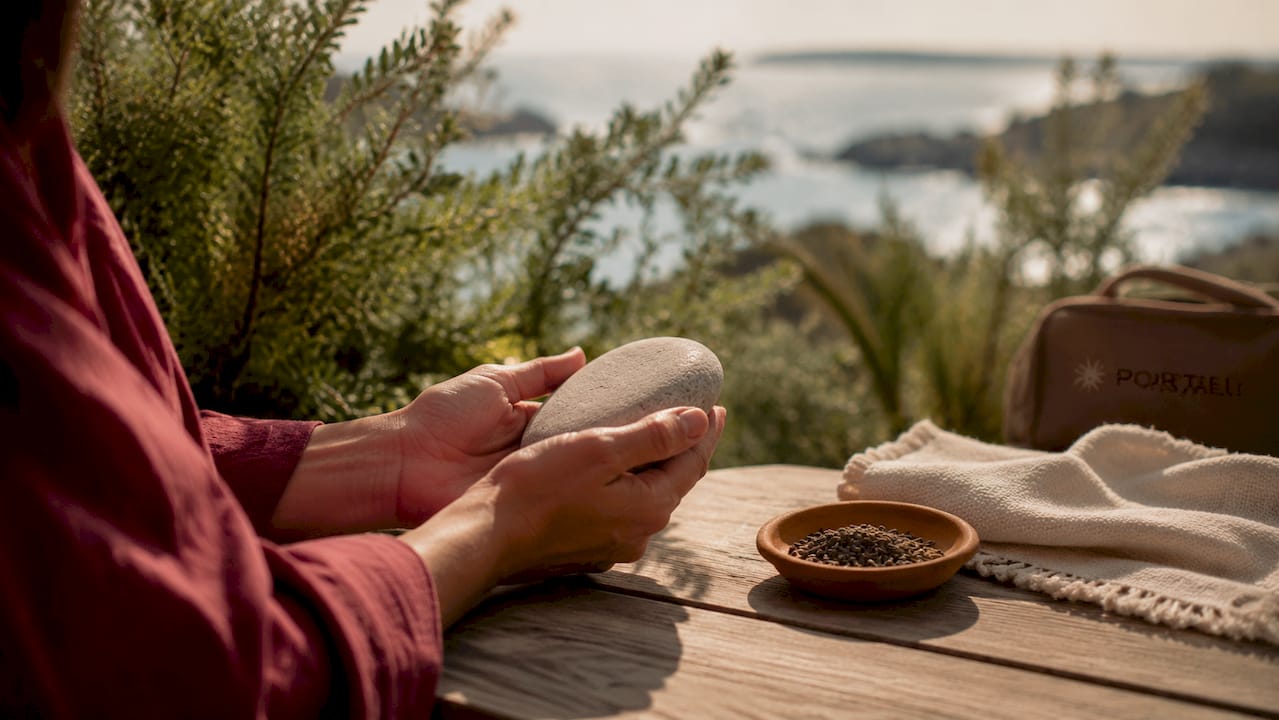
Research from Texas A&M compares vacation to athlete training, alternating novel stimulation with genuine winding down to strengthen the heart. That analogy is worth sitting with. An athlete who trains without rest does not improve. A traveller who fills every hour with activity does not recover.
The long-term numbers are striking:
- Cardiovascular protection: Trips that include genuine rest periods are linked to stronger heart health over time.
- Metabolic benefits: Each additional vacation reduces the risk of metabolic syndrome by nearly 25%. Metabolic syndrome covers conditions such as high blood pressure, elevated blood sugar, and excess body fat around the waist.
- Lasting mood improvement: The well-being boost from a restorative trip lasts up to 45 days after returning home.
- Relationship and cognitive gains: Vacations strengthen relationships and improve educational outcomes, not just mood and memory.
These benefits do not arrive automatically. They depend on the quality of rest built into the trip. A fortnight of back-to-back excursions, late nights, and constant decision-making can leave travellers more depleted than when they departed.
What sensory experiences best facilitate deep relaxation?
The body relaxes most readily when the senses receive signals that the environment is safe, beautiful, and non-threatening. Natural soundscapes are particularly powerful in this regard. The brain processes the sound of waves, wind through trees, and birdsong as non-threatening stimuli, which quiets the amygdala and allows the nervous system to settle. 85% of British travellers report that seaside sounds help them disconnect from stress. That figure reflects something deeply instinctive, not merely aesthetic preference.
Scent is equally potent. Sea air and saltwater rank as the top olfactory triggers for happiness and calm, followed by barbecues and meadow flowers. Smell bypasses the rational brain and connects directly to memory and emotion, which is why a single breath of salt air can transport you to a state of ease within seconds.
"Travellers with intentional downtime report sharper senses and more memorable experiences." The science of rest days confirms that doing less, done deliberately, produces richer recall.
The most restorative sensory experiences tend to follow a clear pattern:
- Sound: Natural water sounds, birdsong, and wind over open land calm the nervous system without requiring conscious attention.
- Touch: Walking barefoot on sand or grass activates grounding sensations that reduce mental noise and physical tension.
- Scent: Coastal air, pine forests, and local food aromas trigger nostalgic and pleasurable emotional states.
- Sight: Wide, open vistas, particularly over water or hills, reduce the visual crowding that urban environments impose on the brain.
41% of British travellers actively seek moments of solitude during trips. Solitude amplifies sensory experience because it removes the social performance layer that group travel often demands. Silence, in the right setting, is itself a form of seaside relaxation.
How can travellers design trips to prioritise rest?
The most common mistake travellers make is treating a holiday like a compressed work week. They schedule every hour, optimise every route, and measure success by the number of places visited. This approach replicates the cognitive load of the office in a sunnier location. It does not restore.
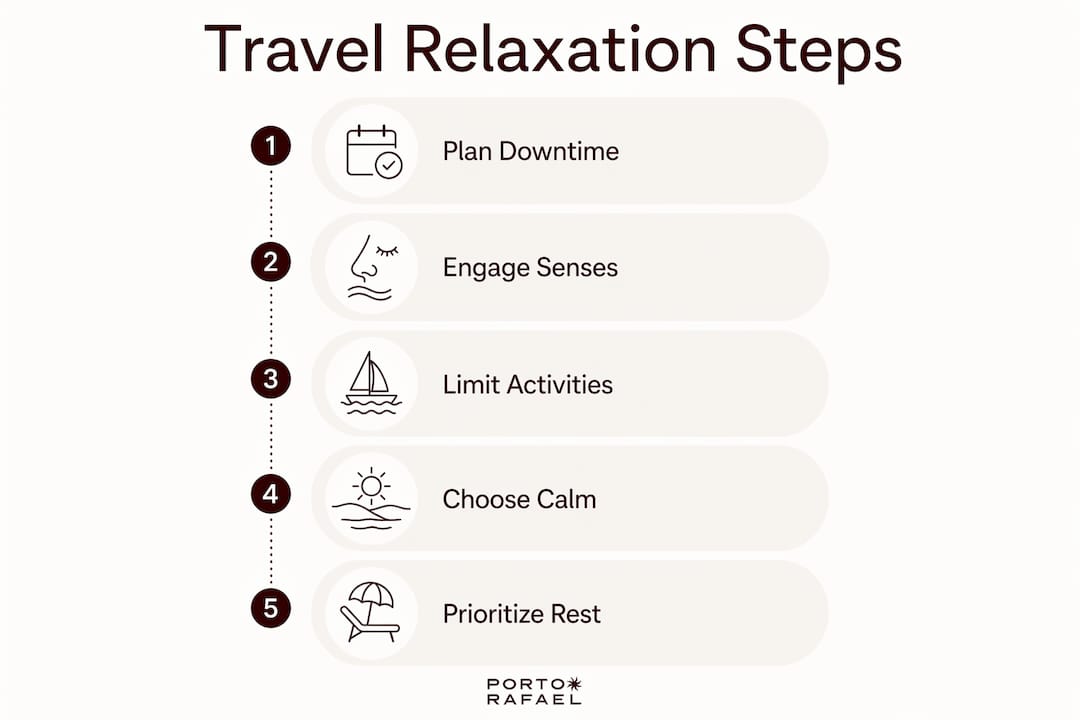
True relaxation requires designing travel for downtime, not filling days with activity. The parasympathetic nervous system needs unscheduled time to activate fully. Rest days are not wasted days. They are the mechanism through which the trip's benefits are consolidated.
Pro Tip: Build at least one completely unplanned day into every trip of four nights or more. No bookings, no itinerary, no targets. Let the day unfold according to how you feel. Research on memory consolidation shows these days produce some of the most vivid and lasting travel memories.
Practical approaches that genuinely work:
- Whycations over sightseeing tours: A whycation is a purpose-driven trip focused on mental reset rather than destination collection. 35% of British travellers now add solo days within group trips specifically for personal recovery.
- Limit daily decisions: Decision fatigue is real. Pre-selecting one restaurant, one activity, and one route per day reduces cognitive drain without removing spontaneity.
- Protect morning time: The first two hours of the day set the nervous system's tone. Guarding them from screens, noise, and social obligation is one of the highest-return habits in relaxation tourism.
- Balance novelty with calm: Trips are most restorative when travellers alternate exciting new experiences with intentional quiet periods. One stimulating afternoon followed by a slow evening is a rhythm the body can sustain.
The shift in mindset required here is significant. Rest must be treated as a non-negotiable part of the itinerary, not as something that happens if time allows.
What role do destinations and accommodation play in relaxation?
Recovery depends more on reducing cognitive demand than on the prestige or distance of a destination. This is one of the most counter-intuitive findings in travel psychology. A quiet cabin in a familiar landscape can restore more effectively than a high-activity international trip to a celebrated resort. The science is clear: it is the reduction in decision load, not the glamour of the setting, that drives recovery.
That said, environment matters enormously for the quality of sensory experience. Coastal and natural settings provide the soundscapes, scents, and visual openness that accelerate nervous system recovery. The best accommodation choices actively support this.
| Environment type | Cognitive demand | Sensory richness | Restoration potential |
|---|---|---|---|
| Urban city hotel | High | Moderate | Lower |
| High-activity resort | High | High | Moderate |
| Quiet coastal retreat | Low | High | Highest |
| Rural countryside stay | Low | Moderate to high | High |
Forward-thinking hospitality venues now limit digital notifications for guests and simplify the number of daily choices on offer. These are not minor courtesies. They are evidence-based practices that directly reduce the cognitive load preventing full recovery. When choosing accommodation, look for properties that actively manage sensory environment rather than simply offering a long list of amenities. Fewer, better options consistently outperform abundance for genuine rest. For travellers seeking guidance on what to look for, a solid hotel booking checklist can help narrow choices to properties that genuinely support rest.
Why I think most travellers misunderstand what rest actually means
The travel industry has spent decades selling the idea that more is better. More destinations, more experiences, more Instagram moments. The result is a generation of travellers who return from holidays feeling vaguely disappointed, unable to articulate why a trip that looked perfect on paper left them feeling flat.
The answer, almost always, is that they never actually rested. They performed a holiday rather than lived one.
What I have observed, both through research and through years of watching how people engage with places like Porto Rafael, is that the travellers who leave most restored are those who allow themselves to be genuinely idle for stretches of time. Not scrolling. Not planning the next day. Simply sitting with the sound of the sea, the smell of the air, the warmth of the light. These moments feel unproductive. They are, in fact, the most productive thing a trip can offer.
The wellness trends in luxury travel increasingly reflect this understanding. The shift away from packed spa programmes towards unstructured time in beautiful environments is not a retreat from ambition. It is a more sophisticated understanding of what restoration requires.
My honest advice is this: personalise your rest strategy. Some travellers recharge through solitude and silence. Others need gentle social warmth, a shared meal, a slow evening conversation. Neither is wrong. What is wrong is treating rest as optional, or as something to feel guilty about. The science of how relaxation enhances travel is unambiguous. The only question is whether you are willing to design your trips around it.
— Studio
Porto Rafael: where rest is written into the landscape
Portorafael, set along the crystalline shores of Gallura in northern Sardinia, offers the kind of environment that makes genuine rest feel effortless rather than effortful.
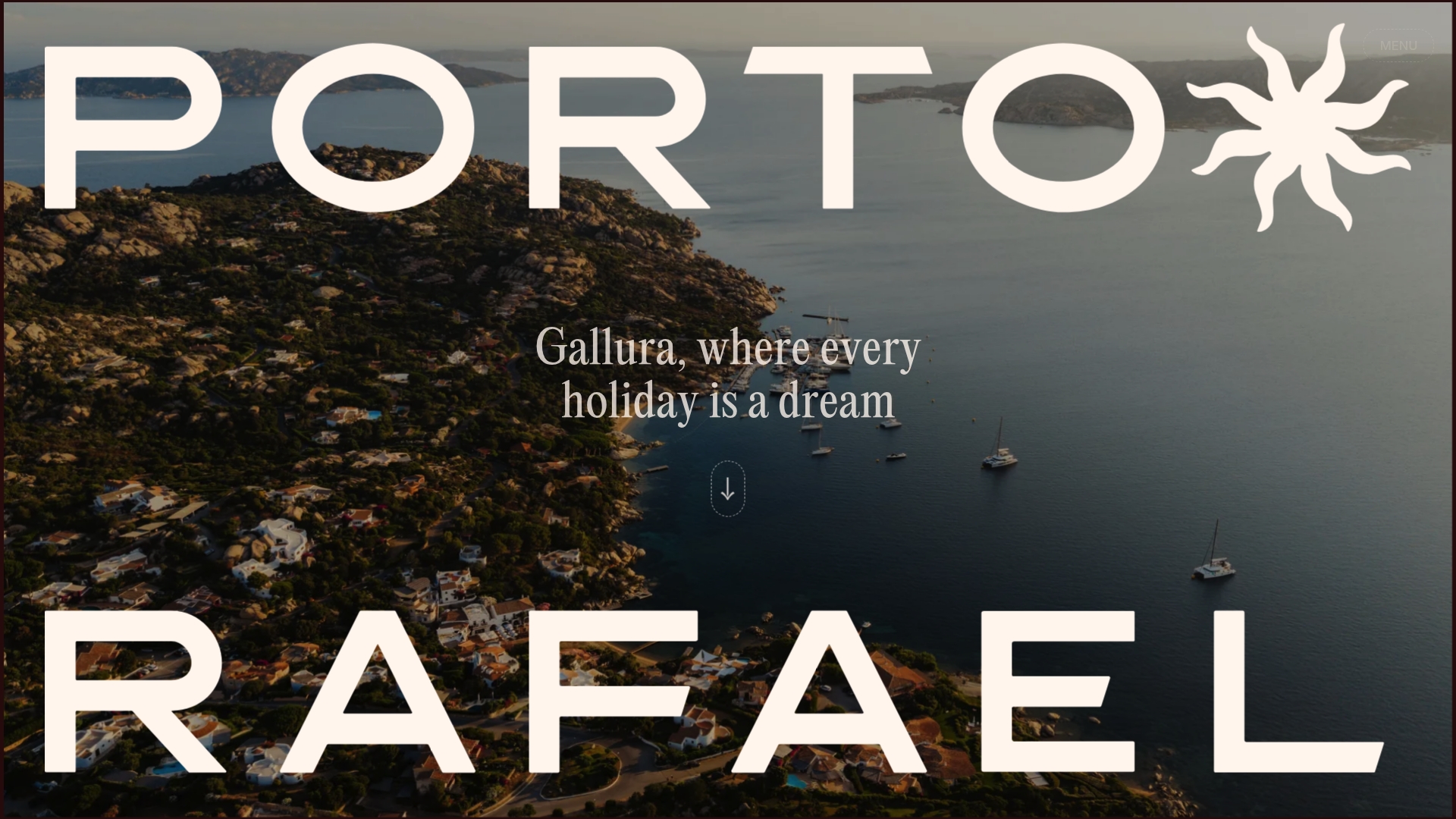
The Hotel La Piazza is an adults-only boutique property designed around calm rather than constant activity. Its setting delivers the natural soundscapes, open coastal vistas, and unhurried pace that research identifies as the conditions for true restoration. Guests at the Solaz Restaurant encounter gourmet local cuisine that engages the senses without demanding anything in return. The gastronomy of Porto Rafael extends across the village, from refined dining to leisurely gelato by the water. For travellers who want to understand what a restorative coastal escape can look like in practice, Portorafael is a rare and captivating answer.
FAQ
What is the role of relaxation in travel?
Relaxation in travel is the deliberate reduction of stress and cognitive load during a trip, enabling the parasympathetic nervous system to activate and the body to genuinely recover. Without it, travel delivers far fewer of its proven health and well-being benefits.
How long do the benefits of a relaxing holiday last?
Research shows that positive well-being effects from a restorative trip can last up to 45 days after returning home. The duration depends largely on how much genuine downtime was built into the trip.
What sensory experiences most support relaxation during travel?
Natural sounds such as waves and birdsong, coastal scents including sea air and salt water, and tactile experiences like walking barefoot on sand are among the most effective triggers for deep relaxation during travel.
Do I need to travel far to experience genuine rest?
Recovery depends more on reducing cognitive demand than on destination prestige or distance. A quiet coastal retreat close to home can restore more effectively than a high-activity international trip.
What is a whycation and how does it support rest?
A whycation is a purpose-driven trip focused on mental reset rather than sightseeing. It prioritises solitude, intentional downtime, and personal recovery, and is one of the fastest-growing approaches to restorative travel among British travellers.