
TL;DR:
- Chic travel destinations emphasize privacy, natural beauty, and restorative luxury over ostentation. They feature low guest density, private villas, and architecture that blends with nature to preserve authenticity. Travelers should prepare through advance booking, local research, and packing versatile, high-quality essentials.
A chic travel destination is defined by three qualities working in concert: privacy, immersive natural beauty, and luxury that restores rather than merely impresses. The term "chic destination" has become the travel industry's shorthand for a place where design, culture, and exclusivity align without effort or ostentation. Defining chic travel destinations correctly means separating them from simply expensive ones. St Barths, the Seychelles, Riviera Nayarit, and Porto Rafael in Sardinia each demonstrate this distinction. They share a refusal to compete on scale, choosing depth of experience over breadth of amenity.
What characteristics distinguish chic travel destinations?
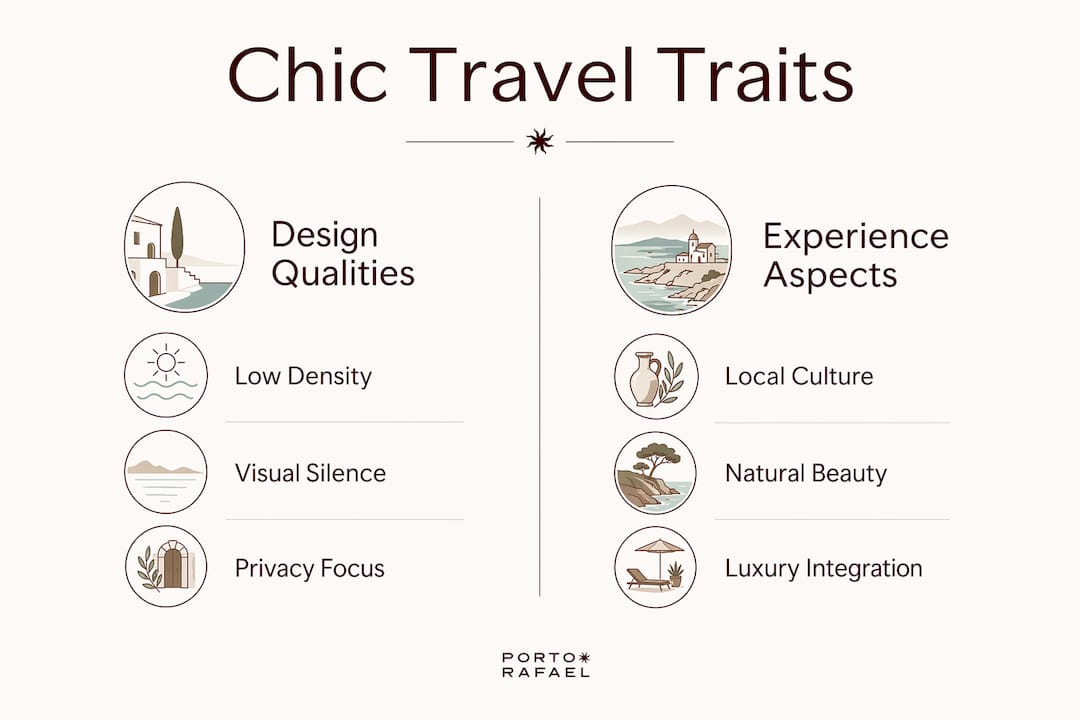
The clearest marker of a genuinely chic destination is low density. Staff-to-guest ratios reaching as high as 8-to-1 define the most coveted luxury travel spots. That figure is not a boast. It is the structural condition that makes personalised service possible at all.
Private villas replace large hotels as the accommodation of choice. The difference is not cosmetic. A villa with a dedicated house manager allows travellers to calibrate their social intensity, choosing complete seclusion one morning and a lively terrace lunch the next. Boutique villas shape the modern chic travel experience precisely because they offer this flexibility without the transactional feel of a hotel corridor.
A second defining quality is what design experts call visual silence. This describes the calculated absence of overcrowding and the understated spatial design that governs a traveller's sensory experience. In the Seychelles, villas sit within dense foliage so that nature dominates every sightline. The architecture recedes. The landscape speaks.
The third characteristic is the deliberate avoidance of mass tourism. St Barths has maintained this stance for over 30 years. At eight square miles, the island has no cruise ship terminal, no all-inclusive resort, and no appetite for either. The result is a lived-in authenticity that no amount of five-star branding can manufacture elsewhere.
Key features that separate chic destinations from other high-end getaway destinations:
- Low guest density with strict limits on new development
- Private villa accommodation with dedicated staff rather than shared hotel facilities
- Architecture that defers to nature, using local materials such as wood and stone
- Absence of mass-market infrastructure including large resort chains and cruise terminals
- Culinary identity rooted in local produce and regional tradition
Pro Tip: When researching a destination, search for its planning restrictions. Places that cap building heights or ban new large-scale hotels are almost always the ones that retain their chic character longest.
How do chic destinations balance luxury with local culture?
True chic travel is not about importing a global luxury standard into a beautiful location. It is about allowing the location to define what luxury means. This distinction separates the genuinely captivating from the merely expensive.
The most admired destinations achieve this balance through four consistent practices:
-
Architecture that uses local materials. Resorts like Four Seasons Punta Mita in Riviera Nayarit are designed to play second fiddle to nature's beauty, favouring wood, stone, and open structures that dissolve into the landscape. The building does not announce itself. The coastline does.
-
Culinary traditions preserved and celebrated. St Barths carries a strong French culinary presence that has evolved alongside local Caribbean ingredients rather than replacing them. Porto Rafael in Gallura, Sardinia, offers a similar integrity, where the Solaz Restaurant draws on the island's ancient pastoral and maritime heritage to shape every dish.
-
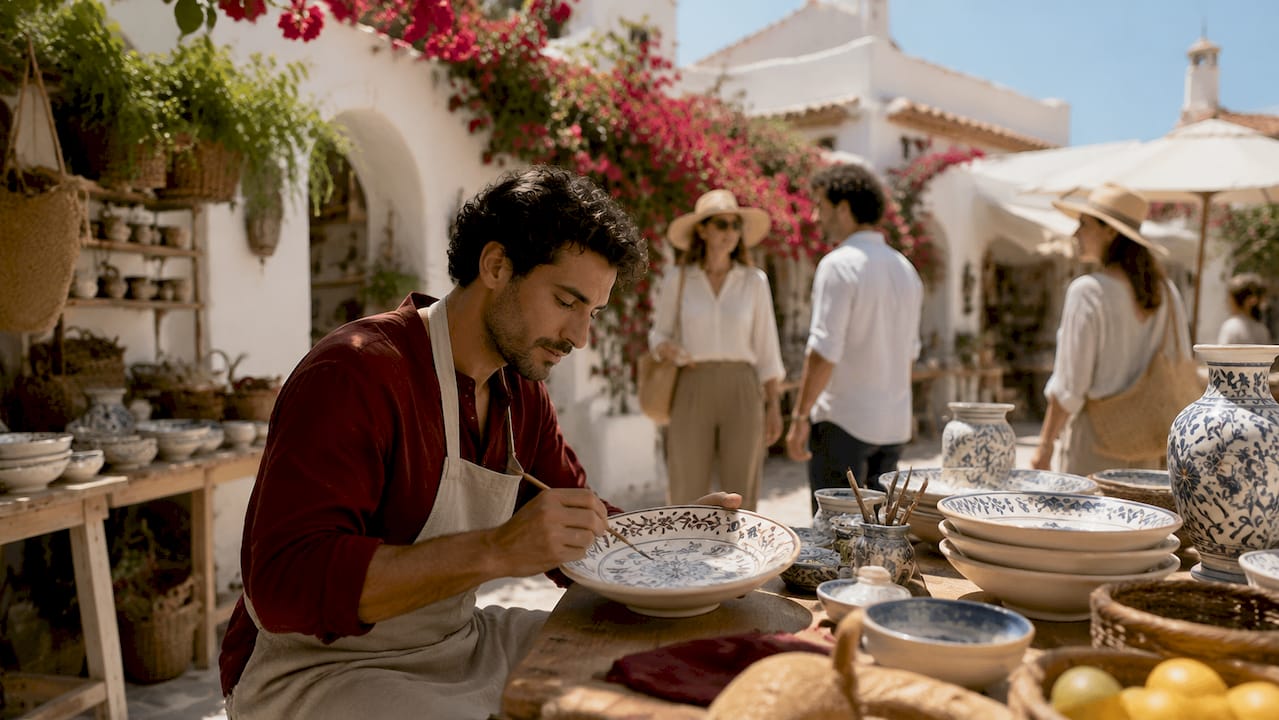
Support for local craft and artisanship. Chic destinations invest in local makers. The Atelier Labenoi at Porto Rafael, created by designer Susanna Colleoni, exemplifies this: a boutique space where Sardinian craft meets contemporary design sensibility, giving travellers access to objects that carry genuine cultural meaning.
-
Sustainability as a structural commitment, not a marketing claim. The most respected luxury travel spots in 2026 treat environmental stewardship as a condition of their identity. Capping visitor numbers, protecting marine areas, and sourcing locally are not optional extras. They are what keeps the destination worth visiting.
Local cuisine in tourism is one of the most powerful ways a destination communicates its character. When a restaurant serves what the sea and land produce that week, rather than a standardised international menu, it signals that the place has not surrendered its soul to the market.
Which destinations exemplify chic luxury in 2026?
The following comparison covers the destinations most frequently cited by travel designers and discerning travellers as the current benchmarks for stylish vacation ideas.
| Destination | Defining quality | Accommodation style | Cultural signature |
|---|---|---|---|
| St Barths, Caribbean | Privacy and French-influenced calm | Private villas, small boutique hotels | French Creole cuisine, understated fashion culture |
| Seychelles, Indian Ocean | Visual silence and villa-in-foliage design | Standalone villas within nature reserves | Creole heritage, marine conservation |
| Riviera Nayarit, Mexico | New-world chic, nature-first architecture | Boutique resorts and private residences | Pacific Mexican gastronomy, artisan craft |
| Porto Rafael, Sardinia | Timeless Mediterranean village character | Boutique hotel, private terraces | Gallura pastoral tradition, crystal-clear waters |
| Santorini, Greece | Iconic visual drama | Cave hotels, cliffside suites | Aegean cuisine, Cycladic architecture |
| Amalfi Coast, Italy | Vertical coastal grandeur | Historic villas, cliff-perched hotels | Southern Italian culinary heritage |
St Barths remains the reference point for privacy-led luxury. Its geography enables natural toggling between complete seclusion and a lively social scene, a quality that insiders prize above almost any amenity. The island's French influence gives its food, design, and pace a coherence that feels effortless rather than curated.
The Seychelles represents the purest expression of visual silence as luxury. Accommodation is designed to disappear into the landscape. Guests wake to birdsong and ocean light, with no visual noise from neighbouring structures. That sensory clarity is the product of deliberate planning, not accident.
Riviera Nayarit has emerged as Mexico's most compelling chic option. Its resorts defer to the Pacific coastline rather than dominating it. The region attracts travellers who want warmth, culture, and natural drama without the density of Los Cabos or Cancún.
Porto Rafael occupies a singular position in the Mediterranean. The village retains the character of a Gallura fishing settlement while offering the refinement of boutique hospitality that discerning travellers seek. Its crystal-clear waters, granite coastline, and unhurried pace make it a rare gem among trendy travel locations.
Pro Tip: For Mediterranean destinations, the shoulder seasons of late may and early october offer the best combination of warm weather, reduced crowds, and genuine local atmosphere. The experience is measurably different from the peak weeks of july and august.
How should travellers prepare for a chic destination?
Preparation is what separates a good trip from an exceptional one. Chic destinations reward those who arrive with knowledge, not just luggage.
-
Book well outside peak periods. High-demand weeks fill months in advance in European chic destinations. Insiders book quieter base villages and day-trip to busier scenes, using boat transfers where available. Paros to Mykonos by ferry is a classic example of this approach.
-
Use shoulder seasons deliberately. Midweek flights to chic locations can be 39% cheaper than peak days. That saving is better spent on a private villa upgrade or a long dinner at a destination restaurant.
-
Pack for versatility, not volume. Mediterranean chic destinations require flat sandals rather than heels, since cobblestones and cliff paths make height impractical. Choose high-quality base pieces in neutral tones, then use modular accessories to shift from beach to evening. Santorini, the Amalfi Coast, and Mykonos each have a distinct visual culture, so research the local aesthetic before packing.
-
Request villa staff services in advance. A private chef, house manager, or dedicated concierge transforms the experience. These services fill quickly at the best properties, particularly in july and august.
-
Protect your privacy actively. Choose accommodation away from the main tourist thoroughfare. In Porto Rafael, for instance, the village layout naturally separates the tranquil residential areas from the more social piazza, giving guests genuine control over their day.
-
Engage with local scenes without surrendering exclusivity. The best chic destinations have a local market, a family-run trattoria, or a craft workshop that no guidebook has yet overexposed. Ask your villa manager, not a travel app.
Relaxation tourism as a formal category has grown precisely because travellers have recognised that the most restorative trips require intentional preparation. Arriving without a plan at a chic destination is not freedom. It is a missed opportunity.
Why the definition of chic travel has shifted in 2026
The travel industry's understanding of chic has changed more in the past three years than in the previous decade. I have watched this shift closely, and the clearest way to describe it is this: chic used to mean impressive. Now it means restorative.
Travel designers in 2026 place the highest value on destinations that allow travellers to reset fully, to unplug from the pace of professional life and reconnect with something quieter and more durable. The Seychelles, Porto Rafael, and Riviera Nayarit each offer this quality. The Maldives, for all its beauty, has in many properties become a performance of luxury rather than an experience of it.
The concept of visual silence deserves more attention than it typically receives. When a destination is designed so that nature dominates every sightline, the effect on the traveller is profound. Anxiety recedes. Time slows. The role of nature in luxury escapes is not decorative. It is the point.
My practical observation from years of visiting these places: the destinations that age best are those that resisted the temptation to expand. Porto Rafael has not grown beyond its village character. St Barths has not added a marina hotel. That restraint is not nostalgia. It is the discipline that keeps a place worth returning to.
Seek meaningful luxury. The most memorable trips are not the ones with the most amenities. They are the ones where the place itself changed how you felt.
— Studio
Porto Rafael: where chic travel finds its Sardinian expression
Porto Rafael in Gallura, Sardinia, is one of the Mediterranean's most captivating high-end getaway destinations, a village where granite meets turquoise water and time moves at its own unhurried pace.
The Hotel La Piazza at Portorafael offers adults-only boutique accommodation that embodies the privacy-first philosophy at the heart of chic travel. Guests dine at the Solaz Restaurant, where gourmet local cuisine draws on Gallura's pastoral and maritime heritage. The Atelier Labenoi by Susanna Colleoni brings Sardinian craft and interior design together in a boutique space that rewards slow, attentive browsing. For those who want to understand the full gastronomy offer at Porto Rafael, from cocktails at Rafael's Bar & Lounge to artisan gelato, the village rewards those who linger.
FAQ
What is a chic travel destination?
A chic travel destination is defined by low guest density, privacy-first design, and luxury that integrates with the natural and cultural environment rather than overriding it. Staff-to-guest ratios as high as 8-to-1 and private villa accommodation are common markers.
How does visual silence define a chic destination?
Visual silence describes the deliberate absence of overcrowding and the understated spatial design that allows nature to dominate the traveller's sensory experience. The Seychelles is the most cited example, where villas sit within foliage so that the landscape remains the primary visual.
Which is the best time to visit chic Mediterranean destinations?
Shoulder seasons, particularly late may and early october, offer the strongest combination of warm weather, reduced crowds, and authentic local atmosphere. Peak weeks in july and august fill months in advance, and the experience is noticeably less intimate.
How do chic destinations differ from standard luxury resorts?
Standard luxury resorts compete on scale, amenity count, and brand recognition. Chic destinations compete on restraint, authenticity, and the quality of privacy they provide. Places like St Barths and Porto Rafael have deliberately avoided mass-market expansion to preserve their character.
What should travellers pack for a chic Mediterranean trip?
High-quality, versatile base pieces in neutral tones with modular accessories form the foundation of a chic Mediterranean wardrobe. Flat sandals are practical and stylistically appropriate, since cobblestones and cliff paths make heels impractical across Santorini, the Amalfi Coast, and Mykonos alike.