
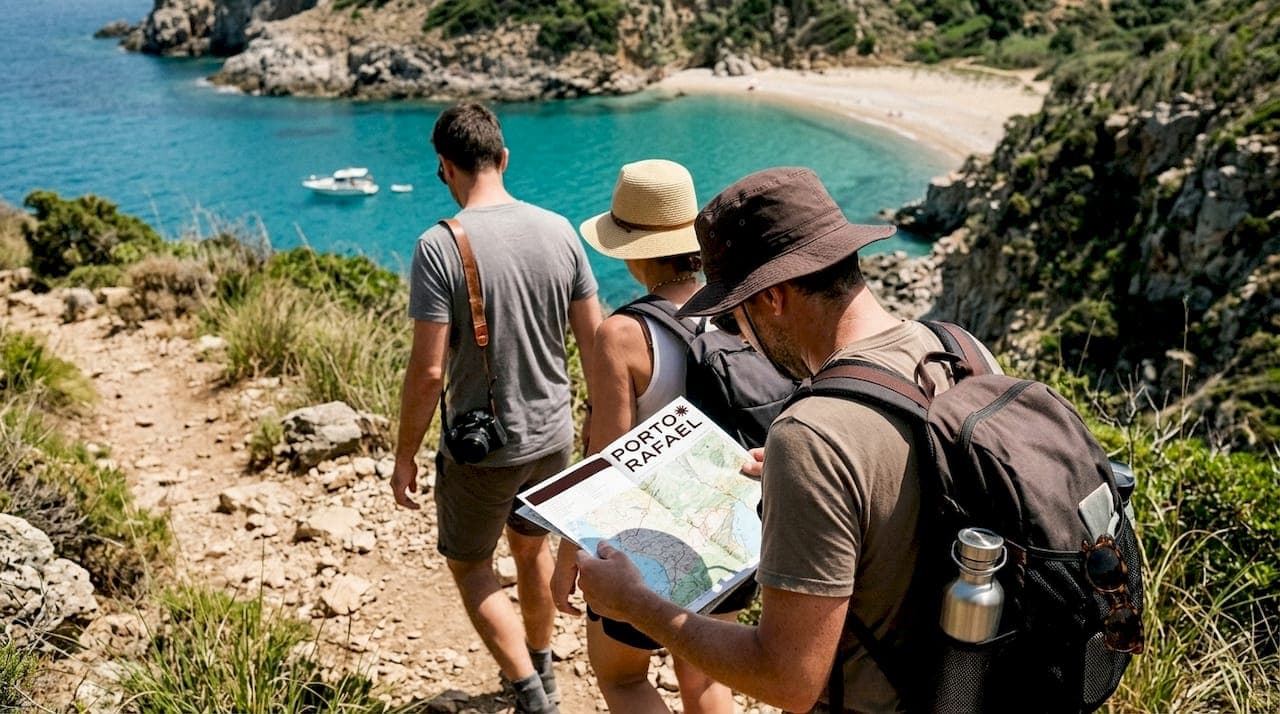
Sardinia hides some of the Mediterranean's most breathtaking coastline behind unmarked tracks, rural roads, and boat-only coves. Most travellers arrive expecting clear signposts to paradise and instead find themselves circling the same tourist beaches. The real gems, from granite-framed sea pools to deserted white-sand bays, require a combination of smart digital tools, local knowledge, and a willingness to move beyond the obvious. This guide walks you through every step, from the apps on your phone to the boat you board, so you leave Sardinia having seen the version most visitors never find.
Key Takeaways
| Point | Details |
|---|---|
| Use dedicated travel apps | Apps like Heart of Sardinia and Maybay let you find mapped, up-to-date scenic spots and beach conditions on the go. |
| Combine transport modes | Mix car, boat, and walking to access Sardinia’s wilder or more remote coastlines for the best variety and flexibility. |
| Base in strategic towns | Staying in towns like Palau or Cala Gonone puts you near top viewpoints and lets you get local advice on hidden gems. |
| Adjust for weather and crowds | Check conditions like Mistral wind and visit outside the busiest summer months to fully enjoy the scenery. |
| Respect local rules | Some beaches have access rules or require advance bookings, so always check requirements to avoid disappointment. |
Prepare for your search: tools and essentials
Before you set foot on Sardinian soil, your phone needs to be ready. The island's rural interior and coastal tracks have notoriously patchy mobile signal, which means relying on live data mid-journey is a gamble you will lose. Download everything you need before you leave your accommodation each morning.
The three apps worth installing are the official SARDINIA app, Heart of Sardinia for geo-referenced hidden gems, and the Maybay Sardinia app for real-time beach conditions and crowd levels. Each one fills a different gap. Heart of Sardinia is best for discovering lesser-known points of interest, while Maybay gives you live updates on sea state and how busy a beach is right now.
Recommended apps at a glance
| App | Best for | Offline use |
|---|---|---|
| Heart of Sardinia | Hidden gems and geo-referenced POIs | Partial |
| Maybay Sardinia | Real-time beach and sea conditions | No |
| Google Maps (downloaded) | Navigation on rural roads | Yes |
| Official SARDINIA app | General tourism and events | Partial |
Beyond apps, your physical kit matters just as much. Pack high-factor sun protection, sturdy walking shoes for rocky coastal paths, a portable charger, and a reusable water bottle. Car hire is close to essential for reaching most scenic spots, and Sardinia road trip tips can help you plan your driving days efficiently.
Key essentials to pack:
- Downloaded offline maps for your entire route
- Sun cream (SPF 50 minimum for summer visits)
- Sturdy sandals or trail shoes for rocky paths
- Portable phone charger
- Cash for rural car parks and small boat operators
- A light dry bag for boat trips
Pro Tip: Ask your hotel or guesthouse owner each morning for on-the-day advice. Locals know which tracks are currently passable, which beaches are packed, and whether a local festival might block a road or reward you with something extraordinary.
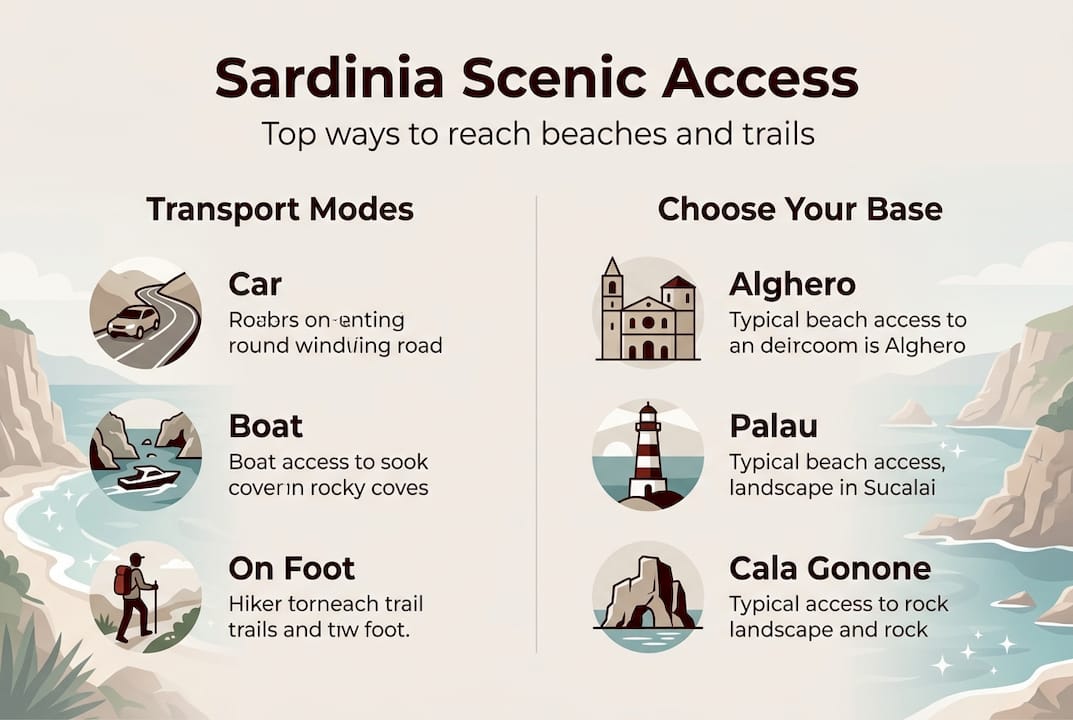
Choose your transport: car, boat, and foot access
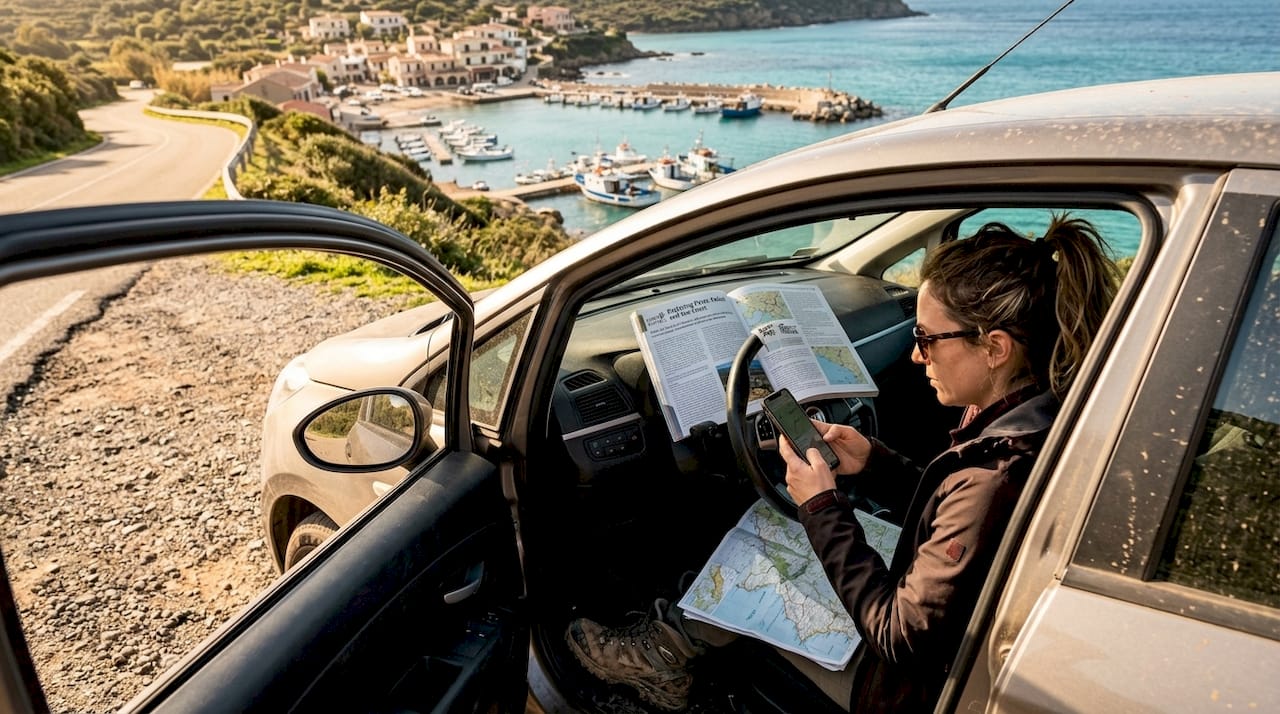
No single mode of transport unlocks all of Sardinia. The island rewards those who mix and match, driving to a harbour, boarding a boat to a cove, then hiking back to a viewpoint. Understanding when to use each method is the difference between a good trip and a genuinely memorable one.
Offline Google Maps is essential for road trips along coastal routes where signal drops entirely. A hire car gives you the freedom to stop at unmarked pull-offs and explore at your own pace, which no bus schedule can match.
Transport comparison
| Transport | Best for | Limitations |
|---|---|---|
| Car | Coastal roads, rural tracks, flexibility | Cannot reach boat-only coves |
| Boat tour | Inaccessible sea caves and beaches | Weather dependent, book ahead |
| Hiking | Viewpoints, trails, cultural sites | Time-consuming, fitness required |
| Local bus | Budget travel between towns | Limited routes, infrequent service |
For the most dramatic scenery, boat tours are non-negotiable. Book boat tours from bases like Cala Gonone, Palau, or Santa Maria Navarrese to reach places like Cala Goloritzé and Cala Mariolu, which have no road access at all. These are the beaches that appear in travel photography but remain genuinely quiet because reaching them takes effort.
Here is a practical sequence for combining transport modes:
- Drive to your chosen harbour or trailhead using downloaded offline maps.
- Book a morning boat tour to reach inaccessible coves before crowds arrive.
- Return to the harbour by early afternoon and drive to a nearby viewpoint.
- End the day with a short coastal walk to catch the evening light.
- Check tomorrow's sea conditions on Maybay before planning the next day.
"The wilder stretches of the Baunei coast and the Orosei Gulf are not for those who want everything handed to them. The effort of getting there, whether by boat or on foot, is precisely what keeps them extraordinary."
For a broader look at wild beaches in Sardinia, it helps to research specific coves before you arrive rather than hoping to stumble upon them. Many of the best spots are known only by their Sardinian names, which rarely appear on standard maps.
Pro Tip: Always book boat tours at least two days ahead during June, July, and August. Operators fill up fast and many run only one departure per day to protected coves.
Plan your beach hopping route: top towns and access points
Your choice of base town shapes everything. A well-chosen base puts you within easy reach of multiple beaches, a variety of landscapes, and local restaurants where you can gather intelligence for the next day's adventure.
Top beach towns for basing yourself include Alghero, Bosa, Palau, San Teodoro, and Cala Gonone, each offering proximity to clusters of scenic spots and a genuine local atmosphere. Palau, for instance, sits at the gateway to the La Maddalena archipelago and the granite-sculpted coastline of Gallura, making it one of the most strategically placed towns on the island.
What makes each town a strong base:
- Alghero: Catalan-influenced old town, access to Neptune's Grotto and Capo Caccia cliffs
- Palau: Gateway to La Maddalena, close to Porto Rafael and the Gallura coast
- San Teodoro: Central east coast position, lagoon beaches and clear shallow water
- Cala Gonone: Direct boat access to the Orosei Gulf's most dramatic coves
- Bosa: Colourful hilltop town, quieter beaches, excellent for shoulder season visits
The Mistral wind, a powerful north-westerly that sweeps across the island, affects beaches across the western and northern coasts and can make some spots uncomfortable or unsafe for swimming on short notice. On Mistral days, pivot to sheltered east-facing coves, which often remain glassy and calm while the west coast churns.
For those exploring the north-east, the Gallura region offers a particularly dense concentration of scenic spots within a short driving radius. The area around Porto Rafael and the Costa Smeralda rewards slow exploration, with exclusive Gallura breaks offering a blend of natural beauty and refined local culture.
Pro Tip: The shoulder seasons of May, early June, and September offer the best combination of warm water, manageable crowds, and access to local festivals that are often closed to visitors during the peak summer rush.
Discover scenic trails and viewpoints
Not every great view in Sardinia requires a boat. The island's interior and coastal headlands are threaded with trails that deliver panoramic rewards for relatively modest effort, provided you choose the right route for your fitness level.
Coastal trails like Selvaggio Blu, Roccia dell'Orso, Capo Testa, and Valle della Luna each offer a distinct character, from technical multi-day trekking to gentle afternoon strolls above the sea. Knowing which category suits you prevents both disappointment and genuine danger.
Here is a breakdown by difficulty:
- Expert level: Selvaggio Blu. A multi-day coastal trek along the Orosei Gulf requiring ropes, navigation skills, and full camping kit. Stunning but genuinely demanding.
- Moderate: Capo Testa and Valle della Luna. Shorter walks through surreal granite formations near Santa Teresa Gallura, suitable for most reasonably fit visitors.
- Easy: Roccia dell'Orso. A short, well-marked path near Palau leading to a bear-shaped granite rock with sweeping views over the Strait of Bonifacio.
For northern Sardinia walks, the Gallura region offers the best concentration of accessible viewpoints combined with cultural interest. Many trails pass near nuraghe sites, ancient stone towers that punctuate the Sardinian landscape and connect you directly to local Sardinian heritage.
"The best walks in Sardinia are not just about the view at the top. They are about the wild rosemary underfoot, the distant islands on the horizon, and the shepherd you might meet who knows a shortcut nobody has mapped."
If your timing aligns with a local celebration, weaving a Sardinian festival into a viewpoint walk adds a layer of cultural richness that no guidebook can replicate. Many villages hold processions and food markets in the very squares you pass through on the way to a trailhead.
For Selvaggio Blu and other technical routes, always book a licensed guide. The terrain is serious and rescue operations in the Orosei Gulf are complex and expensive.
Refine your finds: weather, seasons, and common mistakes
Even the best-planned Sardinian itinerary can unravel if you ignore environmental conditions. The most common mistakes are avoidable with a little preparation and a willingness to stay flexible.
Seasonal dos and don'ts:
- Do visit in May or September for warm water and thin crowds
- Do check the Maybay app each morning for wind and sea updates
- Do pre-book boat tours and accommodation well in advance for July and August
- Don't assume a beach is accessible without checking current regulations
- Don't place towels directly on the sand at protected beaches like Cala Goloritzé, where it is prohibited
- Don't ignore Mistral forecasts; some beaches become dangerous with little warning
- Don't rely on roadside signs to find the best spots; most are unmarked
Access restrictions are tightening across Sardinia's most fragile coastal areas. Several protected beaches now operate daily visitor limits, and arriving without a pre-booked slot means turning back. Check the specific rules for any protected area before you drive two hours to reach it.
For planning a summer visit to Sardinia, understanding the rhythm of the season is as important as knowing the geography. Peak July and August bring extraordinary energy but also queues, full car parks, and sold-out boat tours.
Pro Tip: Protected beaches with daily visitor limits often release cancellation slots the evening before. Check the relevant booking portal after 6pm for last-minute availability.
Plan your perfect scenic Sardinia experience with us
Knowing where to look is one thing. Having the right base to return to at the end of the day makes the whole adventure feel effortless. Porto Rafael sits at the heart of Gallura's most scenic coastline, placing you within easy reach of the granite coves, archipelago boat tours, and coastal trails described throughout this guide.
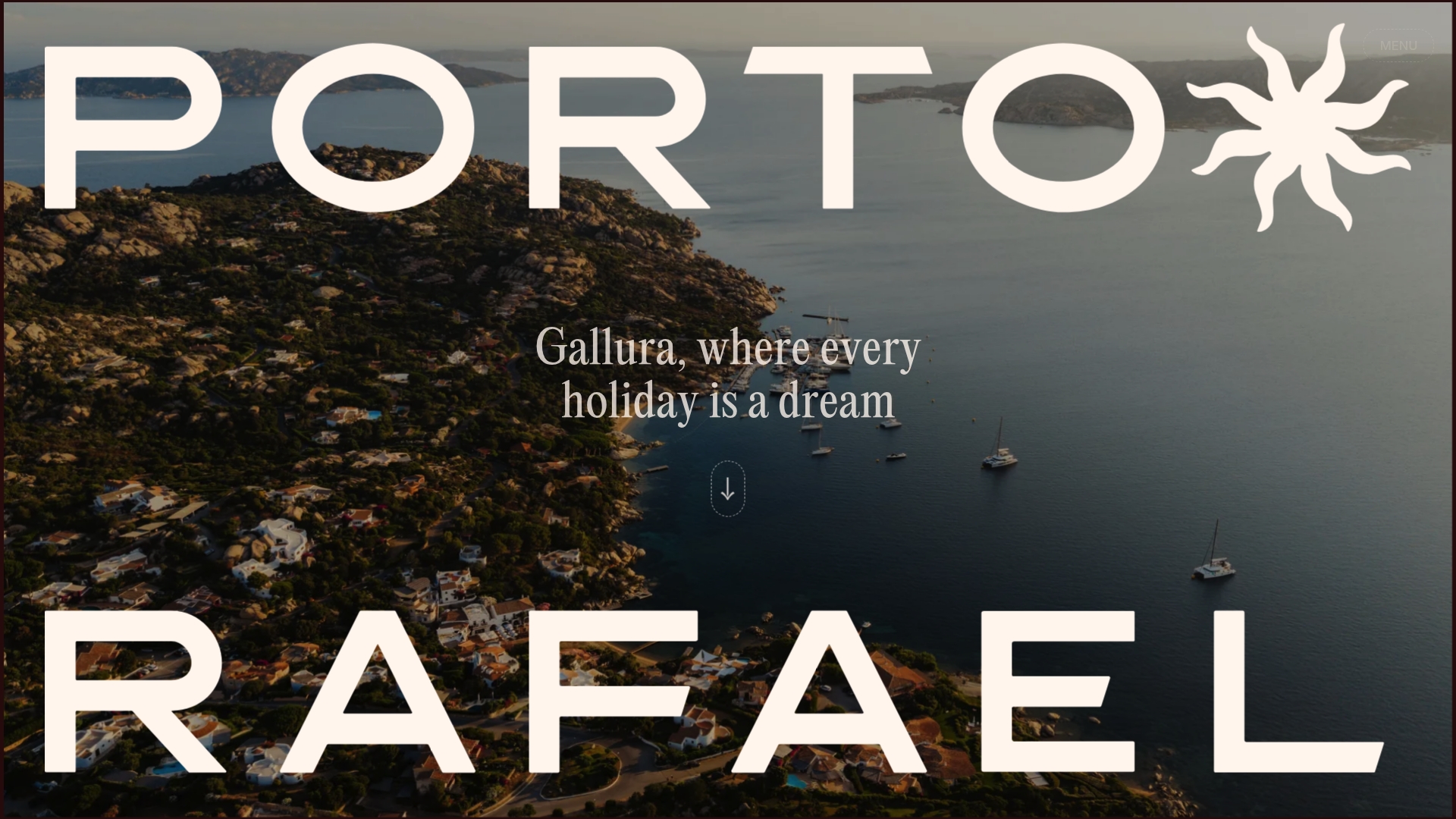
Our points of interest around Porto Rafael are curated by people who live and breathe this coastline year-round, not compiled from a generic travel database. After a day of exploring, Hotel La Piazza offers a calm, beautifully positioned retreat where you can plan tomorrow's route over a glass of local Vermentino. For the evening meal, Solaz Restaurant brings the flavours of Gallura directly to your table, from freshly caught fish to the island's celebrated pecorino. Let the scenery inspire you and let us handle the rest.
Frequently asked questions
What is the easiest way to find hidden beaches in Sardinia?
Use apps like Heart of Sardinia and Maybay Sardinia for geo-referenced maps and real-time updates on lesser-known beaches. These tools surface spots that standard navigation apps simply do not show.
Do you need a car to explore Sardinia's coast?
A car is essential for reaching most beaches and towns, particularly given spotty rural signal that makes live navigation unreliable. Combining a hire car with boat tours gives you access to the widest range of scenic locations.
Which coastal towns are best for a base when exploring Sardinia?
Top choices include Alghero, Bosa, Palau, San Teodoro, and Cala Gonone, all offering easy access to multiple beaches and genuine local culture within a short drive.
How can I avoid crowds and find quiet spots?
Visit before or after peak summer and use wind and sea forecast apps to select sheltered, less busy beaches on the day. Some protected spots like Cala Goloritzé also operate daily visitor limits, so booking ahead is essential.