
TL;DR:
- Sardinian cooking classes are intimate workshops hosted by local experts where participants learn authentic regional dishes. Booking typically involves platform selection, specified dates, and group sizes, with exact addresses shared only after payment. These classes emphasize traditional techniques like the spighitta closure, offering cultural immersion and lasting culinary understanding.
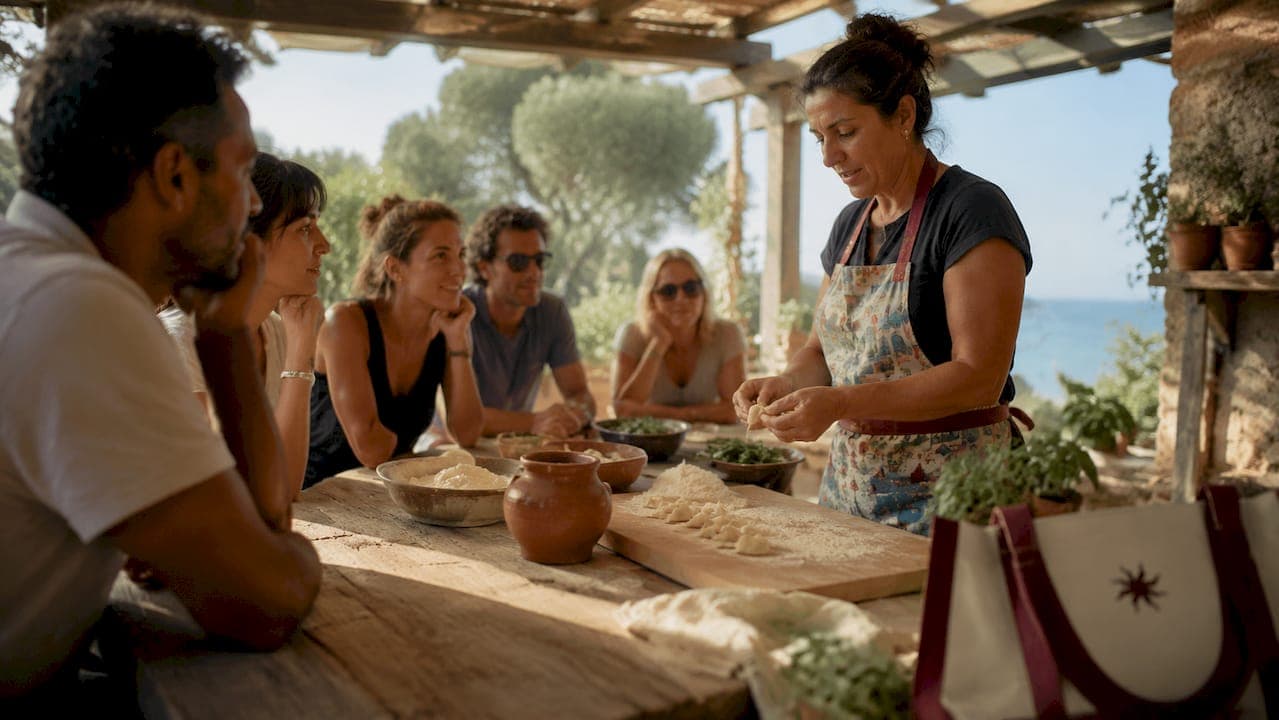
Sardinian cooking classes are defined as intimate, local-hosted workshops where participants learn traditional dishes directly from expert home cooks and regional chefs in private or small-group settings. Knowing how to take Sardinian cooking classes means understanding which platforms to use, what booking steps to follow, and how to choose experiences that teach genuine techniques rather than tourist-facing demonstrations. Platforms like Cesarine, GetYourGuide, and regional providers such as STS Ogliastra each offer access to authentic Sardinian culinary workshops, from culurgiones-making in Quartu Sant'Elena to multi-dish fish menus in Cagliari. This guide covers every stage, from finding and booking your class to preparing for the day and deepening your cultural immersion.
How to find and book sardinian cooking classes
The most reliable way to arrange Sardinian cooking courses is through curated booking platforms that connect travellers with vetted local hosts. Cesarine, GetYourGuide, and ByFood each list verified experiences across Sardinia, with filters for location, group size, dietary needs, and price. Regional specialists like STS Ogliastra offer direct bookings for workshops rooted in specific local traditions, which is particularly valuable if you want to learn in a particular area such as Ogliastra or Gallura.
The booking process across most platforms follows a consistent pattern. You select your preferred date and time, confirm your group size, and pay to secure your place. The exact home address is disclosed only after booking, which preserves the privacy of local hosts and keeps the experience genuinely intimate rather than commercial.
Home-based classes differ meaningfully from resort or hotel workshops. Private home classes, such as those listed on Cesarine in Quartu Sant'Elena, Olbia, and Cagliari, place you inside a local kitchen with a single host family. Hotel or resort workshops tend to be larger, more structured, and less personal. For travellers who want to learn Sardinian cuisine at its most authentic, home-hosted sessions are the stronger choice.
| Platform | Class Type | Typical Duration | Price Range | Locations |
|---|---|---|---|---|
| Cesarine | Private home, multi-dish | 2–3 hours | From €123 per guest | Cagliari, Olbia, Quartu Sant'Elena |
| GetYourGuide | Small group, focused dish | Approx. 2 hours | Varies by provider | Ogliastra |
| STS Ogliastra | Guided workshop, cultural | 3 hours | Contact provider | Santa Maria Navarrese |
| ByFood | Home-hosted, pasta focus | 2–3 hours | From approx. $35 | Cagliari area, Olbia |
Key booking considerations:
- Choose platforms that list maximum group sizes. Cesarine classes cap at 8 guests; GetYourGuide's Ogliastra course limits attendance to 10 participants.
- Confirm whether dietary adaptations are available. Recipe adaptations for dietary needs, including gluten-free options, are offered by many Cesarine hosts.
- Check cancellation terms before paying. Most reputable listings allow free cancellation up to 24 hours before the class.
What happens during a sardinian cooking class?
A typical Sardinian cooking class runs for 2–3 hours and follows a clear, satisfying arc from ingredient introduction through to a shared tasting. The STS Ogliastra Culurgiones Workshop is a strong example: it opens with a history of the dish, moves through dough preparation, traditional filling with potato and cheese, and culminates in the spighitta closure technique, the distinctive hand-sealing method that gives culurgiones their signature braided edge.
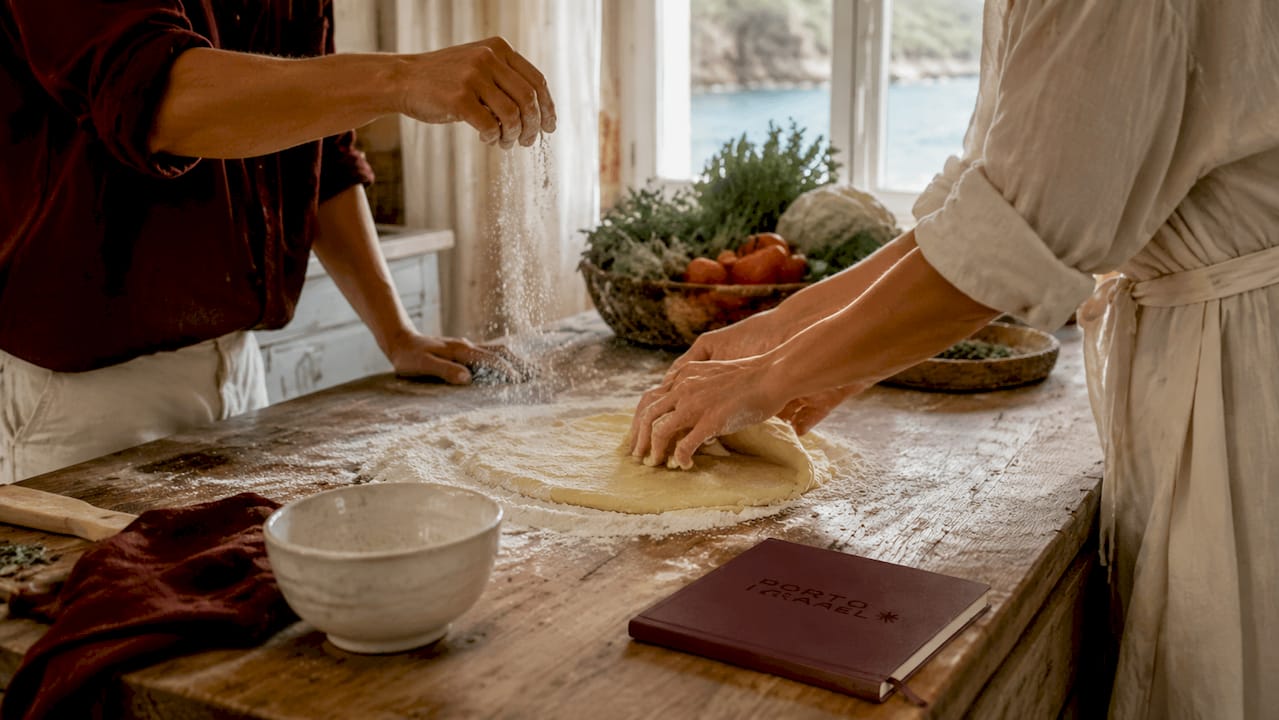
The spighitta technique is not merely decorative. It is symbolic of Sardinian culinary heritage and identity, making classes that explicitly teach it more authentic and valuable to learners. A class that skips this step is teaching pasta making, not culurgiones.
Beyond technique, the cultural layer is what separates these workshops from a recipe demonstration. Hosts share family stories, explain the origins of regional ingredients such as su fiscidu (a fermented sheep's cheese) or casu e fitta, and describe how dishes evolved across Sardinia's distinct micro-regions. This storytelling is woven naturally into the cooking process rather than delivered as a separate lecture.
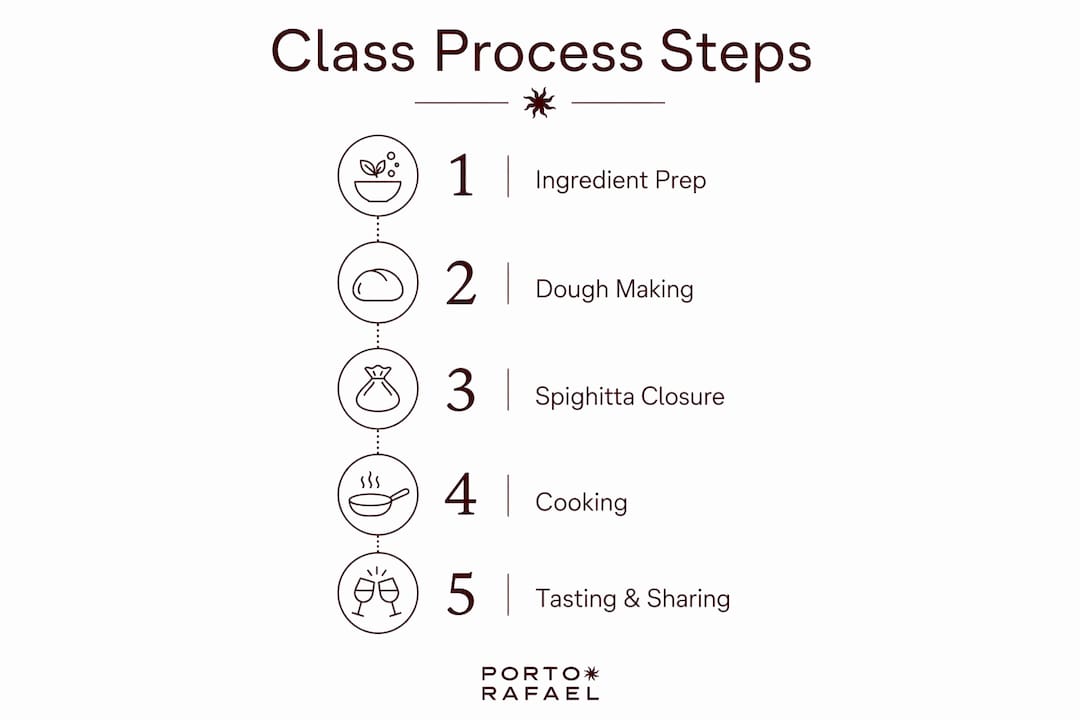
Here is what a well-structured class typically includes, step by step:
- Welcome and ingredient introduction. The host presents the key ingredients, explains their provenance, and outlines what the group will make together.
- Dough preparation. Participants mix, knead, and rest the dough under guidance, learning the correct texture by feel rather than by timer.
- Filling and shaping. The group prepares the traditional filling and practises shaping each piece, with the host correcting technique individually.
- The spighitta closure. This is the defining moment of a culurgiones class. The spighitta sealing technique is taught step by step, distinguishing truly authentic workshops from generic pasta classes.
- Cooking and plating. The finished pieces are cooked and plated, often with a simple sauce that lets the pasta speak for itself.
- Shared tasting. The group sits together to eat what they have made. The GetYourGuide Ogliastra course includes water or Cannonau wine with the tasting, adding a convivial, celebratory quality to the meal.
Most classes are conducted in Italian with English translation available on request. Vegetarian and gluten-free adaptations are increasingly common, though you should confirm this at the time of booking rather than assuming.
Pro Tip: Prioritise classes that list the spighitta closure as a specific teaching point. This single detail is the clearest signal that the host is committed to genuine technique rather than a simplified tourist version of the dish.
How to prepare for your sardinian cooking class
Preparation for a Sardinian cooking class is straightforward, but a few practical steps will make the experience smoother and more enjoyable. The most critical logistical point is connectivity. Because the exact venue address is disclosed only after booking, you need reliable mobile data or access to email on the day of the class. Many hosts also communicate via WhatsApp, so having the app installed before you travel is sensible.
What to bring and what to expect:
- Clothing. Wear comfortable clothes you do not mind getting flour on. Closed-toe shoes are advisable in a working kitchen.
- What is provided. Most classes supply aprons, chef's hats, all ingredients, and drinks. The GetYourGuide Ogliastra course, for example, provides aprons and chef's hats as standard.
- Dietary requirements. Communicate any allergies or dietary preferences at the time of booking, not on the day. Hosts who tailor menus to guest preferences need advance notice to source alternative ingredients.
- Cancellation policy. Most reputable listings offer free cancellation up to 24 hours before the class. Confirm this before paying, particularly for smaller independent providers.
- Language. If you do not speak Italian, confirm that English instruction or translation is available. Most platforms allow you to filter by language of instruction.
- Punctuality. Home-hosted classes run on a tight schedule. Arriving late disrupts the group and compresses your time at the stove.
Pro Tip: Some home-based classes are located in residential areas outside city centres, and transfer surcharges can apply beyond a certain radius. A Cagliari-area class, for instance, may include free transfer within 20 km but charge extra for guests staying further out. Confirm transport logistics when you book.
How can you deepen your sardinian culinary immersion?
A single cooking class is a wonderful introduction, but combining it with broader cultural and culinary experiences transforms a pleasant afternoon into a lasting understanding of Sardinian food culture. The most rewarding approach is to balance short workshops with longer immersive formats that connect technique to ingredient provenance and community life.
Consider these ways to enrich your experience:
- Add a market tour. Some providers in Sassari and Cagliari combine a guided local market visit with a cooking class. Seeing and selecting ingredients before you cook them deepens your understanding of Sardinian food systems in a way that no classroom explanation can replicate.
- Explore multi-day immersions. The Cook the Farm Sardinia 2026 programme, run by Anna Tasca Lanza, offers a participatory culinary immersion combining village life with hands-on workshops and communal living. This is the most thorough way to understand Sardinian food culture beyond a single dish.
- Pair classes with wine tastings. Sardinia's Cannonau, Vermentino, and Vernaccia are inseparable from its food culture. Attending a local wine tasting alongside your cooking class gives context to the flavours you are learning to create.
- Dine at authentic local restaurants. Eating at a genuinely local trattoria after your class lets you compare your own results with the work of professional Sardinian cooks. This is both humbling and instructive.
- Engage with the local food culture. Sardinia's eight must-try food experiences extend well beyond pasta. Exploring them alongside your cooking lessons builds a richer picture of the island's culinary identity.
The cultural immersion benefits of combining these activities are well documented. Travellers who engage with local food systems, rather than simply observing them, report a significantly deeper connection to the places they visit. Sardinia rewards this kind of curiosity generously.
Why sardinian cooking classes are worth every moment
Having spent considerable time exploring Sardinian culinary culture, I hold a clear view: the home-hosted cooking class is one of the most honest travel experiences available anywhere in the Mediterranean. It is not a performance. You are in someone's kitchen, working with their hands, learning what their grandmother taught them.
The commercialised cooking demonstration, common in tourist-heavy cities across Italy, teaches you to follow steps. A genuine Sardinian class teaches you to understand why those steps exist. The spighitta closure is the clearest example. It takes patience to learn and looks deceptively simple. When a host corrects your technique for the third time with warmth and laughter, you understand that this dish carries generations of knowledge in its shape.
My strongest recommendation is to resist the temptation to book the cheapest or most convenient option. The difference between a class that teaches the spighitta and one that does not is the difference between a cultural encounter and a cooking demonstration. Seek out providers like STS Ogliastra or Cesarine-listed hosts who are explicit about what they teach and why. Then, once you have mastered the basics, extend your time with a longer immersion like Cook the Farm Sardinia. The combination of technical skill and cultural depth is what makes Sardinian culinary learning genuinely transformative.
— Studio
Extend your sardinian culinary experience at porto rafael
Porto Rafael, the captivating boutique village in Gallura, offers a natural and refined complement to any Sardinian cooking class. After mastering culurgiones in a local kitchen, the gastronomy at Porto Rafael invites you to experience the island's finest flavours at a higher register. Restaurant Solaz serves gourmet local cuisine that celebrates the same Sardinian ingredients you will have worked with in your class, presenting them with elegance and precision. Rafael's Bar and Lounge offers handcrafted cocktails and aperitivi in a setting of timeless beauty overlooking the Gallura coastline. Porto Rafael is where culinary discovery and coastal serenity meet.
Explore the full range of dining at Solaz and discover why Porto Rafael is considered a rare gem of authentic Sardinian hospitality.
FAQ
How do i book a sardinian cooking class?
Book through platforms like Cesarine, GetYourGuide, or ByFood by selecting your preferred date, group size, and location. The exact address of home-hosted classes is shared only after payment is confirmed.
How long do sardinian cooking classes typically last?
Most classes run for 2–3 hours. The STS Ogliastra Culurgiones Workshop lasts 3 hours; the GetYourGuide Ogliastra course runs approximately 2 hours.
What dishes will i learn to cook?
Culurgiones is the most commonly taught dish, alongside malloreddus and fresh pasta. Some classes, particularly through Cesarine, offer multi-dish fish menus or broader Sardinian cuisine programmes.
Are sardinian cooking classes suitable for dietary restrictions?
Many providers accommodate vegetarian and gluten-free requirements. Communicate dietary needs at the time of booking so hosts can source appropriate ingredients in advance.
What is the spighitta technique and why does it matter?
The spighitta is the traditional hand-sealing method used to close culurgiones, creating their distinctive braided edge. Classes that teach this technique are considered more authentic and culturally significant than those that simplify or omit it.