
Premium amenities are not decorative additions to an exclusive resort. They are the structural mechanisms that create and protect exclusivity itself, by removing friction, signalling privacy, and compounding perceived value across every hour of a guest's stay. The resort that understands this distinction stops treating amenities as a checklist and starts treating them as a strategic architecture.
The practical implication is immediate: prioritise amenities that recur daily, enhance privacy, and reduce decision-making for your guests. A private outdoor space used every morning delivers more commercial value than a spectacle feature used once. Experiential programming that connects guests to place creates emotional loyalty that no loyalty points scheme can replicate. And the properties that protect their guest density, rather than simply adding more features, consistently command higher average daily rates and stronger repeat-booking rates.
- Immediate priority: daily-use amenities that reduce cognitive load (private outdoor space, dedicated breakfast access, butler or concierge service)
- Second priority: privacy-enhancing design (zoned spaces, capped guest numbers, invitation-only experiences)
- Third priority: curated experiential programming rooted in local culture and authenticity
Why do premium amenities matter for resort commercial performance?
The role of premium amenities in exclusive resorts is ultimately a revenue story, but the mechanism runs through guest psychology before it reaches the profit-and-loss account. When a guest encounters an amenity that removes a decision, solves a problem before it arises, or signals that the property truly understands them, their perceived value of the stay rises. That perception directly influences willingness to pay, and willingness to pay drives average daily rate (ADR).
The causal chain is worth tracing clearly. A guest who experiences frictionless arrival, a private terrace, and a breakfast delivered without asking is not simply satisfied; they are experiencing a reduction in cognitive load that high-net-worth travellers actively seek. That experience translates into higher Net Promoter Scores (NPS), longer dwell times, greater ancillary spend, and, critically, a higher probability of return. Luxury tourism investment in amenity design is therefore not a cost centre but a yield management tool.
Strategic objectives that amenity investment can serve:
- Segmentation: premium amenities attract and retain a specific guest profile, protecting the property from rate dilution
- Yield management: exclusive access tiers (private lounges, club floors, invitation-only dining) allow differential pricing without visible discounting
- Brand protection: curated guest mix and density control preserve the atmosphere that justifies premium rates
- Repeat bookings: personalised service and experiential programming create emotional anchors that standard five-star service cannot replicate
- RevPAR uplift: higher ADR combined with strong occupancy among a targeted guest segment produces revenue per available room growth without volume dependency
A survey cited by industry sources found that a large majority of luxury hotel guests—over 70%—are more likely to return to properties offering personalised services, and many are willing to share their preferences to enhance future stays. Those figures represent a structural commercial advantage for properties that invest in guest profiling and act on it.
What are the core types of premium amenities, and how does each create exclusivity?
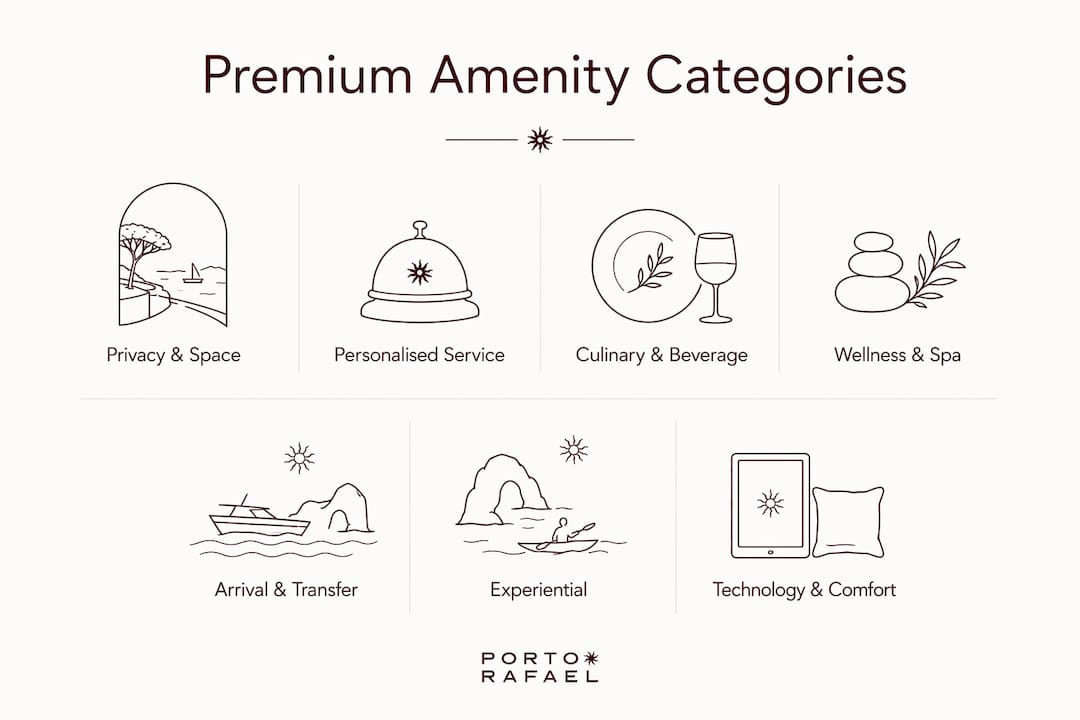
Luxury amenities in resorts fall into discernible functional groups, and understanding those groups is the first step towards designing an offer that compounds rather than simply accumulates. The taxonomy below draws on established industry categorisation and the practical reality that recurring conveniences change the guest experience more profoundly than novelty features used once.
Privacy and space
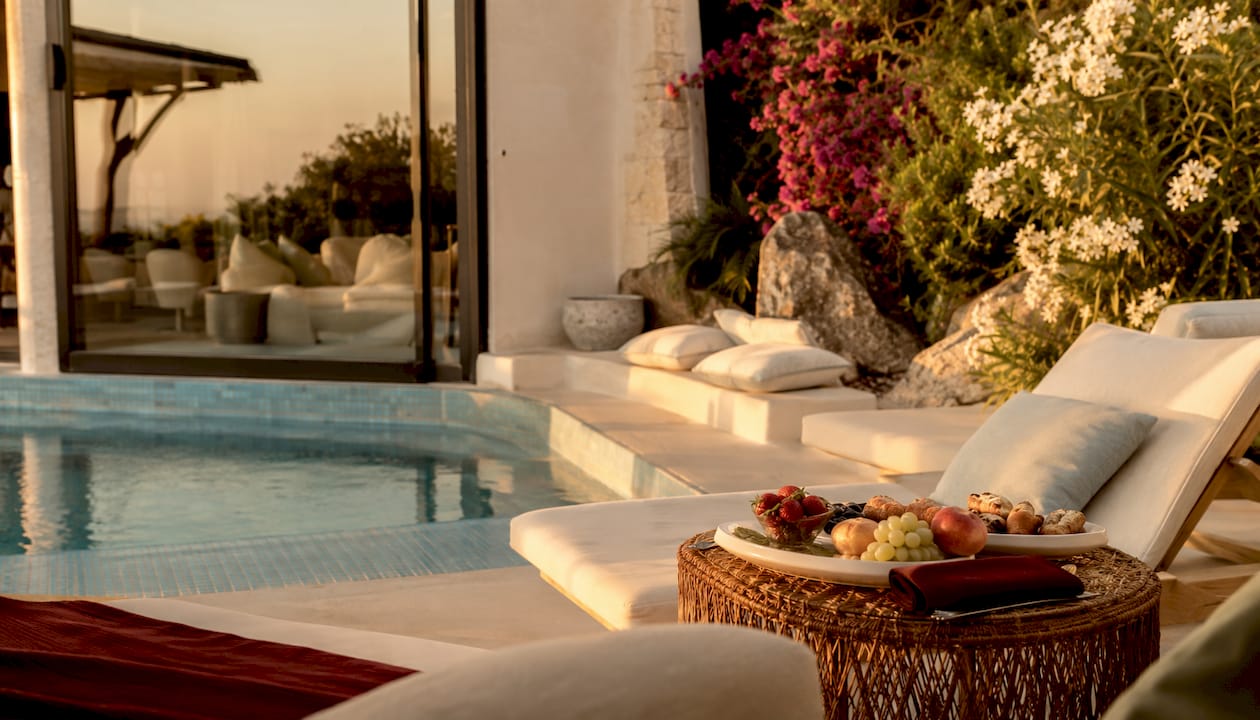
Private outdoor areas, villa configurations, and zoned pool access are the amenities guests cite most consistently when explaining why they chose one property over another. The exclusivity signal here is spatial: the guest is not sharing their environment with strangers. A private terrace or plunge pool used every morning becomes the emotional centrepiece of the stay.
Daily convenience and personalised service
Butler service, dedicated concierge access, and pre-arrival profiling sit in this group. Their power lies in anticipation. The butler who has noted a guest's preferred newspaper, pillow firmness, and dietary requirements across previous stays is not performing a service; they are demonstrating that the property treats the guest as an individual. Exclusive resort offerings built around this principle consistently outperform those that rely on physical features alone.
Culinary and beverage programming
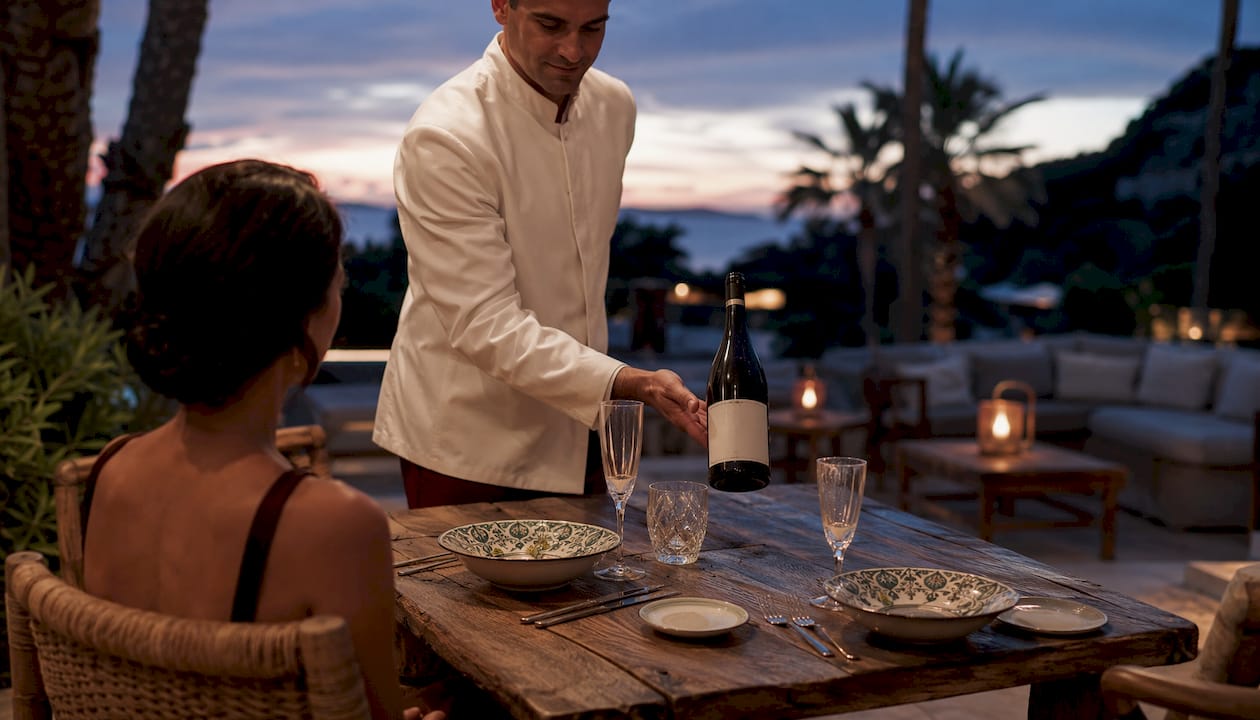
In-house fine dining, private chef access, and curated wine or spirits programmes deliver exclusivity through access and curation. A curated culinary experience that draws on local producers, seasonal ingredients, and the chef's personal knowledge of the region creates something a guest cannot replicate elsewhere. This is the difference between a restaurant and a destination.
Wellness and spa
Spa facilities, fitness studios, and wellness programming are now expected at the luxury tier. What creates genuine exclusivity is private booking, dedicated therapists, and programmes designed around the individual guest's goals rather than a standard menu. A wellness suite available by appointment only, rather than on a first-come basis, immediately signals scarcity.
Arrival and transfer
The arrival experience sets the emotional register for everything that follows. Private transfers, helicopter access, dedicated check-in away from any shared lobby, and a room that has been configured before the guest arrives all communicate that the property has been expecting this specific person. The impact on guest experience from a seamless arrival is disproportionate to its operational cost.
Experiential programming
Experiential programming is now a definitive marker of luxury: immersive, destination-focused activities that connect guests to local culture, landscape, and craft. Private boat excursions, cooking classes with local producers, guided heritage walks, and wine tastings at estate level all fall here. Managed in-house, these programmes become marketing and retention tools as well as revenue lines.
Technology and in-room comfort
Smart room controls, high-quality audio-visual systems, and reliable high-speed connectivity are the baseline. What elevates them to premium is integration: a room that adjusts to a guest's stated preferences automatically, without requiring them to navigate a tablet interface, is reducing friction. The technology should be invisible.
Pro Tip: Bundle amenities across groups so they compound. A private outdoor space (privacy) paired with butler breakfast delivery (daily convenience) and a curated evening tasting (experiential) creates a daily rhythm that feels entirely personal. Each element reinforces the others, and the guest's perception of exclusivity grows with each interaction rather than plateauing after check-in.
What design and operational principles make amenities genuinely exclusive?
A list of premium features does not, by itself, create exclusivity. The principles below are what convert individual amenities into a coherent exclusivity architecture.
Density management is the most underused lever in luxury hospitality. Fewer guests per hectare, per pool, per dining room means each guest experiences the property as though it were designed for them. Ultra-luxury buyers increasingly prefer low-density environments and private zones over a greater number of shared facilities. Capping occupancy is a pricing and positioning decision as much as an operational one.
Access control operationalises scarcity. Invitation-only floors, membership tiers, and private lounges available only to suite guests are not merely marketing devices; they protect the atmosphere that justifies the rate. Exclusivity in modern luxury strategy is built through structural scarcity, not price alone.
Anticipatory service is the operational expression of guest profiling. The compounding chain works as follows: a smooth private arrival reduces stress and sets a positive emotional baseline; a private outdoor space provides a personal sanctuary throughout the stay; butler service that anticipates rather than reacts to needs sustains that sense of ease. Each element multiplies the perceived value of the others. A guest who experiences all three simultaneously does not simply feel well-served; they feel that the property belongs to them.
Repeat-use value should be the primary filter when evaluating any new amenity. A private pool used daily, a breakfast programme that becomes a ritual, a concierge relationship that deepens over multiple stays: these create loyalty. A spectacle feature experienced once and then ignored does not.
Zonal design and guest flow matter enormously in a UK resort context, where indoor-outdoor transitions, weather contingencies, and the physical layout of listed or heritage buildings all affect how amenities are accessed. Designing clear zones for different guest activities, with logical flow between them and minimal crossover between guest segments, is the operational foundation of a genuinely exclusive environment.
Pro Tip: When auditing your property's guest flow, walk it as a guest would at 7am, noon, and 10pm. The friction points that emerge at each hour, a shared corridor that feels crowded at breakfast, a pool area with no shade at midday, a bar that requires passing through a public space at night, are exactly where targeted amenity investment pays back fastest.
What are the operational and cost implications of premium amenities?
The commercial case for premium amenities is clear. The operational reality is that they cost significantly more to deliver than standard luxury features, and that cost must be planned for explicitly.
Operating costs at private luxury retreats can run 300–500% higher than at standard luxury properties, with staff salaries 200–400% above regional norms. Those figures reflect the staffing ratios, specialist skills, and imported or bespoke materials that premium amenities require. For UK resort operators, this is compounded by the cost of recruiting and retaining hospitality talent outside major urban centres.
Staffing roles tied to premium amenity delivery:
- Head butler and butler team: guest profiling, pre-arrival preparation, in-stay anticipatory service
- Concierge specialists: curated local knowledge, supplier relationships, activity booking
- Wellness therapists: certified practitioners for spa, fitness, and holistic programmes
- Activity and experience guides: in-house or contracted specialists for experiential programming
- Private chefs and F&B specialists: menu development, dietary accommodation, private dining execution
- Maintenance technicians: specialist upkeep for pools, spa equipment, smart-room technology, and heritage building fabric
Training investment is as significant as recruitment. A butler who has not been trained in guest profiling systems, or a concierge who lacks genuine local knowledge, delivers a service that looks premium but does not feel it. The gap between a trained and an untrained team is visible to high-net-worth guests within the first hour.
Cost context: AMW's analysis of exclusive luxury retreats notes that the elevated OPEX at private luxury properties is driven primarily by staffing levels and specialist maintenance, not physical infrastructure. This means the cost is largely variable and can be managed through careful occupancy planning and amenity utilisation data.
Pro Tip: Conduct a quarterly amenity utilisation audit. Track which features are used daily, weekly, and rarely. Amenities with low utilisation rates are candidates for consolidation or repurposing, freeing budget for the high-frequency conveniences that actually drive guest satisfaction and repeat bookings.
How should you prioritise and pilot premium amenities for your property?
Not every premium amenity belongs at every property. The framework below gives operations and revenue teams a repeatable method for deciding what to add, when to test it, and how to scale.
The impact-versus-cost matrix
Place each candidate amenity in one of four quadrants:
- Quick wins (high impact, low cost): pre-arrival profiling, personalised welcome notes, dedicated breakfast service, curated local itineraries. Implement immediately.
- Strategic bets (high impact, high cost): private pool or terrace configurations, in-house experiential programming, butler service. Pilot with a defined guest segment before full rollout.
- Low value (low impact, low cost): generic in-room extras, standard toiletry upgrades. Retain only if they support a broader brand narrative.
- Avoid (low impact, high cost): spectacle features with low repeat-use value. Redirect budget to high-frequency conveniences.
Pilot checklist
- Define the target guest segment for the pilot (e.g., suite guests, returning guests, guests staying four nights or more)
- Set a minimum viable metric before launch (e.g., NPS uplift of five points, ancillary spend increase of 15%, utilisation rate above 60%)
- Assign a named owner for each pilot element across operations, F&B, and guest relations
- Build in a feedback collection mechanism from day one (post-stay survey, in-stay check-in, guest relations debrief)
- Set a review date at 30 and 90 days
30/90-day pilot milestones
Days 1–30: soft launch with a single guest segment; collect daily utilisation data and qualitative feedback from guest relations team; identify friction points in delivery.
Days 31–90: refine the service based on feedback; begin measuring NPS and ancillary spend against the pre-pilot baseline; assess staffing adequacy and training gaps; prepare a recommendation for full rollout or adjustment.
Premium Sardinia accommodation data shows that booking intent rises sharply when guests can identify specific, named amenities that match their daily preferences. This reinforces the case for piloting amenities that are concrete and communicable, not vague luxury signals.
Which KPIs best measure the impact of premium amenities?
Proving the return on amenity investment requires a measurement framework that connects guest behaviour to commercial outcomes. The table below sets out the core metrics, their commercial rationale, and practical collection methods.
| KPI | Why it matters | How to measure |
|---|---|---|
| ADR uplift | Shows whether premium amenities support higher room rates | Compare ADR for amenity-inclusive room types against standard rooms over the same period |
| RevPAR | Captures rate and occupancy together; the truest yield measure | Revenue management system; track monthly against prior year and comp set |
| NPS segmented by amenity users | Isolates the satisfaction effect of specific amenities | Post-stay survey with amenity-usage tagging; compare NPS scores by segment |
| Ancillary spend per stay | Measures whether amenities drive on-property spending | PMS data; track F&B, spa, and activity spend per guest night |
| Repeat-booking rate | The strongest loyalty signal | CRM; track returning guest percentage quarterly |
| Amenity utilisation rate | Identifies high-value and low-value features | Daily log or sensor data; track usage per amenity per guest night |
| Length of stay | Premium amenities should extend dwell time | PMS; compare average length of stay by room type and season |
Measurement best practices:
- Tag guests by amenity access level at check-in so post-stay data can be segmented accurately
- Use cohort testing where possible: guests with butler access versus without, over the same period and room type
- Collect qualitative feedback through in-stay conversations, not only post-stay surveys; guest relations teams often surface insights that structured surveys miss
- Attribute revenue uplift conservatively: isolate the amenity variable by controlling for season, room type, and booking channel before claiming causation
- Review utilisation data quarterly and cross-reference with NPS to identify which amenities are both used and valued
Understanding the guest experience as a measurable journey, rather than an impression, is what separates properties that iterate successfully from those that add features without evidence.
Implementation checklist for UK exclusive resorts: 30/90/180-day launch plan
The checklist below is structured for a UK resort launching or refining a premium amenity programme. Ownership is assigned by team; timescales are realistic for a property with an existing operations infrastructure.
Days 1–30: discovery and design
- Conduct a guest segmentation analysis using CRM and booking data to identify your highest-value guest profiles and their stated or inferred preferences
- Audit current amenity utilisation rates across all room types and shared spaces
- Map the guest journey from pre-arrival to post-departure, identifying friction points at each stage
- Benchmark against comparable UK luxury properties on ADR, NPS, and amenity offer (use publicly available review data and rate intelligence tools)
- Draft an amenity priority list using the impact-versus-cost matrix; assign each item to a quadrant
- Review supplier contracts for wellness, F&B, and experiential programming; identify gaps and lead times
- Note UK-specific licensing requirements: alcohol licensing under the Licensing Act 2003, food hygiene registration with the local authority, and any planning permissions relevant to new outdoor structures or spa facilities
Days 31–90: pilot and staffing
- Recruit or retrain for priority roles: butler, concierge specialist, wellness therapist, activity guide
- Launch the quick-win amenities identified in the priority list; begin collecting utilisation and NPS data
- Soft-launch one strategic bet amenity with a defined guest segment; assign a named owner
- Establish a weekly operations review covering utilisation data, guest feedback, and staffing performance
- Begin building or refining the guest profiling system within your property management system (PMS)
- Curated local experiences such as private excursions and culinary events should be contracted with local suppliers and tested with staff before guest launch
Days 91–180: scale and refine
- Review pilot data against pre-set success criteria; make go/no-go decisions on strategic bets
- Roll out full butler or concierge programme to all premium room types
- Launch experiential programming calendar for the next season; communicate it in pre-arrival guest communications
- Integrate amenity utilisation data into revenue management reporting
- Conduct a full sustainability review of amenity suppliers and materials; UK luxury guests increasingly expect environmental accountability alongside premium quality
- Set annual KPI targets for ADR, NPS, repeat-booking rate, and ancillary spend per stay
Why discretion and density management outperform an amenities arms race
The most important strategic shift in luxury hospitality over the past decade is not what properties are adding; it is what the best ones are deliberately withholding.
"High-net-worth individuals now seek bespoke services, private villas, curated cultural encounters, and wellness retreats that promise privacy and prestige — and they're no longer satisfied with standard five-star service as the baseline. That shift, from opulence as spectacle to opulence as discretion, is what's reshaping how top properties think about their amenity offer." — Baker McKenzie, mid-2025 hospitality sector analysis, cited in industry commentary
Ultra-luxury guests increasingly prefer low-density environments, private zones, and control over their surroundings over a greater volume of shared facilities. Modern luxury hotel strategy reflects this: invitation-only floors, private lounges restricted to suite guests, and membership models that cap access are now tools for brand protection and rate integrity, not simply marketing gestures.
Practical steps to operationalise discretion and density:
- Zone your property deliberately: designate areas as exclusive to specific room types or membership tiers; enforce this consistently through staff briefing and physical design
- Cap shared amenity access: pool, spa, and dining reservations should have a maximum capacity that is set below physical capacity, preserving the sense of space
- Create invitation-only experiences: a private tasting, a chef's table, a guided dawn walk available only to returning guests or suite occupants signals scarcity without requiring additional infrastructure
- Introduce membership or loyalty tiers that grant access to private spaces rather than simply discounts; hotel loyalty experiences built around access rather than points create genuine emotional value
- Train staff to protect the atmosphere: density management fails if staff allow informal overcrowding; the front-of-house team must understand that managing guest flow is as important as managing guest satisfaction
The role of nature in luxury escapes offers a parallel lesson: properties that use their natural setting to create spatial privacy, rather than filling every corner with built amenities, consistently achieve higher perceived exclusivity scores. The landscape itself becomes an amenity when it is protected and curated.
What forward-looking resort managers are doing now
The properties making the most considered moves in luxury hospitality right now are not the ones with the longest amenity lists. They are the ones that have made a deliberate choice about what kind of guest they want, and have designed every element of the stay around that person's daily rhythm.
Private arrival protocols, where a guest never passes through a shared lobby, are becoming standard at the upper end of the UK market. Zoned outdoor spaces that feel genuinely private, rather than screened by a token hedge, are being retrofitted into existing properties. And curated local experiences, rooted in the specific culture and landscape of the property's location rather than generic luxury tropes, are replacing the spa-and-golf formula that defined the previous generation of exclusive resorts.
The trade-off managers face is real. Density management reduces occupancy revenue in the short term. In-house experiential programming requires staffing investment before it generates ancillary revenue. Butler service at the level that actually moves NPS scores costs more than a standard concierge desk. The question is not whether these investments are expensive; it is whether the ADR, repeat-booking rate, and guest lifetime value they generate justify the OPEX. For properties that have made the commitment consistently, the answer has been yes.
The pilot framework in this guide exists precisely to make that commitment manageable. Test one strategic bet at a time, measure it honestly, and scale what works. The properties that iterate on evidence rather than instinct are the ones that build a genuinely defensible position in the luxury market.
Portorafael: where boutique scale becomes a genuine advantage
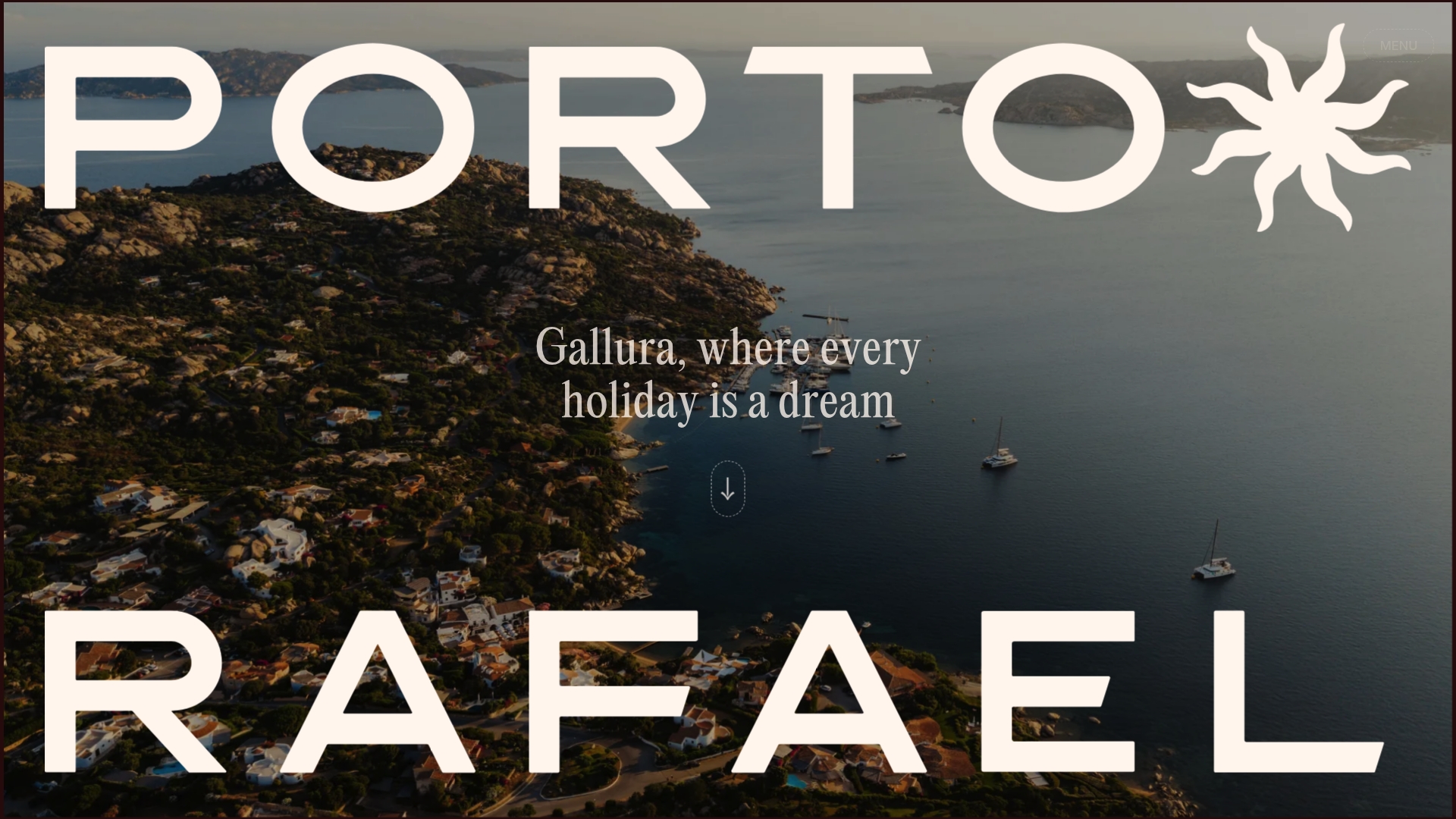
Boutique properties have a structural advantage that larger resorts spend considerable effort trying to replicate: the ability to know every guest by name, configure every space around their preferences, and deliver the kind of unhurried, personal attention that no amount of five-star infrastructure can manufacture at scale. At Hotel La Piazza in Porto Rafael, that advantage is built into the property's architecture and ethos. Adults-only, intimate in scale, and set within the captivating village of Porto Rafael in Gallura, Sardinia, it embodies the principles this guide has outlined: low density, curated access, and a guest experience shaped by place rather than formula.
The culinary programme at Solaz Restaurant draws on the finest local ingredients and the rich heritage of Sardinian cuisine, offering the kind of gourmet experience that becomes the emotional centrepiece of a stay. Rafael's Bar & Lounge provides a considered setting for the evening ritual that exclusive resorts do so well: a controlled, beautiful space where the guest mix is curated, and the atmosphere is entirely the property's own.
For hospitality professionals seeking a working example of these principles in a boutique Mediterranean context, or for those ready to experience them directly, explore the full offer at Portorafael and discover what genuine exclusivity feels like when it is built from the ground up.
A perspective on what actually matters in luxury amenity design
The conversation about premium amenities in exclusive resorts tends to get pulled towards the spectacular: the infinity pool cantilevered over a cliff, the Michelin-starred kitchen, the helicopter transfer. These things matter, but they are not where the real work happens.
The most durable competitive advantage in luxury hospitality comes from the quiet, repeated moments: the morning when a guest finds their preferred coffee already prepared, the afternoon when the concierge has arranged something the guest mentioned in passing two days earlier, the evening when the dining experience feels as though it was designed specifically for the people at that table. These moments are not expensive to create relative to the physical infrastructure of a luxury resort. They require training, systems, and a genuine commitment to knowing the guest as an individual.
What I find most striking, looking across the evidence gathered here, is how consistently the data points away from spectacle and towards rhythm. The amenities that drive repeat bookings and NPS scores are the ones guests encounter every day, not the ones they photograph once. The properties that protect their density, even at the cost of short-term occupancy revenue, consistently outperform those that fill every room and then wonder why their NPS has softened.
The arms race in luxury amenities is real, and it is largely a distraction. The properties worth studying are the ones that have decided what they are, chosen their guest deliberately, and built every operational decision around protecting that choice.