
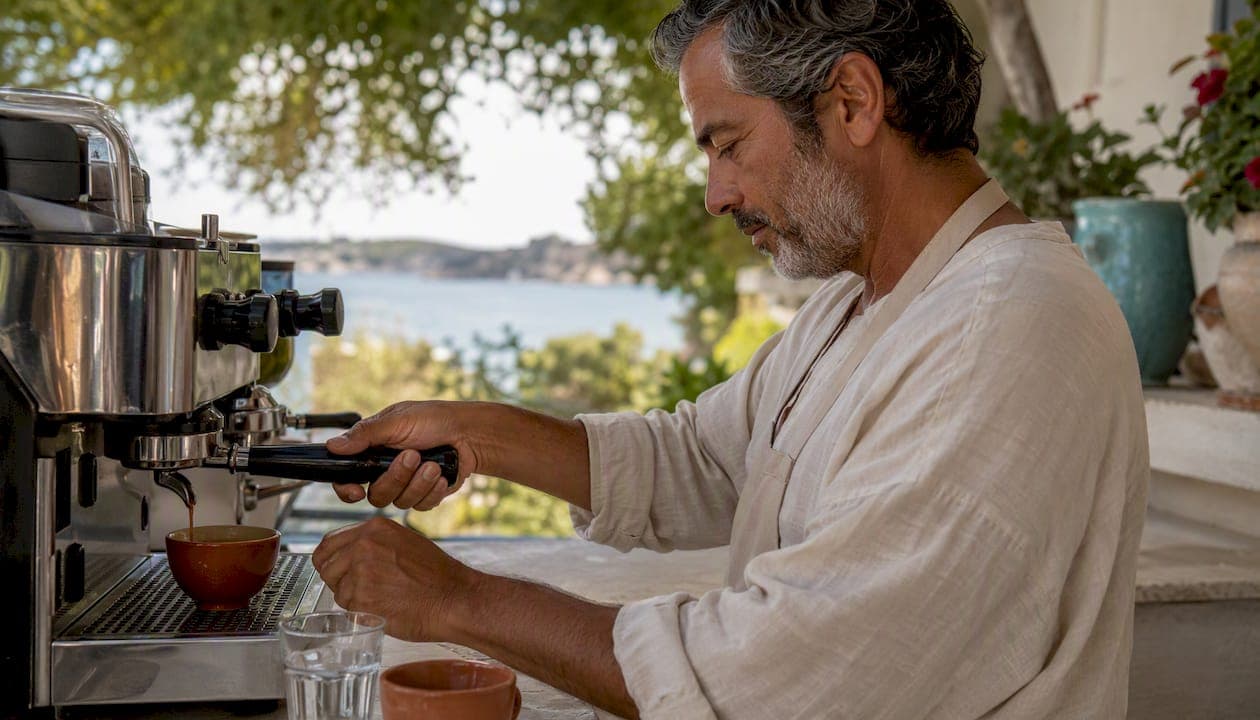
A step-by-step Sardinian coffee experience is a guided, hands-on session — typically around 90 minutes — that takes you from raw green beans through a live roasting demonstration, into a structured cupping and tasting session, and finally into practising espresso extraction and the iconic Moka pot yourself. It is less a café visit and more a sensory education, shaped by the island's deep reverence for coffee as a social ritual.
What a typical session includes:
- Live roasting demonstration in an open-view micro-roastery
- Guided cupping and comparative tasting of multiple coffees
- Hands-on espresso extraction and Moka pot demonstration
- Take-home bag of freshly roasted beans
- Conducted in Italian, English, and often Spanish
- Small or private groups (ideal for an unhurried, personal experience)
Sessions run in small or private groups, which means the host can tailor the pace and the conversation to you. If you are travelling through Sardinia and want one experience that captures the island's character in a single morning, this is it.
What happens step by step during a Sardinian coffee tour?
The session follows a clear arc, moving from orientation through craft and into hands-on practice. Time estimates below are based on the Essentzia Coffee Project's 90-minute format in Cagliari, which represents the standard structure for roastery-based experiences on the island.
-
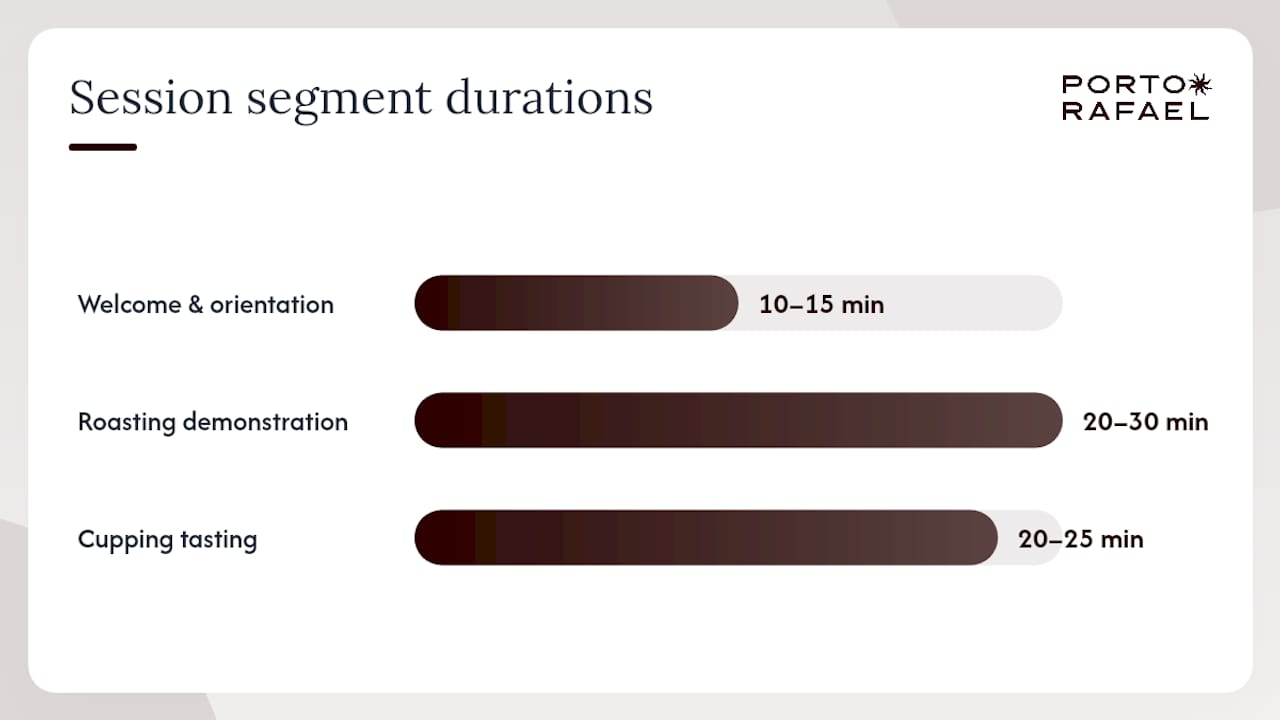
Welcome and orientation (10–15 minutes). You arrive at the roastery, meet your host, and receive a brief overview of the session. Expect a short introduction to the origins of the beans you will taste and a sensory warm-up: your host may ask you to smell a few dry grounds before anything is brewed, simply to calibrate your palate.
-
Roasting demonstration (20–30 minutes). This is the centrepiece of the experience. In an open-view roastery lab, you watch green beans transform through the Maillard reaction and into first crack. The active roasting window in a micro-roastery typically runs 12–15 minutes, and hosts use this time to explain roast development, colour change, and how roast level shapes the flavour in your cup. You will hear the beans, smell the shift from grassy to caramelised, and begin to understand why roast decisions matter as much as origin.
-
Cupping and comparative tasting (20–25 minutes). Three or more coffees are laid out for a structured tasting. You evaluate each one using the cupping protocol described in the next section: observe the colour, inhale the dry aroma, then slurp to coat the palate. Hosts translate the sensory language into everyday terms — chocolate, red fruit, floral brightness, clean acidity — so no prior knowledge is needed.
-
Hands-on espresso extraction (10–15 minutes). You step behind the machine. Your host walks you through grind size, water temperature, and extraction time — the three variables that determine whether an espresso sings or falls flat. You pull a shot yourself, taste it, and adjust. It is the moment most visitors describe as the one that changes how they think about their morning coffee at home.
-
Moka pot demonstration (10–15 minutes). The Moka pot is a cultural touchstone in Sardinia, as present in island kitchens as the espresso machine is in bars. Your host demonstrates the correct ratio, heat setting, and timing, then lets you brew a cup. The contrast with the espresso you just pulled is instructive and often surprising.
-
Q&A, wrap-up, and take-home (5–10 minutes). The session closes with open questions, tasting notes to keep, and a bag of freshly roasted beans to take away. Some providers include a certificate or a printed flavour-wheel card.
Pro Tip: Arrive with a neutral palate. Skip strong perfume or cologne on the day of the tour, avoid a heavy breakfast, and hold off on brushing your teeth with a strongly flavoured toothpaste immediately beforehand. Your sense of smell is your most important instrument in the cupping room.
Practical details: duration, booking, and what to expect
Before you reserve a place, it helps to know exactly what you are confirming. The table below summarises the typical logistics for a roastery-based Sardinian coffee experience.
| Detail | Typical specification |
|---|---|
| Duration | Approximately 90 minutes |
| Group size | Small group or private booking |
| Languages | Italian, English, Spanish |
| Inclusions | Tastings, roasting demo, hands-on brewing, take-home beans |
| Suitability | Adults and older teenagers; not ideal for very young children |
| Accessibility | Confirm directly with the provider for mobility requirements |
What to verify before confirming a booking:
- The session includes a live roasting demonstration, not just a tasting
- Your preferred language is confirmed, not just "available on request"
- The take-home bag is included in the listed price
- The meeting point is clearly stated (roastery address, not a general area)
- The cancellation policy is written, not verbal
Interest in artisanal coffee experiences in Sardinia has grown steadily, and high-season slots (June through September) fill quickly. Booking at least a week ahead during summer is prudent. Platforms such as GetYourGuide list verified experiences with standardised cancellation terms, which offers a useful layer of consumer protection alongside direct roastery bookings.
How to prepare and what etiquette to observe
Arriving prepared makes a real difference to what you take away from the session. A few practical steps and an awareness of local coffee customs will serve you well.
Before you go:
- Wear comfortable clothing; roastery environments can be warm during active roasting
- Avoid strong perfumes, colognes, or heavily scented hand creams on the day
- Mention any dietary requirements when booking (most sessions use whole milk for milk-based demos; alternatives are often available on request)
- Ask about decaffeinated options if caffeine is a concern; most providers can accommodate
- Eat a light breakfast rather than skipping food entirely; tasting on a completely empty stomach can skew your perception of acidity
Sardinian and Italian coffee etiquette worth knowing:
- Cappuccino is a morning drink. Ordering one after midday marks you immediately as a visitor; locals typically drink it before 11 AM
- Standing at the bar to drink your espresso is the norm and is often cheaper than sitting at a table
- Water is commonly served alongside coffee in Sardinia — it is not an afterthought but a palate-cleansing courtesy
- Asking for a "caffè" means an espresso; if you want something longer, specify "caffè americano" or "caffè lungo"
- Tipping at the bar is not expected in the way it is in the UK, though rounding up is appreciated
Who benefits most from a hands-on tasting? Anyone with genuine curiosity about flavour, from complete beginners to home baristas wanting to sharpen their technique. The experience is less suited to very young children or anyone with a strong aversion to caffeine, though hosts are generally accommodating.
Pro Tip: If you wear glasses, bring them. Reading the flavour-wheel card and observing the roast colour through the roaster's viewing window both benefit from clear vision.
Where to find and book a Sardinian coffee experience
The most reliable way to find a vetted session is to search directly on roastery websites and on global activity booking platforms. When reading a listing, look for these signals of quality:
- A named roastery location with a physical address
- Explicit mention of a live roasting demonstration (not just a tasting)
- Confirmed language options in the listing text
- Verified reviews from guests who describe the hands-on elements specifically
- A clear inclusions list that names the take-home component
Essentzia Coffee Project in Cagliari is the most prominent example of this format on the island. Describing itself as the only open-view roastery coffee lab in Sardinia, it roasts weekly and structures its 90-minute experience around teaching guests to brew at home as well as to taste with intention.
For seasonality, the shoulder months of April, May, and October offer the most comfortable conditions for a morning roastery visit. Summer sessions are equally available but book out faster; the growing interest in artisanal coffee tourism on the island means that spontaneous bookings in July and August are increasingly difficult to secure.
Why Sardinian coffee culture feels unlike anywhere else
Coffee in Sardinia is not simply a beverage. It is a social architecture, a series of small, repeated rituals that punctuate the day and signal hospitality, belonging, and pause. Locals speak of the morning espresso at the bar as a sacred moment, unhurried despite its brevity, and the afternoon Moka pot at home as an act of care rather than convenience.
What makes the island's coffee experiences distinctive is their focus on the roastery-to-cup connection. Sardinia has no large-scale coffee plantations — the island's climate does not support coffee cultivation — so experiences here centre entirely on the craft of roasting and brewing imported specialty beans. This is a meaningful distinction: you are not visiting a farm. You are entering a space where the artisan's skill is the story.
Portorafael understands this quality of Sardinian hospitality at a cellular level. The village of Porto Rafael, set along the luminous coastline of Gallura, has long been a place where authentic Sardinian warmth is not performed for tourists but simply lived. When Portorafael curates local experiences, it draws on that same ethos: unhurried, genuine, and rooted in the island's character.
Coffee, like food, is a portal into Sardinian identity. The best time to join a morning roastery session is between 9 AM and 11 AM, when the island's own coffee rituals are at their most vibrant and the roastery atmosphere mirrors the energy of the bars outside.
Pro Tip: After the session, walk to a local bar and order a caffè standing up. The contrast between what you have just learned and the quiet efficiency of a Sardinian barista pulling a shot is one of the most instructive moments of the whole experience.
What actually makes a Sardinian coffee session worth remembering
The difference between a forgettable tasting and a genuinely memorable one comes down to three things: the quality of the narration, the depth of the hands-on practice, and the host's ability to connect sensory language to lived experience.
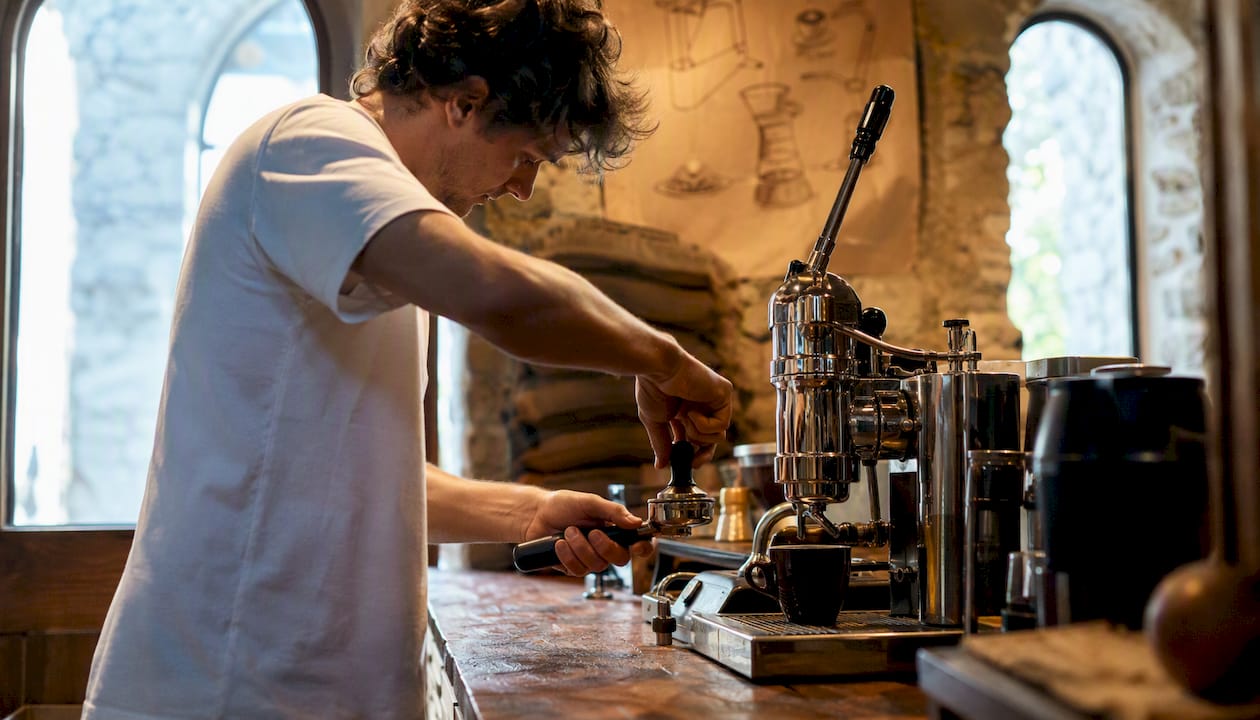
Most coffee tours offer tasting. Fewer offer the moment where you pull your own espresso shot, taste it, and understand — physically, not intellectually — why extraction time changes everything. That moment of embodied learning is what separates a cultural experience from a pleasant morning out.
When booking, prioritise sessions that include a live roasting demonstration over those that only offer cupping. The roasting stage is where coffee's transformation from raw bean to aromatic cup becomes visceral and unforgettable. Prioritise small groups over large ones. And if a local-language option is available alongside English, consider it: the host's natural register in Italian or Sardinian dialect carries a warmth that translation sometimes softens.
After the session, seek out artisanal Sardinian products to take home alongside your beans. Local pastries such as seadas or amaretti sardi pair beautifully with the coffees you have just tasted. For something more spirited, the Sardinian take on an Irish coffee — made with Cannonau barrique grappa and myrtle-flavoured cream — is a post-experience indulgence worth seeking out at a local bar.
Portorafael: your starting point for an authentic coffee experience
For visitors staying in or around Porto Rafael, Portorafael offers something that a booking platform alone cannot: local knowledge, curated logistics, and the kind of personal guidance that turns a good trip into a captivating one.
Portorafael facilitates access to vetted, hands-on Sardinian experiences — from roastery visits and wine tastings to cooking classes and coastal excursions — drawing on deep familiarity with Gallura's finest providers. Rather than navigating listings independently, you arrive knowing the experience has been chosen for its authenticity, its quality, and its fit with the unhurried pace that defines Porto Rafael. After the session, the Solaz restaurant offers a natural continuation: local cuisine, Sardinian flavours, and a table that feels like a reward. To begin planning your stay and reserve your experience, visit the Hotel La Piazza and enquire directly about availability and group size.
Useful sources and further reading
The facts and recommendations in this article draw on the following sources. Each is worth visiting directly for booking details, cultural context, or home-practice guides.
| Source | What it covers |
|---|---|
| Essentzia Coffee Project — Experience listing | Full itinerary, inclusions, duration, and booking details for the 90-minute Cagliari experience |
| Essentzia Coffee Project — Roastery page | Background on the open-view roastery lab concept and weekly roasting programme |
| Sardinian Coffee Culture — Ittiri | Cultural context: coffee as social ritual, Moka traditions, and local preferences |
| Drinking coffee in Sardinia — This is Italy | Visitor-facing etiquette column: cappuccino timing, pricing, and local customs |
| Perfect espresso at home — Essentzia blog | Technical guide to grind, temperature, and extraction for home practice |
| Coffee regions — AboutCoffee | Explains why Sardinia's experiences focus on roasting rather than plantation visits |
| Farm-to-coffee experiences — Sardinia Farm | Tourism trend context and seasonality guidance for artisanal coffee visits |
| Sardinian Irish Coffee — La Tazza d'oro | Post-experience recipe: local grappa and myrtle cream twist on a classic |
| What is cupping — Font Coffee Roasters | Accessible guide to the cupping protocol for home practice after the tour |
For curated booking assistance and accommodation in Porto Rafael, visit portorafael.it.