
TL;DR:
- Gastronomy tours are immersive experiences that connect travelers with local food cultures, traditions, and producers. They serve as economic, cultural, social, and environmental tools that enhance destination loyalty through authenticity and social interaction. These tours promote sustainable tourism, support local communities, and offer food enthusiasts meaningful cultural and culinary engagement.
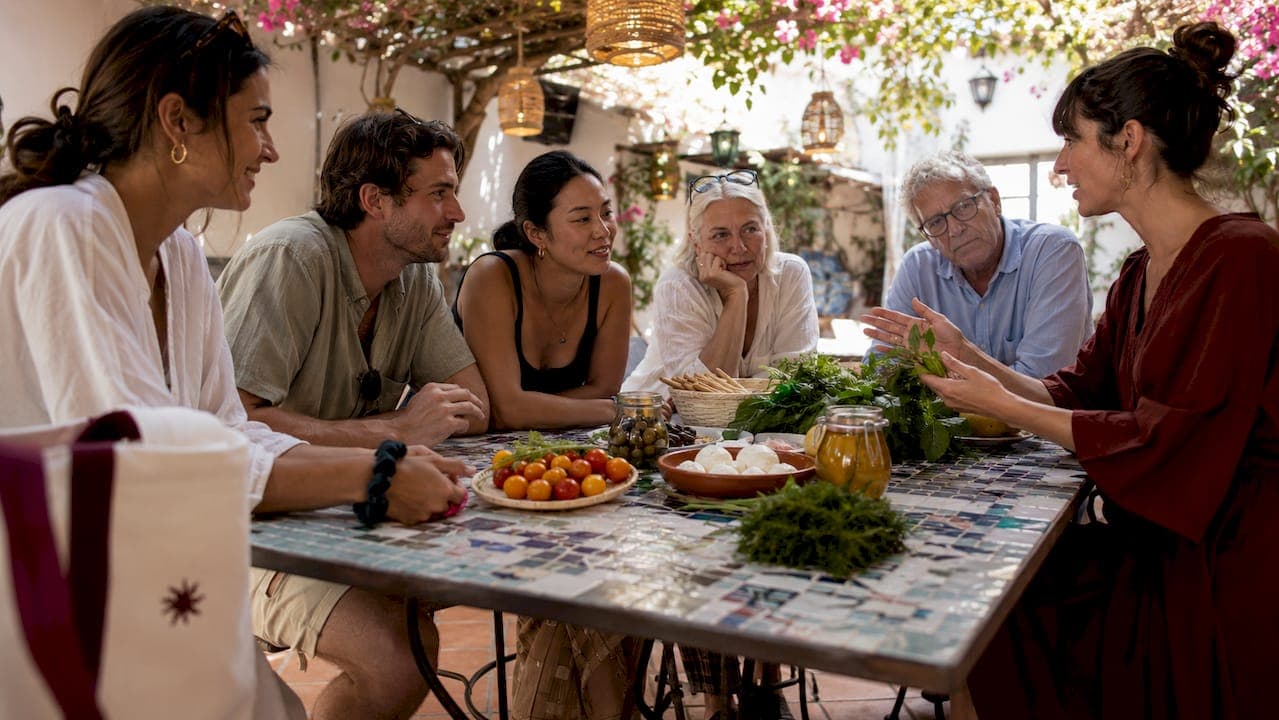
Gastronomy tours are defined as curated, immersive culinary journeys that connect travellers directly with local food cultures, producers, and traditions. Known in academic circles as gastronomic tourism or culinary tourism, they represent one of the most experiential forms of travel available today. Their role extends far beyond tasting menus. Gastronomy tours carry economic, cultural, social, and environmental significance for every destination they touch. For food and travel enthusiasts, they offer something no museum or guided walk can replicate: a living, edible portrait of a place and its people.
What is the role of gastronomy tours in modern travel?
Gastronomy tours serve four distinct roles simultaneously: economic engines, cultural transmitters, social connectors, and environmental advocates. Each role reinforces the others, making culinary tourism one of the most layered and rewarding forms of travel available.
Economically, gastronomy tours generate revenue for restaurants, local festivals, agrotourism operations, and small producers who would otherwise remain invisible to visitors. A traveller who joins a guided food tour in Gallura, Sardinia, is not simply eating. They are directing spending towards the very people who sustain the region's food heritage. Culturally, these tours transmit recipes, rituals, and agricultural knowledge that might otherwise fade. They give living traditions an audience and a reason to endure.
Socially, culinary tourism strengthens local identity by affirming that a community's food is worth celebrating. Environmentally, well-designed tours promote sustainable agriculture and biodiversity by connecting visitors with farm-to-fork producers who depend on healthy land. The importance of culinary tourism, therefore, is not a niche concern. It is a serious contributor to destination development at every level.
How do gastronomy tours enhance travel satisfaction and destination loyalty?
Research consistently identifies five dimensions that define a memorable gastronomy experience: authenticity, memorability, sensory quality, social interaction, and cultural learning. A systematic review of 48 studies confirms that these antecedents directly shape traveller satisfaction, willingness to pay, and intention to return. That finding matters because it tells operators and destinations exactly where to invest.
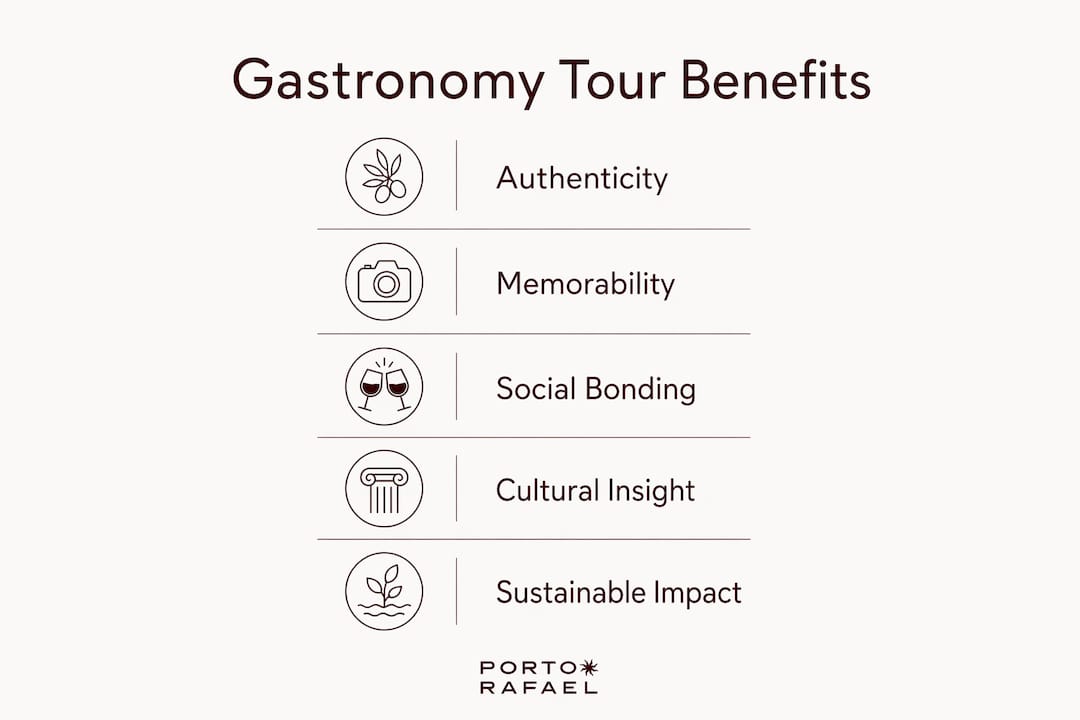
Authenticity sits at the top of the list. Travellers who feel they are eating what locals actually eat, prepared the way locals actually prepare it, report significantly higher satisfaction than those who suspect a dish has been softened for tourist palates. Memorability follows closely. A meal eaten in a Sardinian stazzo farmhouse, surrounded by the scent of myrtle and the sound of the wind off the Tyrrhenian Sea, is not forgotten. It becomes part of how a traveller describes the destination to others.
Sensory quality, social interaction, and cultural learning complete the picture. These dimensions do not operate in isolation. A tour that combines all five creates the kind of experience that drives revisit intention and genuine destination loyalty.
- Authenticity: Travellers rate experiences higher when food preparation reflects genuine local practice, not a sanitised version for visitors.
- Memorability: Unique settings and rituals create lasting impressions that translate into word-of-mouth recommendation.
- Sensory quality: Taste, aroma, texture, and visual presentation all contribute to overall satisfaction.
- Social interaction: Shared meals and conversations with producers and fellow travellers deepen the emotional connection to a place.
- Cultural learning: Understanding why a dish exists, not just how it tastes, transforms a meal into a meaningful encounter.
Pro Tip: Book tours that include a visit to a producer or market, not just a restaurant. Direct contact with the people behind the food is the single factor most strongly linked to lasting satisfaction.
How do gastronomy tours act as cultural mediators?
The most underappreciated function of a gastronomy tour is cultural mediation. A skilled guide does not simply point at food. They translate ingredients, sourcing, and social meaning into narratives that make a destination legible to an outsider. This interpretive work is what separates a culinary tour from a restaurant reservation.
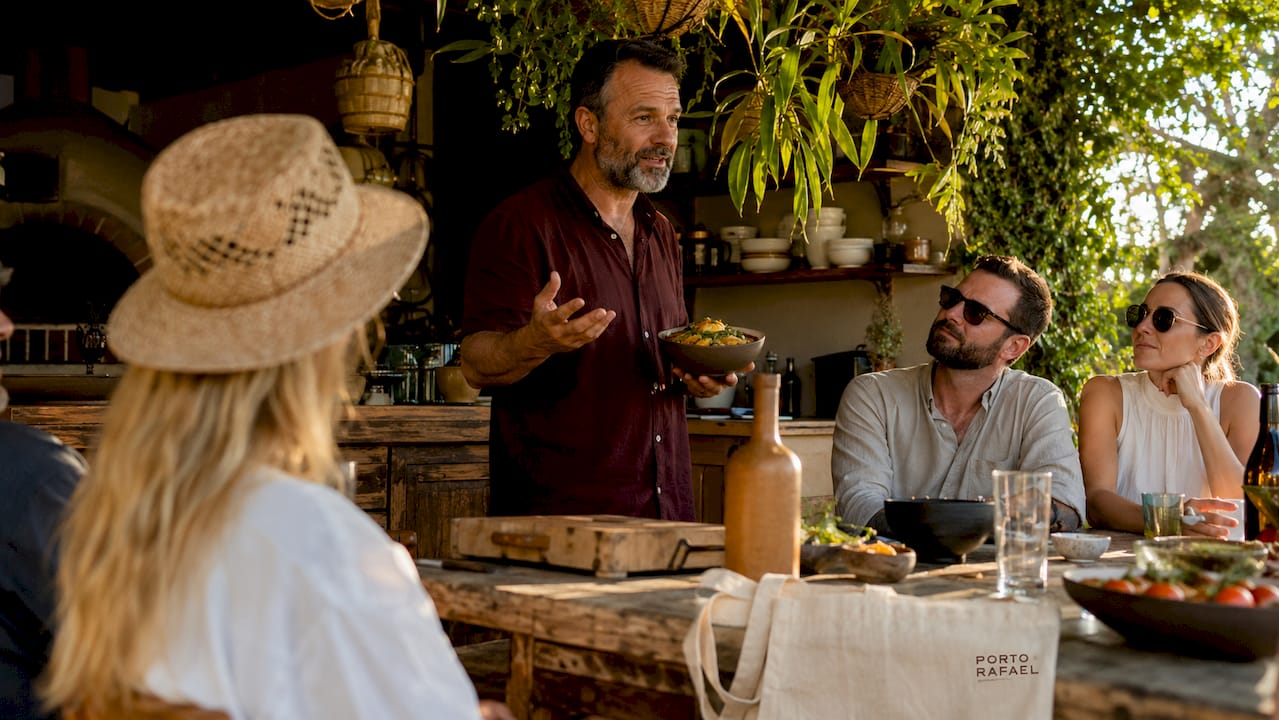
Consider the difference between eating bottarga, the cured fish roe prized across Sardinia, in a restaurant versus on a guided tour that explains its Phoenician origins, its role in the local fishing economy, and the precise coastal conditions that make Sardinian bottarga distinct from any other. The flavour is the same. The experience is entirely different. Context transforms consumption into comprehension.
Tour guides with interpretive skills and cultural sensitivity are the essential ingredient in this process. They frame seasonal rhythms, explain sourcing decisions, and connect individual dishes to wider social histories. Without that layer of interpretation, even the finest food remains opaque to a visitor who lacks the cultural vocabulary to read it.
Guided versus unguided culinary experiences differ in the following ways:
- Narrative depth: Guided tours provide historical and cultural context that self-directed eating cannot replicate.
- Producer access: Guides open doors to farms, cellars, and kitchens that are not publicly accessible.
- Sensory framing: A guide directs attention to specific flavours, textures, and aromas, sharpening the tasting experience.
- Social cohesion: Group dynamics fostered by a skilled guide create bonds between travellers that enhance overall wellbeing.
- Cultural sensitivity: Guides navigate local customs and etiquette, preventing misunderstandings and deepening respect.
Pro Tip: When choosing a culinary tour, ask specifically about the guide's background. A guide with roots in the local food community will offer a depth of interpretation that no script can replicate. Portorafael's approach to Sardinian hospitality reflects exactly this philosophy.
In what ways do gastronomy tours support sustainable tourism?
Sustainable gastronomic tourism is organised around local ecosystems and farm-to-fork principles, requiring careful management to deliver genuine environmental and social impact. The concept sounds straightforward. The execution is considerably more demanding.
Co-creation is the mechanism that makes sustainability real. When local farmers, fishermen, chefs, and community leaders are involved in designing a tour, the experience retains cultural continuity and keeps economic value within the destination. An empirical case study from a UNESCO Creative City of Gastronomy demonstrates that inclusive design processes produce measurably better sustainability outcomes than top-down tour packages imposed by outside operators.
The tension between authenticity and commercialisation is the central challenge. Research identifies a real risk of cuisine standardisation, where dishes are modified to meet tourist expectations until they no longer reflect local practice. Governance and careful tour design protect cultural meaning and support long-term value. Destinations that allow commercialisation to erode authenticity ultimately undermine the very quality that attracted visitors in the first place.
| Approach | Cultural authenticity | Economic benefit | Environmental impact |
|---|---|---|---|
| Co-created local tours | High | Retained within community | Supports biodiversity |
| Externally managed packages | Variable | Partially exported | Often unaddressed |
| Unguided self-directed eating | Low | Dispersed | Neutral |
| Farm-to-fork guided experiences | Very high | Concentrated locally | Actively positive |
The table above illustrates why the design of a gastronomy tour matters as much as its content. A well-governed tour that involves local actors at every stage delivers benefits that extend well beyond the traveller's plate.
What practical benefits do gastronomy tours offer food and travel enthusiasts?
The practical benefits of food travel are tangible, personal, and often surprising. Local food experiences positively affect mental wellbeing by fostering social interaction, a sense of belonging, and pleasure that goes beyond the purely sensory. That finding reframes the gastronomy tour as something closer to a wellness experience than a simple outing.
For food and travel enthusiasts, the benefits include:
- Authentic food discovery: Gastronomy tours reveal dishes, ingredients, and preparations that never appear on mainstream restaurant menus. In Sardinia, this might mean encountering su filindeu, a pasta so rare that only a handful of women in Nuoro still know how to make it.
- Cultural immersion: Food is the fastest route into a culture's values, history, and social structure. A single shared meal can communicate what days of sightseeing cannot.
- Mental wellbeing: Social bonding during tours enhances eudaimonic wellbeing, the deeper sense of meaning and connection that distinguishes a memorable holiday from a forgettable one.
- Sensory and emotional memory: The combination of taste, smell, setting, and human connection creates memories that endure long after photographs fade.
- Support for local communities: Every purchase made on a well-designed tour reaches the producers, farmers, and artisans who sustain a region's food culture.
The role of local gastronomy in shaping travel identity is growing. Food and travel enthusiasts increasingly seek experiences that leave them changed, not merely entertained. Gastronomy tours, at their best, deliver precisely that.
Why cultural mediation is the heart of every great food tour
The most common mistake food and travel enthusiasts make is treating a gastronomy tour as an upgraded restaurant visit. The food matters, of course. But the real value lies in what surrounds it: the story, the person telling it, and the community that made it possible.
Having spent considerable time exploring culinary tourism across Mediterranean destinations, I am convinced that the guide is the tour. A technically perfect tasting menu served without context is a pleasant meal. The same dishes explained by someone who grew up eating them, who knows the farmer who grew the olives and the fisherman who caught the bream, become something altogether different. They become a form of belonging.
The research supports this instinct. Authenticity and social interaction are the two dimensions most strongly linked to destination loyalty. Not the quality of the wine. Not the elegance of the setting. The feeling that you were genuinely welcomed into something real. Destinations that understand this invest in their guides as much as their kitchens.
Sustainability is the other dimension that separates good tours from great ones. A tour that enriches the traveller while extracting value from the community is not a cultural experience. It is a transaction. The tours worth seeking out are those built with local actors, rooted in seasonal rhythms, and honest about what they are offering. Sardinia, with its ancient pastoral traditions and fiercely protected food heritage, is one of the few places in the Mediterranean where this standard is still genuinely achievable.
— Studio
Taste Sardinia's culinary heritage at Portorafael
Porto Rafael, the rare gem of Gallura on Sardinia's northern coast, offers food and travel enthusiasts a setting where culinary tourism feels entirely natural. The village's character, unhurried and deeply rooted in local tradition, makes every meal a form of cultural encounter.
Portorafael's Solaz Restaurant brings the finest local produce to the table with a commitment to seasonal, Sardinian flavours that reflects the farm-to-fork principles at the heart of meaningful gastronomic travel. For those who wish to explore the full breadth of what Porto Rafael offers, the gastronomy experiences at the village span gourmet dining, artisan gelato, and cocktails crafted with local botanicals. You can also discover the true flavours of Sardinia through the village's wider dining community, where every table tells a story worth hearing.
FAQ
What are gastronomy tours?
Gastronomy tours are guided culinary experiences that connect travellers with local food cultures, producers, and traditions through immersive, context-rich encounters. They differ from standard restaurant visits by providing cultural interpretation alongside the food itself.
Why is culinary tourism important for destinations?
Culinary tourism generates economic revenue, transmits cultural heritage, strengthens social identity, and promotes sustainable agriculture. These combined effects make it one of the most impactful forms of tourism for local communities.
How do gastronomy tours build destination loyalty?
Research shows that authenticity and social interaction are the dimensions most strongly linked to revisit intention and destination loyalty. Tours that deliver genuine cultural encounters create lasting emotional connections to a place.
What makes a gastronomy tour sustainable?
Sustainable tours involve co-creation with local actors, follow farm-to-fork principles, and are governed in ways that protect cultural authenticity from commercial pressure. The economic benefit stays within the destination community.
Can gastronomy tours improve mental wellbeing?
Local food experiences positively affect mental wellbeing by fostering social bonding, a sense of belonging, and meaningful pleasure. The social dimension of a shared culinary experience contributes to the deeper satisfaction that distinguishes memorable travel.