
TL;DR:
- Scenic exploration emphasizes slow travel focused on natural landscapes as the main destination rather than just a backdrop. It promotes immersive experiences, mindful observation, and emotional connection, contrasting with faster sightseeing or cruises. Planning involves choosing varied landscapes, prioritizing view-focused travel modes, and allowing ample time at viewpoints to deepen the experience.
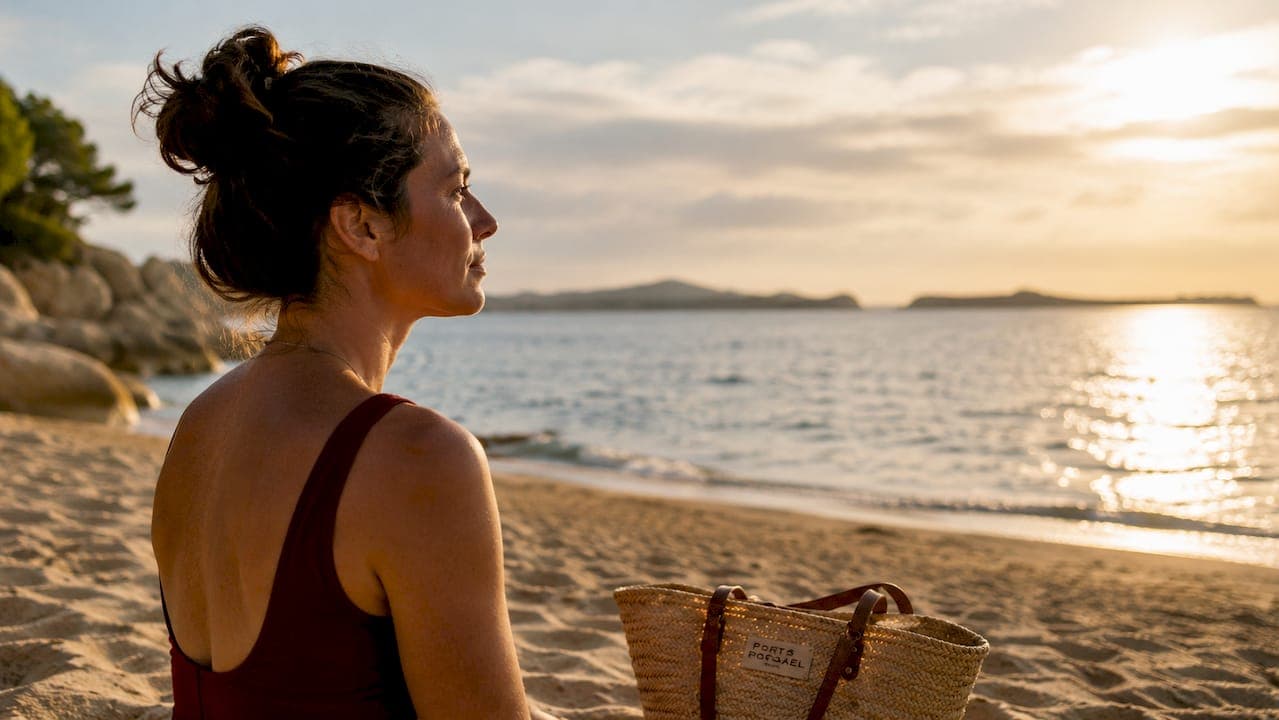
Scenic exploration is defined as the deliberate practice of slowing down to experience natural landscapes with full attention, choosing routes and stopping points for the quality of their views rather than for convenience or speed. Unlike standard sightseeing, it treats the scenery itself as the destination. Rooted in the traditions of slow travel and expedition-style journeys, scenic exploration prioritises immersion, mindful observation, and emotional connection over ticking off attractions. For adventure travellers seeking something more meaningful than a rushed itinerary, it offers a profoundly different way to encounter the world's most beautiful places.
What is scenic exploration and how does it differ from sightseeing?
Scenic exploration is travel focused on natural landscapes, planned around time spent at viewpoints, on foot, and in deliberate stillness rather than moving between accommodation or meals. The scenery is the primary activity, not the backdrop. This distinction separates it clearly from conventional tourism, where landscapes are often glimpsed between cultural stops or restaurant bookings.
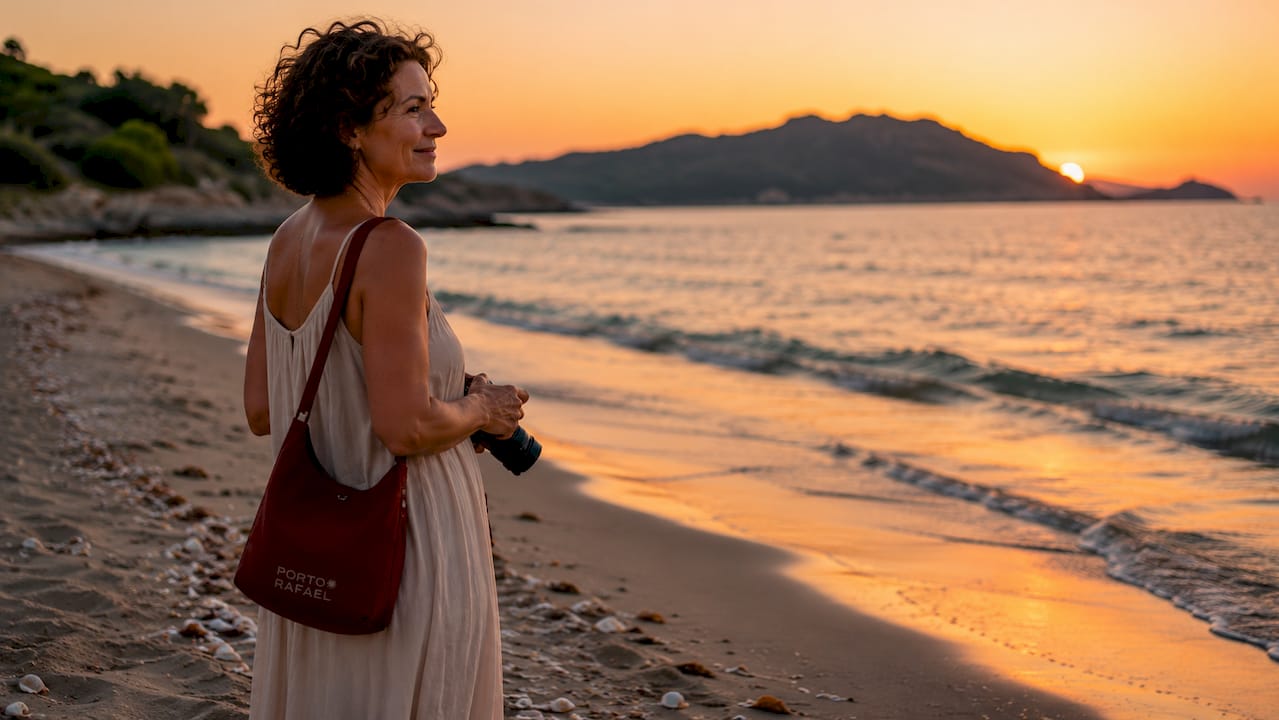
Standard sightseeing follows a checklist logic. Travellers arrive, photograph, and move on. Scenic exploration inverts that rhythm entirely. The goal is time-on-view: watching light shift across a granite headland, following a coastal path as the sea changes colour, or sitting quietly at a mountain pass until the mist clears. The experience cannot be replicated by a photograph.
Expedition travel, as practised by operators such as Rivers & Roads, takes this further. It emphasises immersive connection through expert-guided, slower journeys where logistics are handled so travellers can focus entirely on the landscape and what they are learning from it. This model represents scenic exploration at its most intentional.
The table below shows how scenic exploration compares to destination cruising and conventional travel.
| Approach | Primary focus | Pacing | Shore or stops |
|---|---|---|---|
| Scenic exploration | Landscape immersion | Slow, deliberate | Chosen for views |
| Destination cruising | Cultural shore excursions | Moderate | Ports and activities |
| Conventional travel | Attractions and logistics | Fast | Accommodation and meals |
| Scenic cruising | Sustained landscape viewing | Slow | Minimal shore stops |
Scenic cruising prioritises serene, uninterrupted views from the water, while destination cruising balances scenery with port activities. Both differ from scenic exploration on land, but all three share the principle that the quality of what you see matters more than how much you cover.
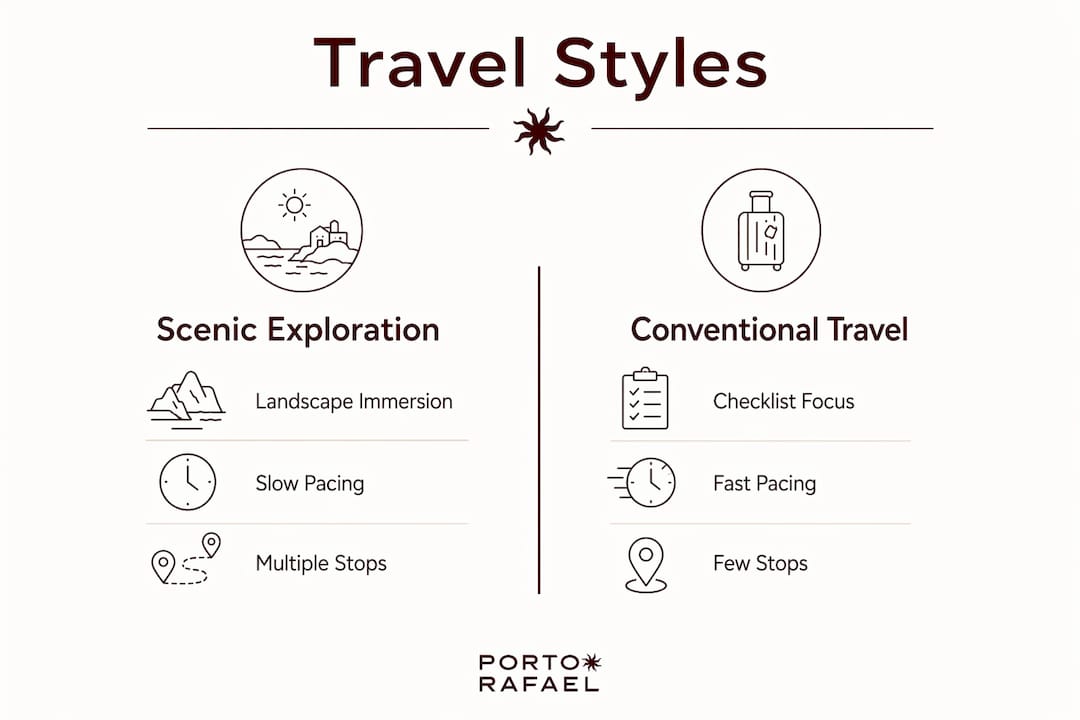
Pro Tip: When comparing travel styles, ask yourself one question before booking: is the scenery the reason for the route, or merely the setting for it? If it is the latter, you are planning a holiday. If it is the former, you are planning scenic exploration.
What are the main benefits of scenic exploration for travellers?
The benefits of scenic exploration extend well beyond aesthetic pleasure. Slow travel through natural settings produces measurable emotional benefits including tranquility, reduced mental fatigue, and a restored sense of calm. Researchers describe this as environmental restorativeness: the capacity of natural surroundings to replenish cognitive and emotional resources depleted by daily life.
The psychological mechanism behind this is well established. Natural environments reduce cognitive load, offering the mind a gentler, less demanding form of attention. Cities and screens demand constant reactive focus. A panoramic coastal view or a forest trail asks nothing of you. That contrast is where restoration happens.
Brief exposure to awe-inspiring scenery produces real physiological change. Just 15 minutes in nature can significantly reduce stress and improve mental health by inducing calm physiological responses. That finding reframes how travellers should think about planning. A single unhurried hour at a clifftop viewpoint may deliver more genuine benefit than a full day of rushed sightseeing.
The core benefits of scenic exploration include:
- Mental restoration: Natural environments replenish attention and reduce the mental fatigue associated with urban life and screen exposure.
- Stress reduction: Even short periods of awe in natural settings lower physiological stress markers.
- Emotional calm: Travellers consistently report feelings of serenity and reduced anxiety after slow, nature-focused journeys.
- Heightened presence: Deliberate pacing encourages genuine attention to surroundings, deepening the quality of the travel memory.
- Physical engagement: Walking trails, coastal paths, and water-based routes combine scenic value with gentle physical activity.
These benefits align directly with why adventure travellers are drawn to nature in Sardinian travel and similar destinations where landscape is the defining feature of the experience.
What are scenic routes and adventure ideas for immersive experiences?
Scenic routes are paths, waterways, or roads chosen specifically because the views they offer are the primary reason to travel them. They differ from efficient routes by design. The most rewarding scenic adventure ideas share one quality: they change your vantage point repeatedly, revealing the same landscape from different angles and in different light.
Water-based routes are particularly powerful for this reason. Travel modes like water-based routes afford wider, more open perspectives than land-only travel. A boat moving along a coastline reveals cliff formations, sea caves, and hidden coves that no road can access. The Gallura coastline in northern Sardinia is a compelling example, where granite boulders sculpted by wind and sea create a panoramic theatre visible only from the water.
Walking trails offer a different quality of immersion. Coastal paths, mountain ridges, and forest tracks place travellers directly inside the landscape rather than observing it from a distance. Guided naturalist tours add another layer, with expert commentary translating what you see into deeper understanding of geology, ecology, and local heritage. Exploring Gallura by bike is another way to move through the landscape at a pace that allows genuine observation.
Scenic adventure ideas worth considering include:
- Coastal walking routes along clifftops or shorelines where the sea provides a constantly changing foreground.
- Boat excursions along fjords, archipelagos, or island coastlines for open-water perspectives.
- Mountain or highland drives on roads built for views rather than speed, such as high-altitude passes in the Alps or the Gennargentu range in Sardinia.
- Sunrise and sunset viewpoint visits timed to catch the most dramatic natural light on a particular landscape.
- Guided expedition walks led by naturalists or local experts who interpret the environment as you move through it.
- Surf and ocean activities along wild Atlantic coastlines, such as those offered by surf camps in Portugal, where the ocean itself becomes the immersive landscape.
Pro Tip: Plan at least one water-based element into any scenic exploration itinerary. The shift in vantage point from land to water transforms familiar coastlines into entirely new landscapes, often revealing details invisible from the shore.
How to plan your scenic exploration trip for maximum enjoyment
Planning a scenic exploration trip requires a different logic from standard holiday planning. The goal is not to maximise the number of places visited. The goal is to maximise the quality of time spent within each landscape.
Follow these steps to build an itinerary that delivers genuine immersion:
- Choose a region with landscape variety. The most rewarding scenic destinations offer contrast: coastline and interior, open water and dense forest, flat plains and elevated viewpoints. Gallura in Sardinia combines granite wilderness, turquoise sea, and ancient pastoral landscapes within a compact area.
- Build in time-on-view. Itineraries that include time-on-view allow travellers to experience changing light and shifting perspectives rather than simply arriving and leaving. Allocate at least one hour at each major viewpoint, ideally at sunrise or late afternoon.
- Select travel modes that enhance the view. Trains, boats, and walking paths outperform cars and coaches for scenic quality. Where driving is necessary, choose secondary roads over motorways.
- Engage expert or local guides. Expedition travel with expert guidance allows travellers to focus entirely on the landscape rather than logistics. A knowledgeable guide transforms a beautiful view into a meaningful experience by providing context.
- Integrate micro awe moments. Short, unscheduled pauses of 15 minutes in a particularly striking natural setting produce genuine restorative benefits. Build these into the day as deliberate rituals rather than accidental stops.
- Limit daily distances. Covering less ground each day is not a compromise. It is the defining feature of scenic exploration. Fewer kilometres travelled with full attention consistently produces richer memories than long drives between distant highlights.
- Prioritise seasonal timing. Spring and autumn offer softer light, fewer visitors, and more dramatic atmospheric conditions than peak summer. In Mediterranean destinations like Sardinia, late may and early october deliver exceptional scenic quality.
The relaxation tourism philosophy aligns closely with this approach, treating the journey itself as a restorative experience rather than a means to an end.
Why scenic exploration is the most honest form of travel
Most travellers return from holidays with photographs but not always with memories that feel genuinely earned. The places they visited were beautiful, but the pace was wrong. They moved too quickly to absorb what they saw, and the landscape never quite had time to settle into something meaningful.
Scenic exploration corrects that. When you slow down enough to watch the light change on a granite cliff or follow a coastal path to a viewpoint that took an hour to reach, the landscape becomes personal. It belongs to you in a way that a photograph from a coach window never does. That is not a romantic notion. It is a practical observation about how memory and meaning are formed.
The travellers I find most interesting are not those who have visited the most countries. They are those who can describe a single afternoon on a Sardinian headland in enough detail to make you feel the wind. Scenic exploration produces that kind of travel. It is slower, more demanding of attention, and considerably more rewarding for it. The role of nature in luxury escapes is not decorative. It is the entire point.
— Studio
Porto Rafael: where scenic exploration finds its natural home
Porto Rafael, the rare gem of Gallura in northern Sardinia, offers adventure travellers an ideal base for immersive scenic exploration of one of the Mediterranean's most captivating coastlines.
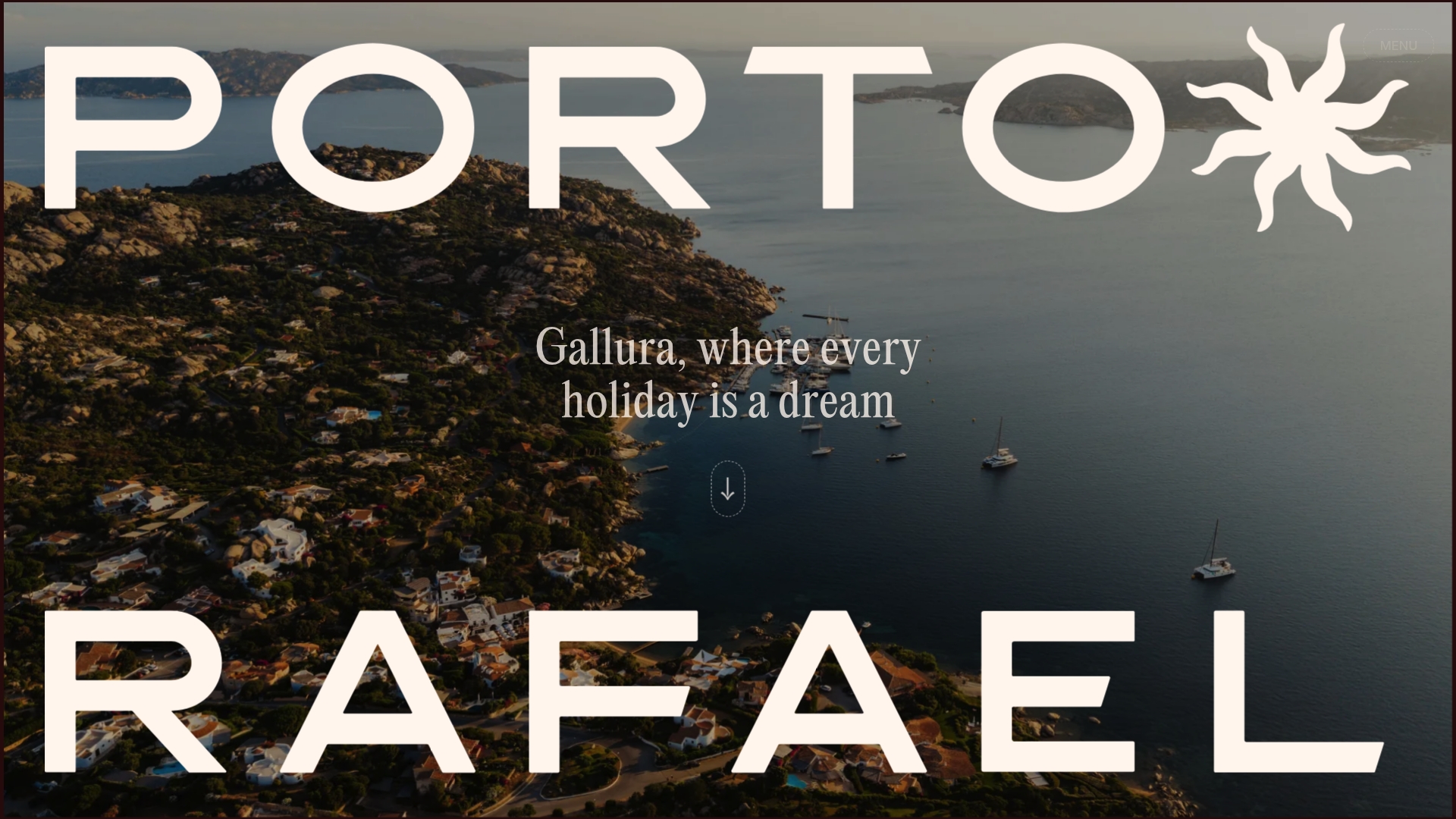
Hotel La Piazza is an adults-only boutique hotel positioned within the village, where panoramic sea views and the tranquil rhythm of Gallura life set the tone for each day. After a morning on the water or a coastal walk through granite-sculpted terrain, the Solaz Restaurant offers gourmet Sardinian cuisine that reflects the same reverence for place and quality that defines the best scenic travel experiences. Portorafael brings together landscape, culture, and refined hospitality in a setting where the scenery is never incidental.
FAQ
What is scenic exploration in simple terms?
Scenic exploration is travel planned around experiencing natural landscapes deliberately, with slow pacing and intentional stops chosen for their views rather than convenience. The scenery is the primary purpose of the journey, not a backdrop to other activities.
How does scenic exploration differ from scenic cruising?
Scenic cruising involves viewing landscapes from a vessel with minimal shore stops, while scenic exploration encompasses any mode of travel, including walking, driving, and boating, where immersive landscape experience is the defining goal.
What are the main benefits of scenic exploration?
The main benefits include reduced stress, mental restoration, emotional calm, and heightened presence. Research shows that even 15 minutes in an awe-inspiring natural setting produces measurable reductions in physiological stress.
What are good scenic adventure ideas for first-time explorers?
Coastal walking routes, guided naturalist walks, boat excursions along island coastlines, and sunrise viewpoint visits are all strong starting points. Choosing a region with landscape variety, such as Gallura in Sardinia, maximises the range of scenic experiences available.
How do I plan a scenic exploration trip effectively?
Build your itinerary around time-on-view rather than distance covered. Choose travel modes that prioritise the view, engage local or expert guides, and schedule deliberate pauses at key viewpoints during the best natural light of the day.