
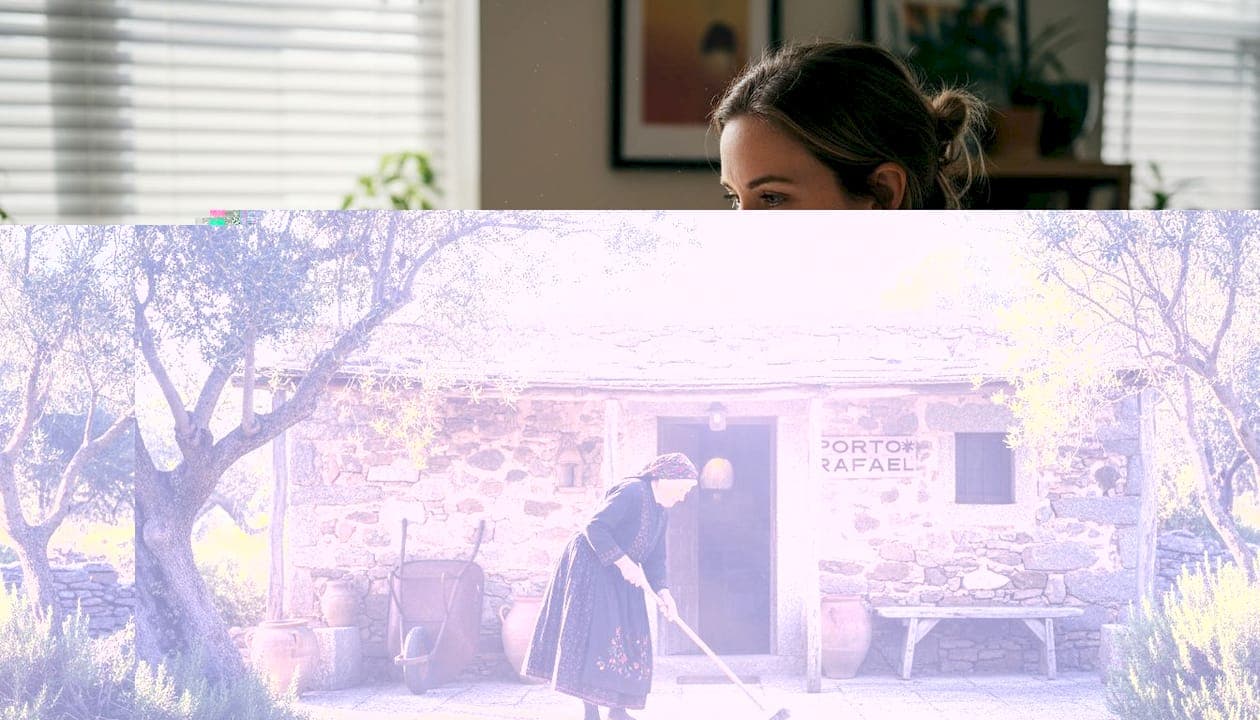
TL;DR:
- Gallura has a distinct Corsican-influenced culture, language, and architecture.
- Traditional stazzi farmhouses and festivals are central to Gallura's heritage and community life.
- Visiting towns like Aggius and Tempio Pausania offers authentic cultural experiences and sustainable tourism opportunities.
Many travellers arrive in Sardinia expecting a single, unified island culture, only to discover that the north-eastern region of Gallura feels almost like a world apart. Its language, architecture, and traditions carry echoes of Corsica rather than the Sardinian mainland, producing a cultural landscape that genuinely surprises even seasoned Mediterranean explorers. This distinction is not merely academic. For those seeking a luxury holiday enriched by authentic heritage, Gallura offers something rare: a living culture with deep roots, vibrant festivals, and a pastoral way of life still quietly unfolding across granite highlands and turquoise coastlines.
Key Takeaways
| Point | Details |
|---|---|
| Gallura’s distinct identity | Gallura stands apart from the rest of Sardinia due to its Corsican-influenced language and unique traditions. |
| Stazzi and rural culture | The stazzo farmhouse is at the heart of Gallura’s rural heritage, with modern preservation efforts helping to keep traditions alive. |
| Living culture for travellers | Festivals, cuisine, and warm hospitality offer immersive ways for visitors to experience authentic Gallurese life. |
| Sustainable tourism | Key Gallura towns like Aggius and Tempio Pausania lead efforts in combining cultural preservation with responsible tourism. |
Gallura's linguistic and cultural roots: what sets it apart
Gallura occupies the north-eastern corner of Sardinia, yet its origins pull persistently toward Corsica rather than the island it sits upon. This tension between geography and heritage is precisely what makes Gallura so captivating. The region was shaped by waves of migration from Corsica during the medieval period, and those settlers brought their language, customs, and worldview with them, embedding them so thoroughly that they endured for centuries.
The clearest evidence of this separation lies in Gallurese itself. Unlike Sardinian dialects spoken elsewhere on the island, Gallurese is Corsican-influenced, a linguistic offshoot entirely distinct from standard Sardinian, spoken by approximately 80,000 to 100,000 people. That figure is modest by European standards, yet the language carries extraordinary cultural weight, encoding place names, farming practices, and social rituals that would otherwise be lost entirely.
"Gallura's identity is not a variation of Sardinia; it is a parallel world, shaped by different migrations, different voices, and a different relationship with the land."
This linguistic difference reflects broader cultural divergences. Gallurese architecture favours the low granite stazzo farmhouse over the more ornate rural structures found in Barbagia or Campidano. Social customs around hospitality, land use, and seasonal celebration also differ markedly. Even the pastoral economy, historically centred on sheep and goat herding across granite uplands, evolved along distinct lines compared to the agricultural lowlands of southern Sardinia.
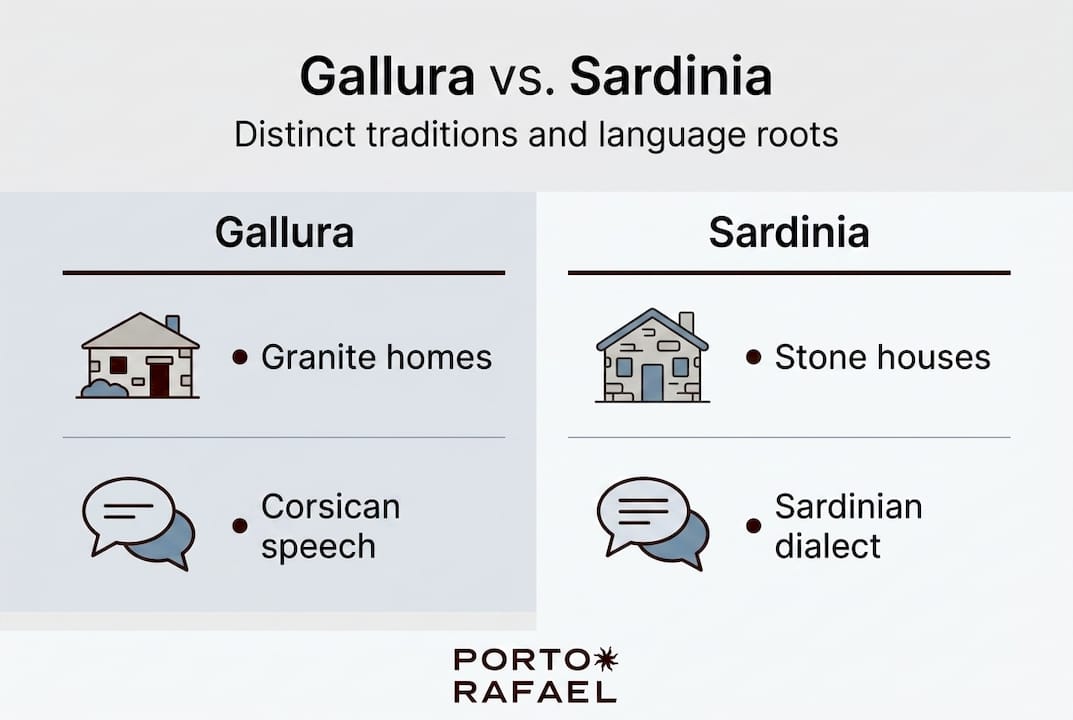
| Feature | Gallura | Rest of Sardinia |
|---|---|---|
| Language base | Corsican-influenced Gallurese | Sardinian (Logudorese, Campidanese) |
| Rural dwelling | Granite stazzo farmhouse | Varied regional architecture |
| Pastoral tradition | Transhumant herding on highlands | Mixed farming and herding |
| Cultural affinity | Corsican and Ligurian | Indigenous Nuragic and Latin |
Understanding these roots is essential for any traveller who wishes to move beyond surface impressions. Exploring Sardinian village heritage reveals just how layered and distinct each region truly is. For a deeper sense of what makes this corner of the island so rewarding, the full range of Gallura cultural experiences offers an excellent starting point.
Stazzi and rural heritage: preserving tradition amid change
No symbol speaks more eloquently of Gallurese identity than the stazzo. These traditional granite farmhouses, low-lying and sturdy, were built to endure the exposed highland climate and to anchor family life across generations. Each stazzo functioned as a self-sufficient unit, housing the family alongside their animals, tools, and seasonal stores. They were not simply dwellings but entire ecosystems of rural life.
The stazzo tradition shaped Gallurese customs profoundly. Seasonal patterns of herding, cheese-making, and land cultivation were all organised around the rhythms of stazzo life. Extended family networks formed around neighbouring farmsteads, creating tight-knit communities bonded by mutual dependence and shared labour. This social fabric gave Gallura its characteristic sense of warmth and hospitality, values that still feel present today.
| Aspect | Stazzo (Gallura) | Typical Sardinian rural dwelling |
|---|---|---|
| Material | Local granite | Stone and terracotta |
| Function | Farmstead and family home | Primarily residential |
| Social role | Extended family hub | Village-centred community |
| Conservation status | Endangered, revival underway | Varied |
Yet the stazzo tradition has faced significant pressure. Urbanisation throughout the twentieth century drew younger generations away from highland farming, leaving many stazzi abandoned or in disrepair. The Gallurese language itself fell into decline alongside rural life, and with it, much of the oral tradition that gave the stazzo its cultural meaning.
Recovery is now underway. Stazzi are being revived through tourism and cultural programmes, and a regional €38 million preservation plan includes Gallura villages as central to sustainable cultural tourism. Local schools have also begun teaching Gallurese, ensuring the language finds new voices.
Visitors can experience this heritage respectfully by choosing to:
- Visit restored stazzi that welcome guests for guided tours or farm stays
- Seek out locally produced cheeses, cured meats, and bread tied to traditional stazzo methods
- Attend cultural workshops that teach Gallurese crafts and land practices
- Support artisan producers whose work continues stazzo-era traditions
Pro Tip: Choose accommodation or day experiences that operate from restored stazzi rather than purpose-built tourist facilities. The atmosphere, the food, and the stories you encounter will feel genuinely different.
The extraordinary Gallura stazzi architecture deserves a dedicated exploration, and for those wishing to visit an authentic example, Stazzo heritage at Porto Rafael provides a beautifully preserved encounter with this enduring tradition.
Celebrating Gallura: festivals, gastronomy, and hospitality
Tradition springs to life most vividly in Gallura's festivals and at its tables. Far from being historical curiosities, these celebrations are living expressions of identity, drawing communities together and offering visitors a genuinely moving window into Gallurese character.
Festivals in Gallura tend to follow the Catholic liturgical calendar, yet they carry local customs layered on top of universal religious observances. The Feast of the Assumption in mid-August, celebrated with processions and communal feasting in towns such as Tempio Pausania and Aggius, feels entirely distinct from similar events elsewhere on the island. Costumed parades, traditional music played on launeddas (ancient Sardinian pipes), and folk dances bind the entire community together in a spectacle that no stage could adequately replicate.
Gallurese gastronomy is equally distinctive. Four dishes every visitor should seek out:
- Suppa cuatta (or zuppa gallurese): A layered bread and cheese dish baked with broth, rich and warming, unlike anything in the wider Sardinian canon.
- Porcetto arrosto: Spit-roasted suckling pig, a ceremony as much as a meal, prepared outdoors with wood fire and patience.
- Casizolu and local pecorino: Cheeses produced from sheep grazing the granite highlands, carrying the flavour of wild herbs and clean air.
- Seadas: Fried pastry parcels filled with cheese and drizzled with local honey, a dessert that encapsulates Gallurese contrasts of savoury and sweet.
The Sardinian hospitality that characterises this region is not merely a professional courtesy. It is a cultural value, rooted in the stazzo tradition of welcoming travellers across long, isolated distances. Sitting at a Gallurese table is an act of genuine connection.
A €38m regional investment in Sardinian cultural villages signals that these living traditions will be actively supported rather than left to fade. For luxury travellers, this means the experiences on offer are growing richer. A Sardinian cooking class offers hands-on access to Gallurese recipes, while a tasting tour built around the celebrated Vermentino wine region pairs beautifully with the region's gastronomy.
Pro Tip: Time a visit to coincide with a local sagra (food festival) for the most unfiltered glimpse of Gallurese communal life. These informal gatherings rarely appear in mainstream travel guides, but locals know them well.
For those curious about what makes this corner of the Mediterranean so rewarding, the wider appeal of Gallura luxury travel and Sardinia culture and luxury together paint a compelling picture.
Gallura's towns: champions of sustainable culture and tourism
To see Gallura's living traditions firsthand, a visitor need look no further than its most culturally proactive towns. Aggius and Tempio Pausania stand at the forefront, each offering a distinct but complementary encounter with Gallurese heritage.
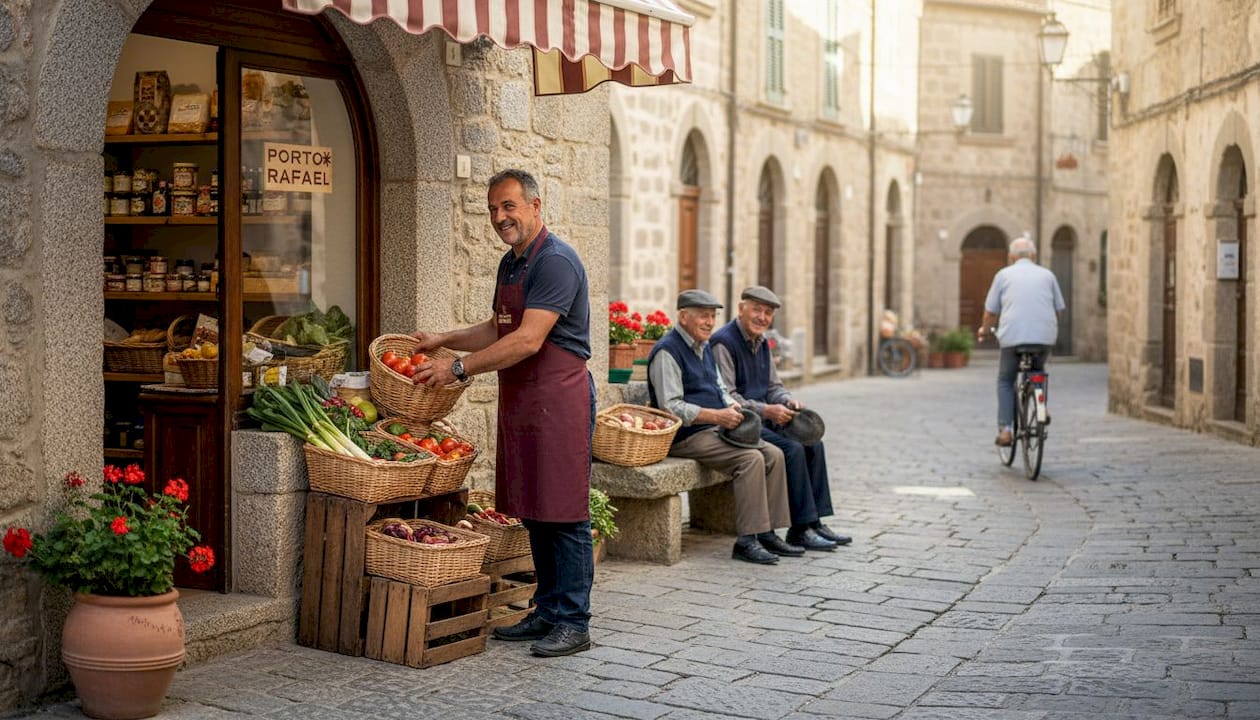
Aggius sits in the granite highlands south-west of Porto Rafael, a small town renowned for its remarkable polyphonic choral tradition and its museum dedicated to brigandage, the outlaw culture that shaped Gallurese myth and identity through the nineteenth century. The town's stone lanes, framed by enormous rounded boulders, create a landscape that feels sculpted by centuries of storytelling.
Tempio Pausania, the historical capital of Gallura, offers a richer urban experience. Its medieval quarter retains cobbled streets, Romanesque churches, and a palpable sense of civic pride. The town also hosts one of Sardinia's most celebrated carnival traditions, a joyful and irreverent spectacle that attracts visitors from across the island.
Both towns are included in Sardinia's €38m sustainable tourism plan, which targets cultural preservation alongside visitor infrastructure.
| Town | Key attraction | Cultural highlight |
|---|---|---|
| Aggius | Valle della Luna (Valley of the Moon) | Polyphonic choral tradition |
| Tempio Pausania | Medieval historic quarter | Carnival and local festivals |
Opportunities for responsible visitors include:
- Attending choral performances in Aggius's central square on summer evenings
- Exploring the ethnographic museum in Aggius to understand stazzo life in depth
- Joining guided walks through Tempio Pausania's old town with local guides
- Shopping at artisan markets that support Gallurese craft producers directly
Exploring Sardinian village discovery offers further insight, and Porto Rafael makes an ideal base from which to reach both towns comfortably within a day.
Why Gallura's living culture rewards the curious traveller
There is a temptation, even among experienced travellers, to treat culture as scenery: something pleasant to observe from a comfortable distance. Gallura resists this approach. Its traditions are not performed for tourists; they evolved over centuries for the community's own sustenance and meaning. A visitor who arrives with genuine curiosity, who asks questions, accepts an invitation to a table, or pauses to listen to a choir, will find something that no amount of five-star comfort can manufacture.
The deeper truth is that luxury and cultural depth are not opposites. The most memorable experiences in Gallura tend to combine both: a beautifully restored stazzo, a glass of chilled Vermentino at dusk, a conversation with a cheese-maker whose family has worked the same land for generations. These moments reward the curious far more generously than passive sightseeing ever could. Gallura does not ask you to be an anthropologist. It simply invites you to pay attention.
Experience Gallura's heritage: travel in comfort and authenticity
For travellers inspired by Gallura's remarkable cultural depth, Porto Rafael offers a uniquely considered base from which to explore everything the region holds. Nestled along one of Sardinia's most breathtaking coastlines, Hotel La Piazza combines boutique elegance with genuine local character, placing guests within easy reach of stazzi, hilltop towns, and the traditions described throughout this article.
From guided encounters with Stazzo heritage to immersive Gallura cooking class sessions led by local experts, the curated experiences available through Porto Rafael ensure that cultural immersion feels natural rather than arranged. This is Gallura as it genuinely is: beautiful, layered, and quietly extraordinary.
Frequently asked questions
What language is spoken in Gallura?
Gallurese, a Corsican-influenced dialect entirely distinct from standard Sardinian, is the traditional language of Gallura, spoken by an estimated 80,000 to 100,000 people across the region.
What is a stazzo and why is it important?
A stazzo is a traditional Gallurese granite farmhouse that served as the social and economic heart of rural family life. Once at risk of disappearing due to urbanisation, stazzi are now being revived through cultural tourism and regional preservation programmes.
How can visitors experience real Gallurese culture?
Attend seasonal festivals, sample traditional dishes such as zuppa gallurese, visit historic towns like Aggius and Tempio Pausania, and explore restored stazzo farmhouses for an immersive encounter with a culture shaped by centuries of distinct heritage. A €38m regional plan is steadily improving access and quality across Gallura's key cultural sites.
Which Gallurese towns are best for cultural tourism?
Aggius and Tempio Pausania are the leading towns for cultural and sustainable tourism in Gallura, offering museums, festivals, architectural heritage, and a warm civic identity that rewards curious visitors.